
It seems that everyone who keeps a blog inevitably goes through stretches where they don't write. Apparently, I'm no exception. Fortunately, I have a good excuse. We've been incredibly blessed with an abundance of work, and between multiple church commissions and preparing for what will be our largest project to date, updating the blog kept getting pushed aside. One of the greatest blessings has been that I get to work alongside my sweetheart, Evan Wilson of LeGrande Studios, Inc. I'll share more about that exciting project soon, but first I wanted to look back on an unforgettable journey to Rome for the 30th annual gathering of Salon.
The allegory of the Light of the Eternal City
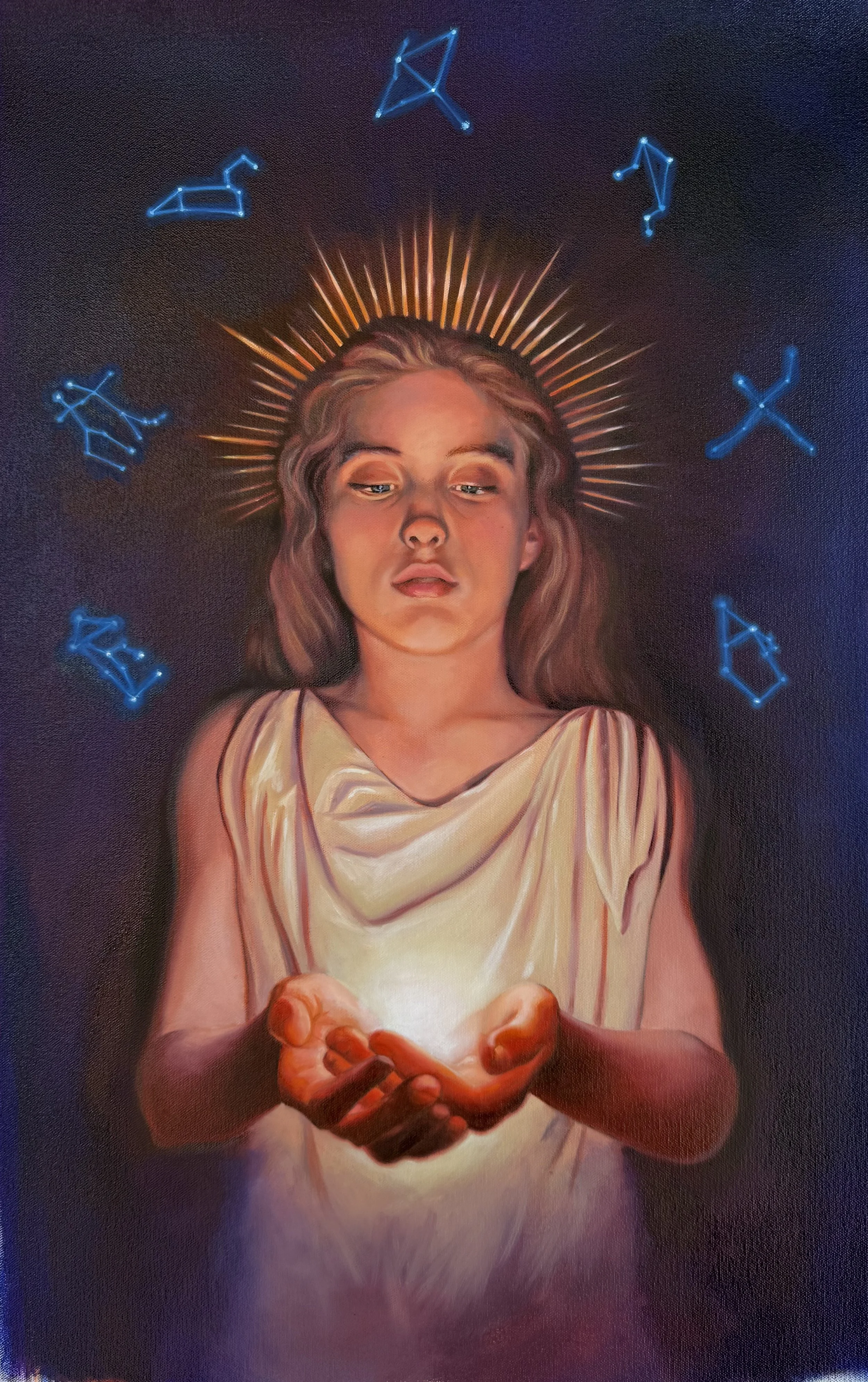
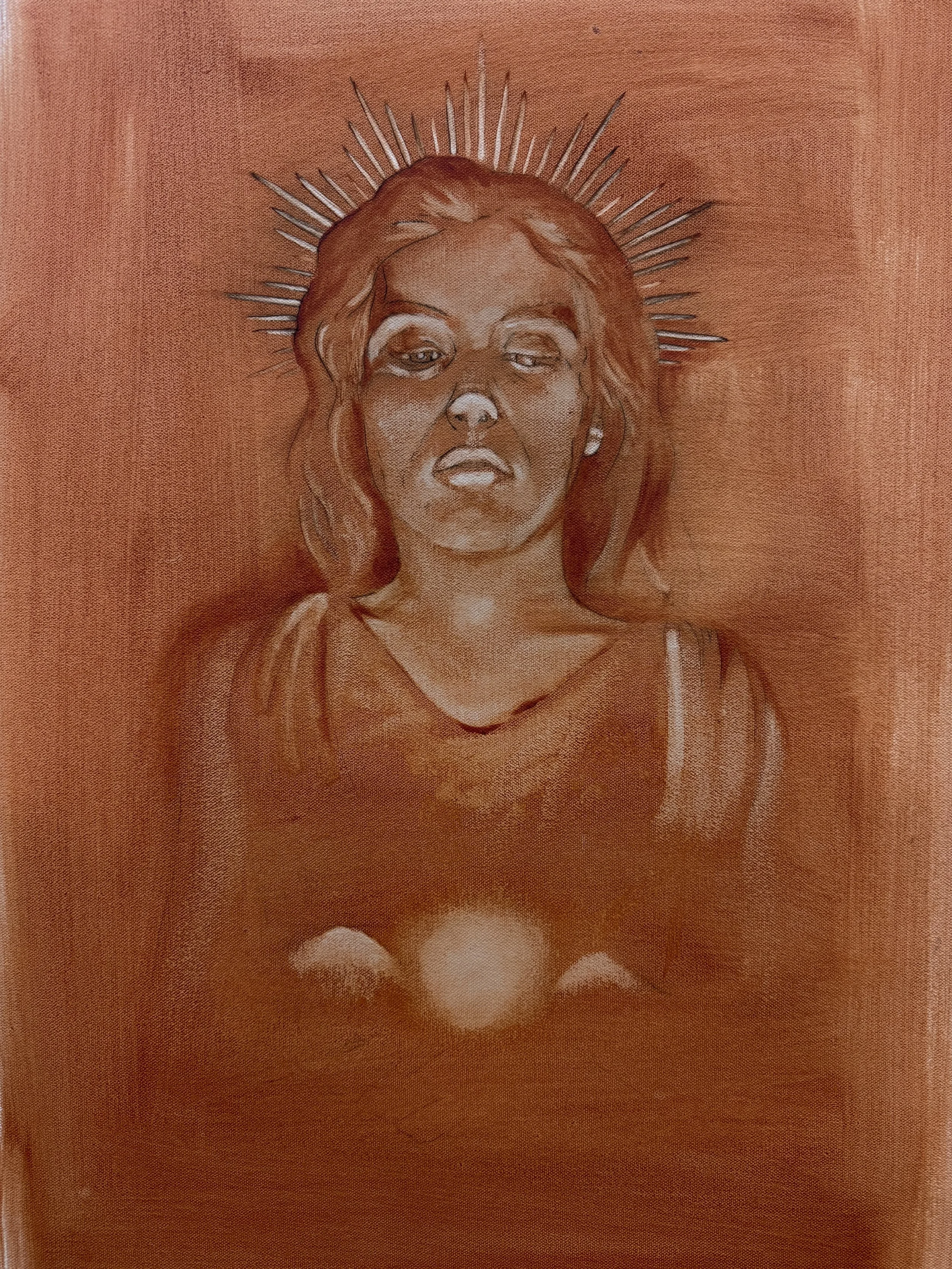
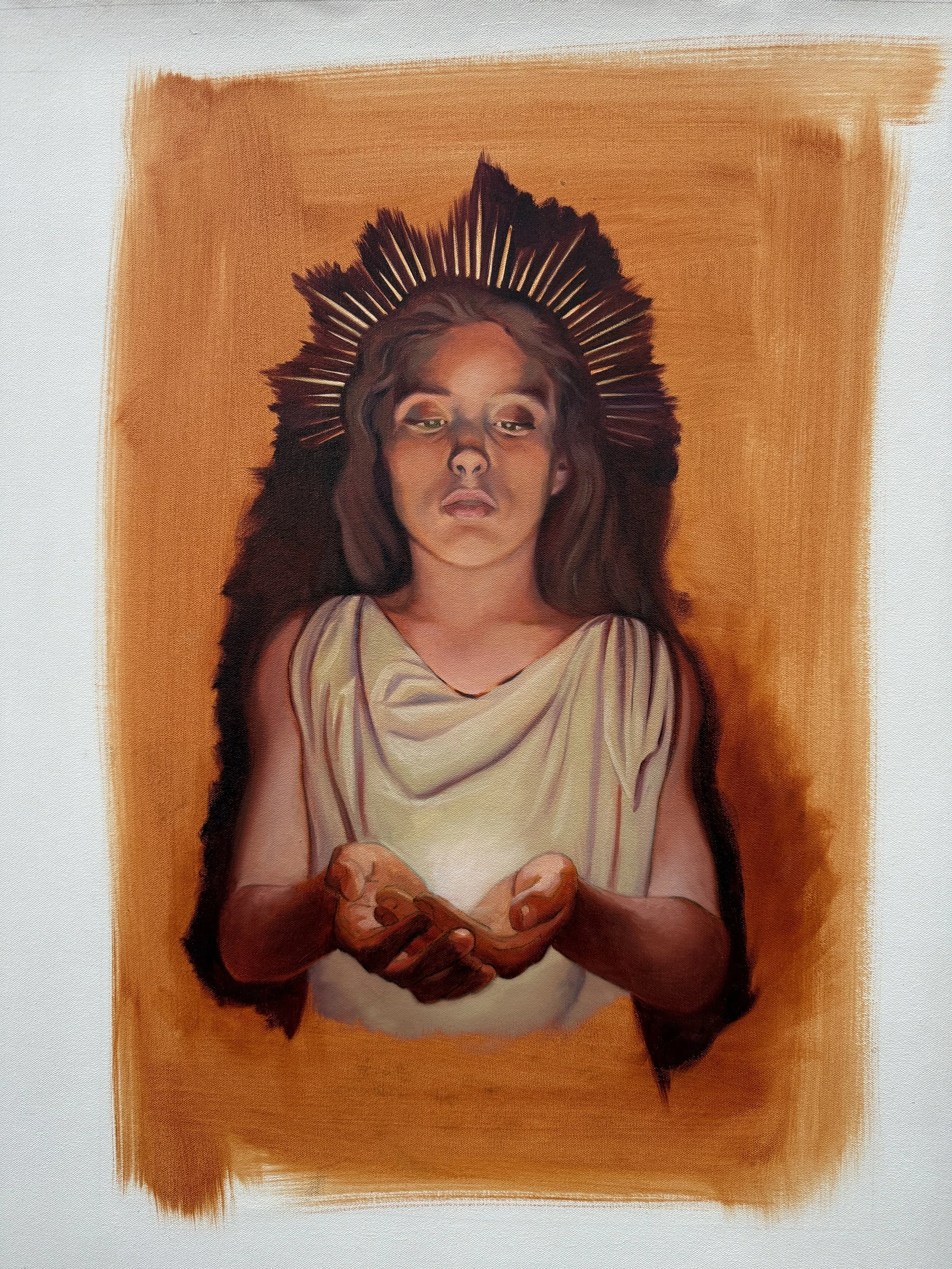
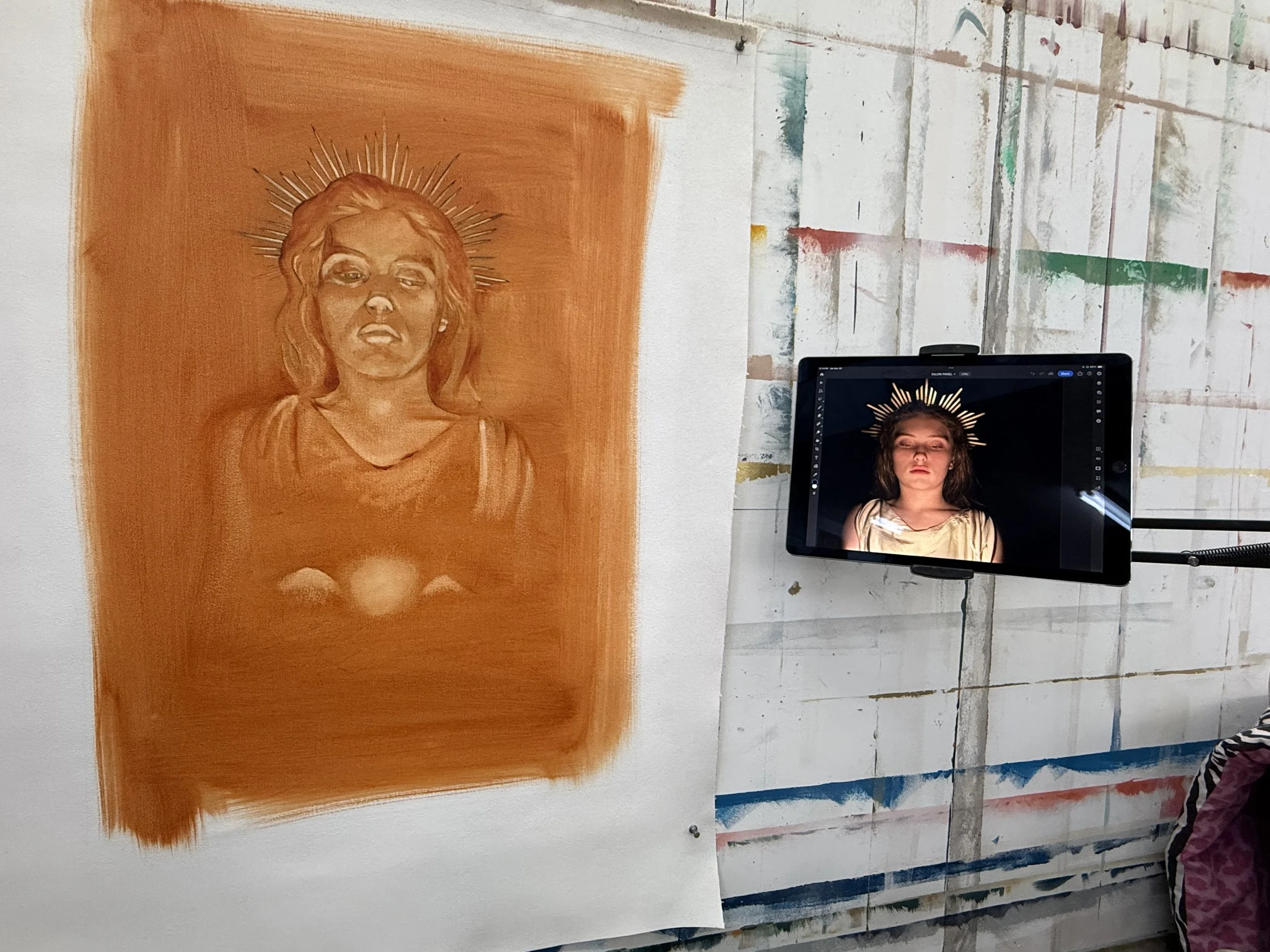
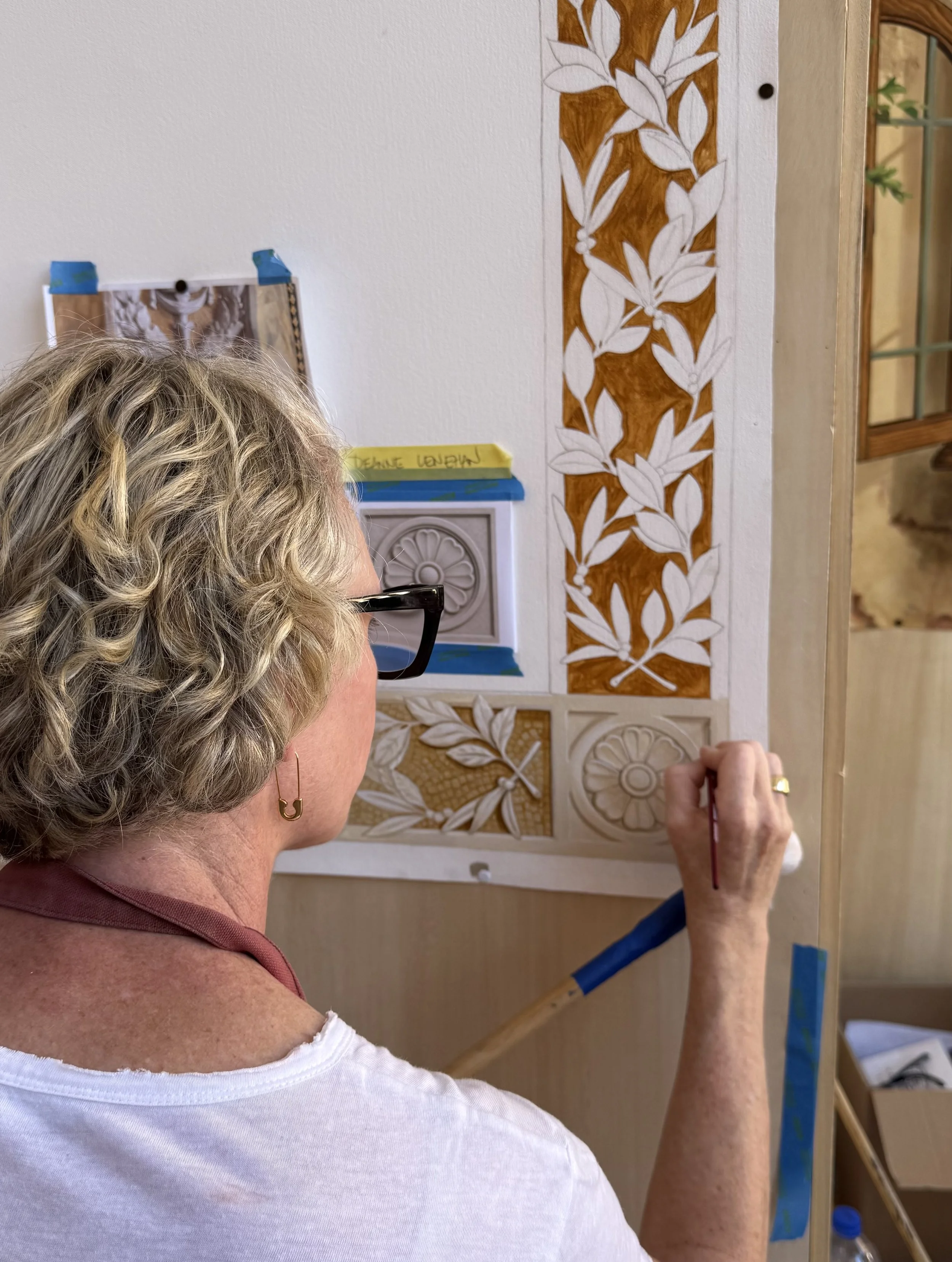
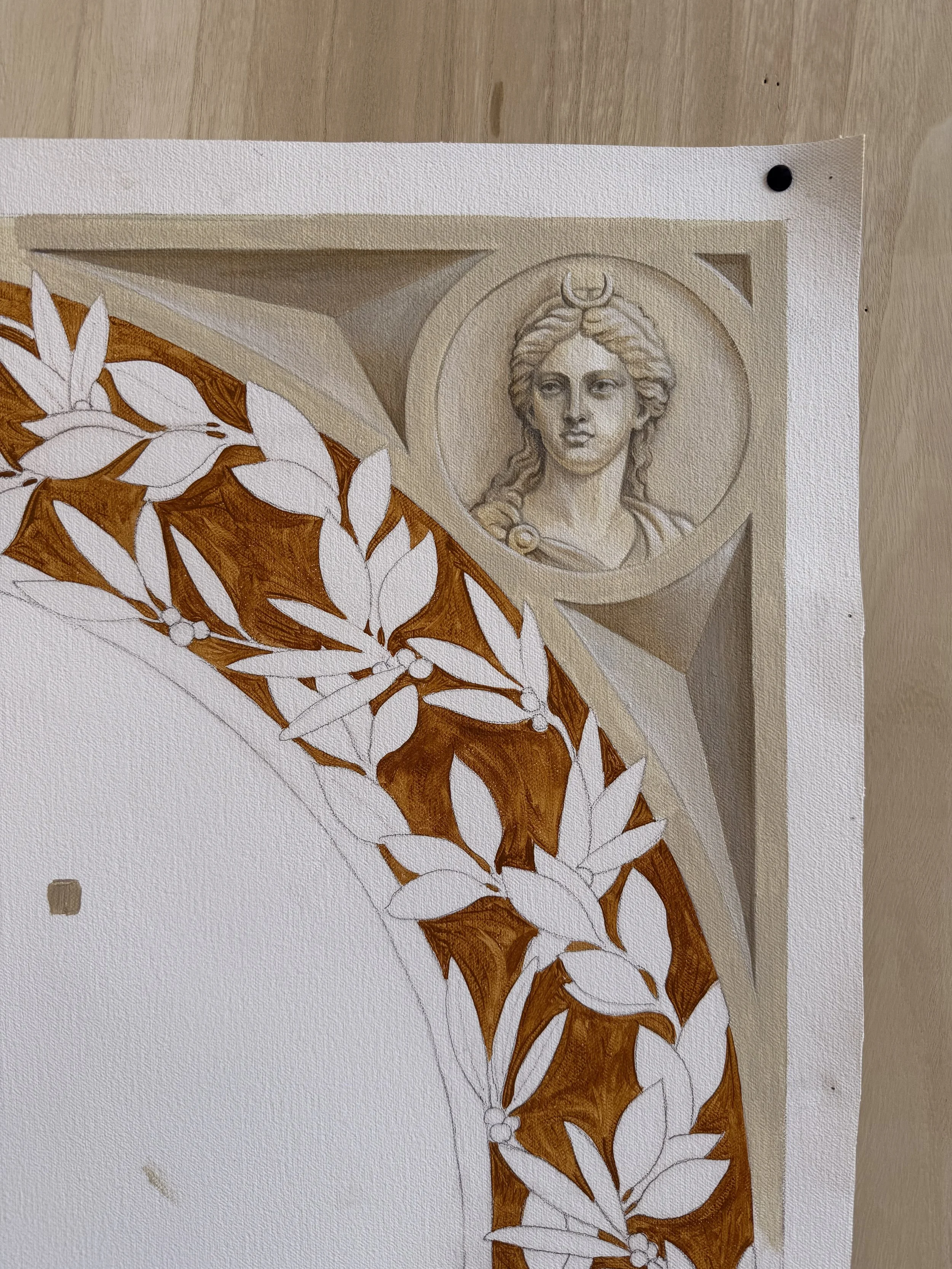
I chose to complete the inner panel ahead for my presentation and the frame for my demonstration panel. The theme was “Rome: The Light of the Eternal City.”
Central Figure:
At the center of the composition stands a female figure representing Rome; timeless, luminous, and enduring. Inspired by classical Roman sculpture and allegorical painting, she serves as the embodiment of the Eternal City and the enduring legacy of art, culture, and civilization. Surrounded by celestial constellations and crowned in radiant light, the figure acts as a symbolic bridge between the earthly and the divine.
Held within her hands is a glowing source of light, representing knowledge, creativity, inspiration, and the passing of artistic traditions across generations. The illumination evokes the idea of Rome as a beacon of culture and human achievement; a city whose influence continues to radiate throughout the world centuries after the height of the empire.
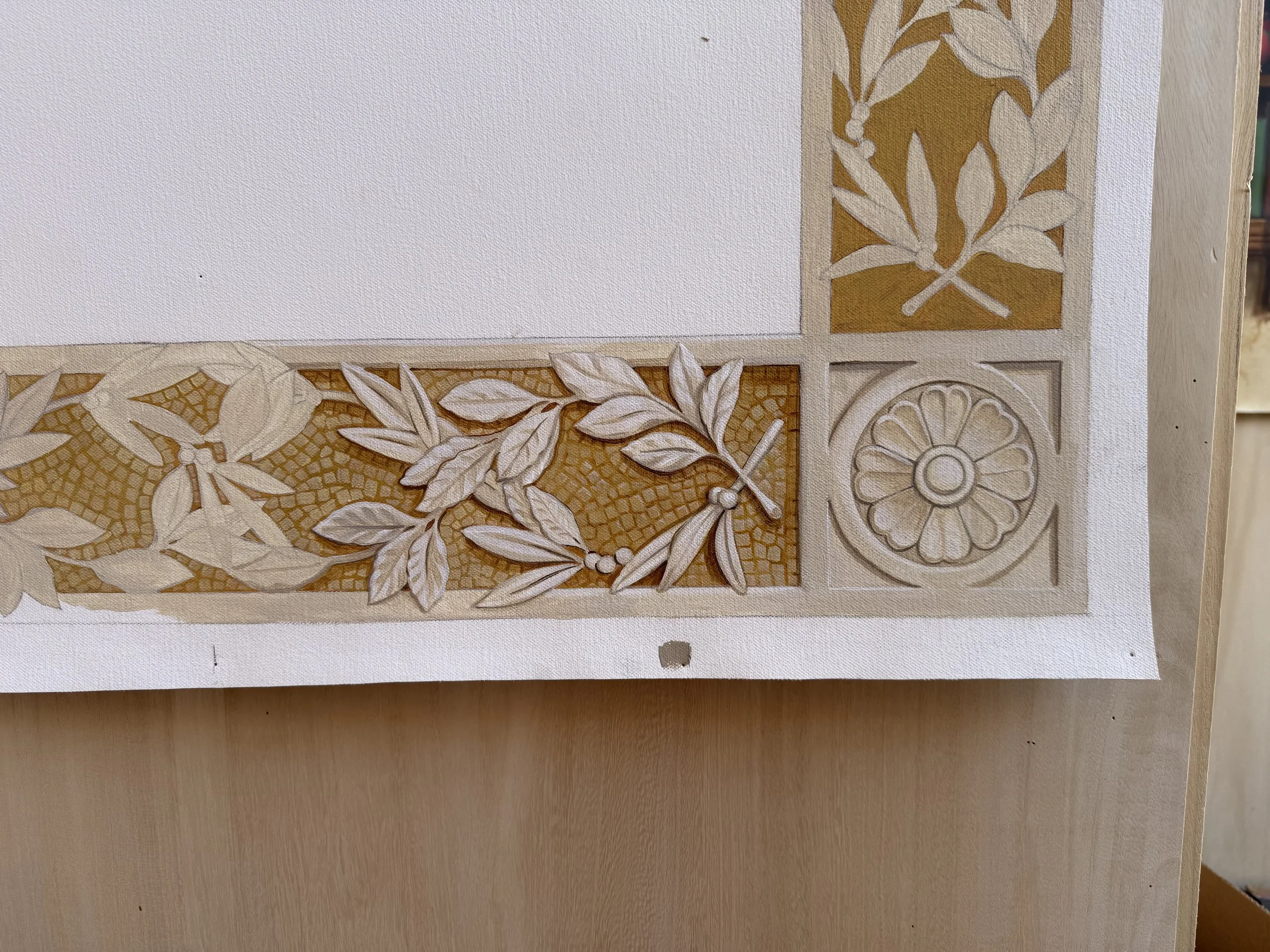
Border of Laurel and Olive Branches *
The decorative border intertwines laurel and olive branches, uniting two symbols of the ancient Roman world. The laurel, traditionally associated with triumph, honor, and achievement, reflects the pursuit of excellence and the enduring legacy of artistic mastery. The olive branch, a symbol of peace, wisdom, and harmony, represents cultural exchange, creative collaboration, and the timeless connection between civilizations through art.
Sol Invictus and Luna *
The corner medallions depict Sol and Luna, symbolizing the eternal passage of time and the celestial order that guided the ancient Roman world. Sol Invictus, crowned with radiating solar rays, represents light, vitality, and the enduring spirit of Rome as the Eternal City. Opposing him, Luna embodies serenity, rhythm, and continuity, her crescent moon serving as a symbol of cyclical renewal and quiet illumination. Together, the paired figures create a balance between day and night, power and reflection, permanence and transformation.
*These elements of the panel are being completed as part of the live demonstration panel.
Constellation Symbolism:
1. Aquila — Divine Authority
Associated with the eagle of Jupiter, Aquila became one of the most powerful symbols of Ancient Rome. The eagle served as the standard of the Roman legions and represented imperial authority, victory, and divine protection. Within the panel, Aquila symbolizes Rome’s belief that earthly power was sanctioned by the heavens.
2. Leo — Imperial Power
Leo, the lion constellation, symbolizes strength, courage, and magnificence. In Roman visual culture, the lion evoked rulership and solar power, reflecting the grandeur and confidence of the empire at its height. Its presence within the composition references the bold spirit and lasting legacy of the Eternal City.
3. Cygnus — Eternal Light
Positioned within the luminous band of the Milky Way, Cygnus symbolizes transcendence, inspiration, and celestial light. The constellation reinforces the idea of Rome as the “Eternal City,” a place where art, history, and culture continue to inspire across generations. Within the panel, Cygnus represents the enduring light of creativity and artistic legacy.
4. Gemini — Founding Myth and Brotherhood
Gemini, associated with the twins Castor and Pollux, symbolizes brotherhood, protection, and duality. The constellation also echoes the story of Romulus and Remus, the legendary founders of Rome. Its presence references the mythic origins of the city and the sacred bond at the heart of Roman identity.
5. Libra — Law and Order
Libra, the scales, symbolizes justice, balance, and civilization. The constellation reflects Rome’s role as a center of law, philosophy, and civic structure within the ancient world. In the composition, Libra represents harmony, moral order, and the intellectual foundations upon which Rome built its empire.
6: Lupus — Myth, Survival, and Sacrifice
Lupus, the wolf constellation, symbolizes primal strength, instinct, and sacrifice. Its inclusion references the foundational mythology of Rome through the legend of Romulus and Remus, the twin brothers nurtured by the she-wolf who became enduring symbols of the city’s origins. Within the composition, Lupus evokes themes of resilience, protection, and the raw elemental forces from which civilizations are born. The constellation serves as a reminder that beneath Rome’s grandeur lies a mythic history rooted in survival, transformation, and sacrifice.
7. Auriga — Guidance and Forward Movement
Auriga, the charioteer constellation, represents mastery, movement, and purposeful direction. In ancient symbolism, the charioteer embodied discipline and control; guiding powerful forces with precision and intention.
Rendezvous in Rome
Evan and I met at Rome's Fiumicino Airport after his flight from Los Angeles arrived a few hours after mine from Washington, D.C. After dropping our luggage at the hotel, we immediately stepped into the hot, chaotic, energetic rhythm that is Rome. There is simply no easing into that city, it sweeps you up from the moment you arrive.
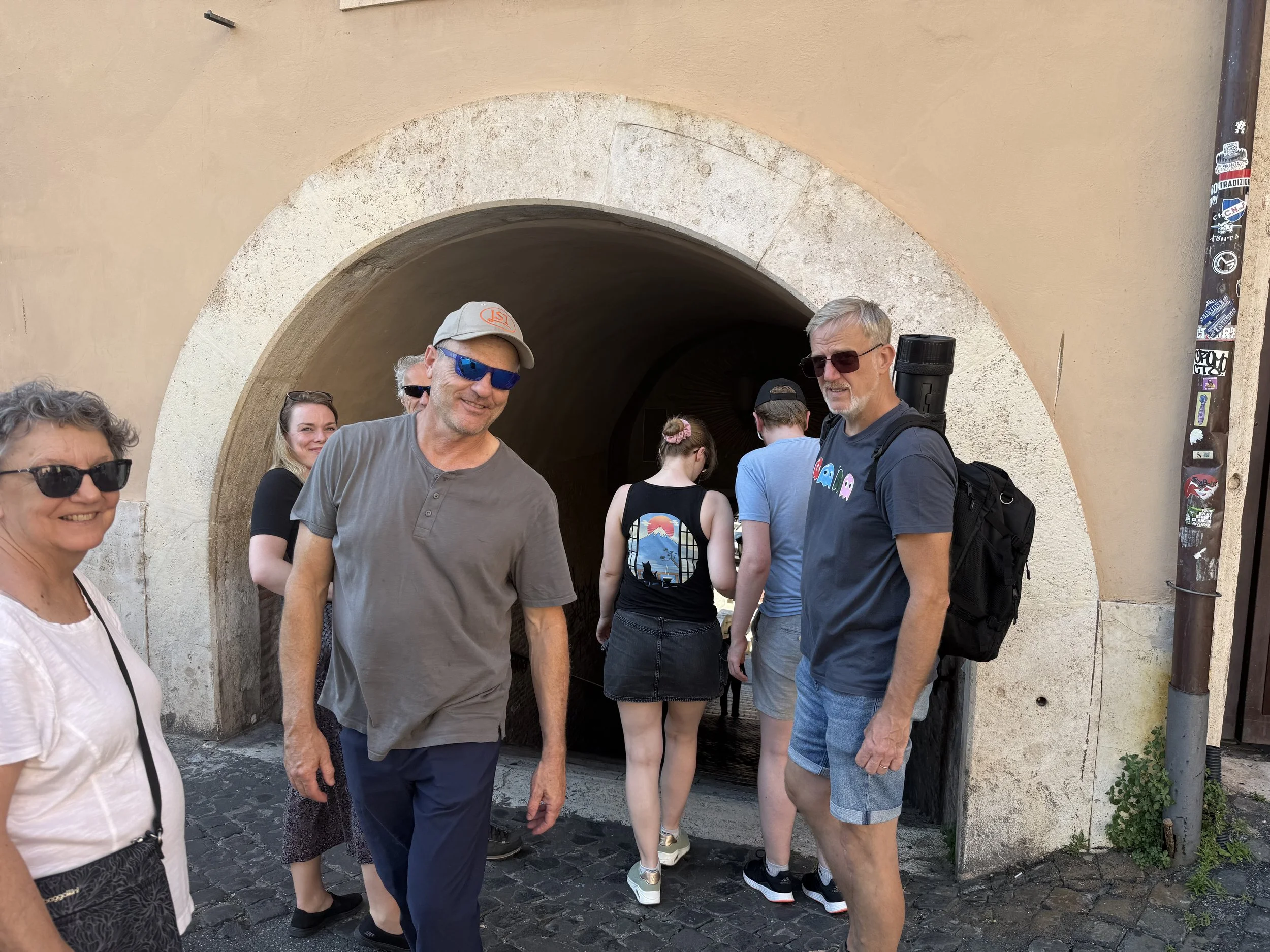
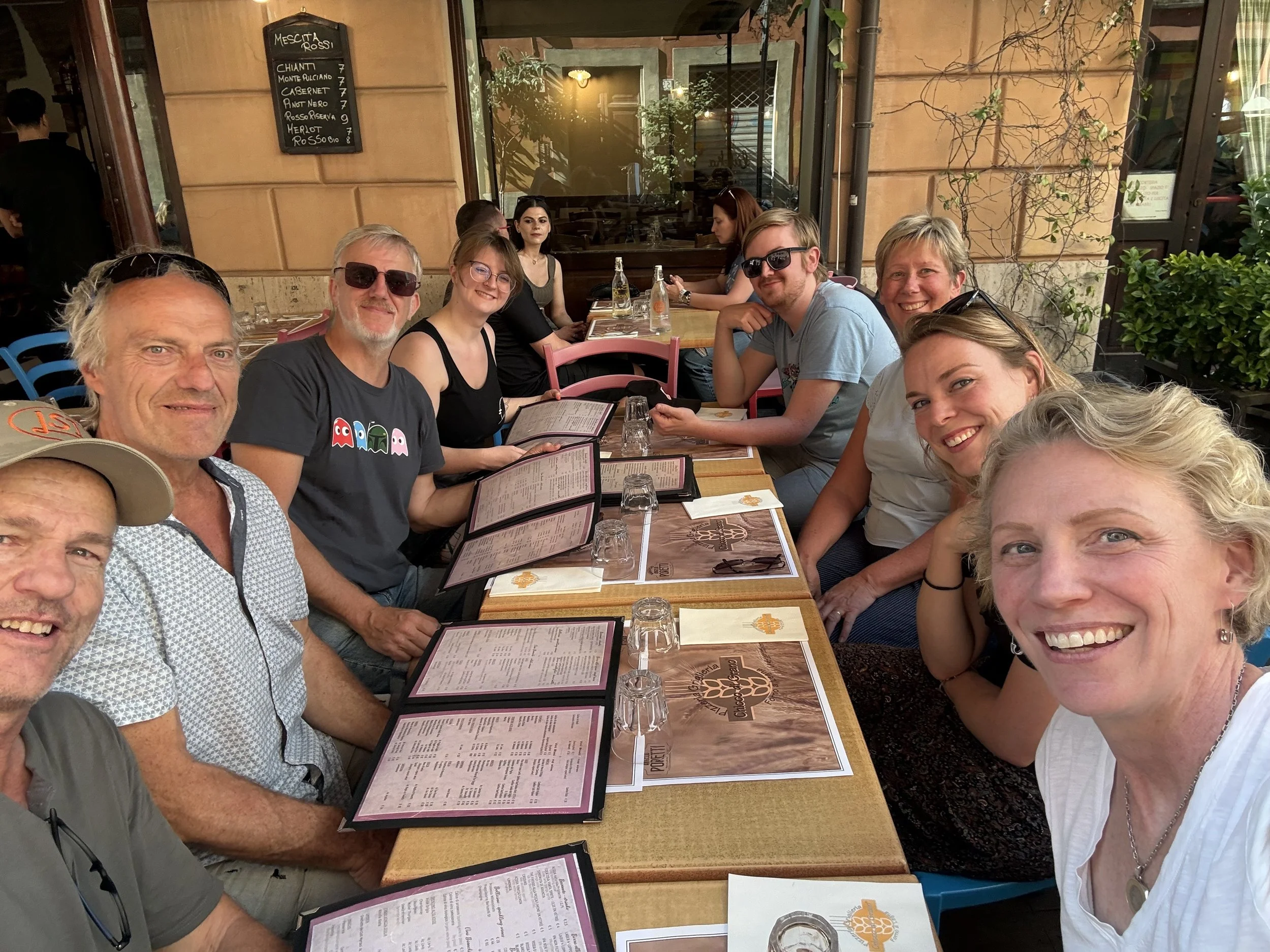
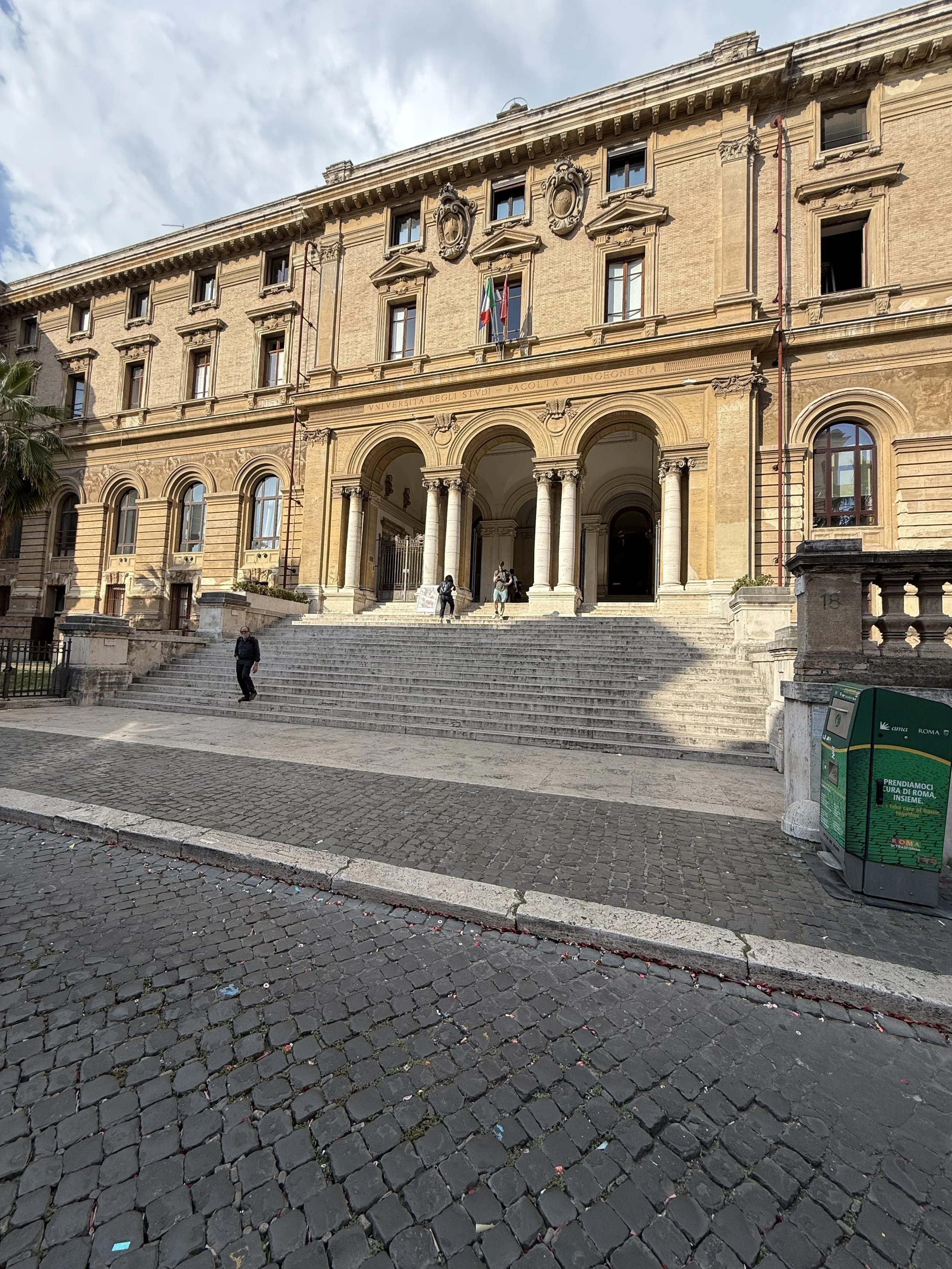
Our first stop was the Salon venue, to see who had already arrived. Salon would take place within the central cloister inside the Faculty of Civil and Industrial Engineering, part of Sapienza University of Rome. The school occupies the former monastery and cloister attached to the basilica. We were greeted by our gracious and immensely talented host, Caterina Manisco, and reunited with friends from around the world. We claimed our painting spaces, then wandered out for our first Italian meal together, complete with Aperol Spritzes while soaking in the excitement of the weekend ahead.
Let the games begin!
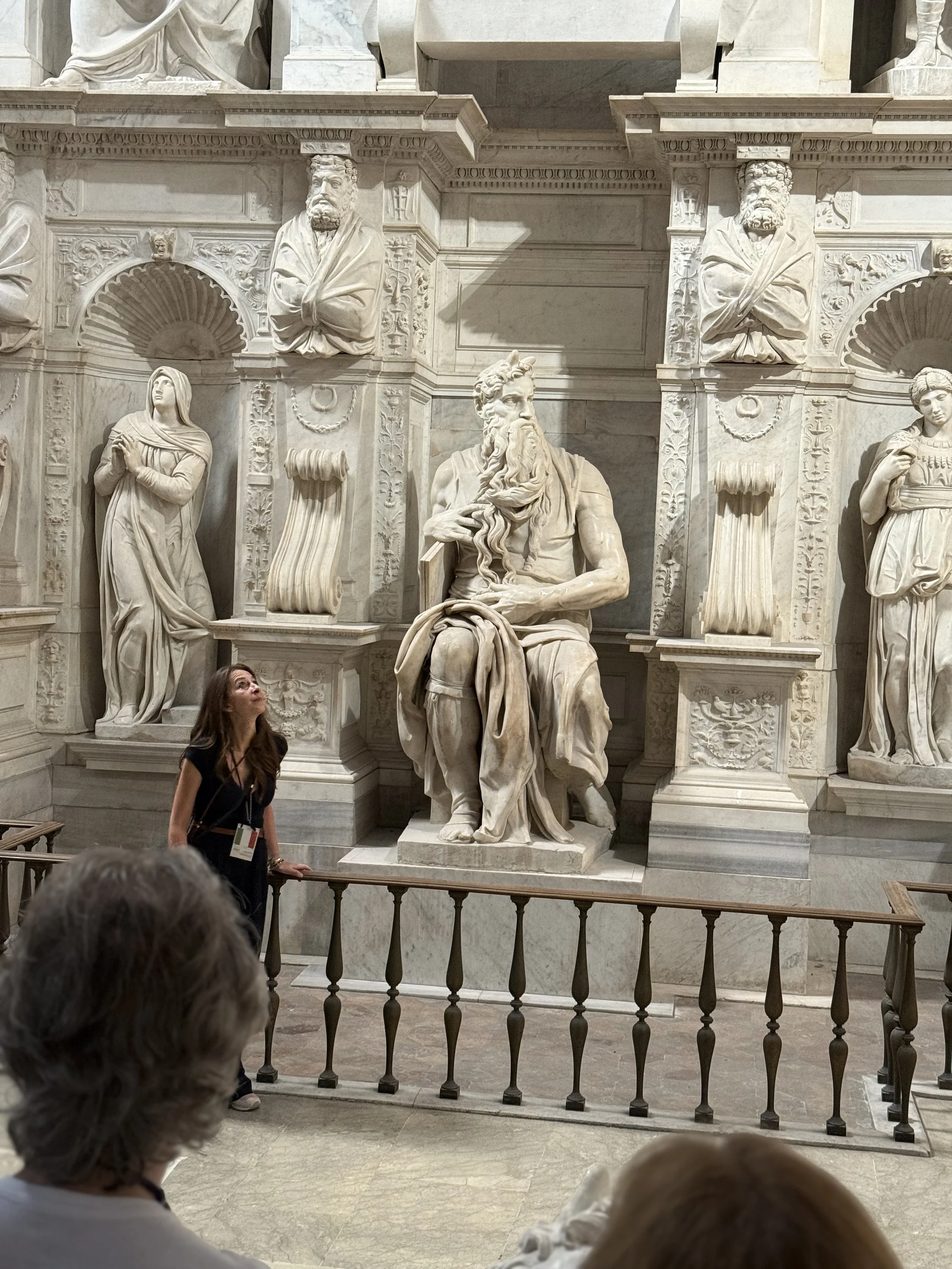
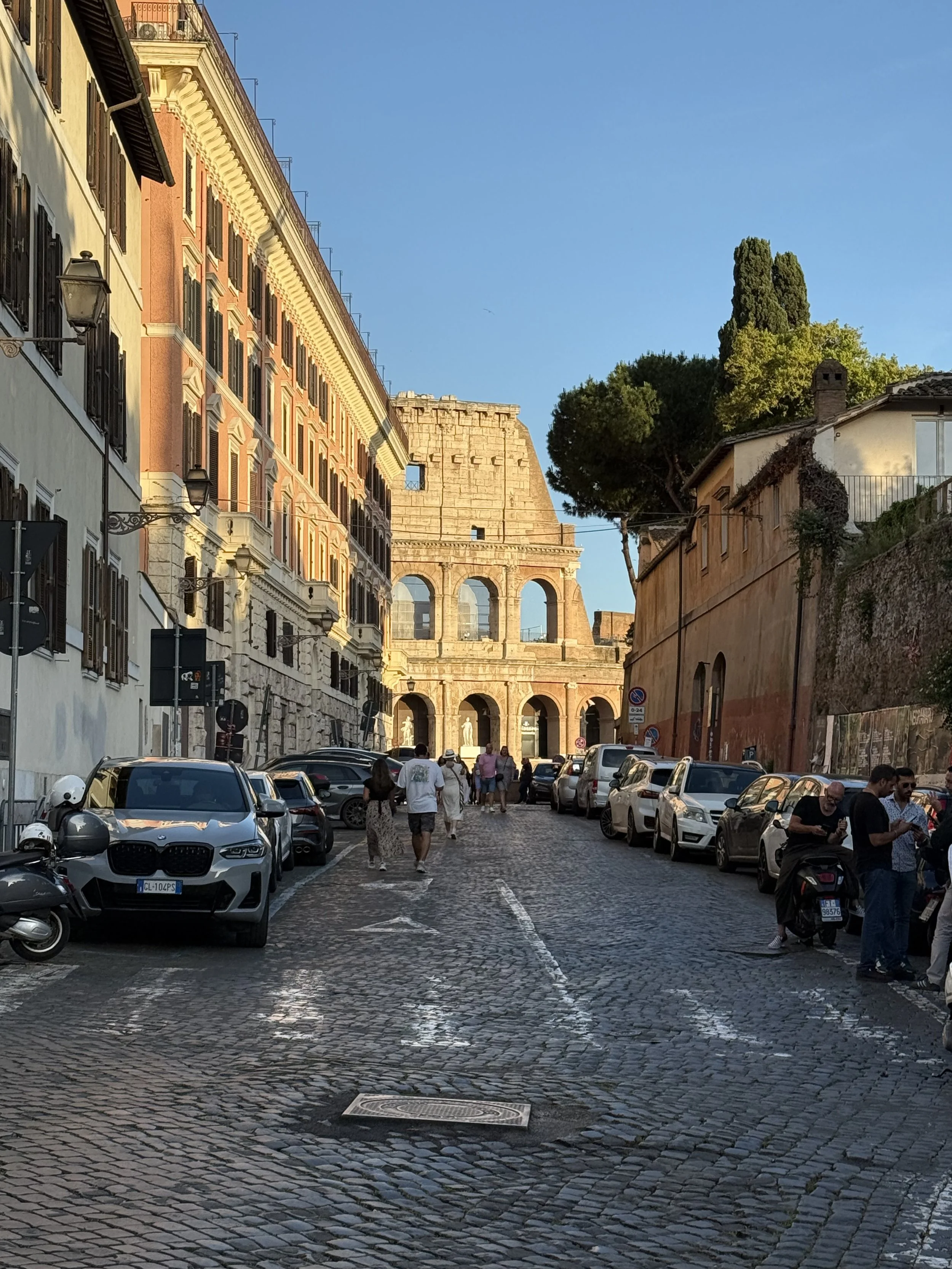
The following morning Salon officially began with opening remarks from the Mayor of Rome. Our venue couldn't have been more inspiring—it sat beside the Basilica of San Pietro in Vincoli (St. Peter in Chains), home to Michelangelo's magnificent Moses, and only a short walk from both the Colosseum and Nero's Domus Aurea. It is hard to imagine a more fitting setting for a gathering of decorative artists.
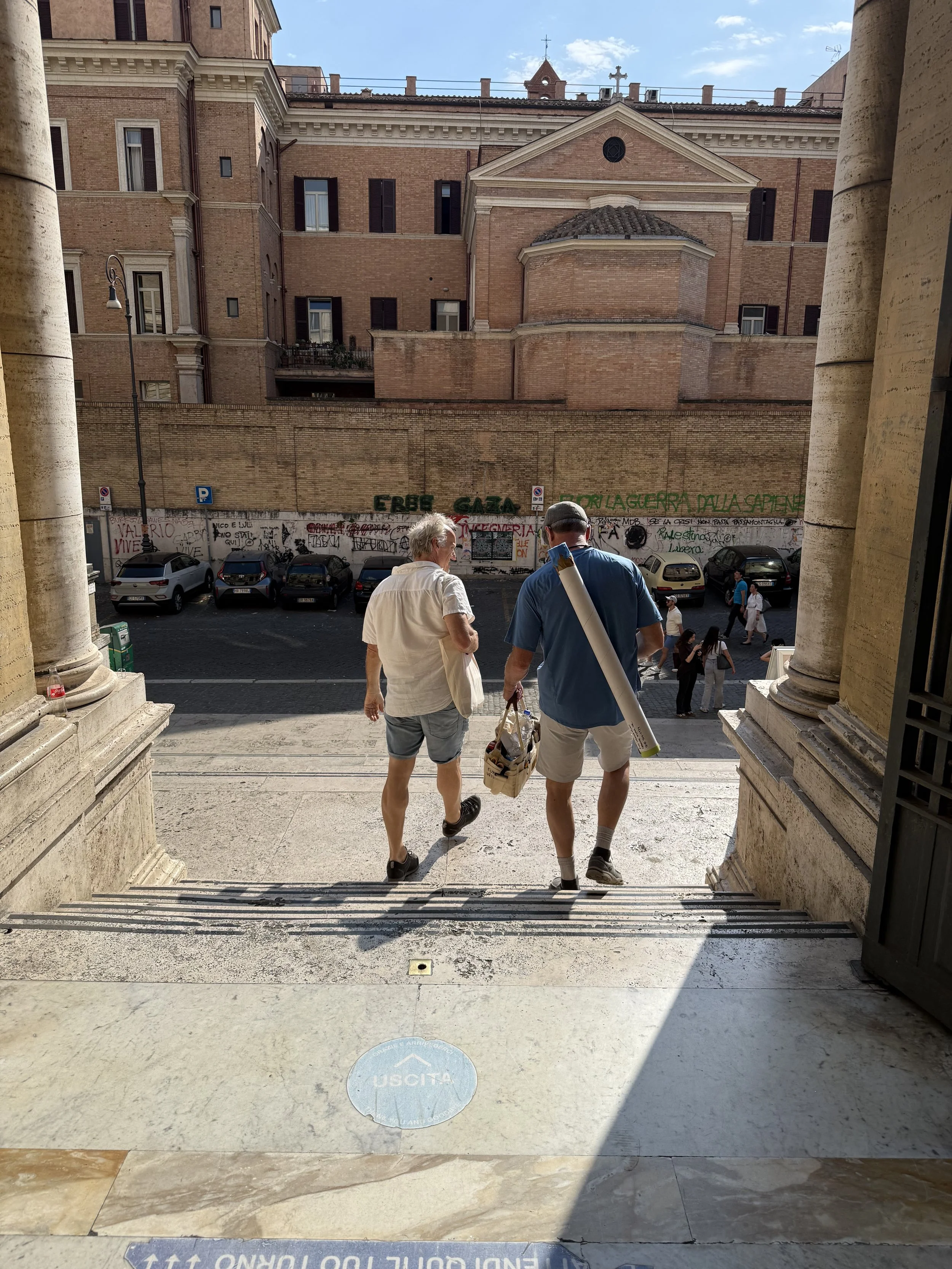
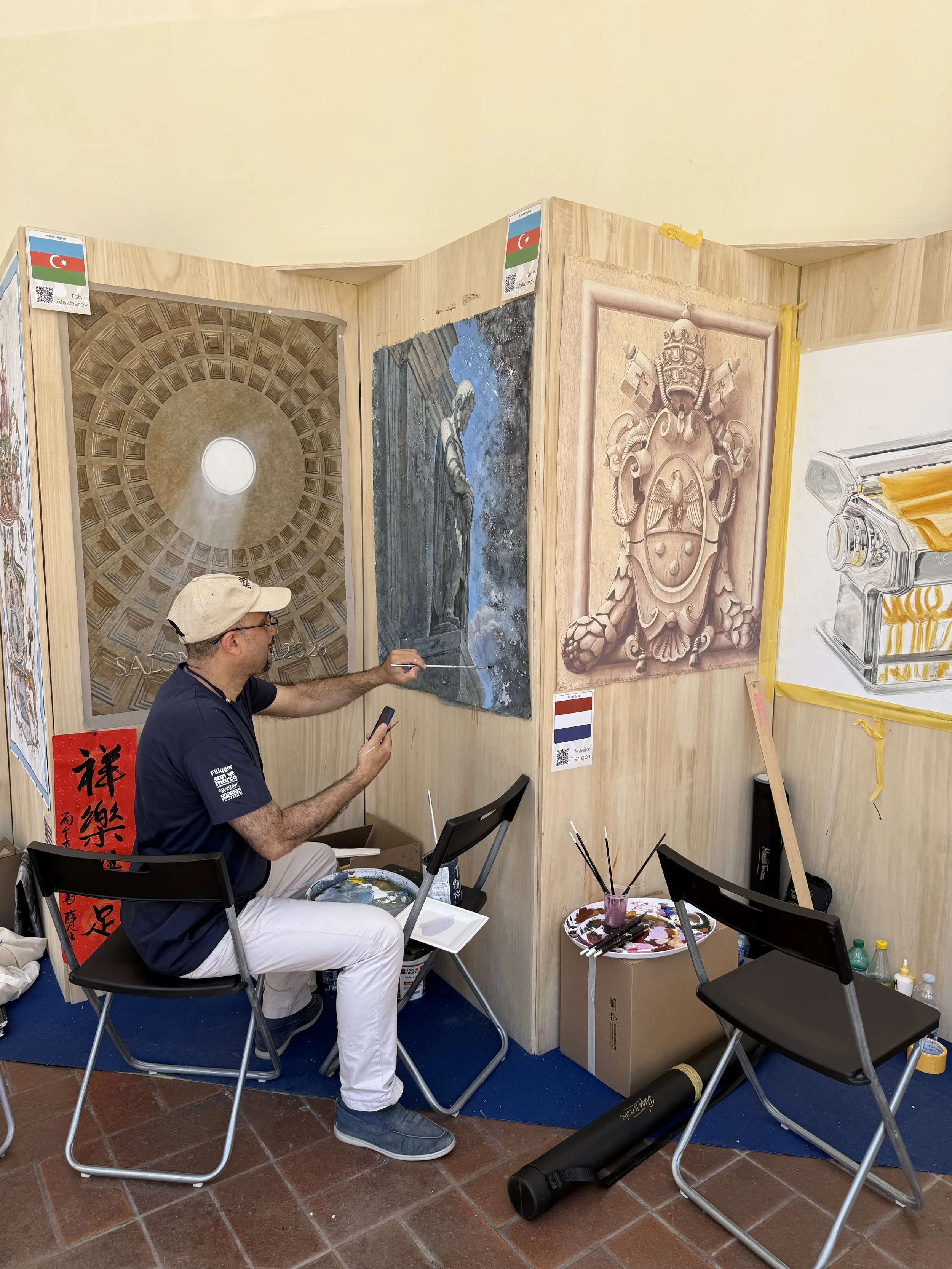
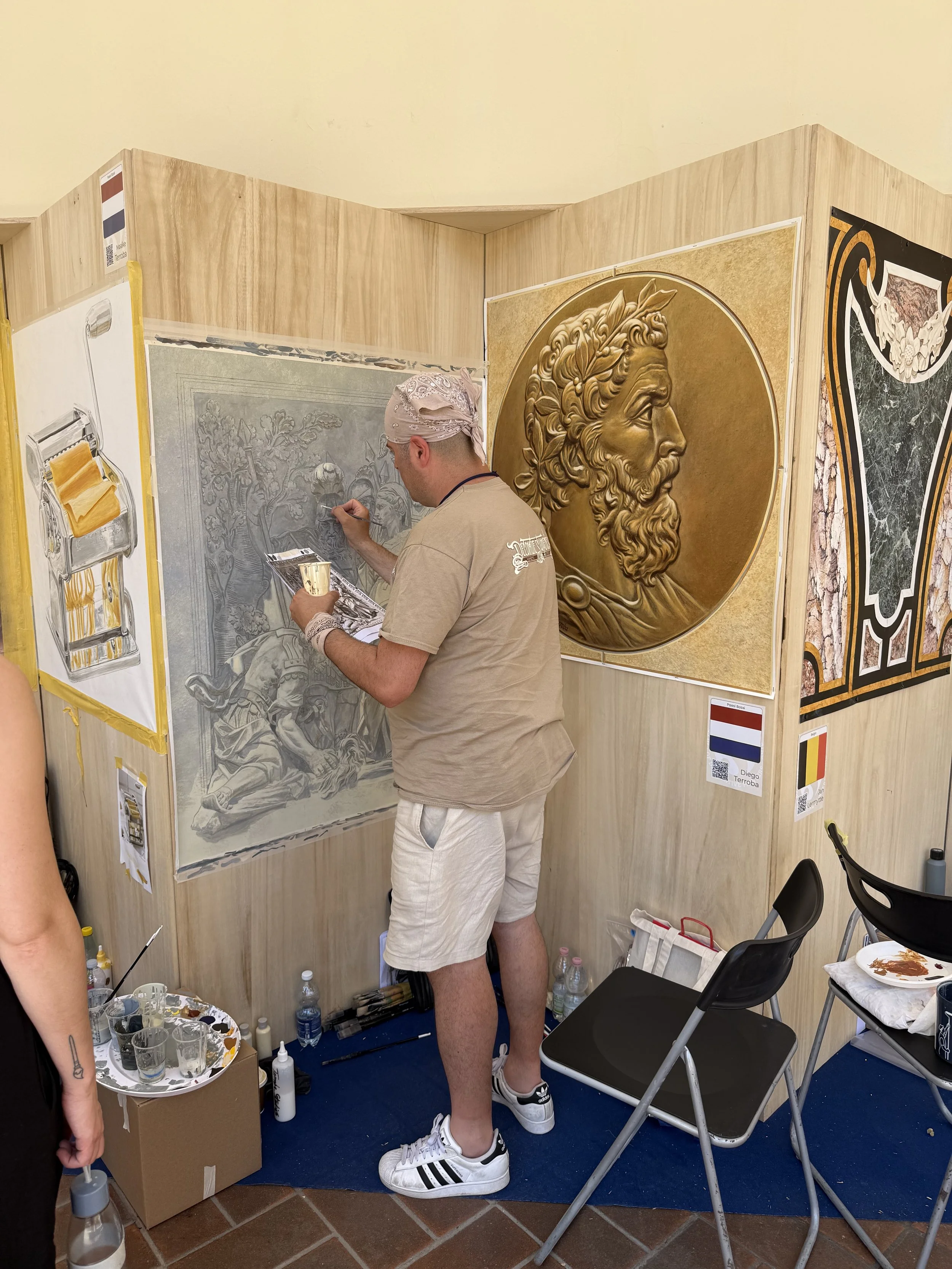
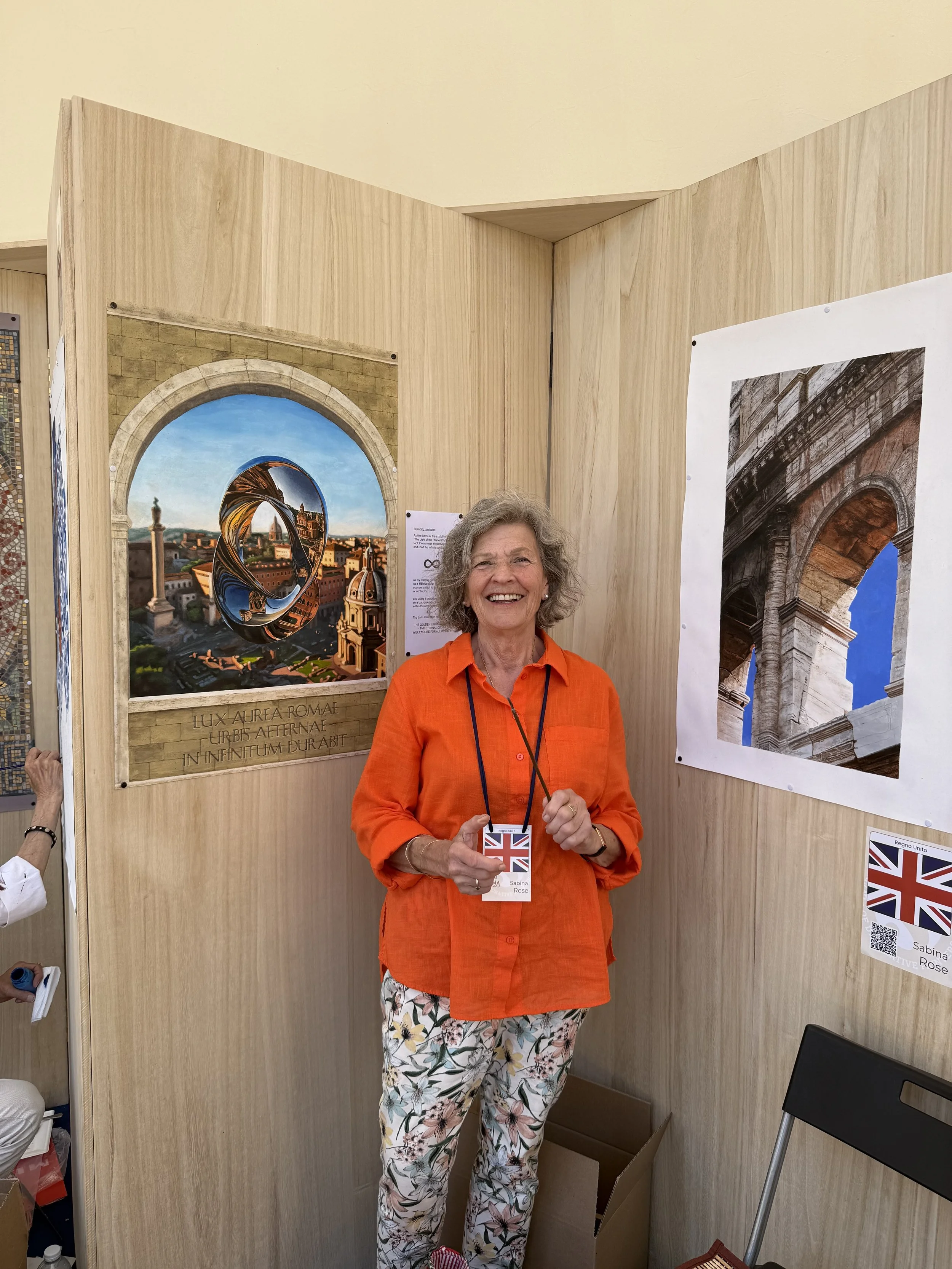
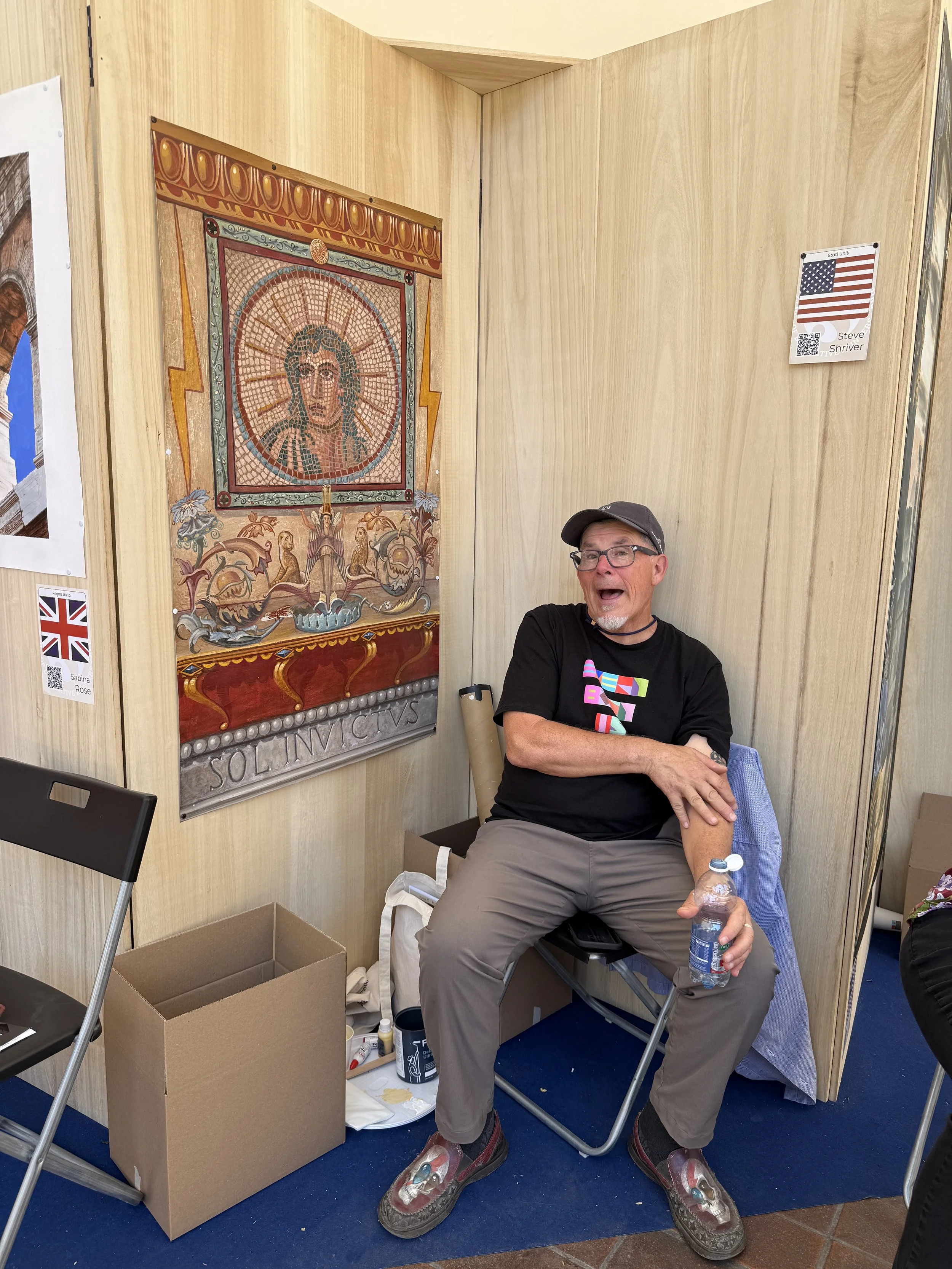
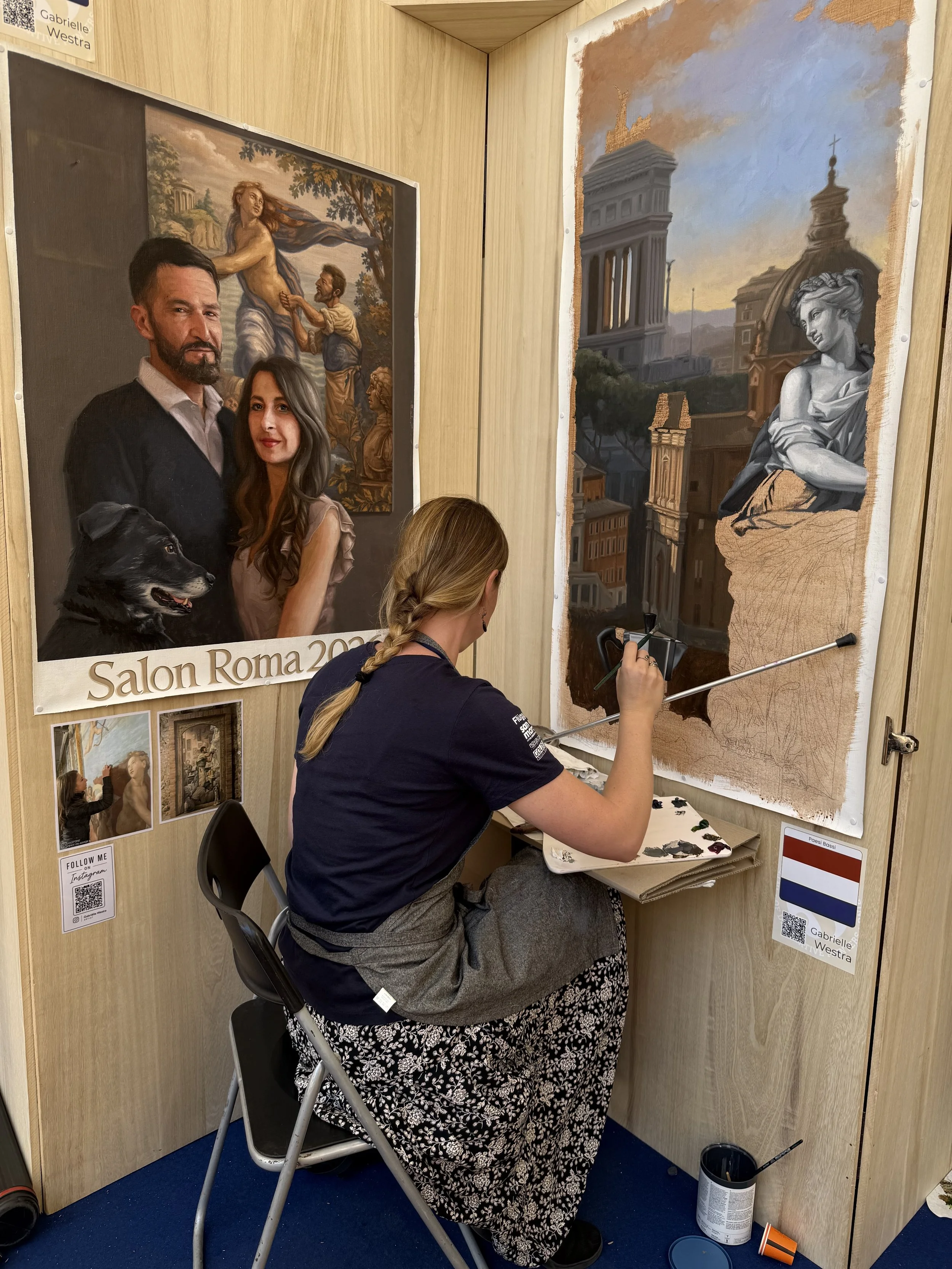
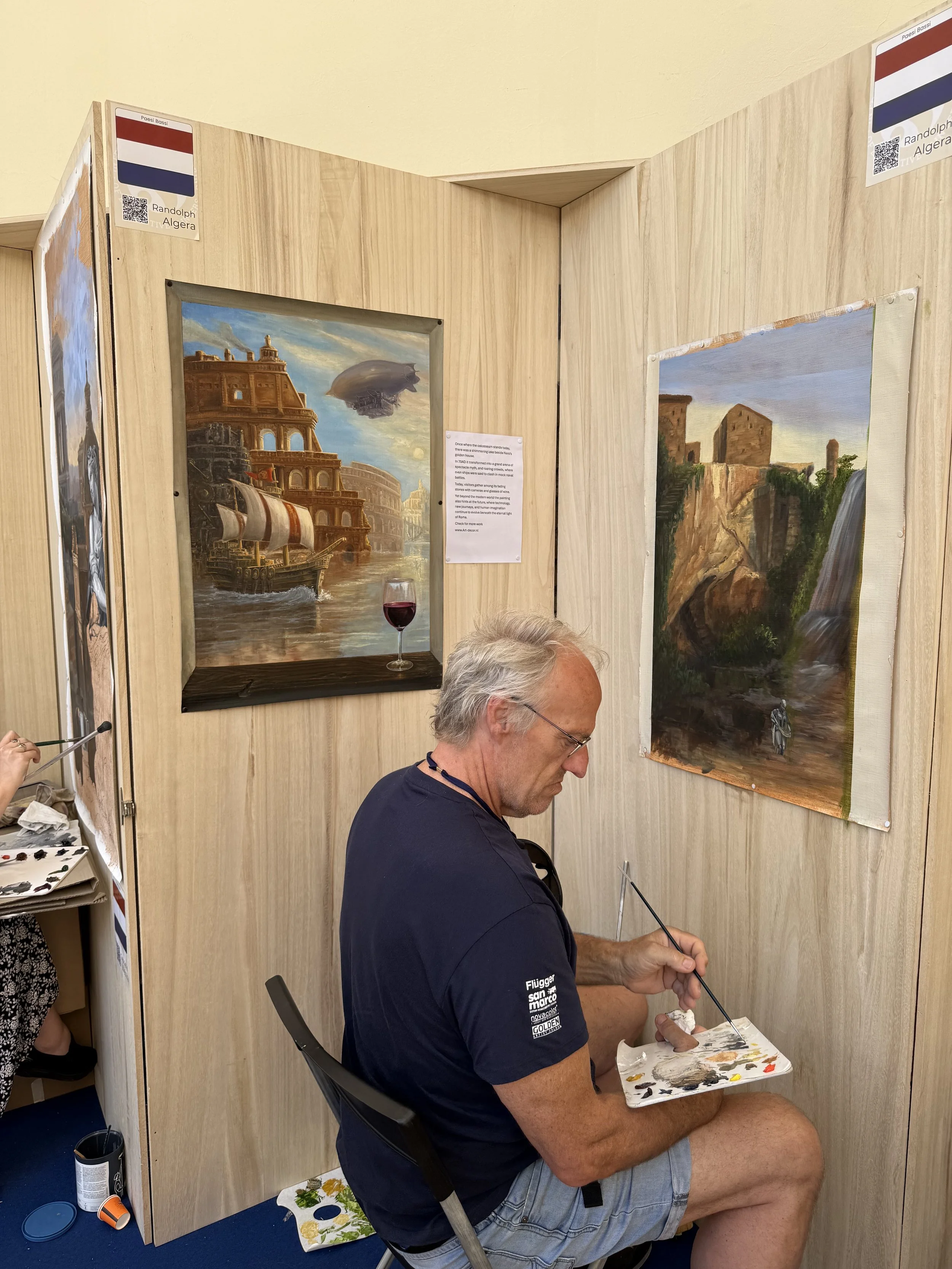
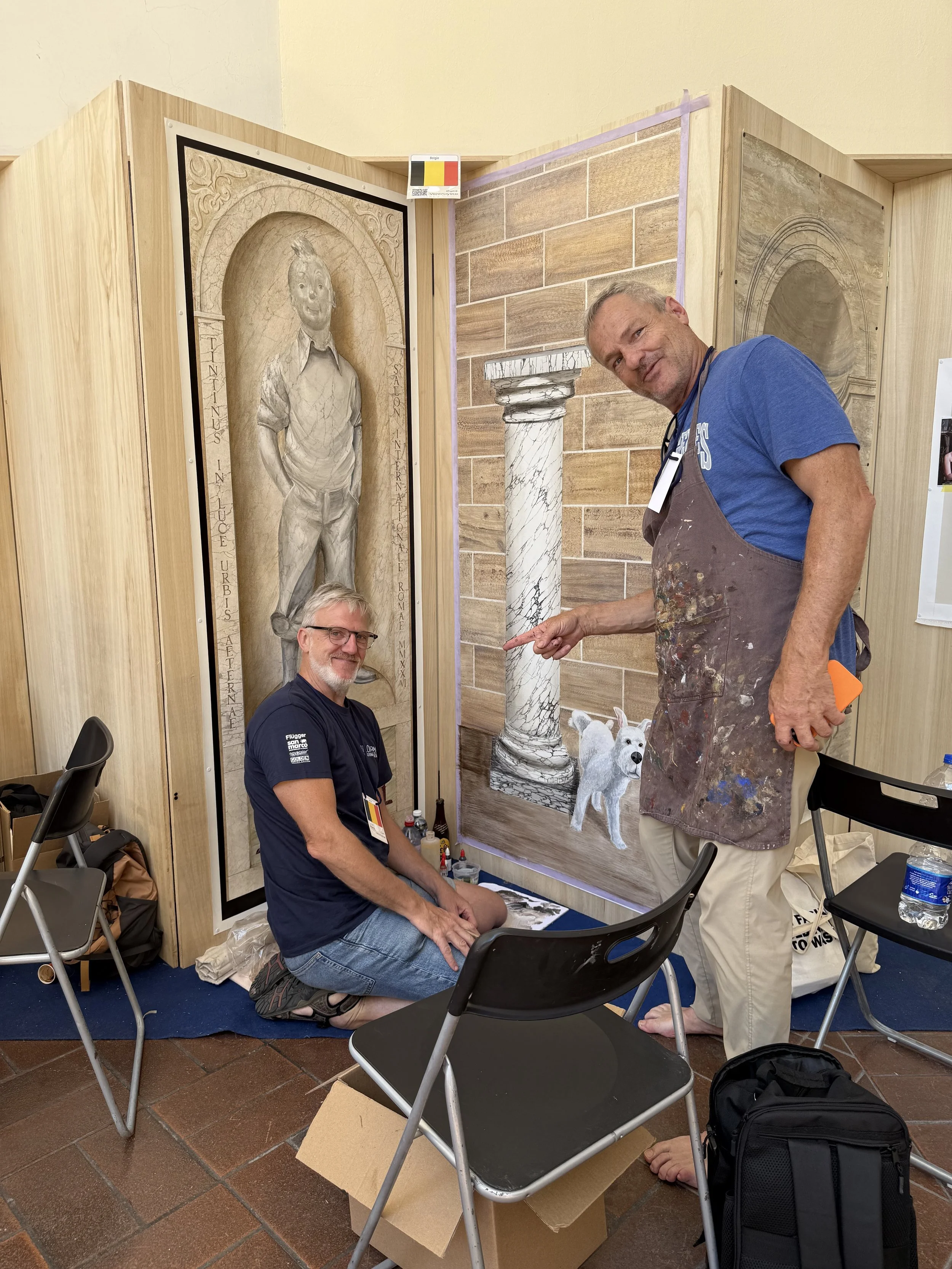
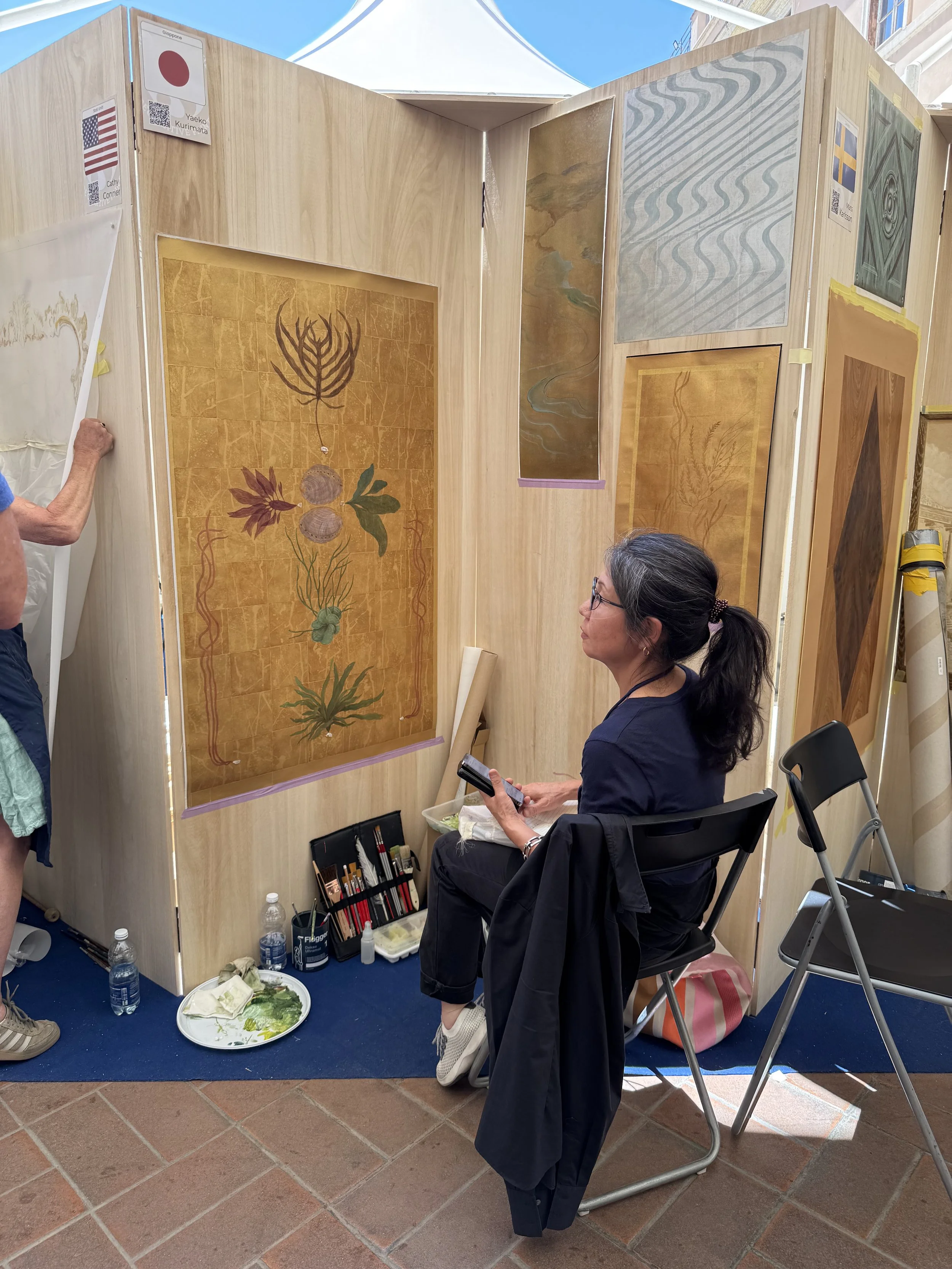
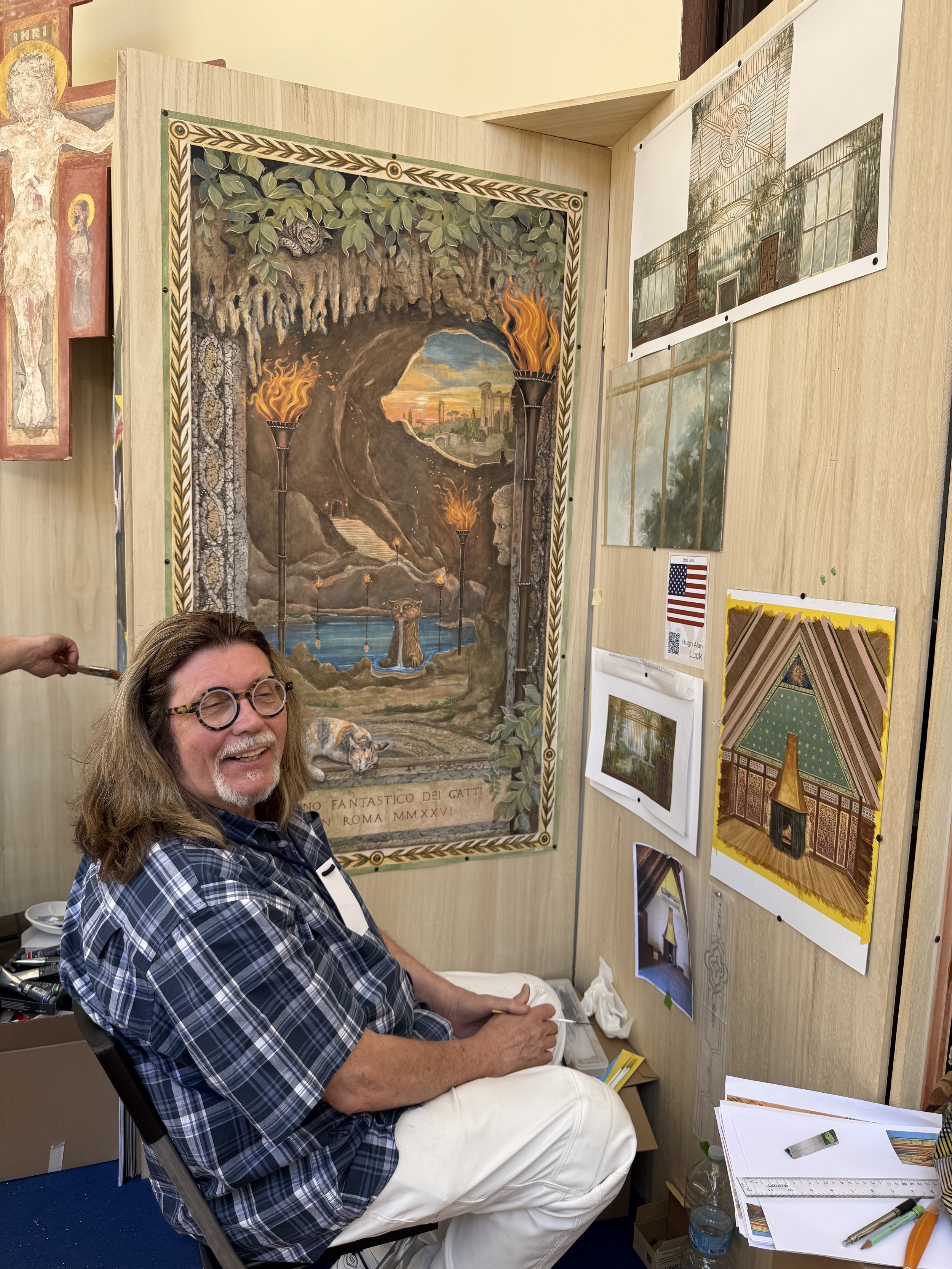
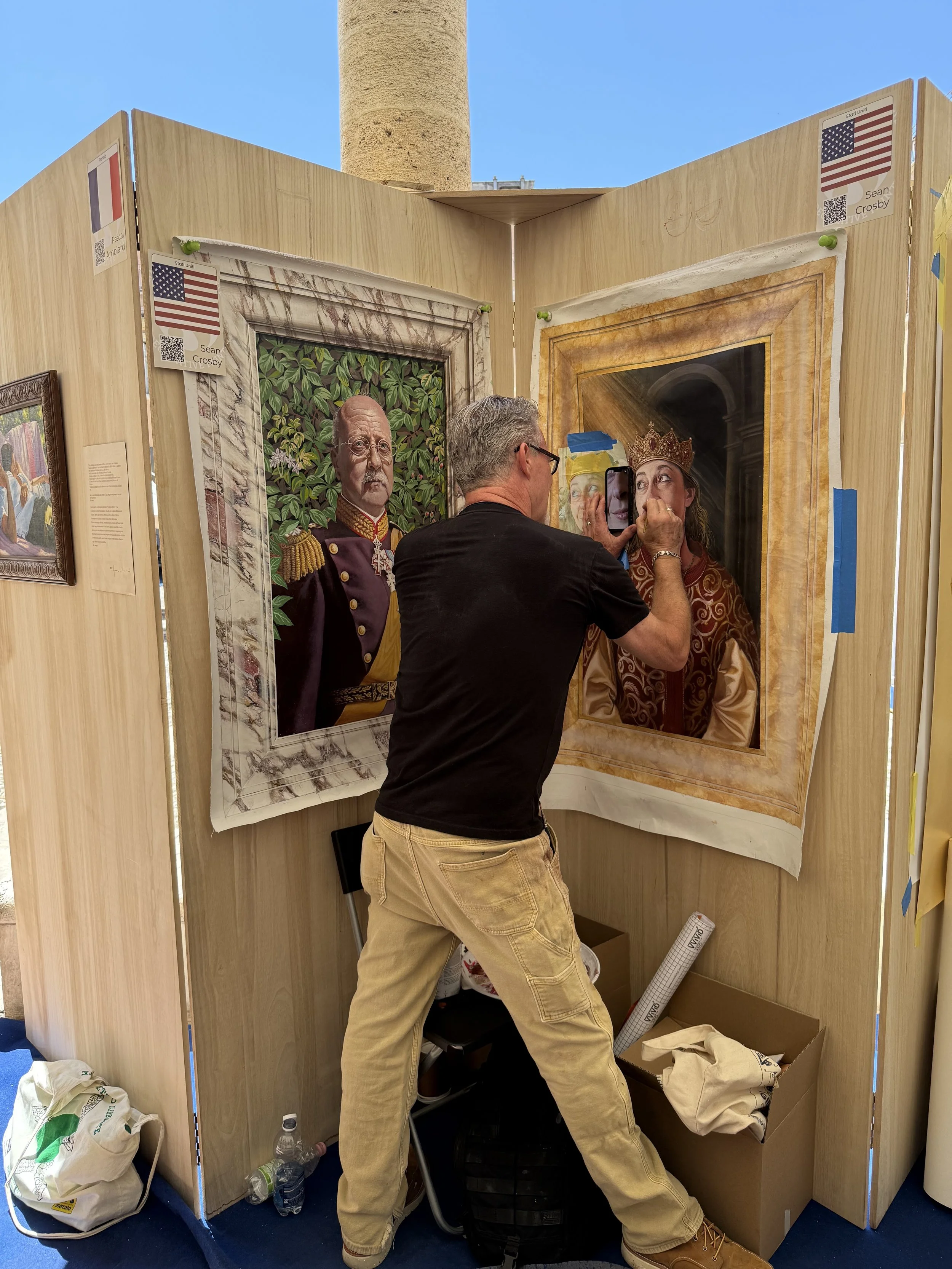
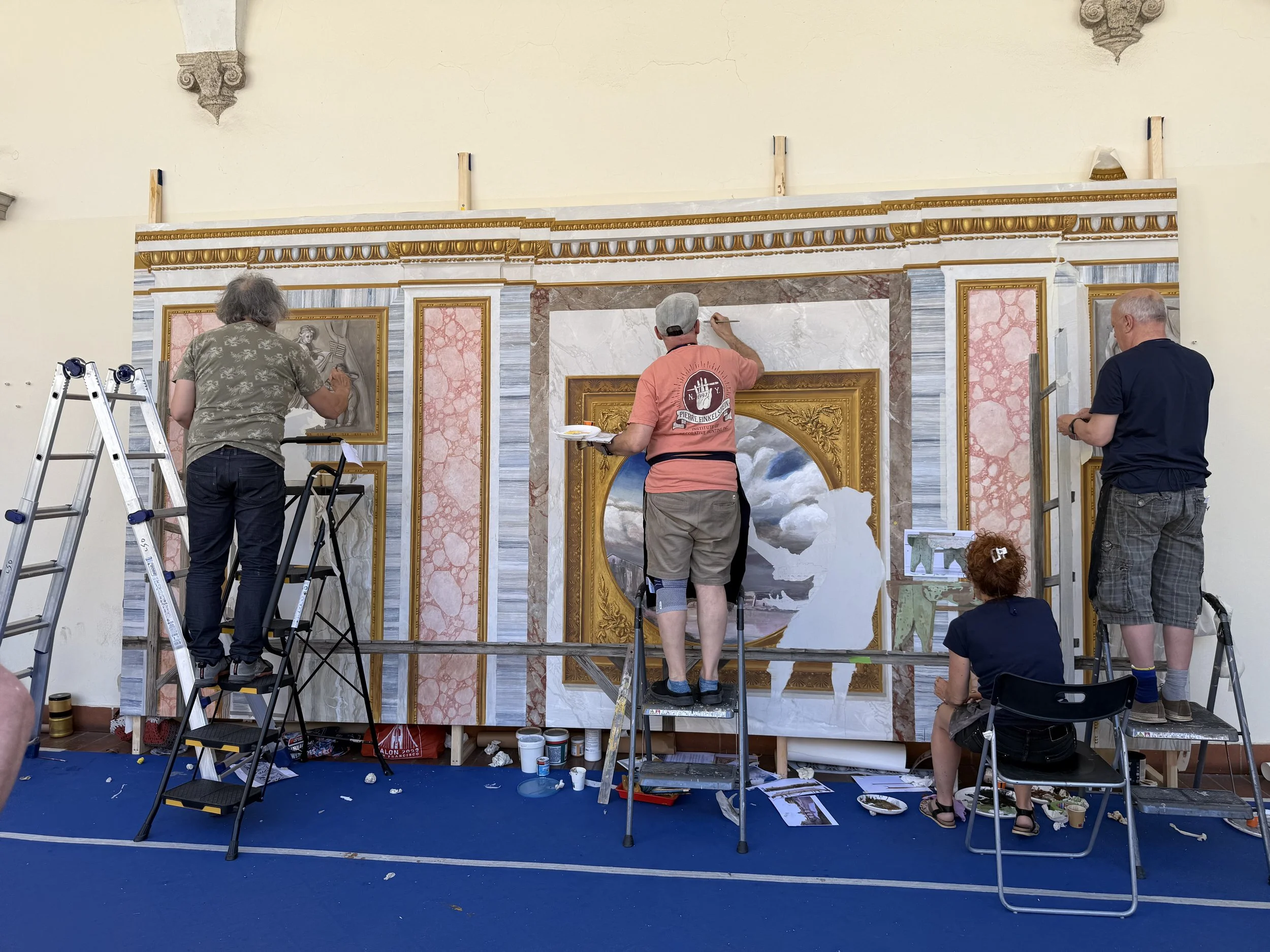
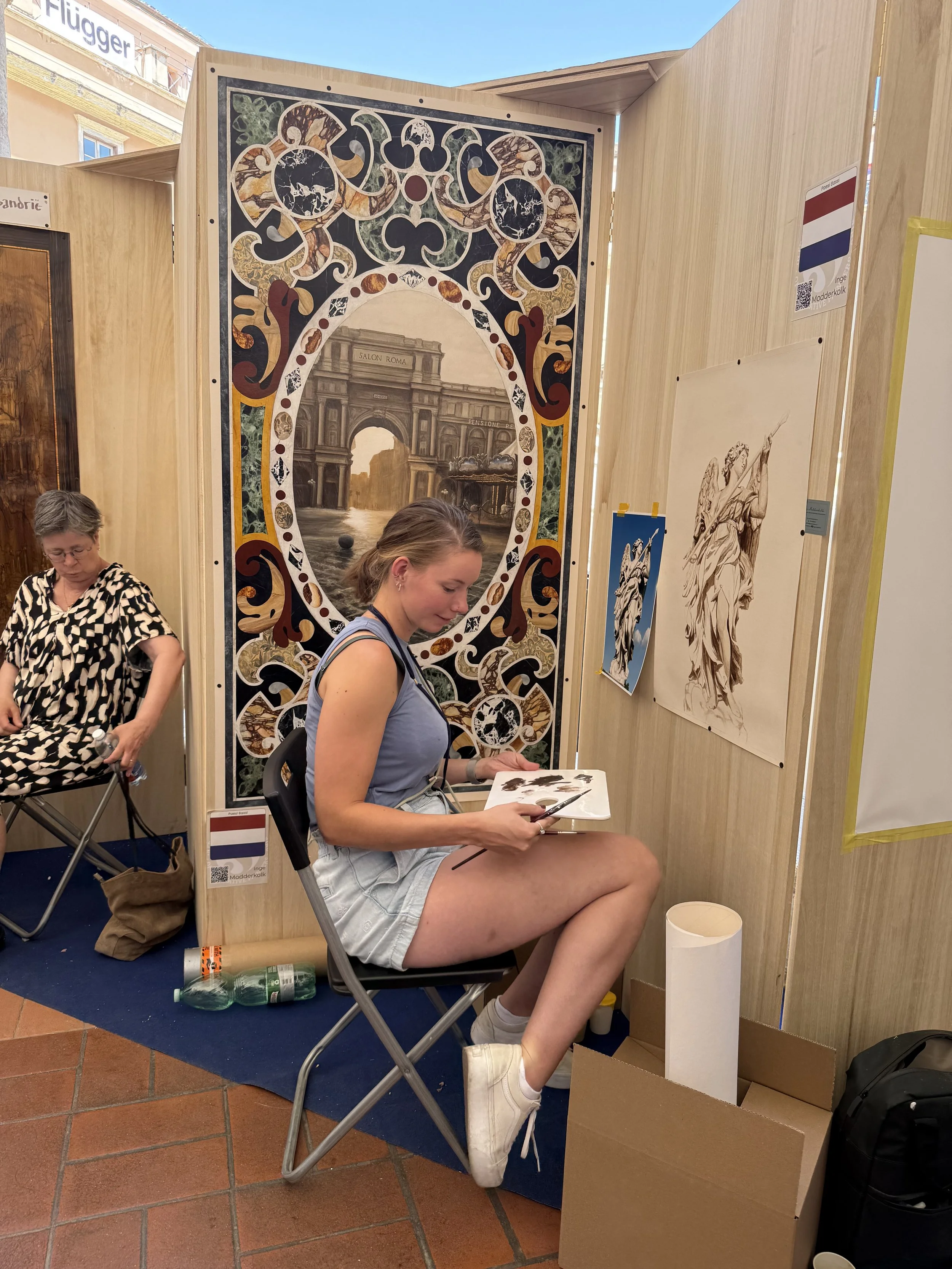
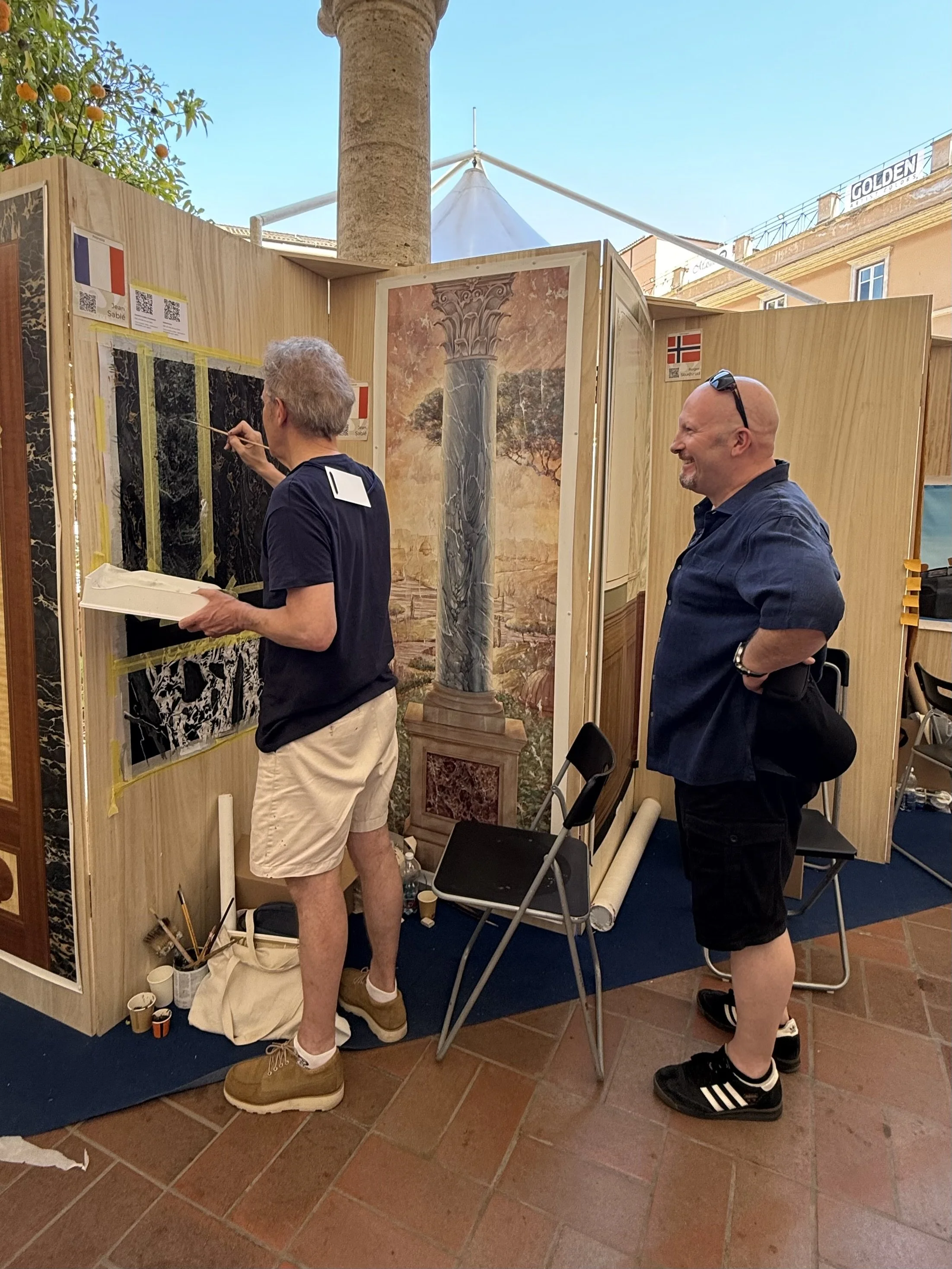
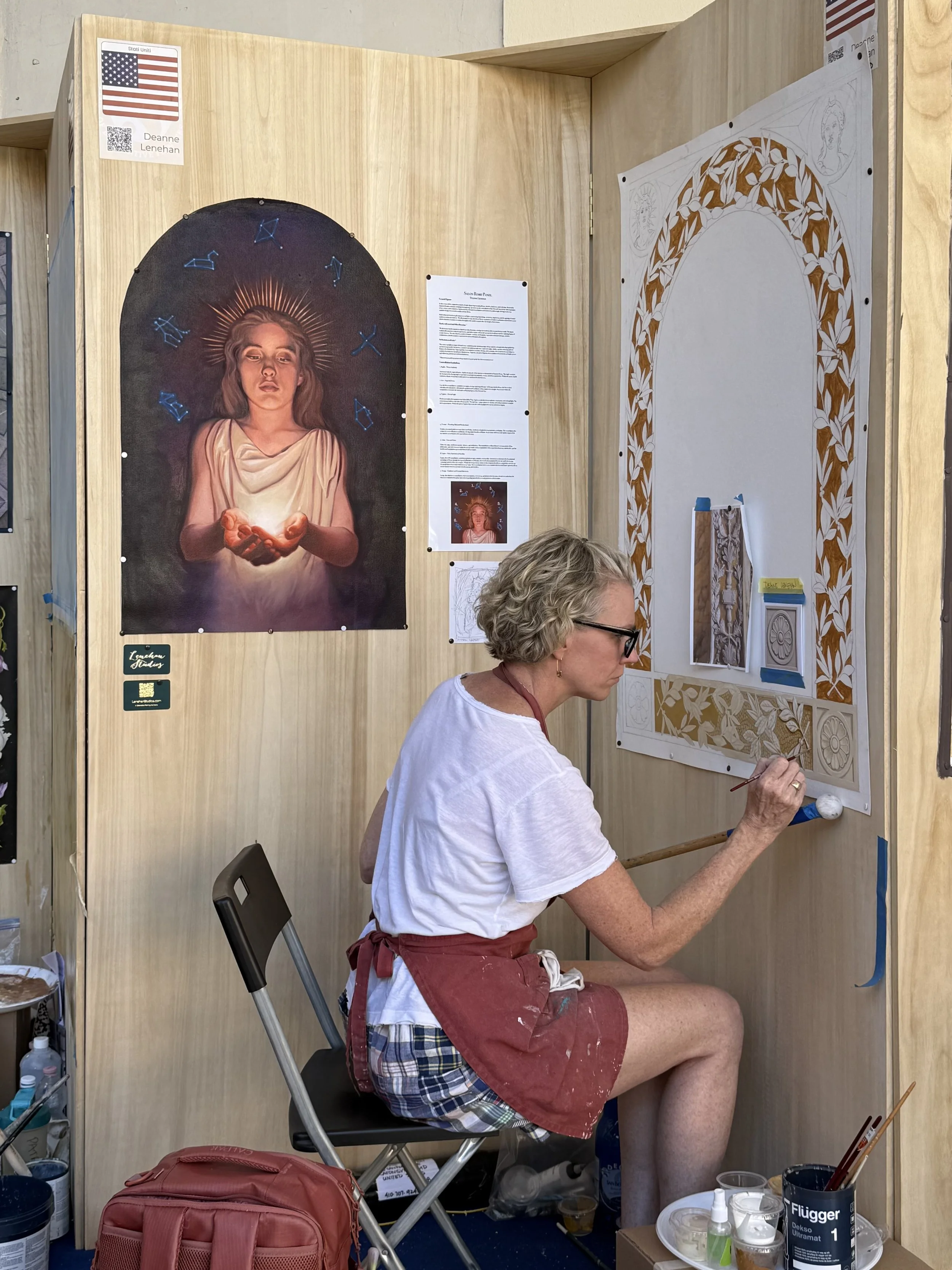
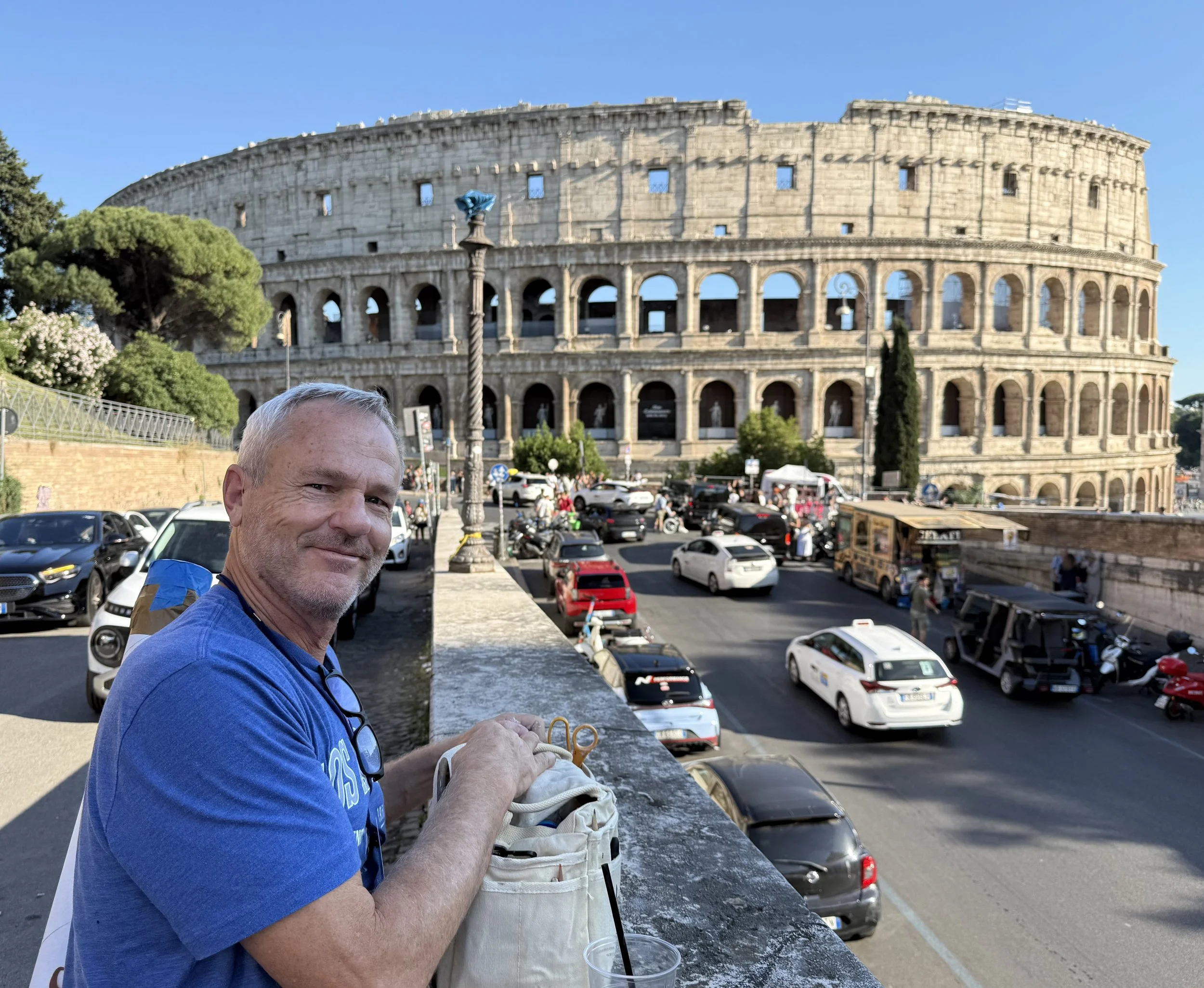
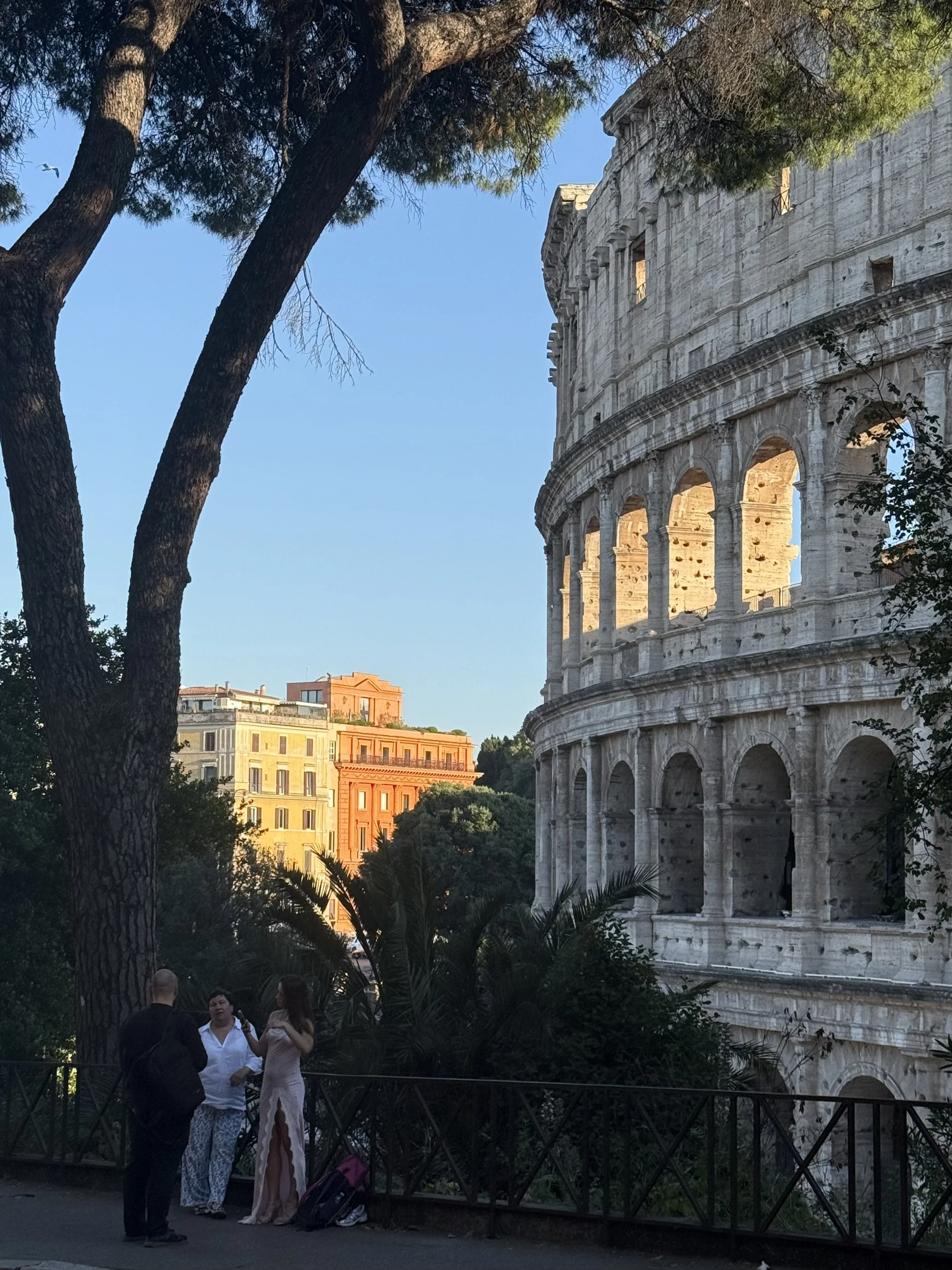
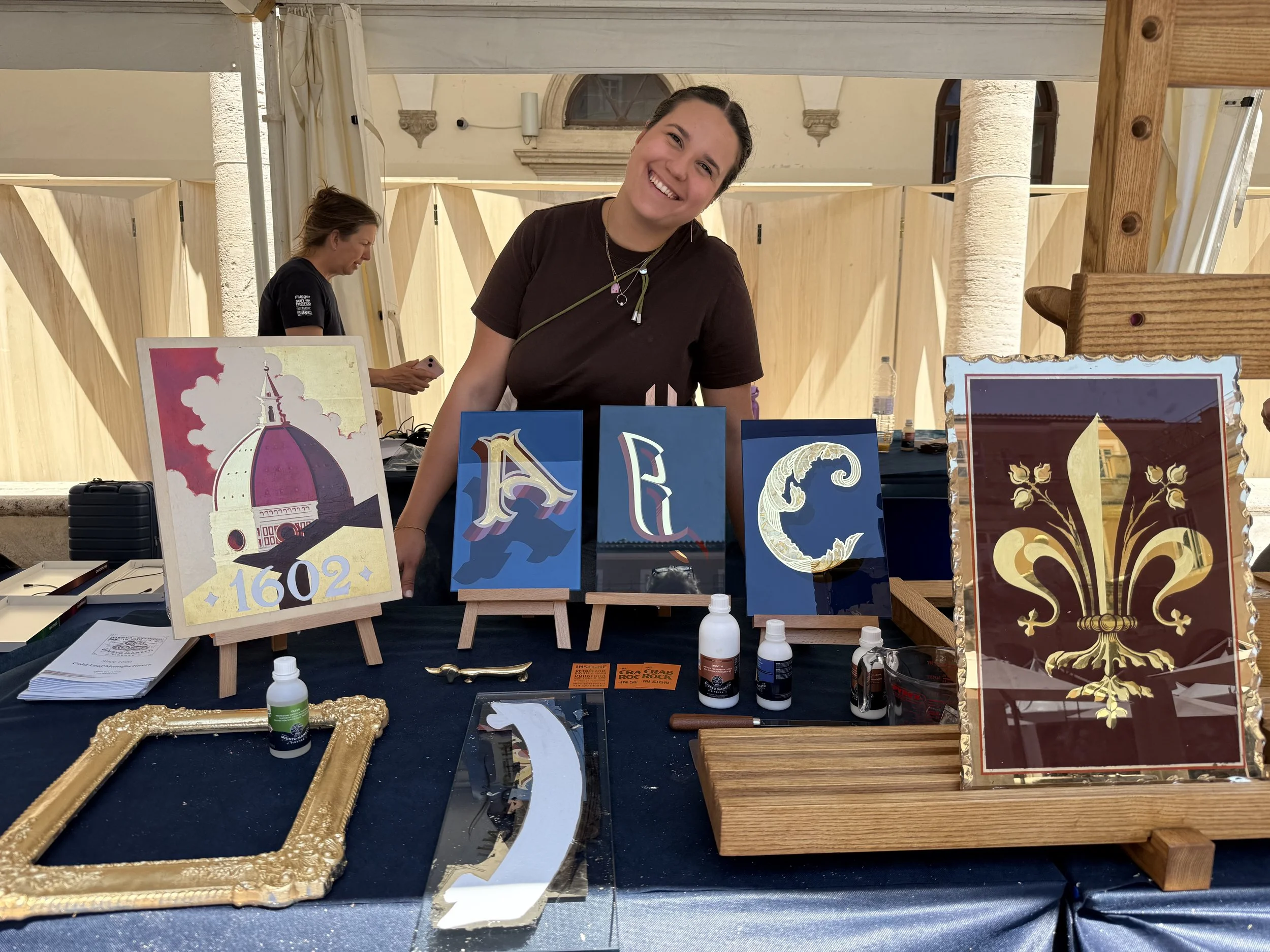
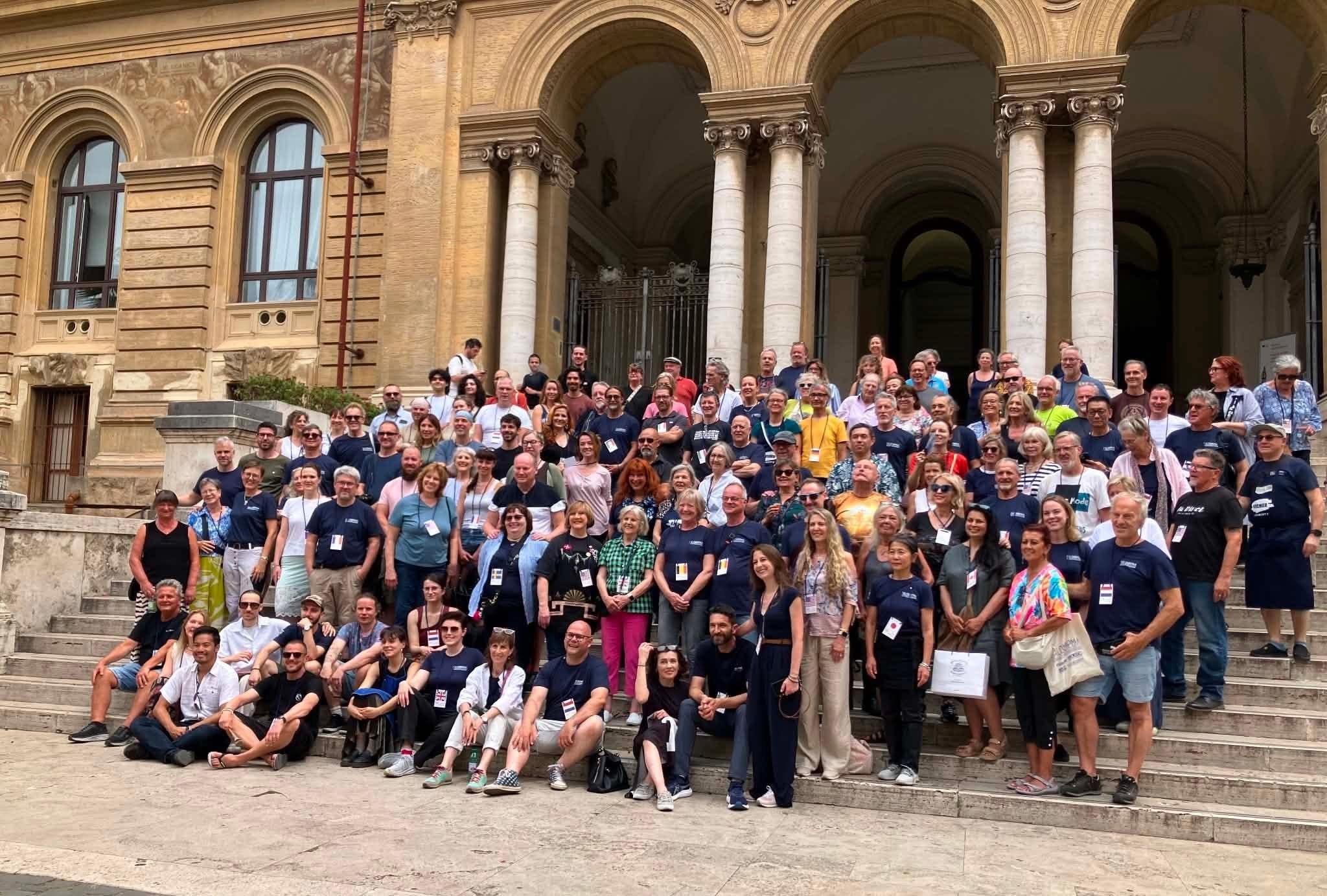
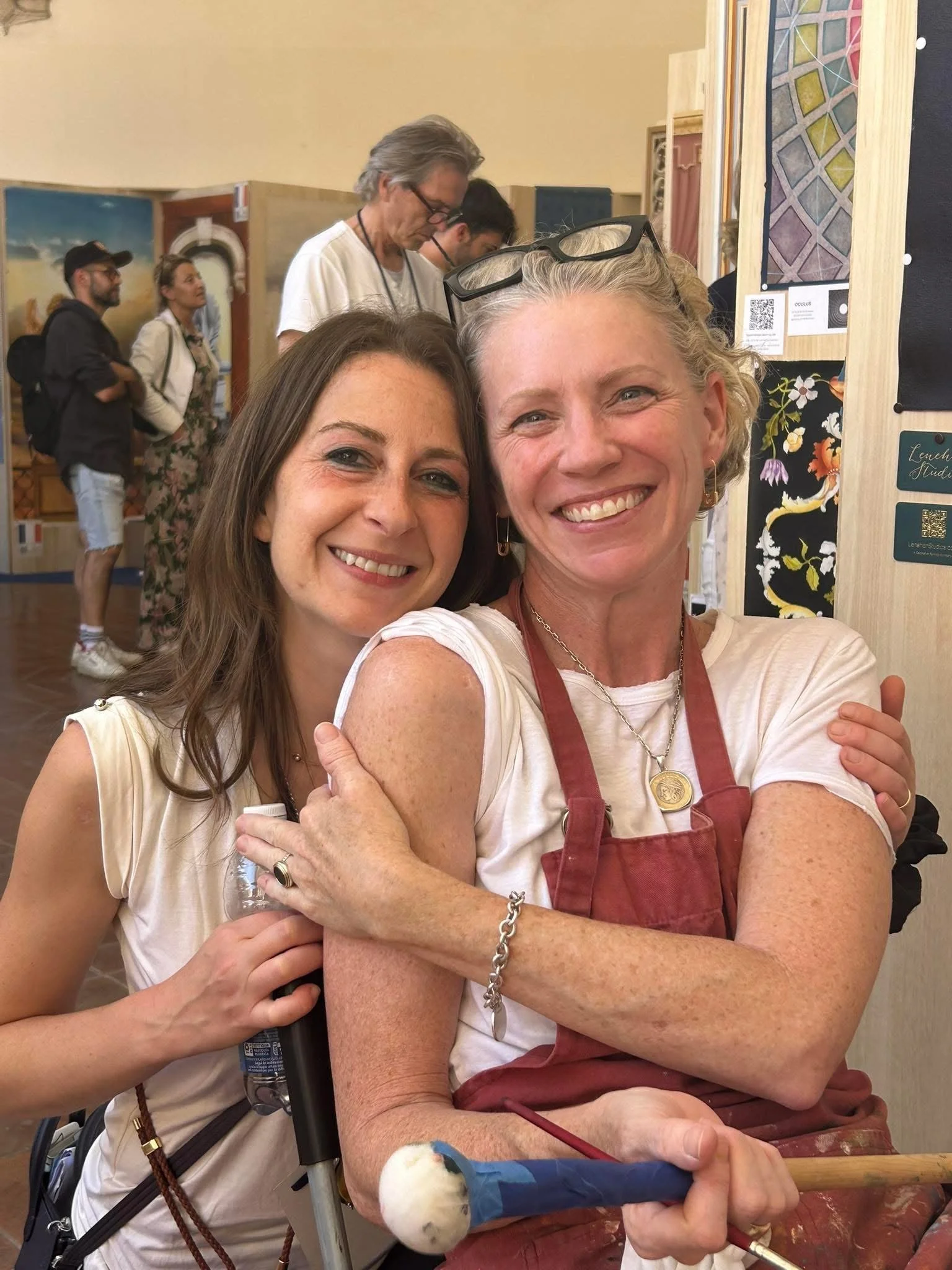
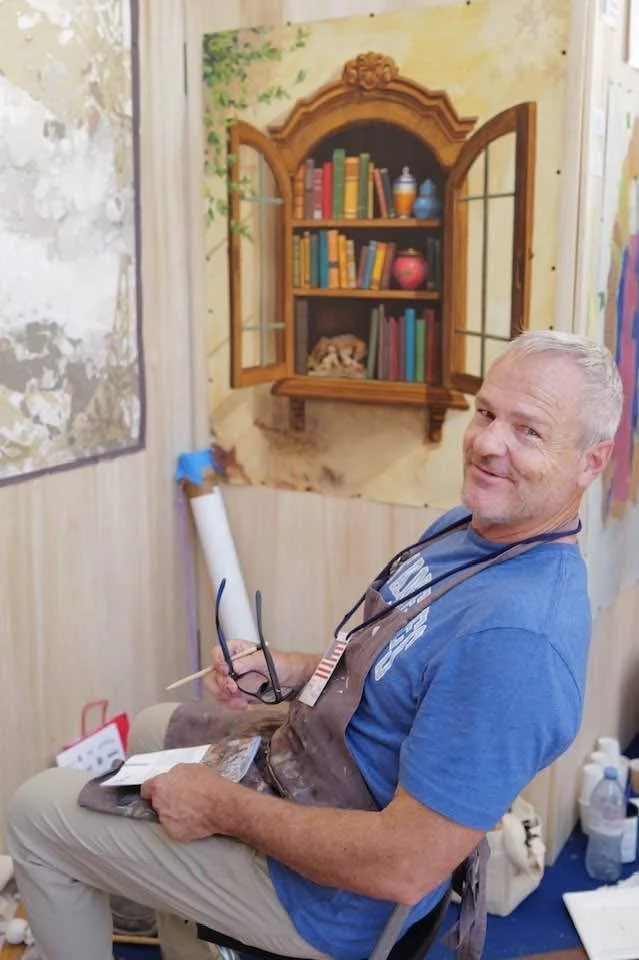
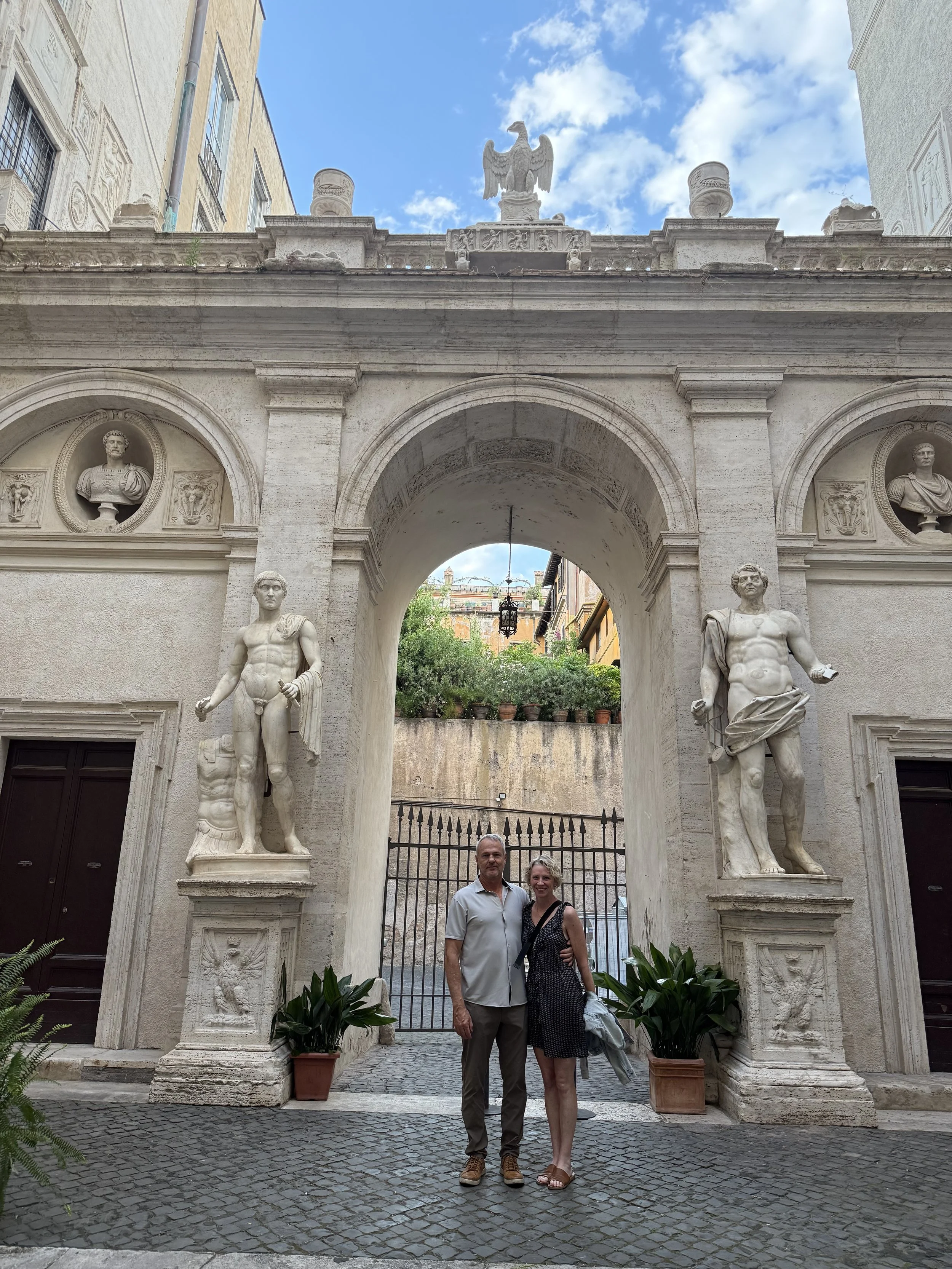
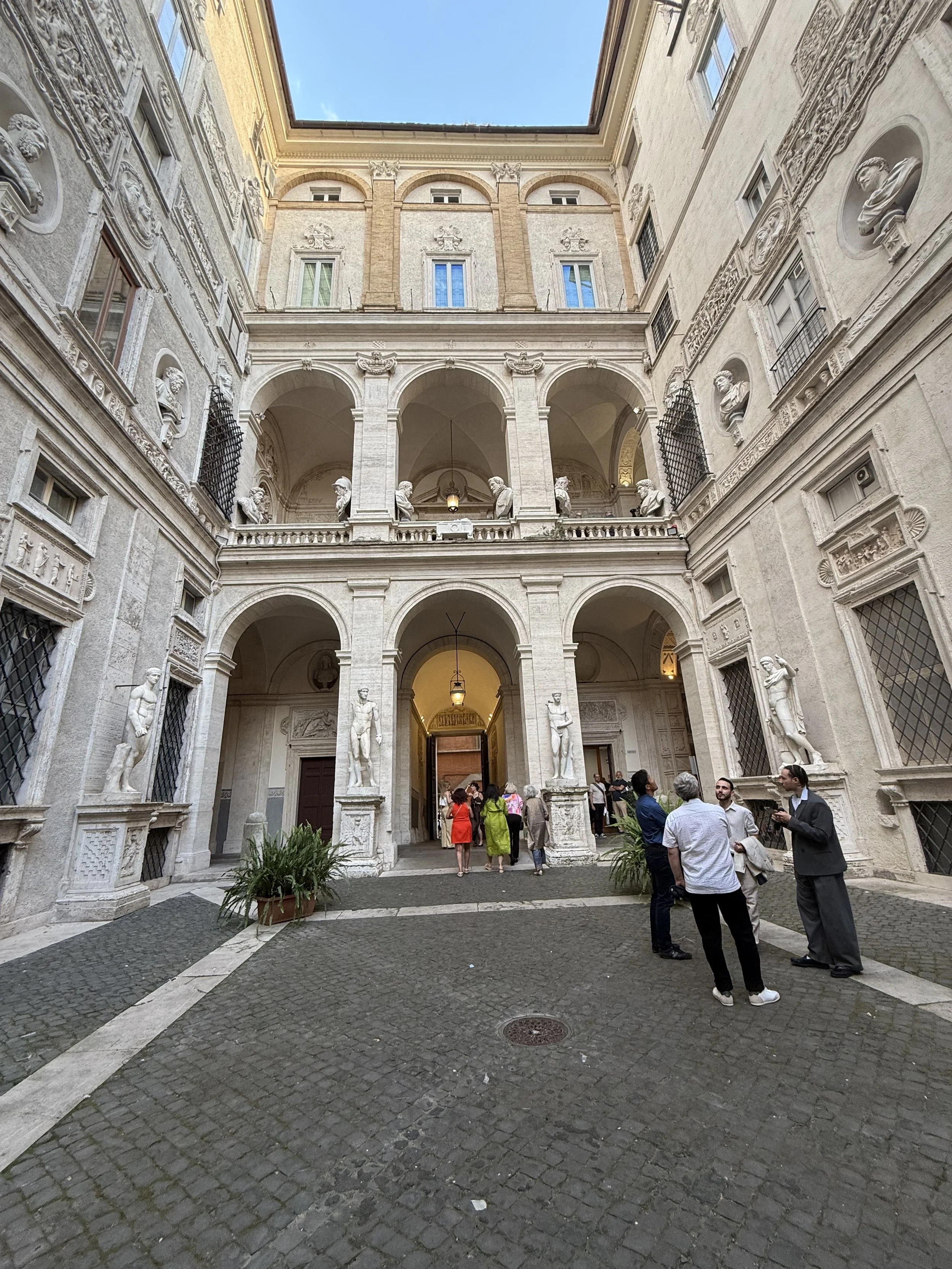
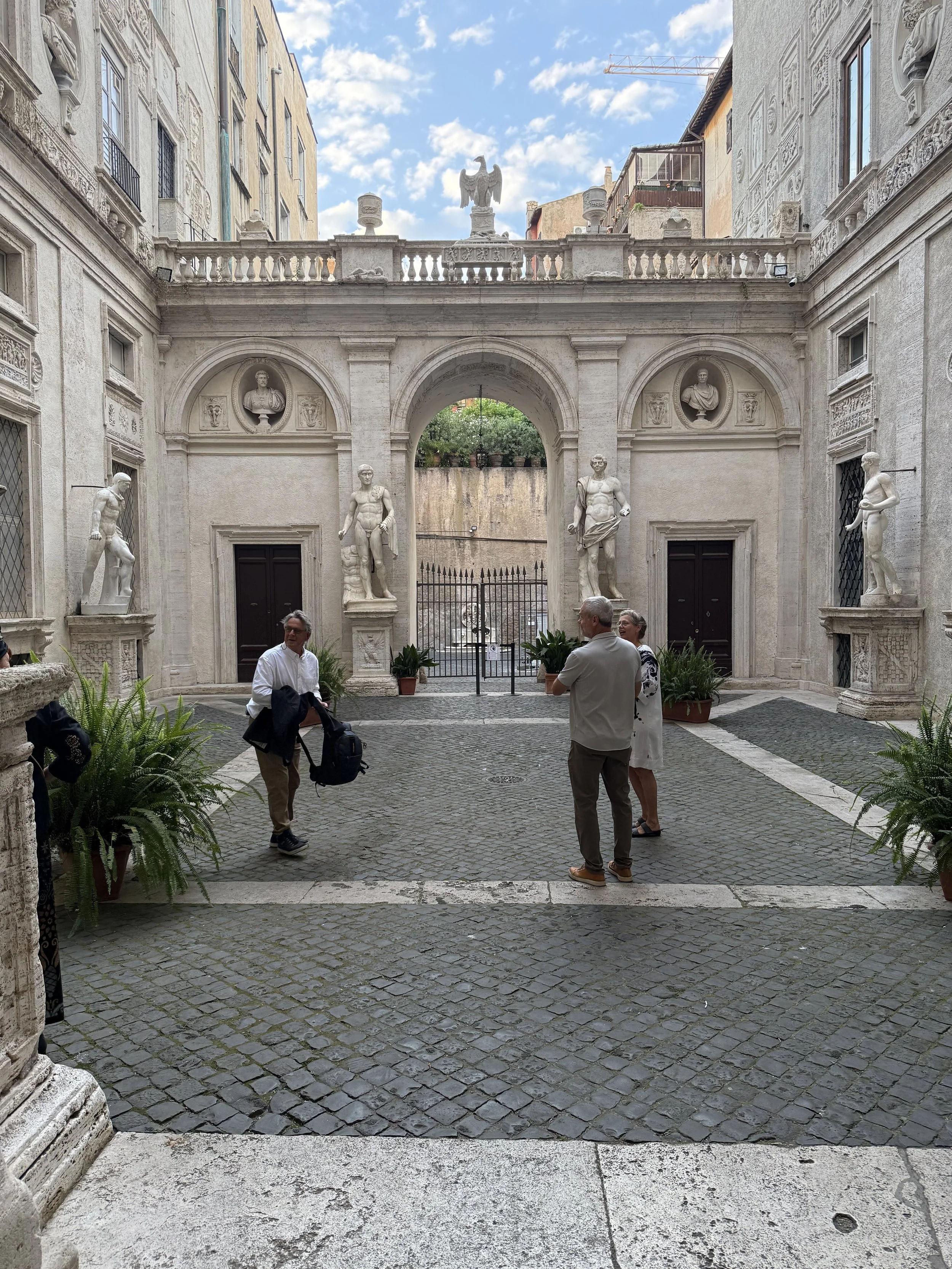
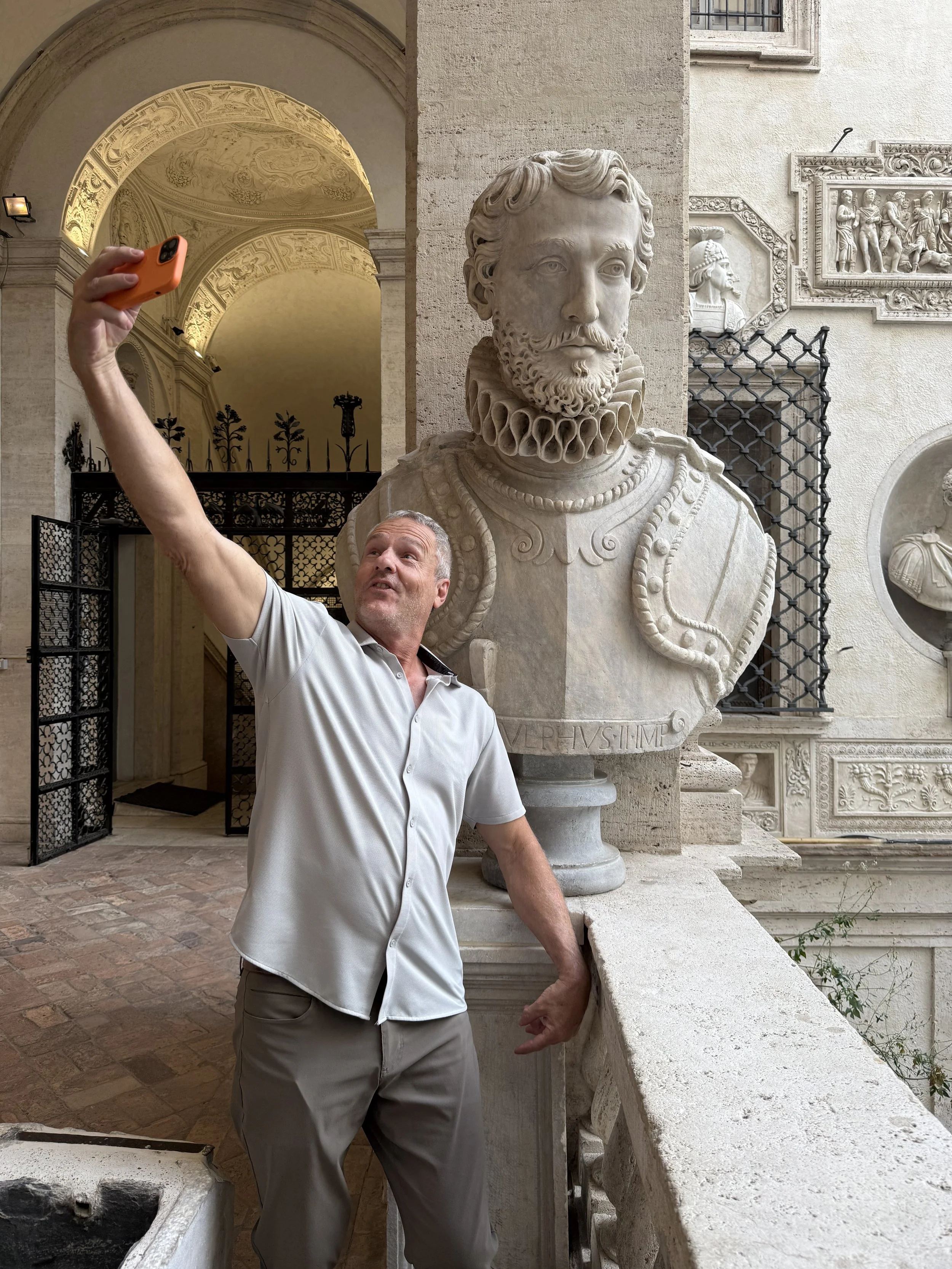
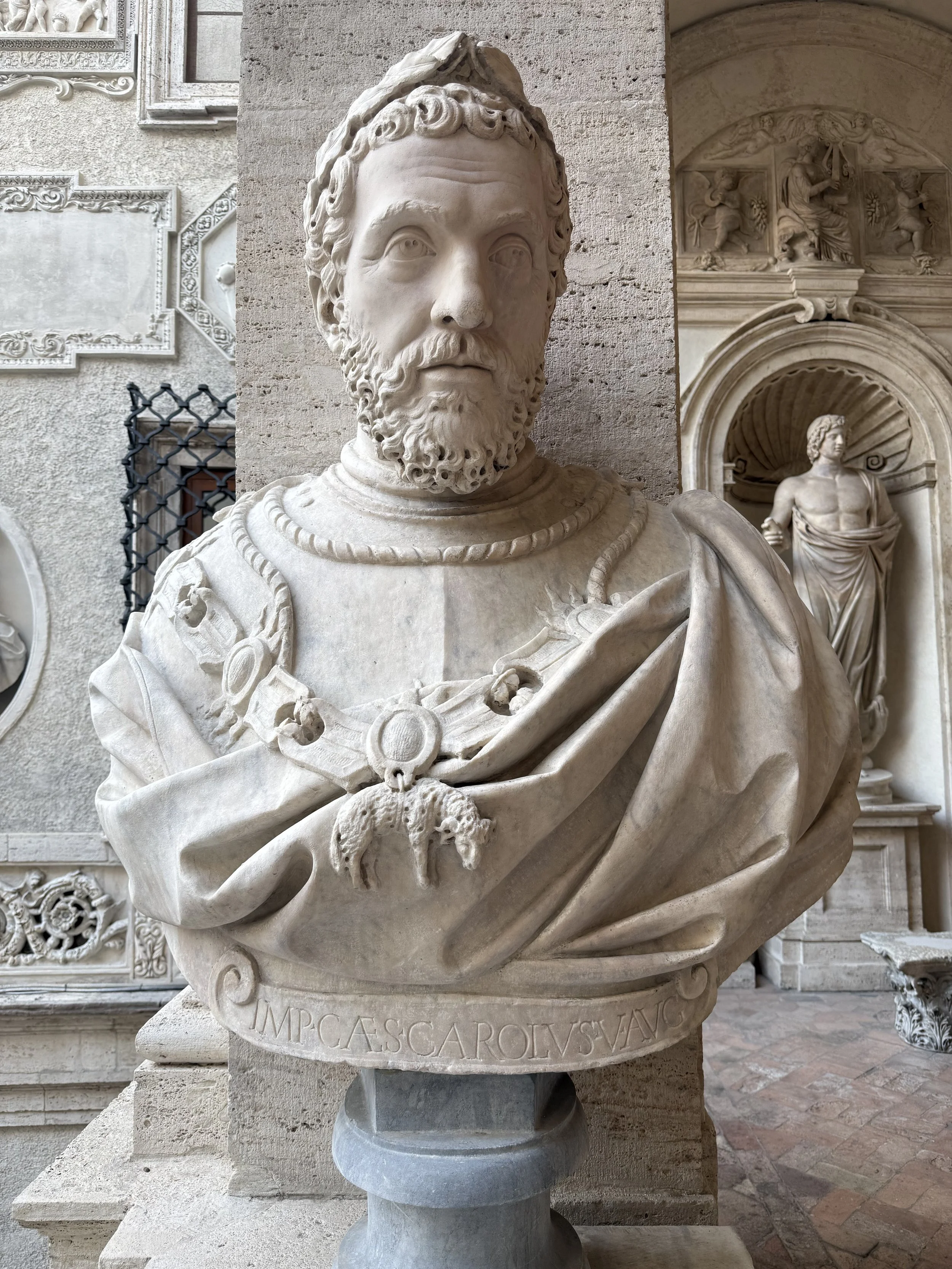
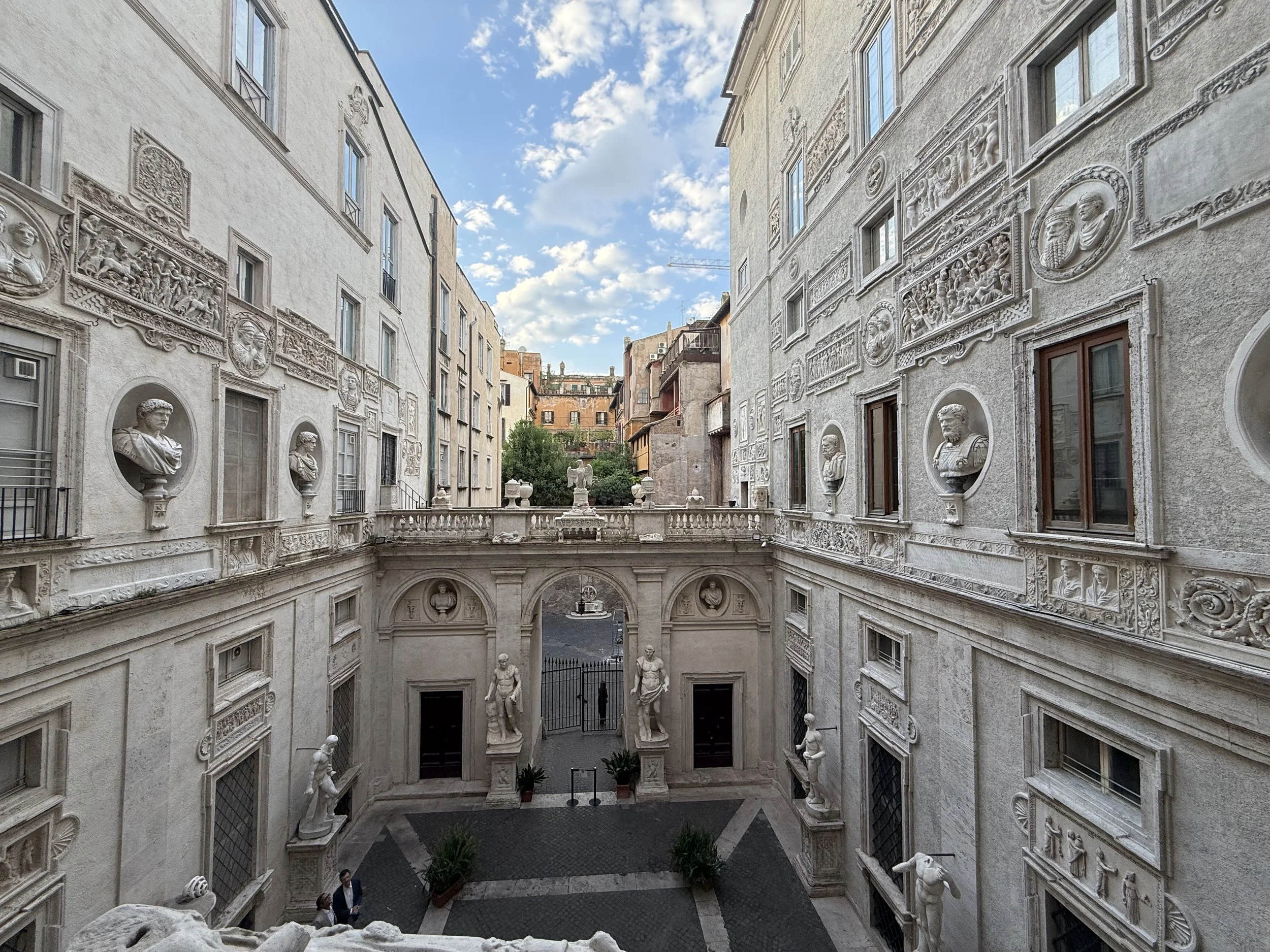
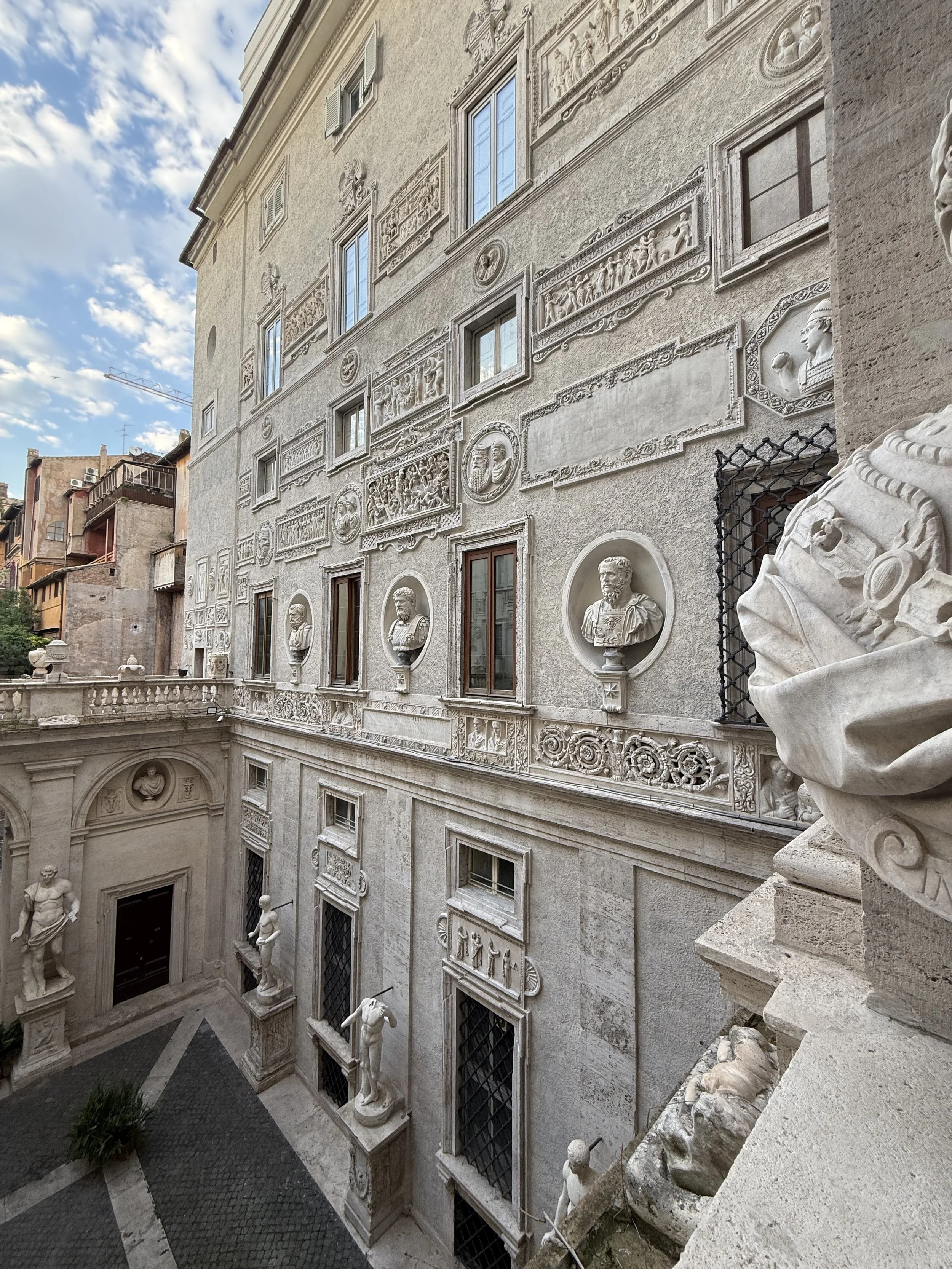
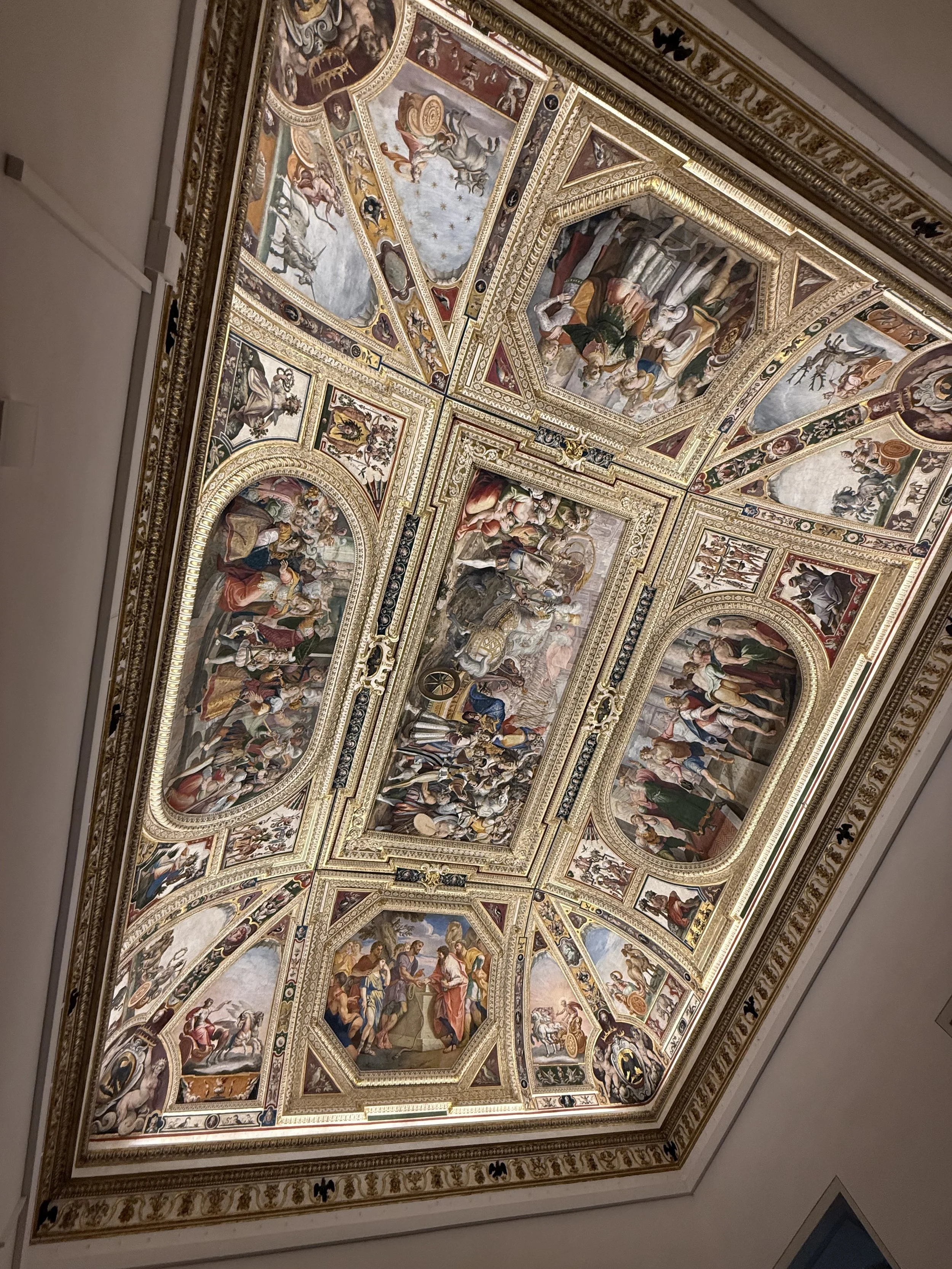
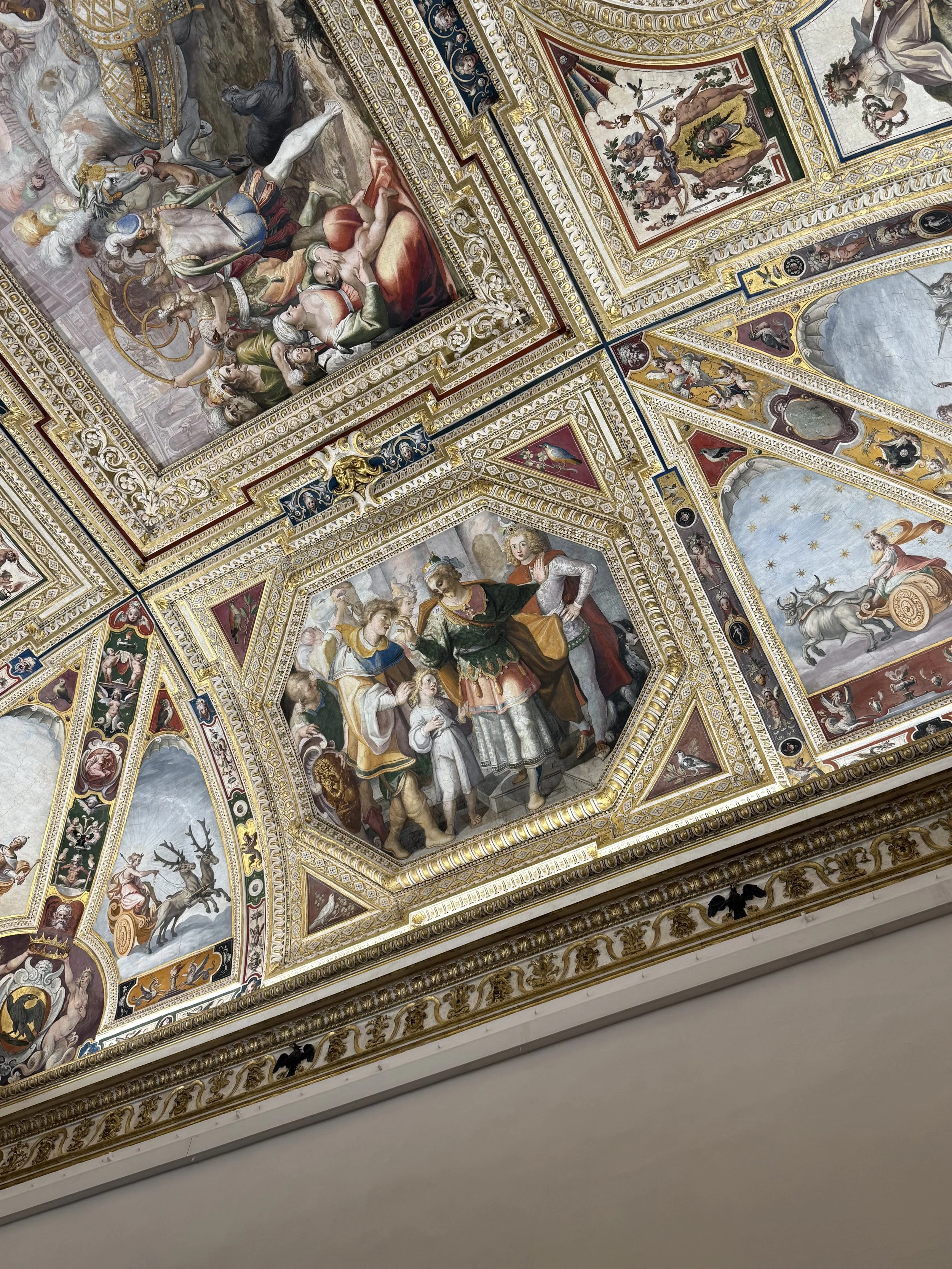
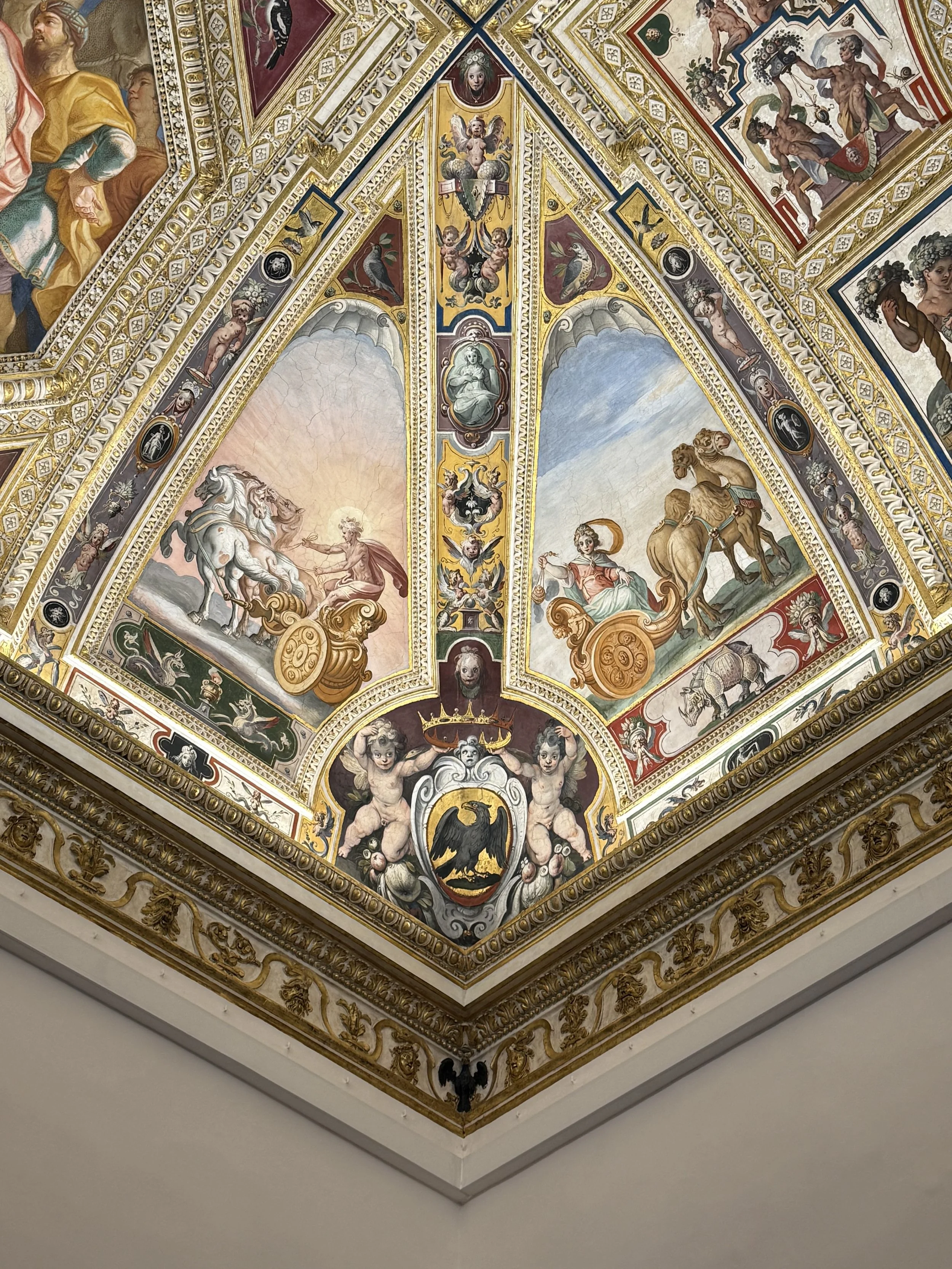
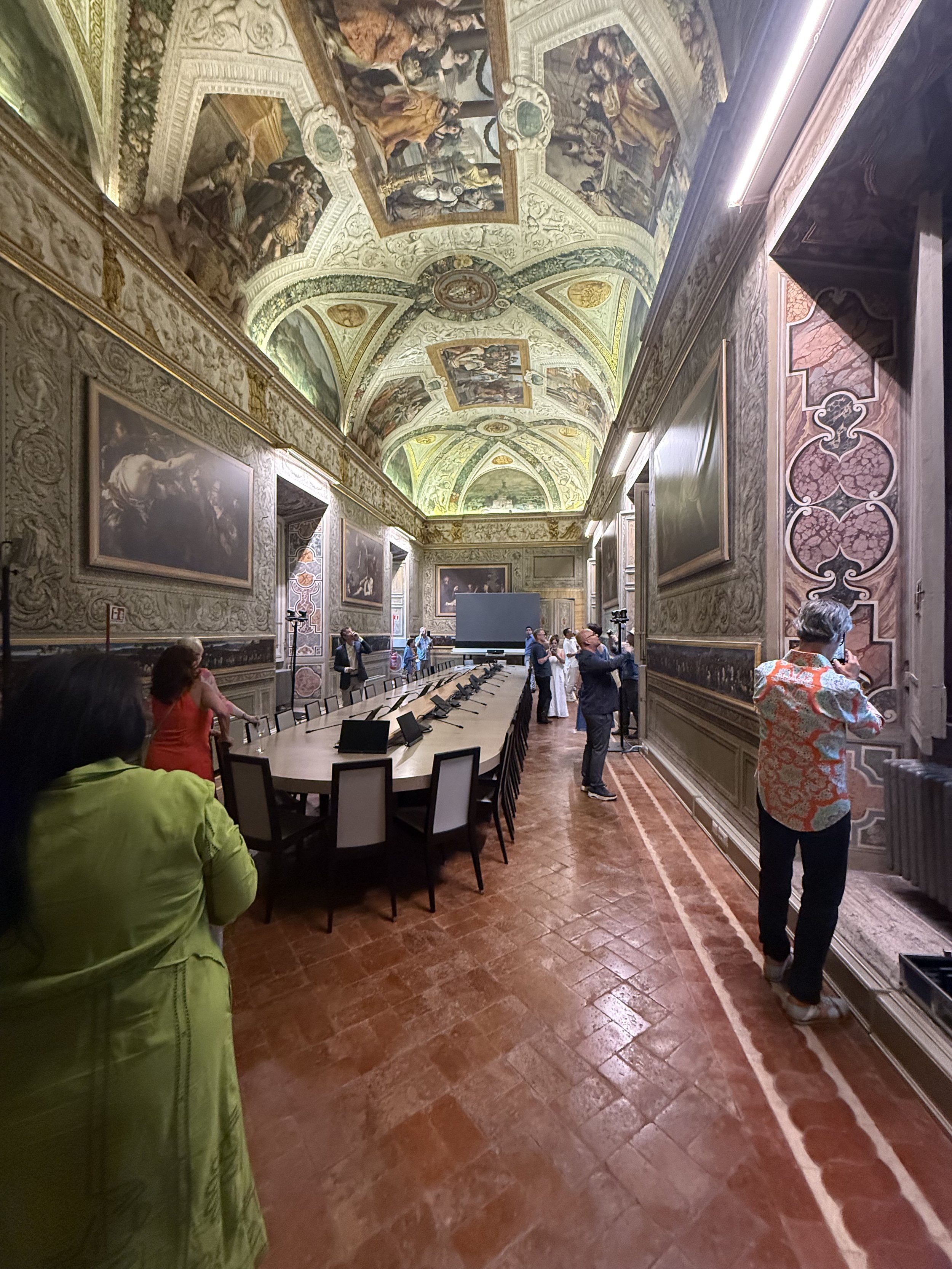
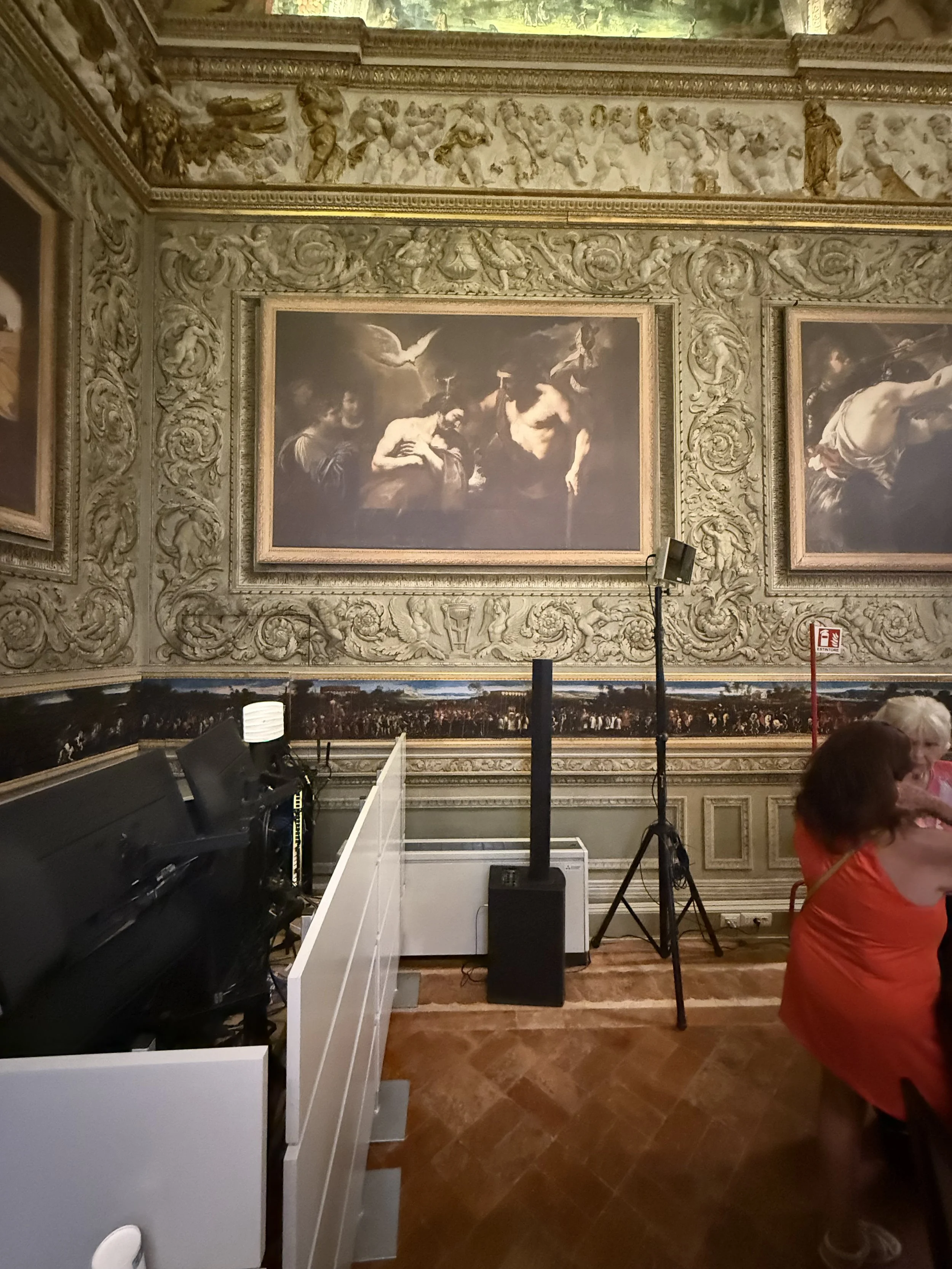
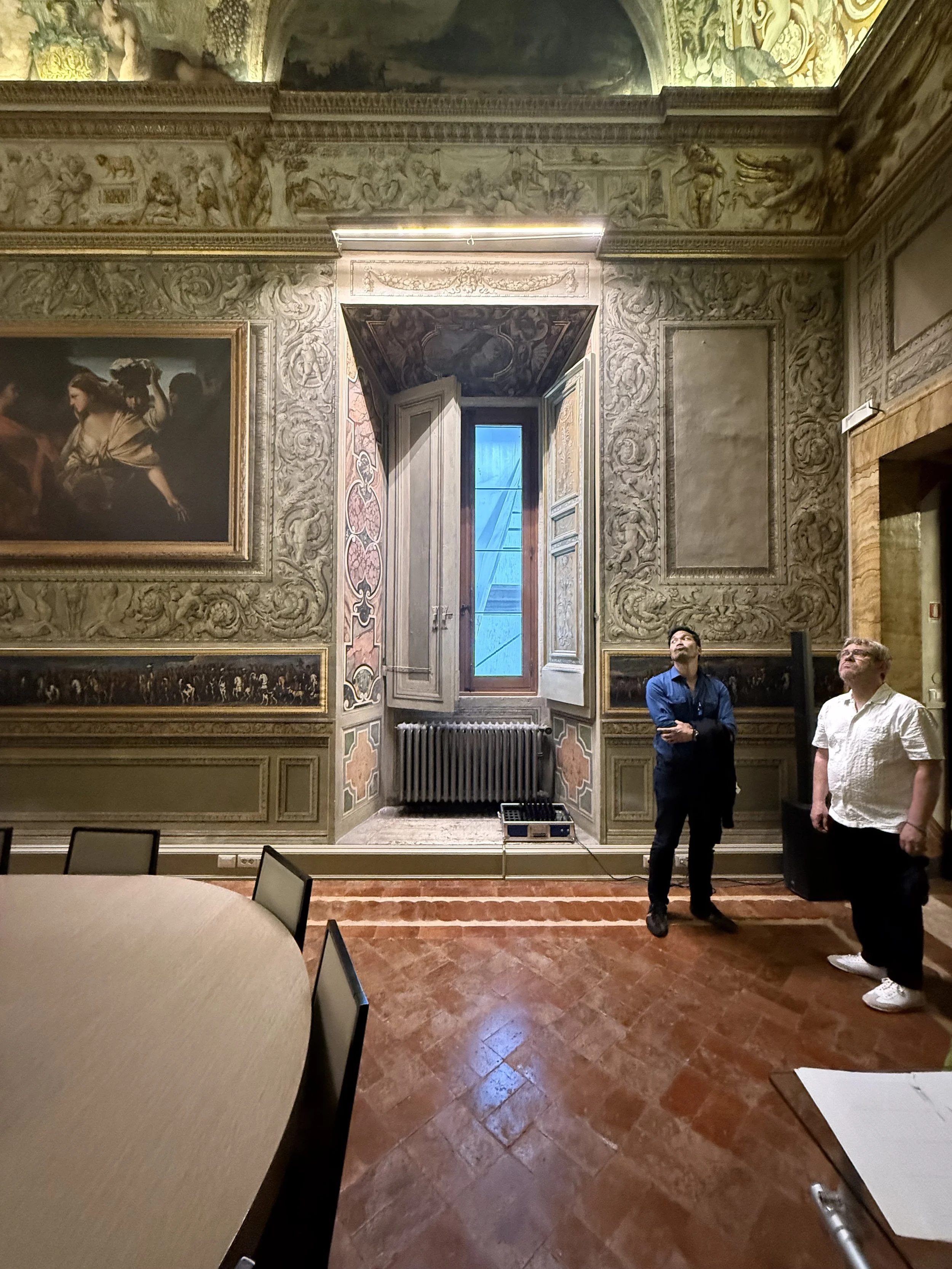
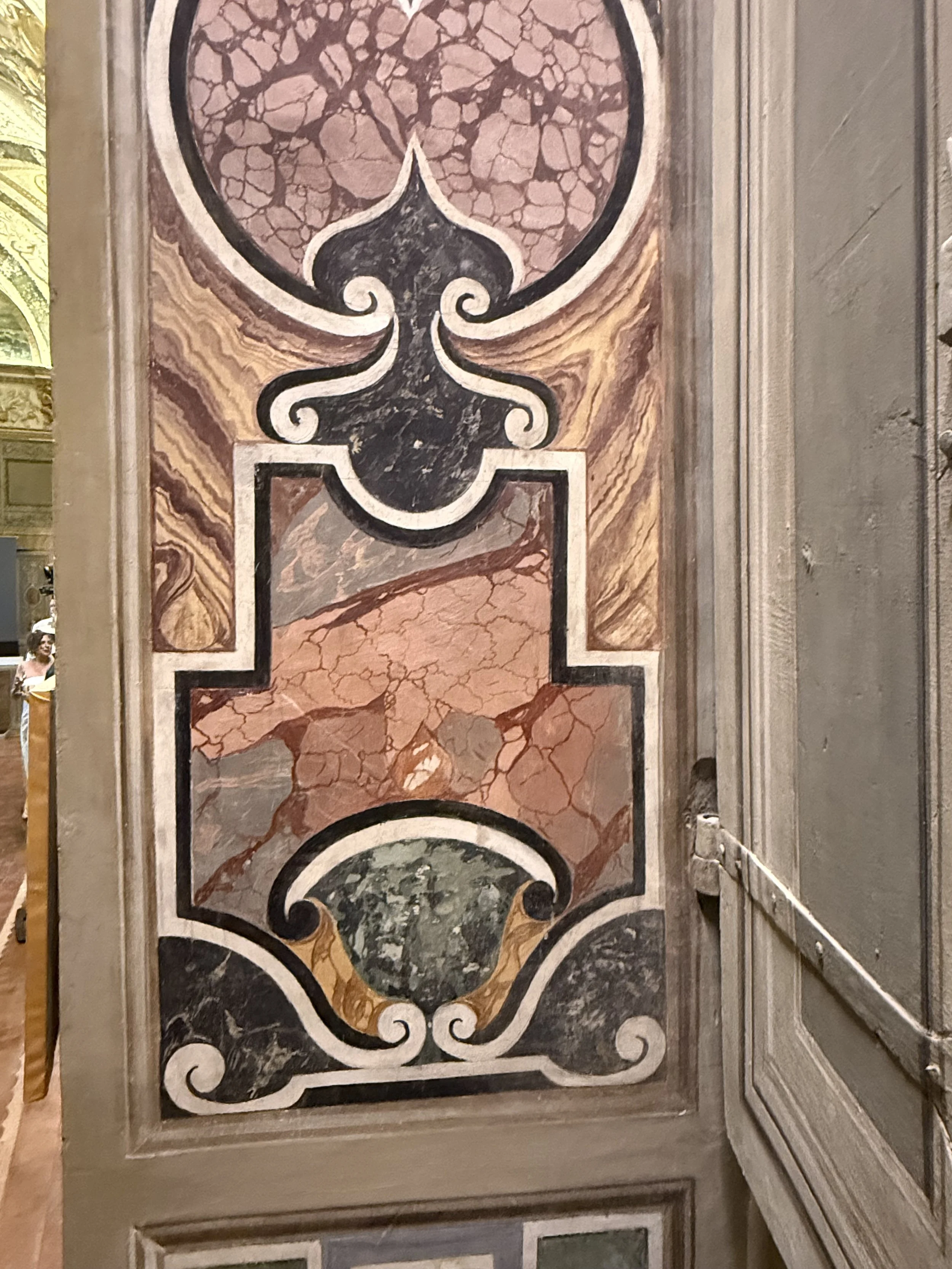
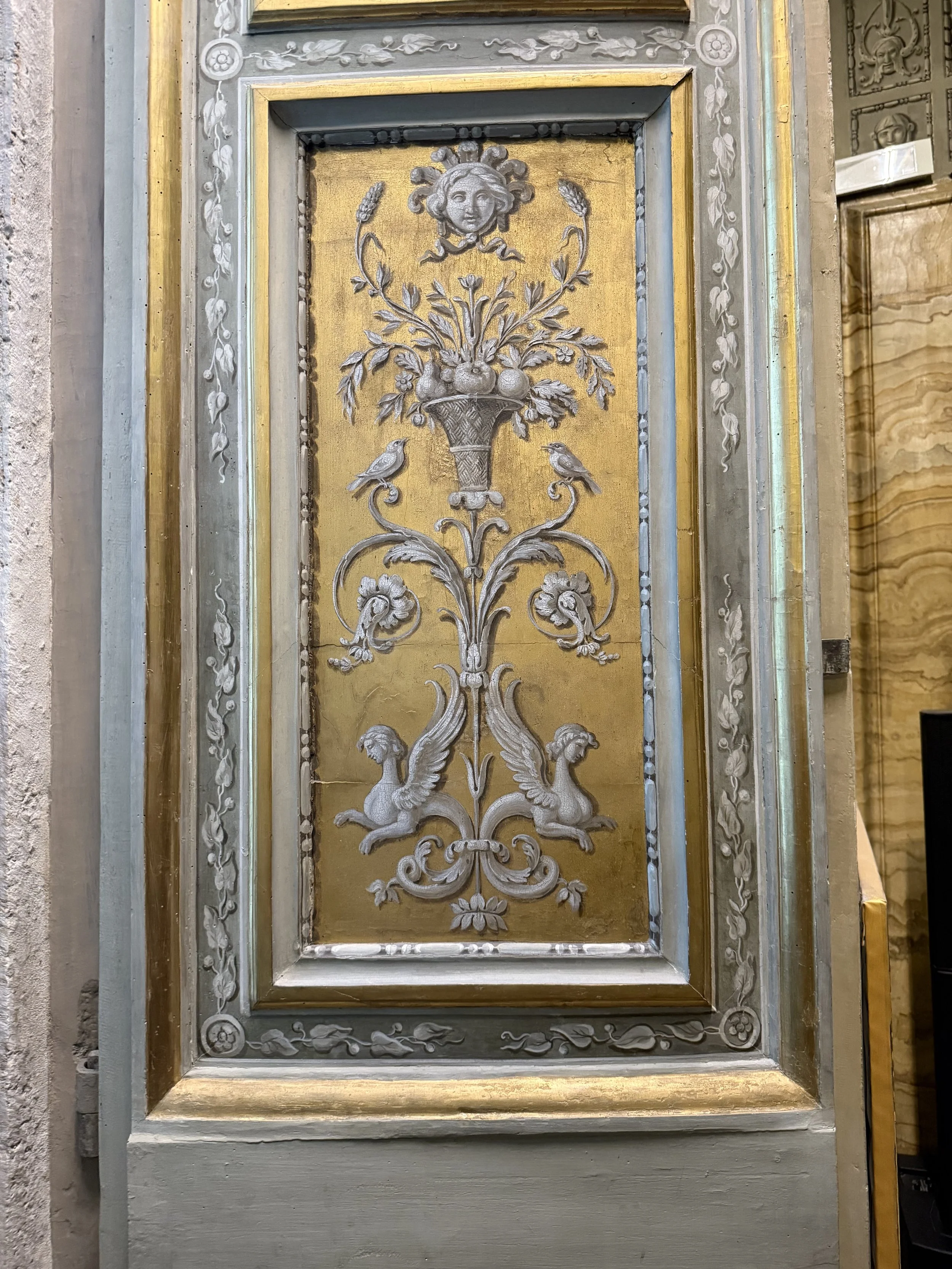
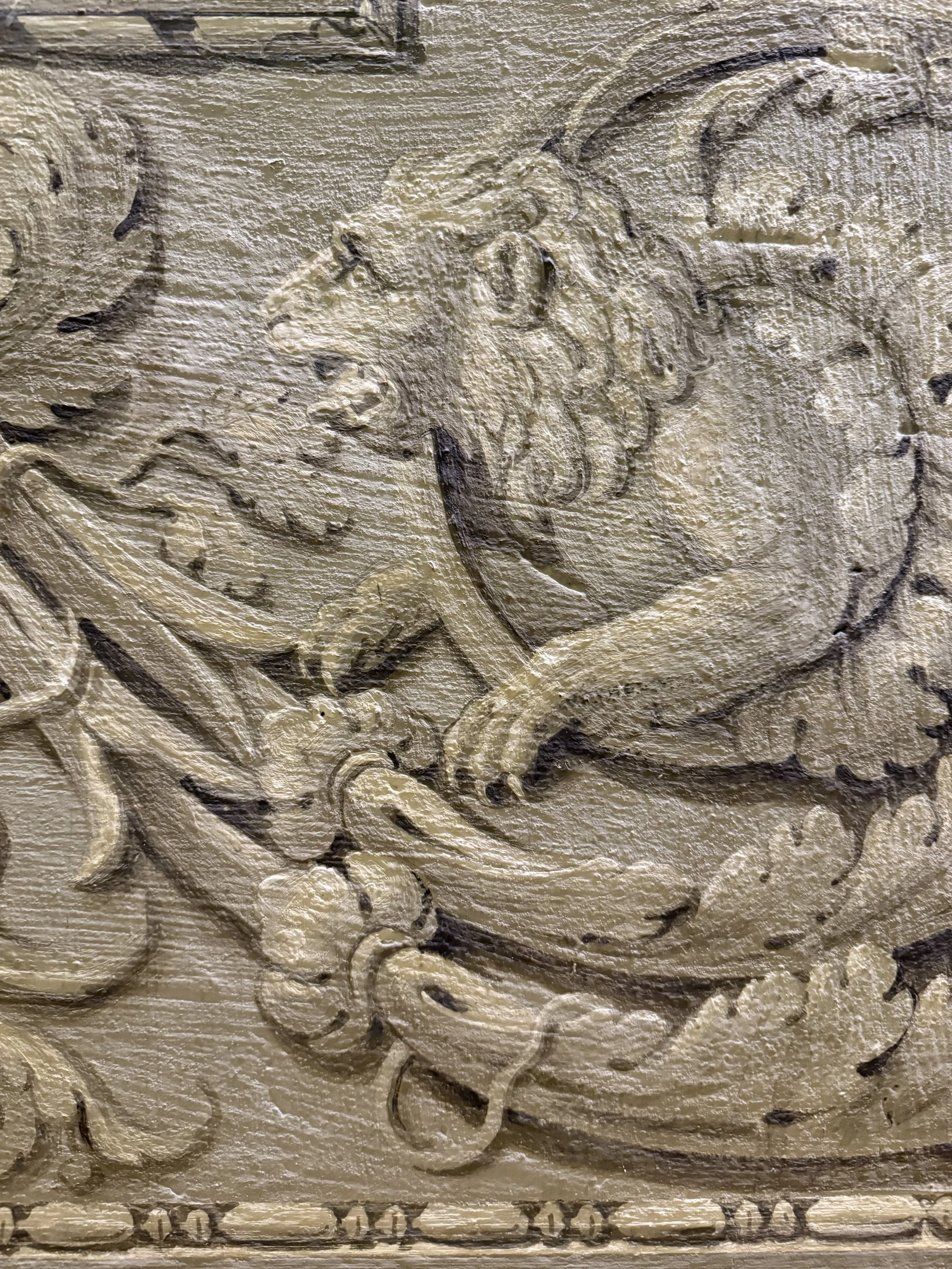
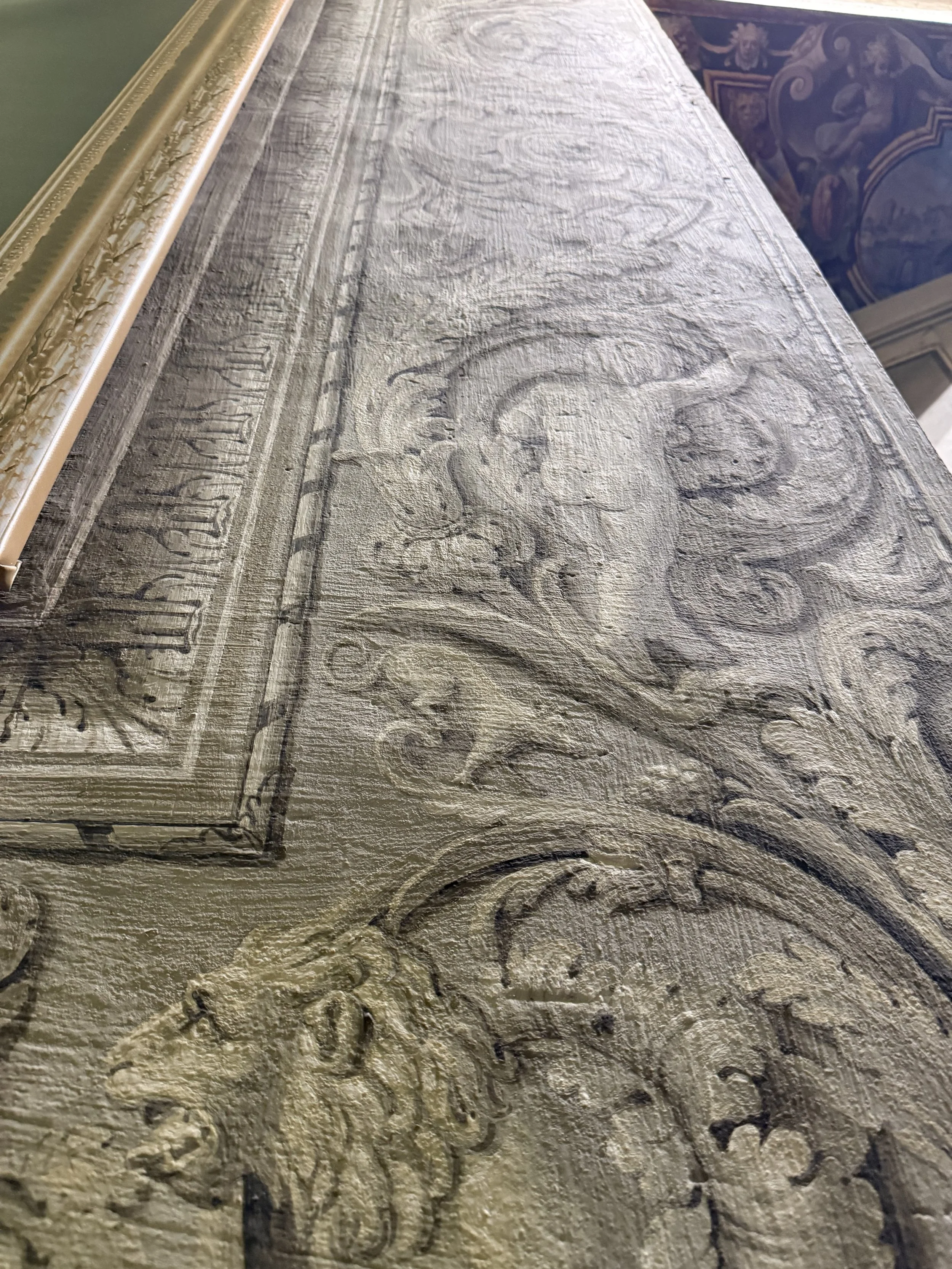
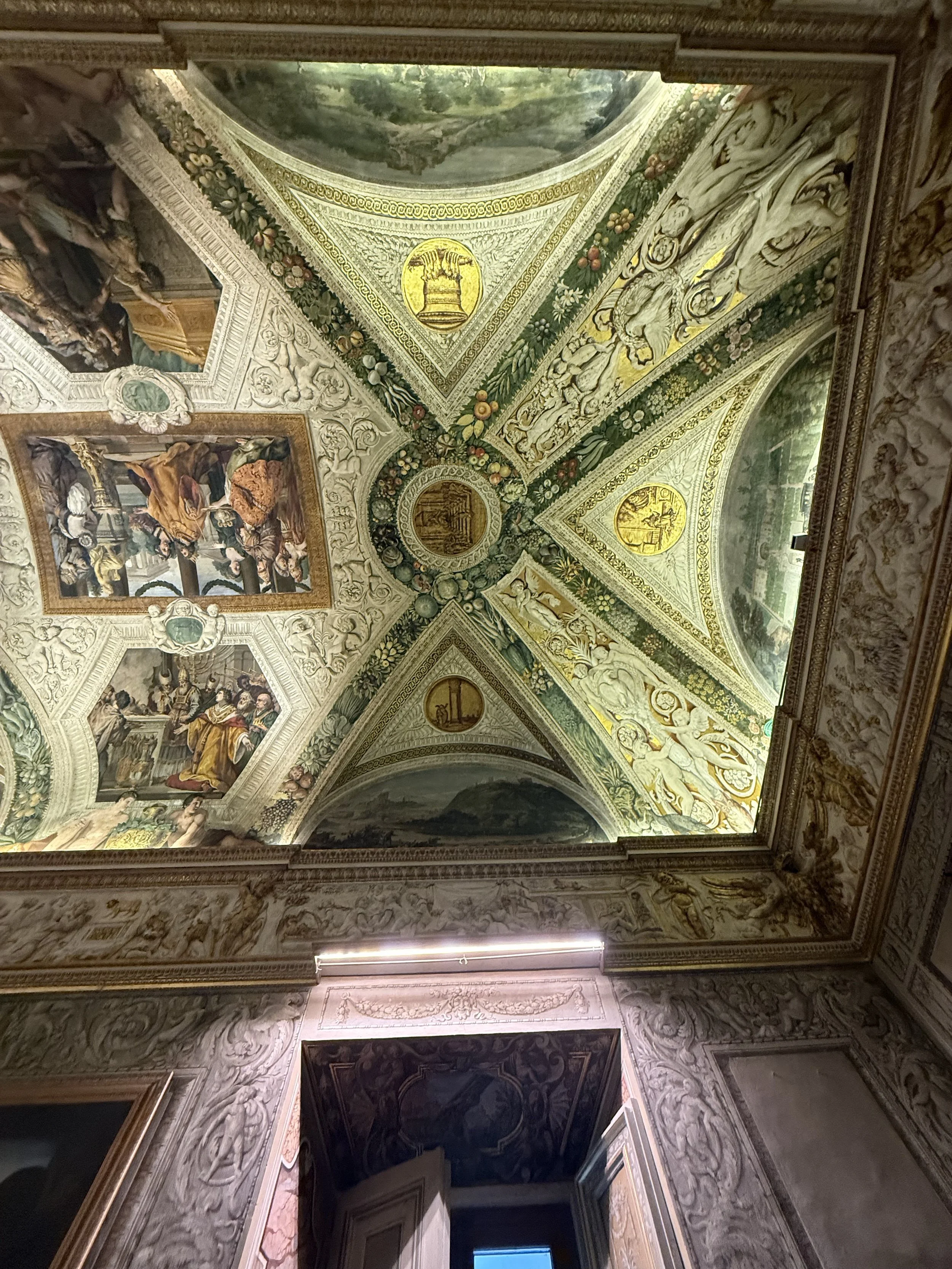
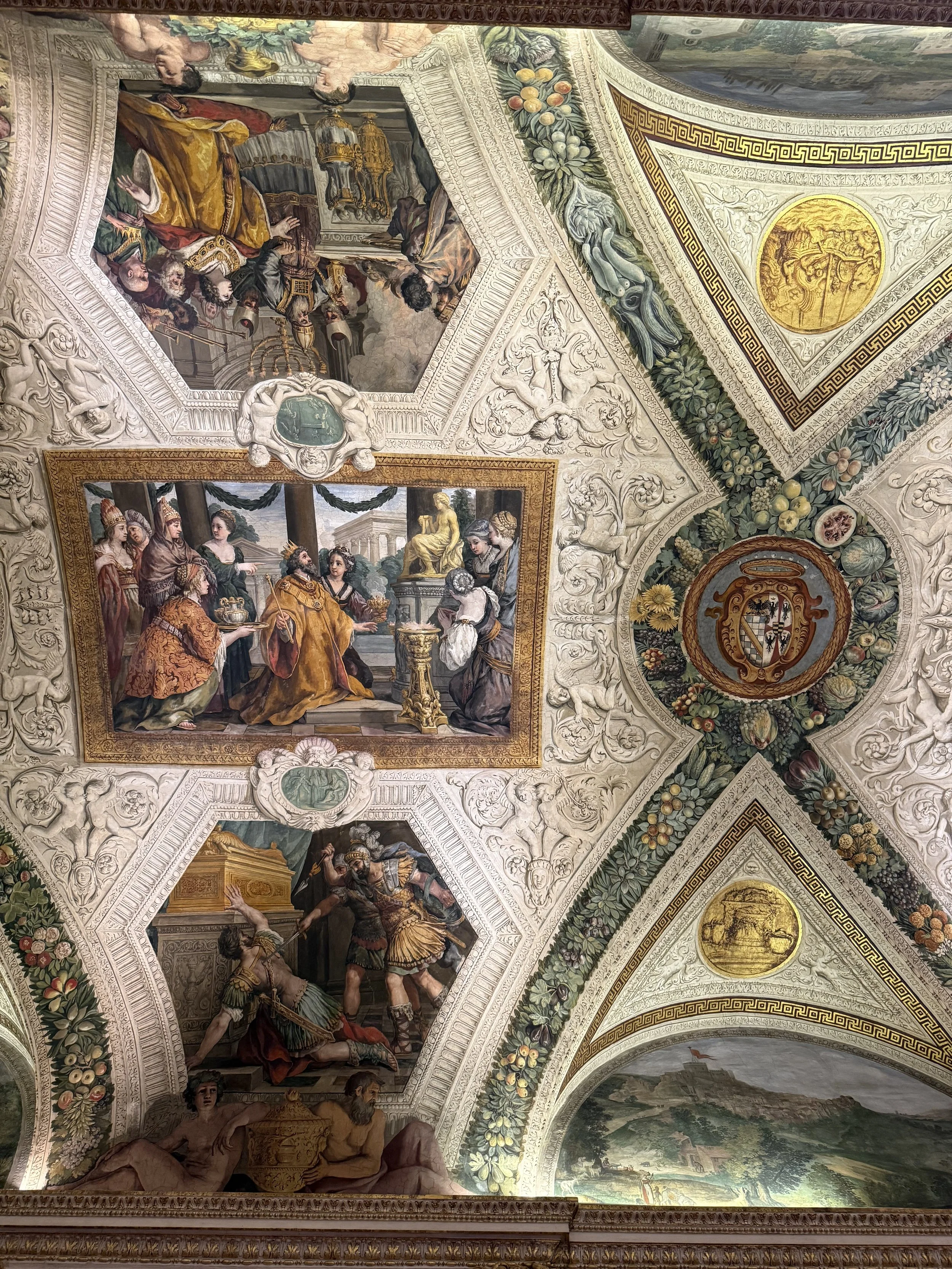
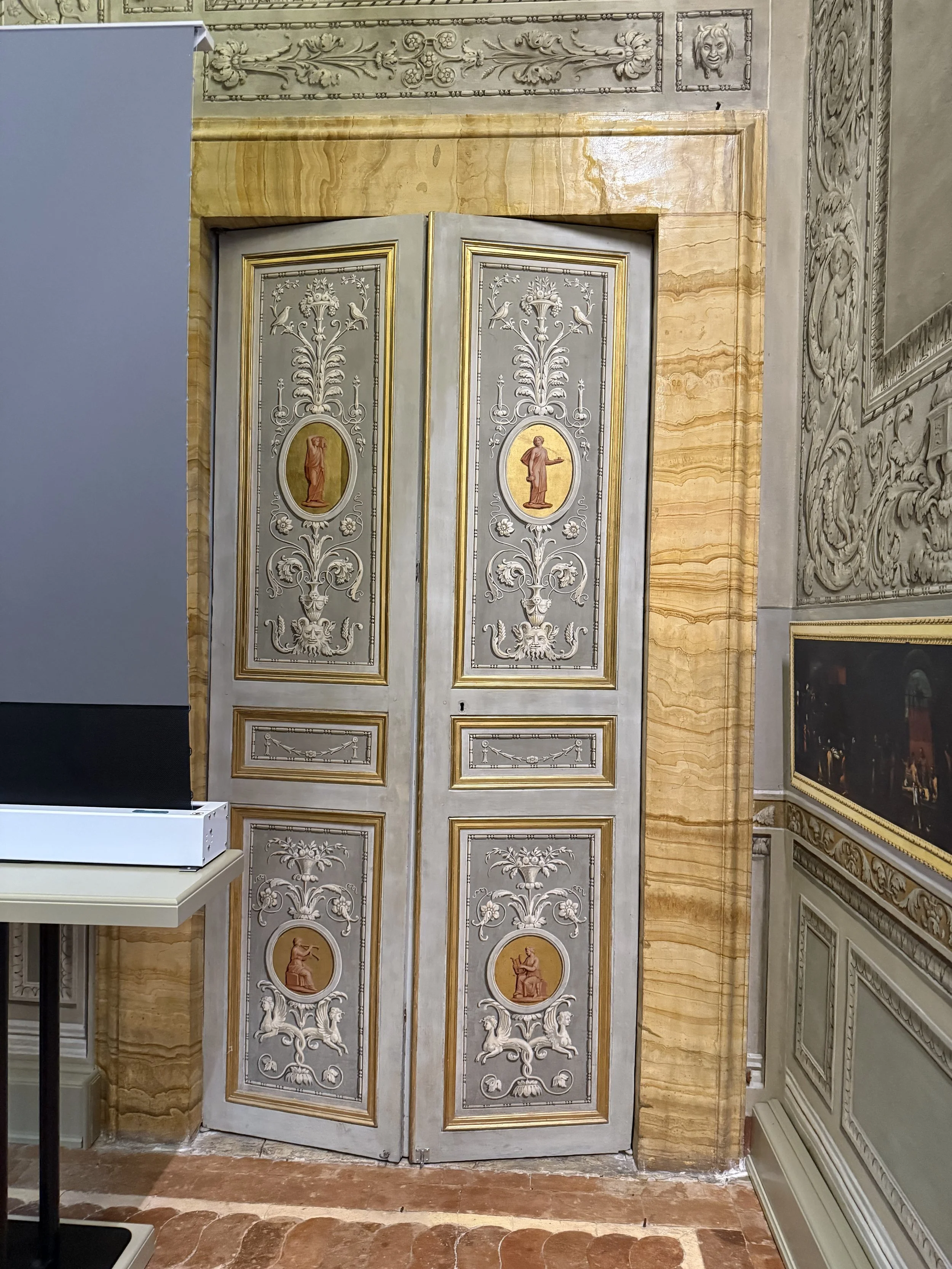
Painting, of course, was only part of the experience. Much of the joy came from reconnecting with old friends and meeting artists from every corner of the world, exchanging ideas, techniques, and stories. That evening we gathered for the opening dinner inside the beautiful Palazzo Mattei di Giove, now home to the American Academy Library. Surrounded by frescoes, murals, and richly painted grottesche, it felt like dining inside a work of art.
The Vatican and Basilica of St. Peter
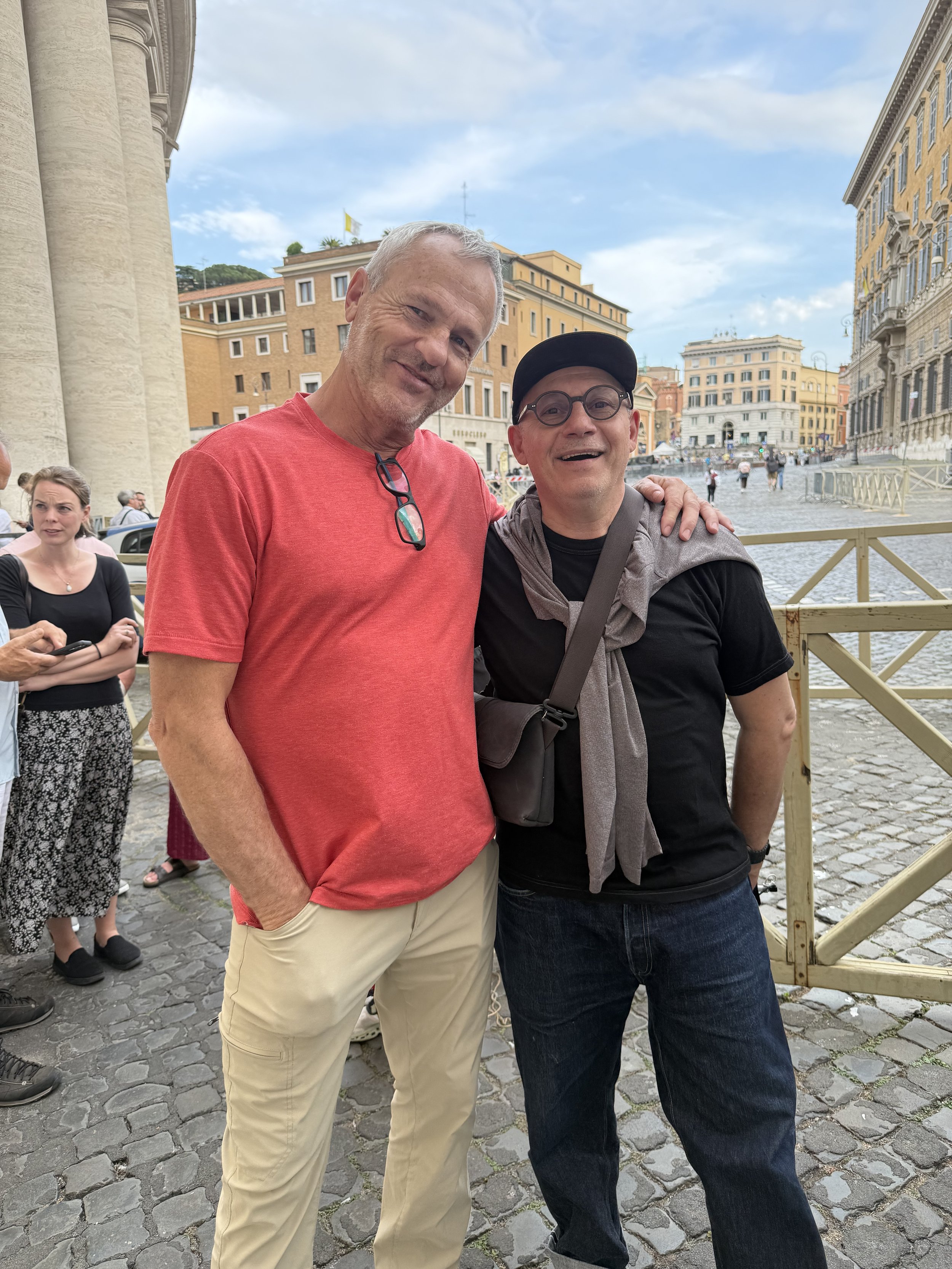
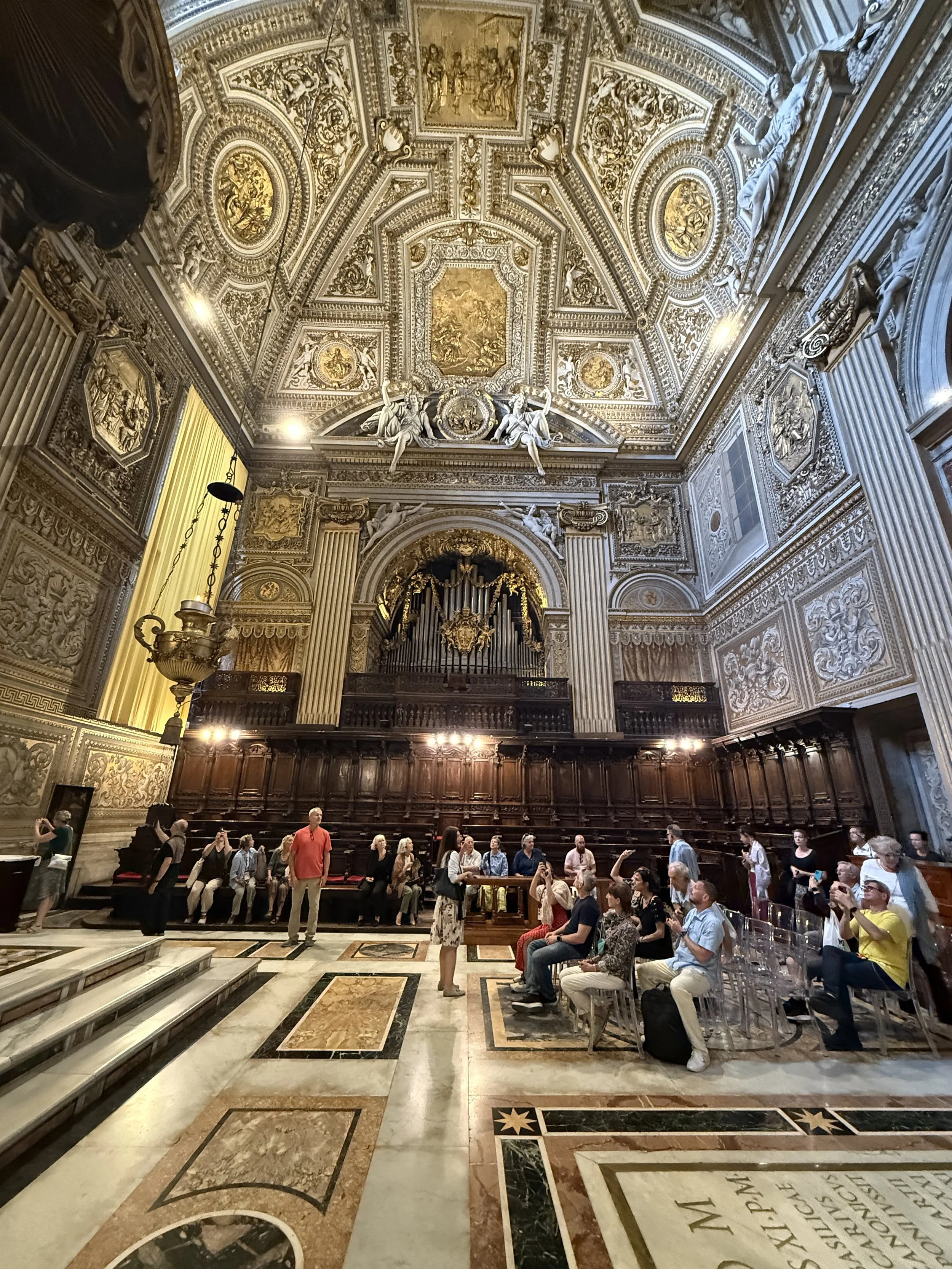
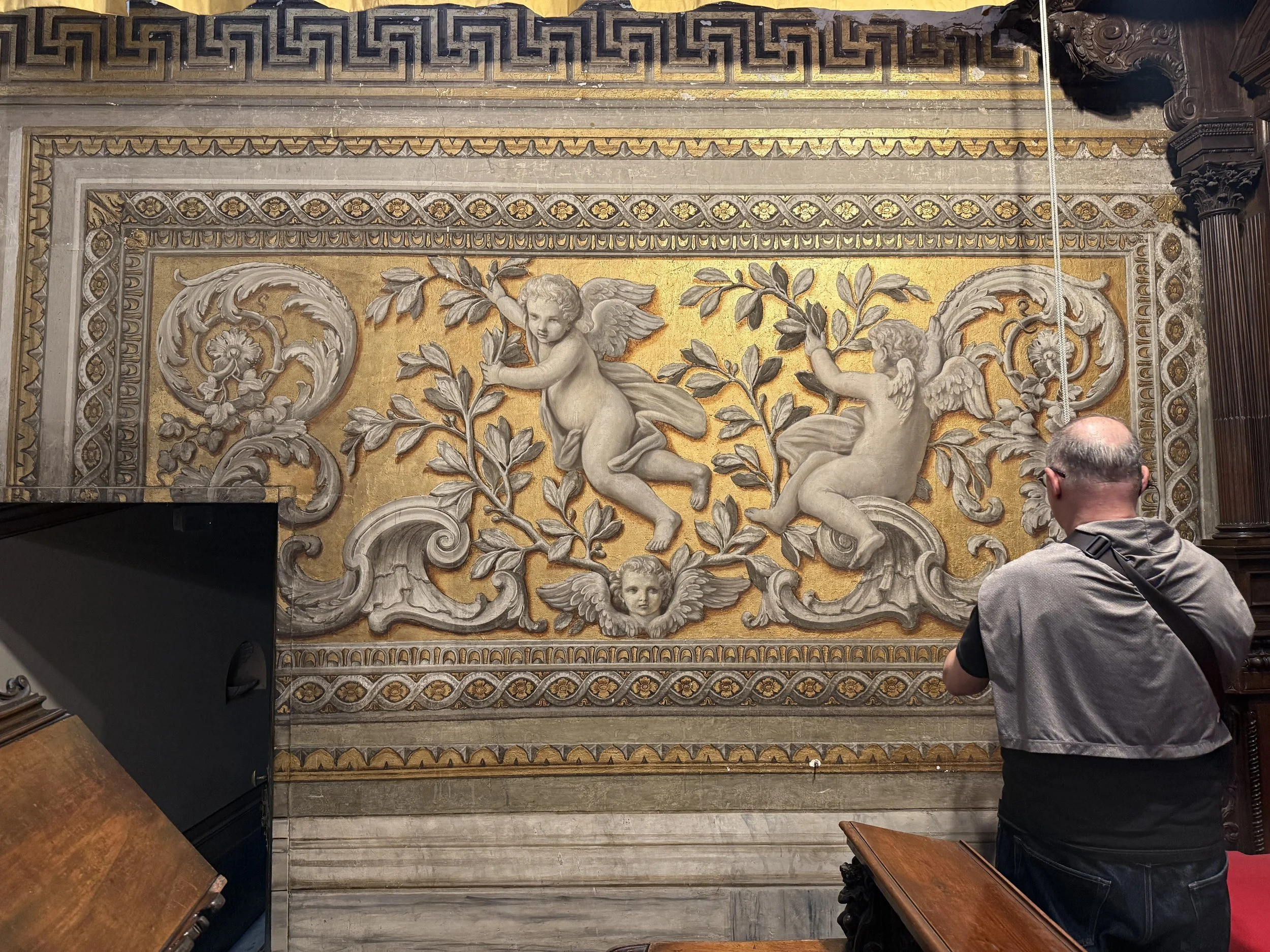
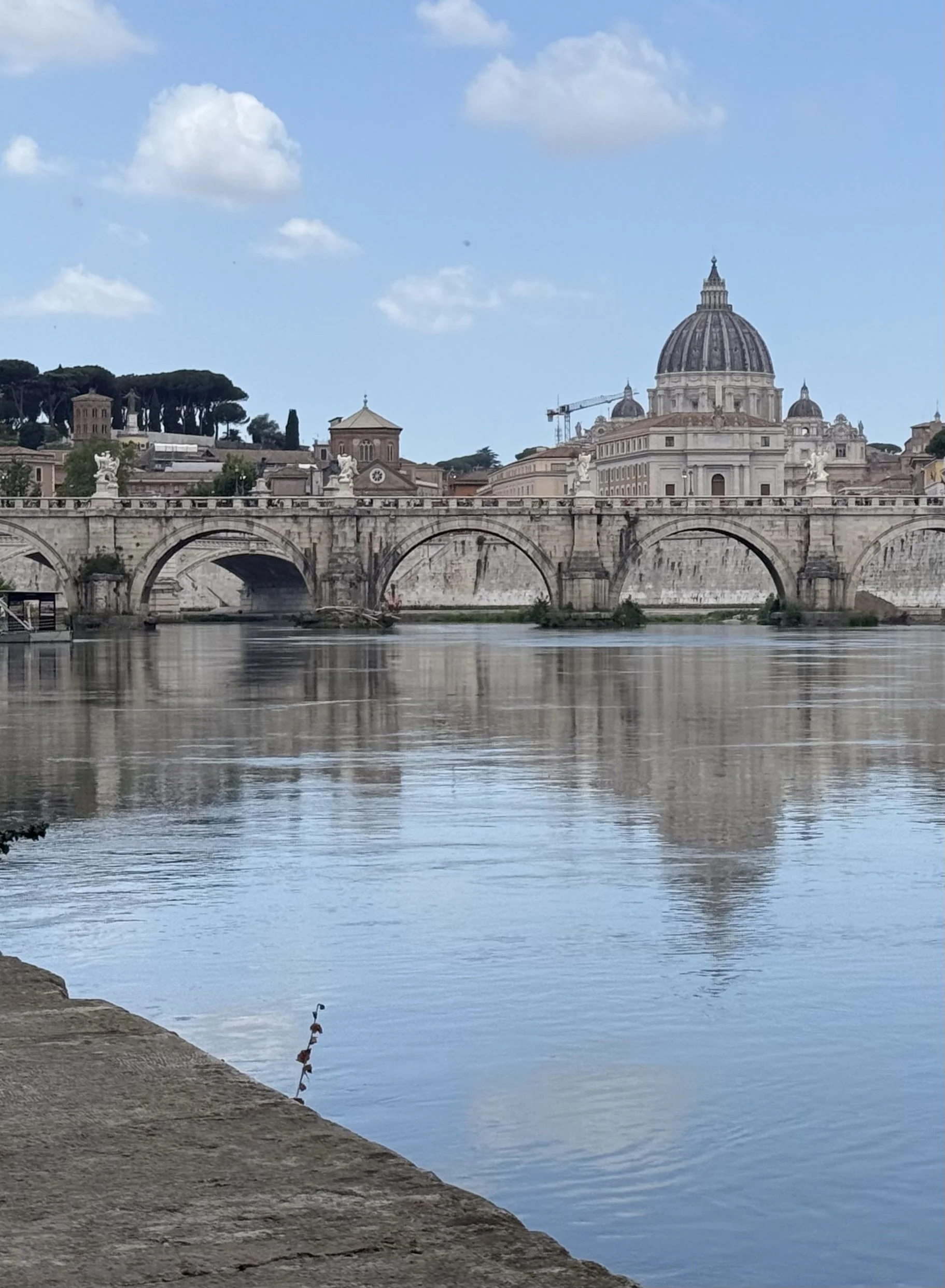
Friday morning my friend Marianne and I slipped away for a tour of the Vatican Museums and St. Peter's Basilica. No amount of photographs can prepare you for the sheer scale of the Vatican collections. Every corridor, every ceiling, every sculpture seemed to outdo the last. Standing beneath Michelangelo's Sistine Chapel ceiling was one of those moments where words simply fail. It is overwhelming in every sense of the word.
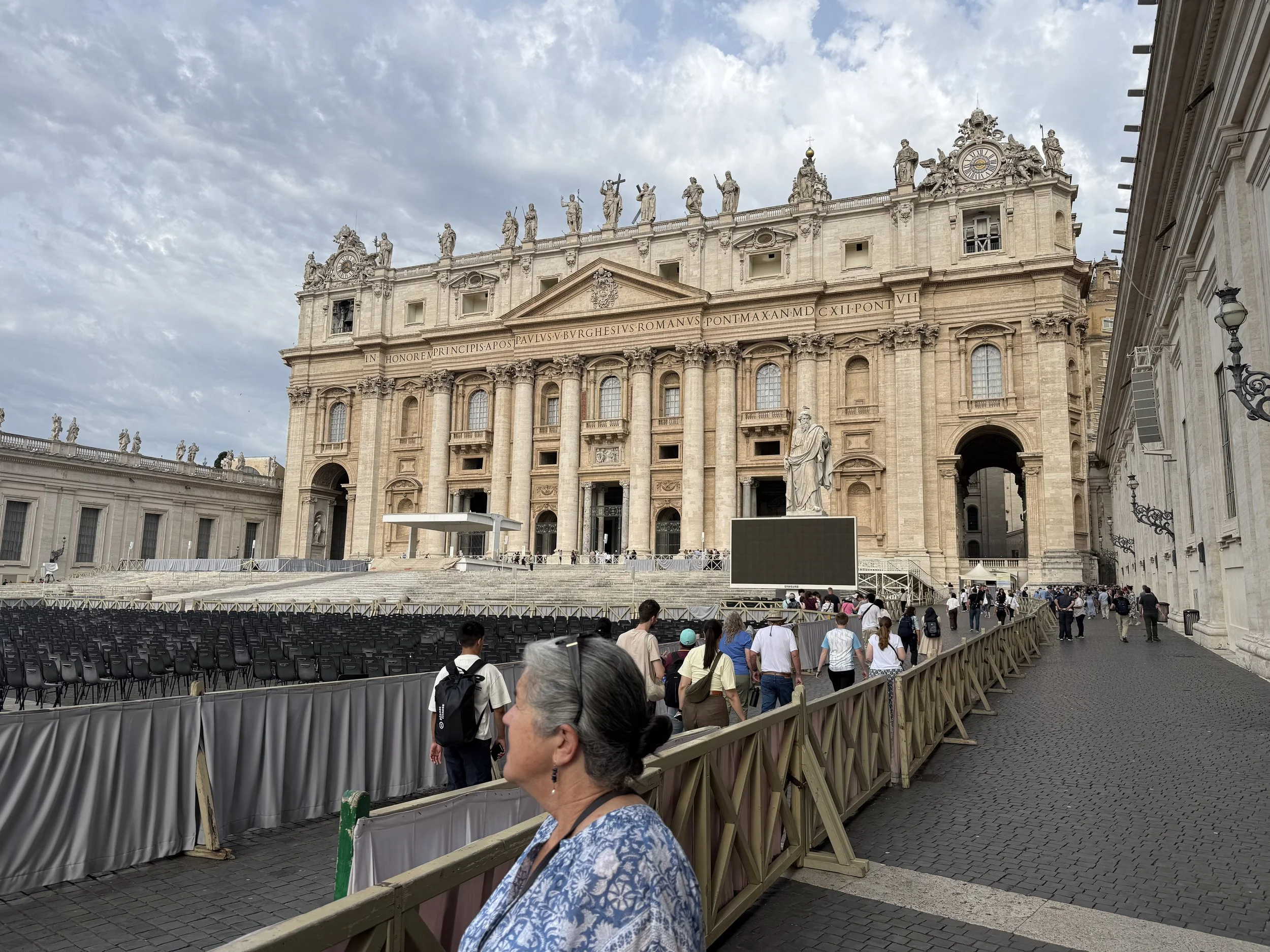
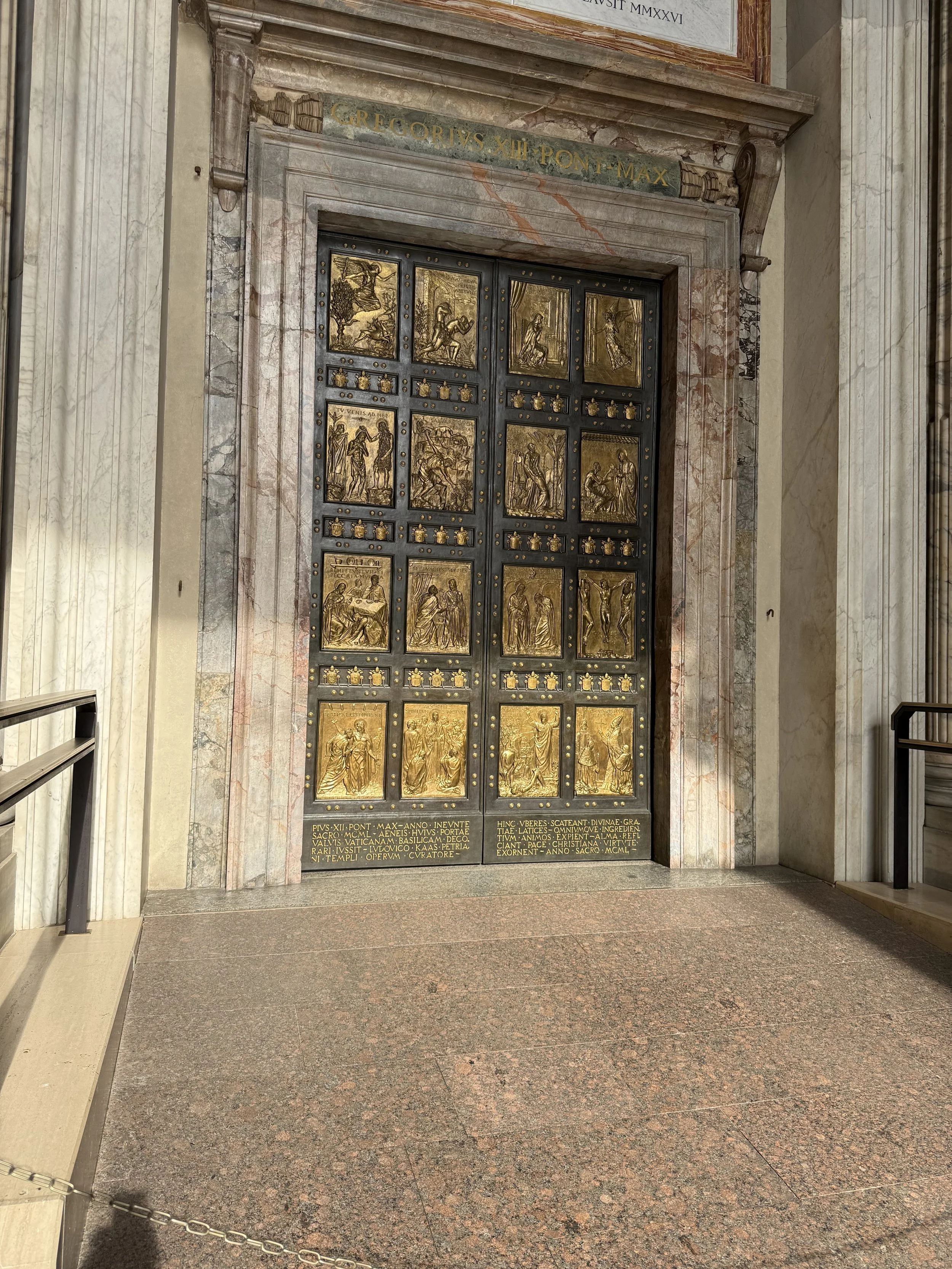
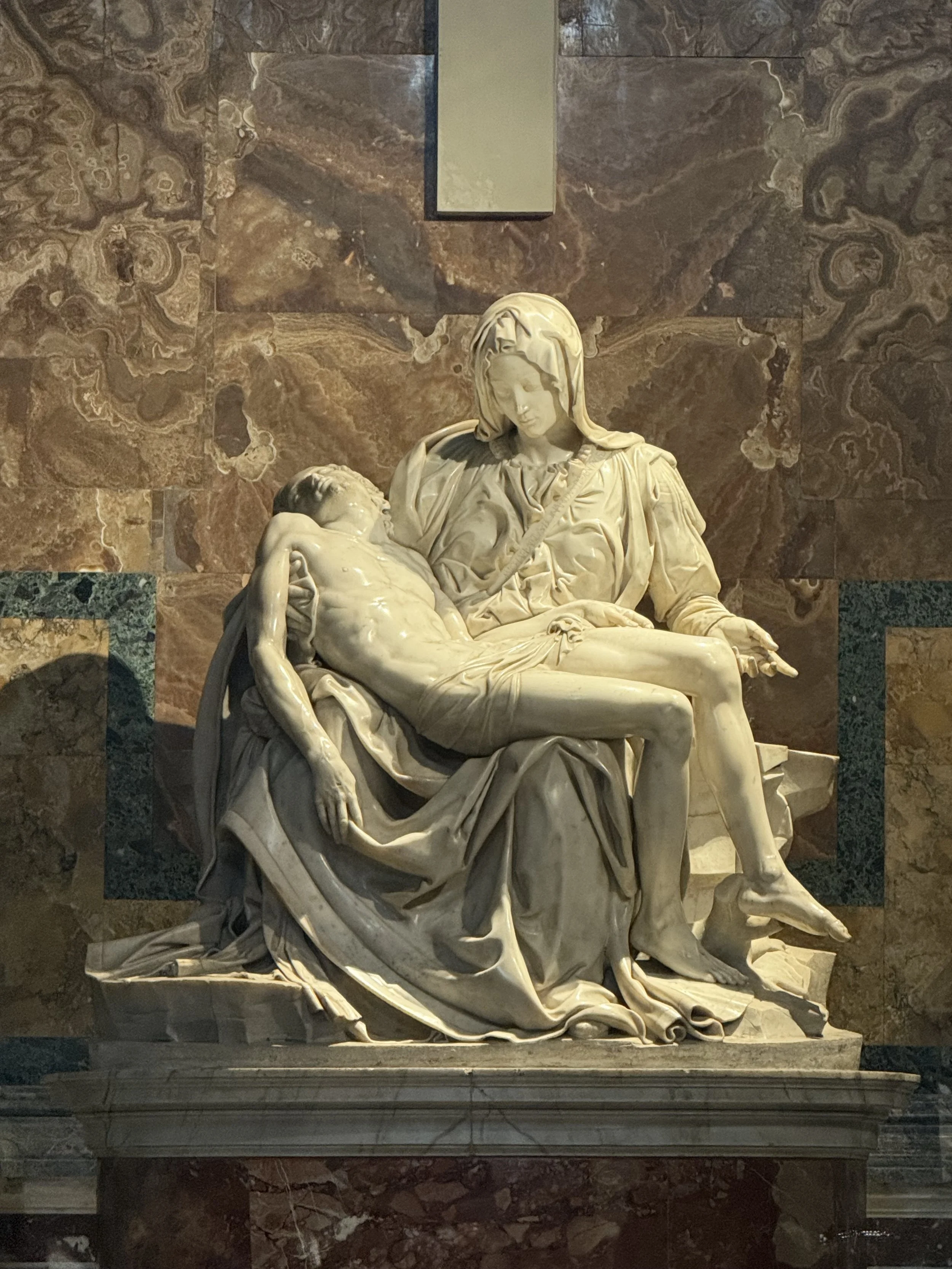
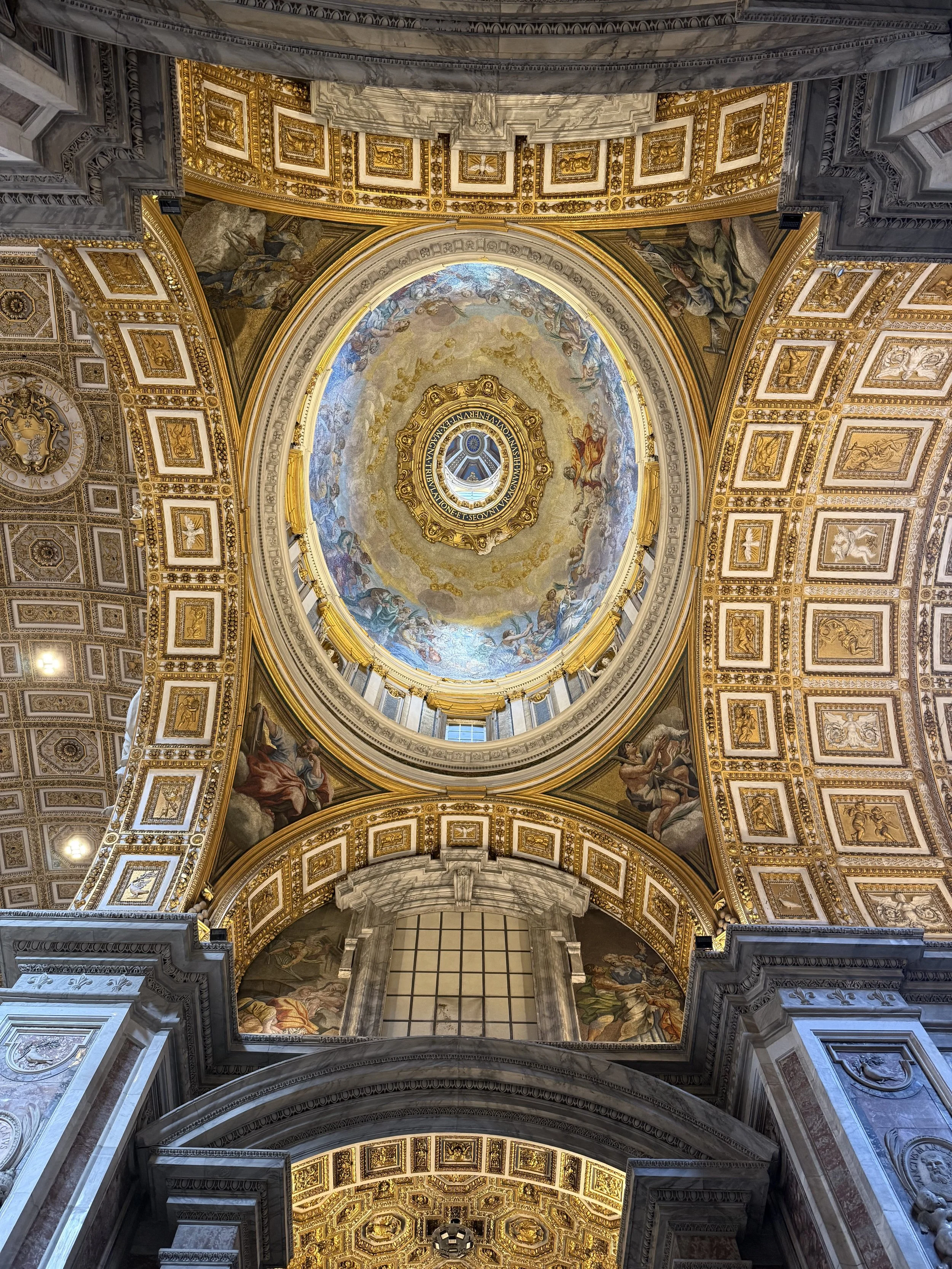
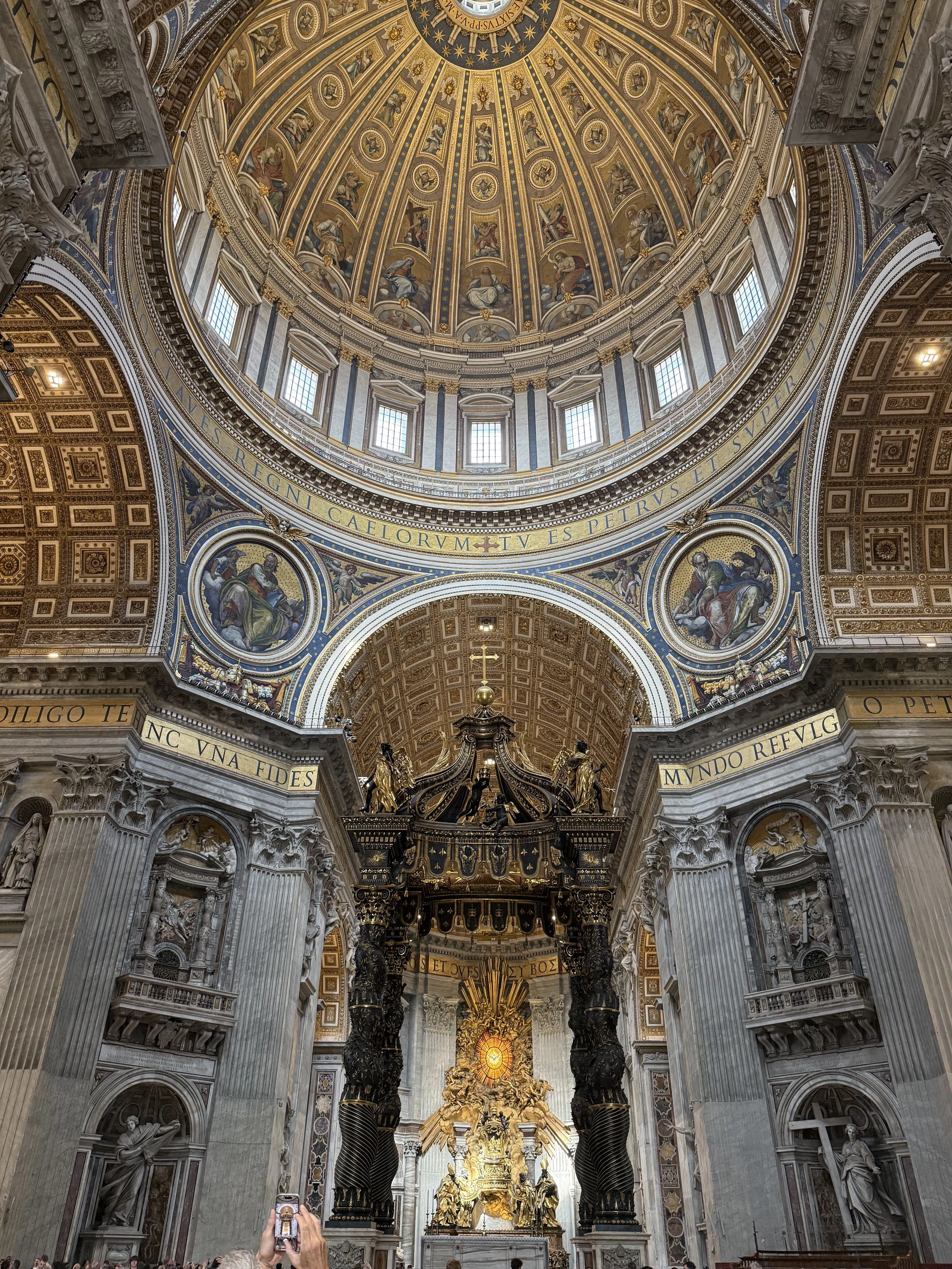
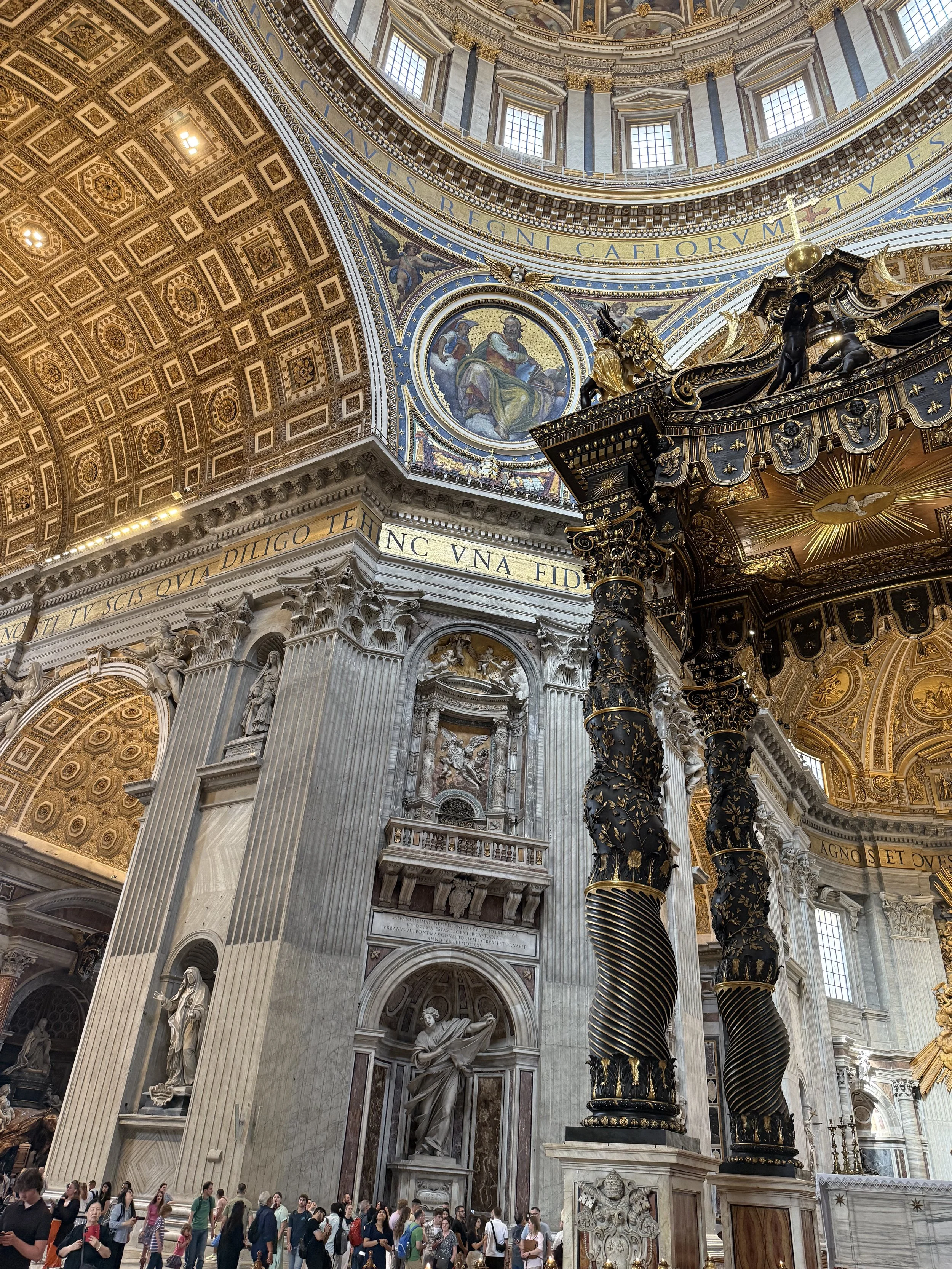
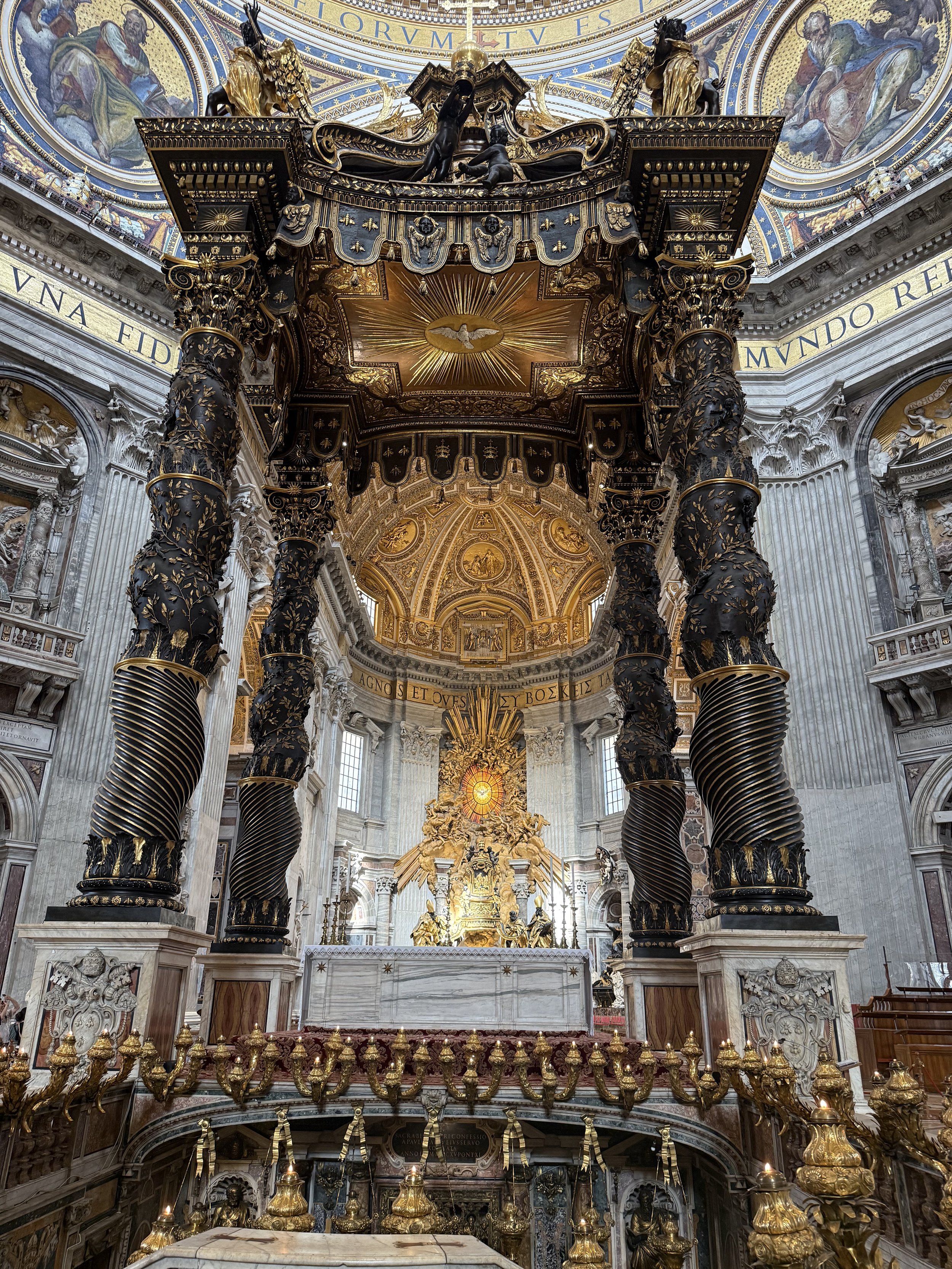
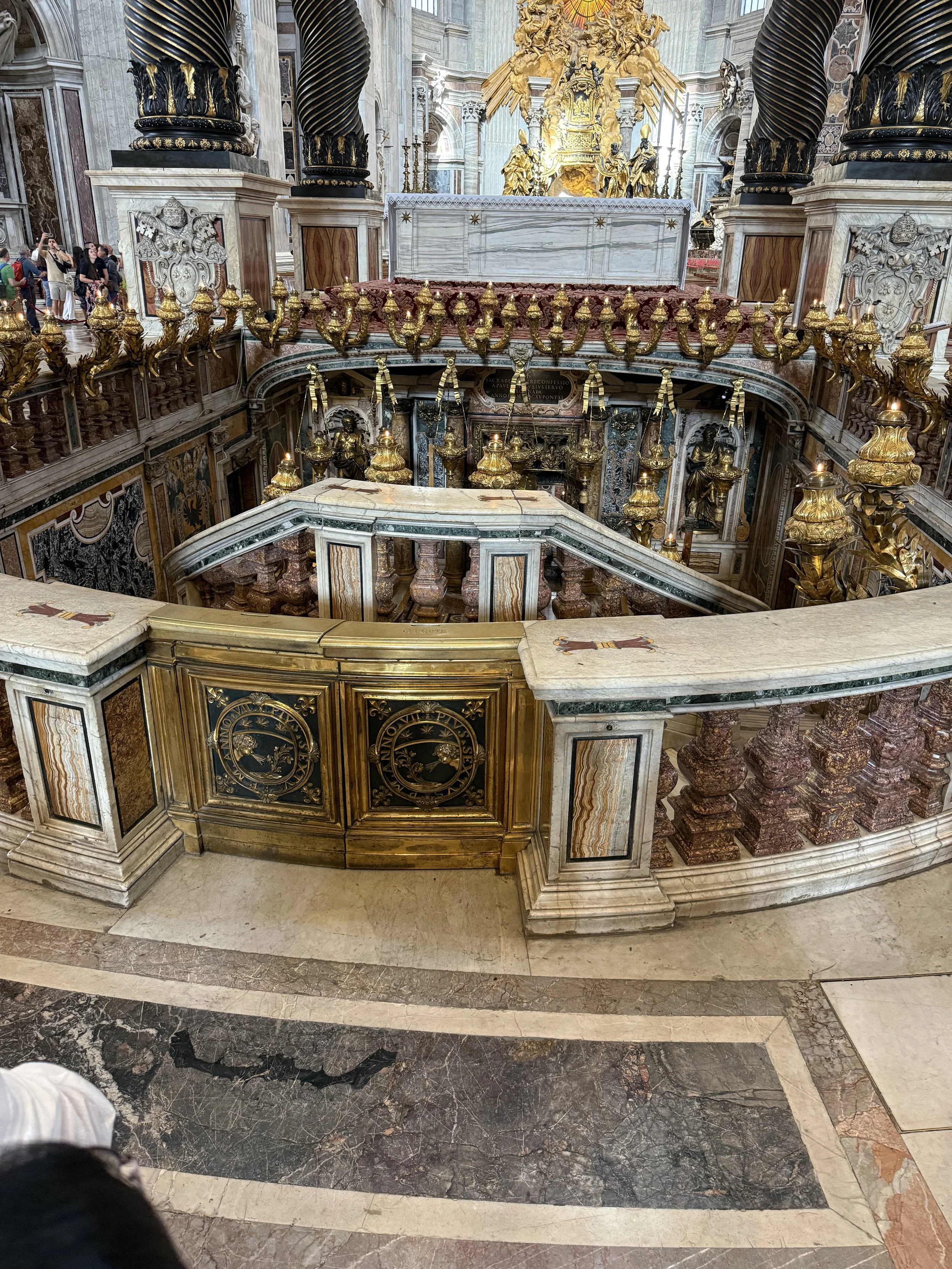
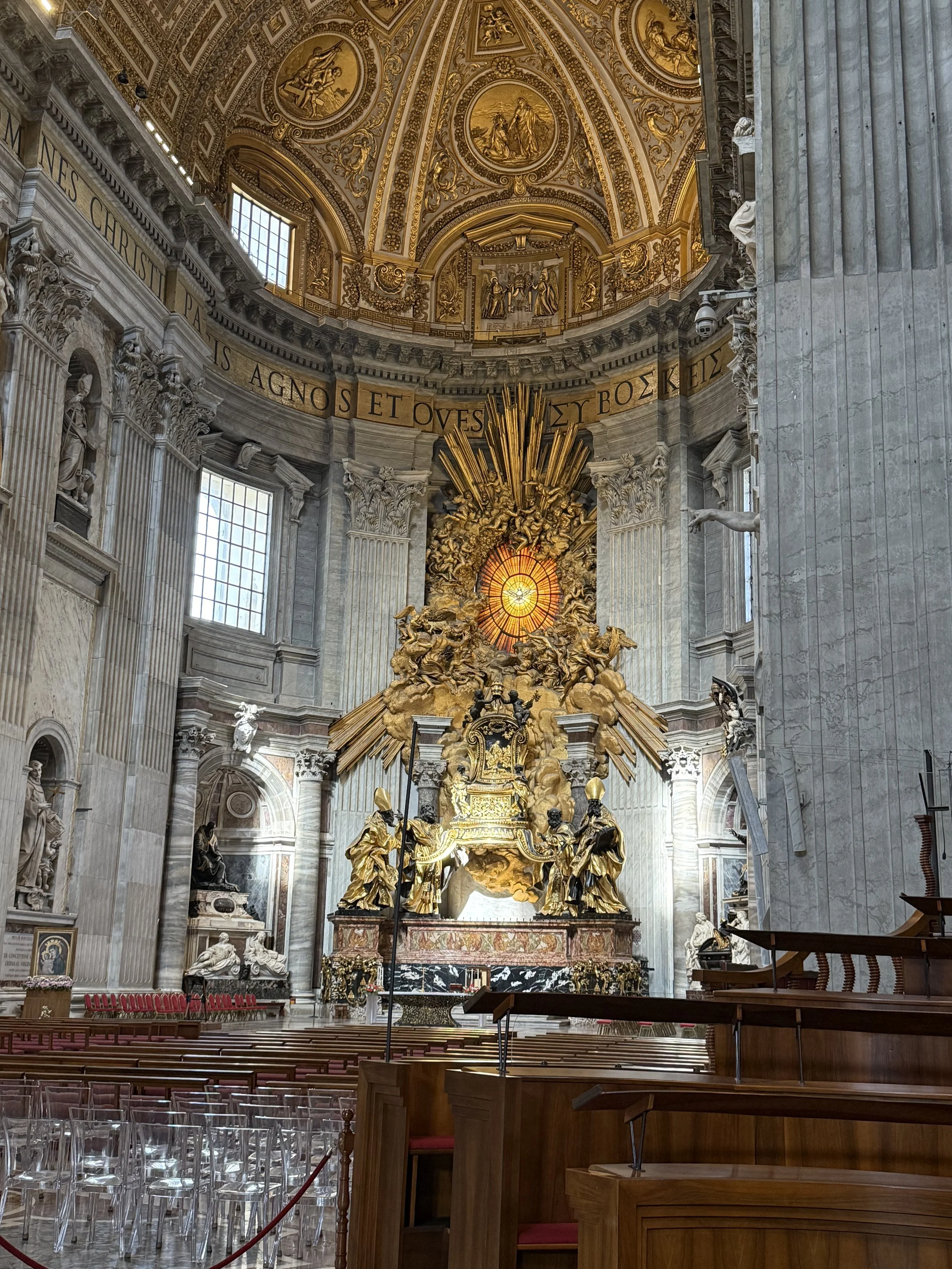
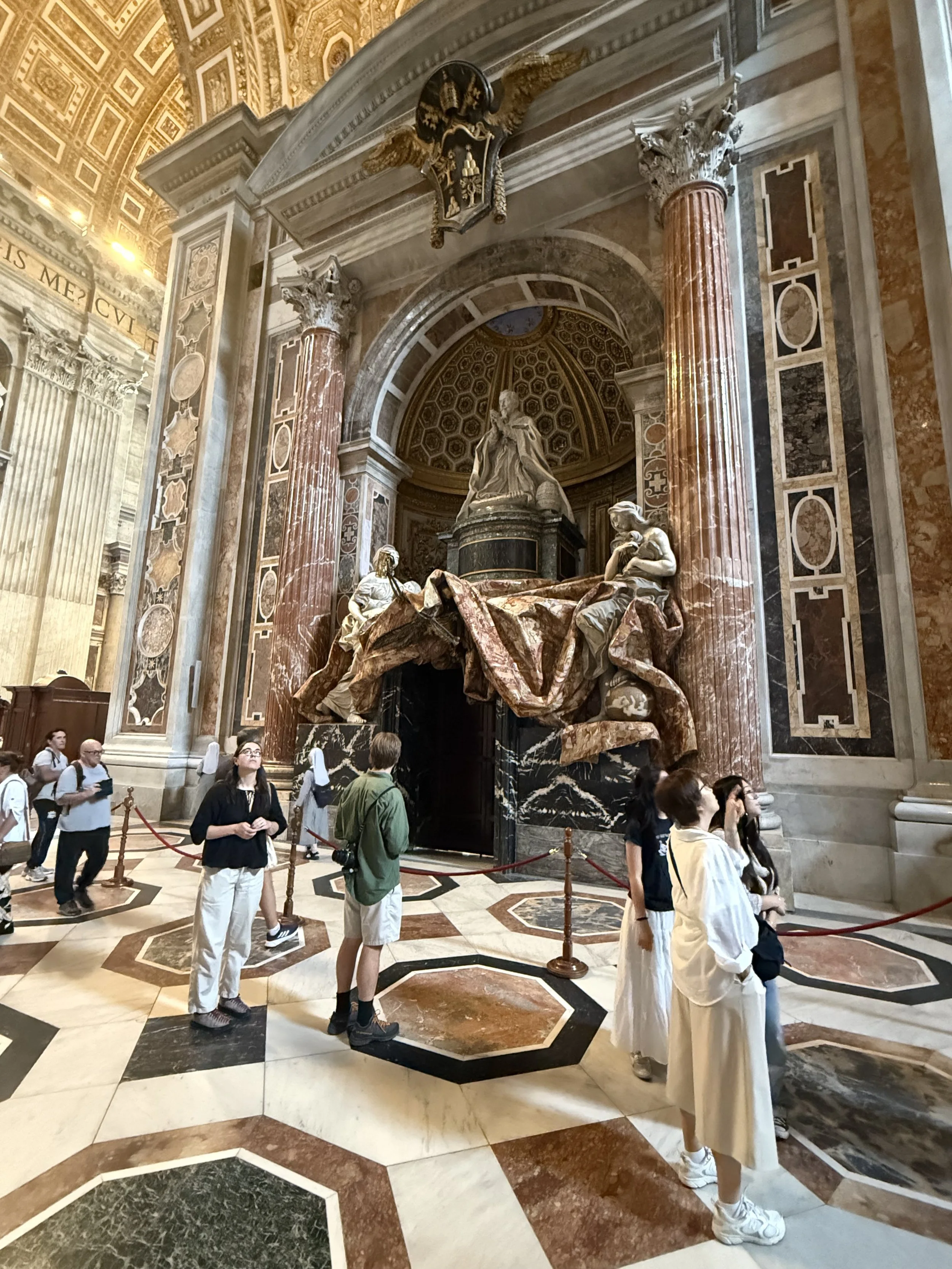
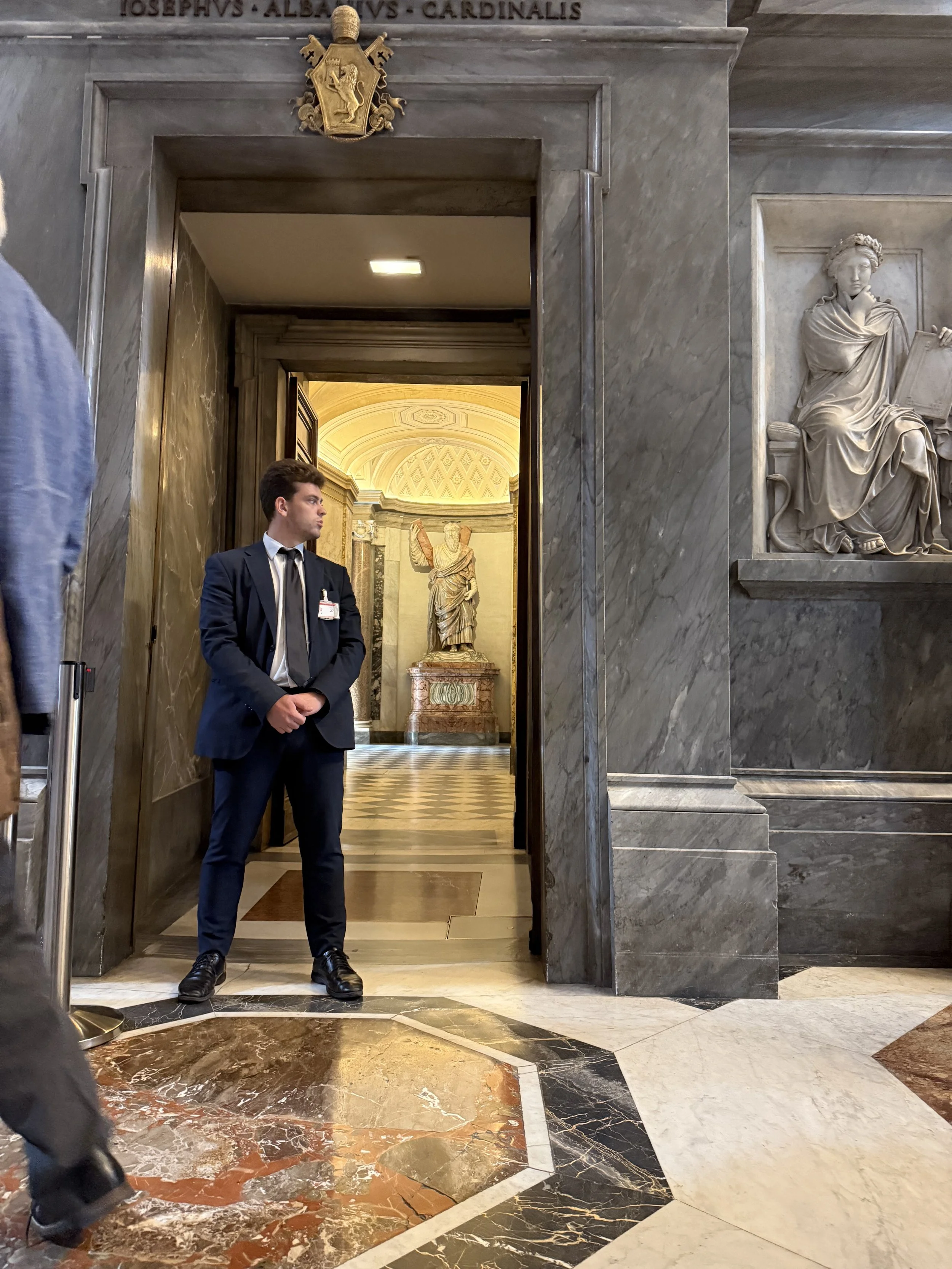
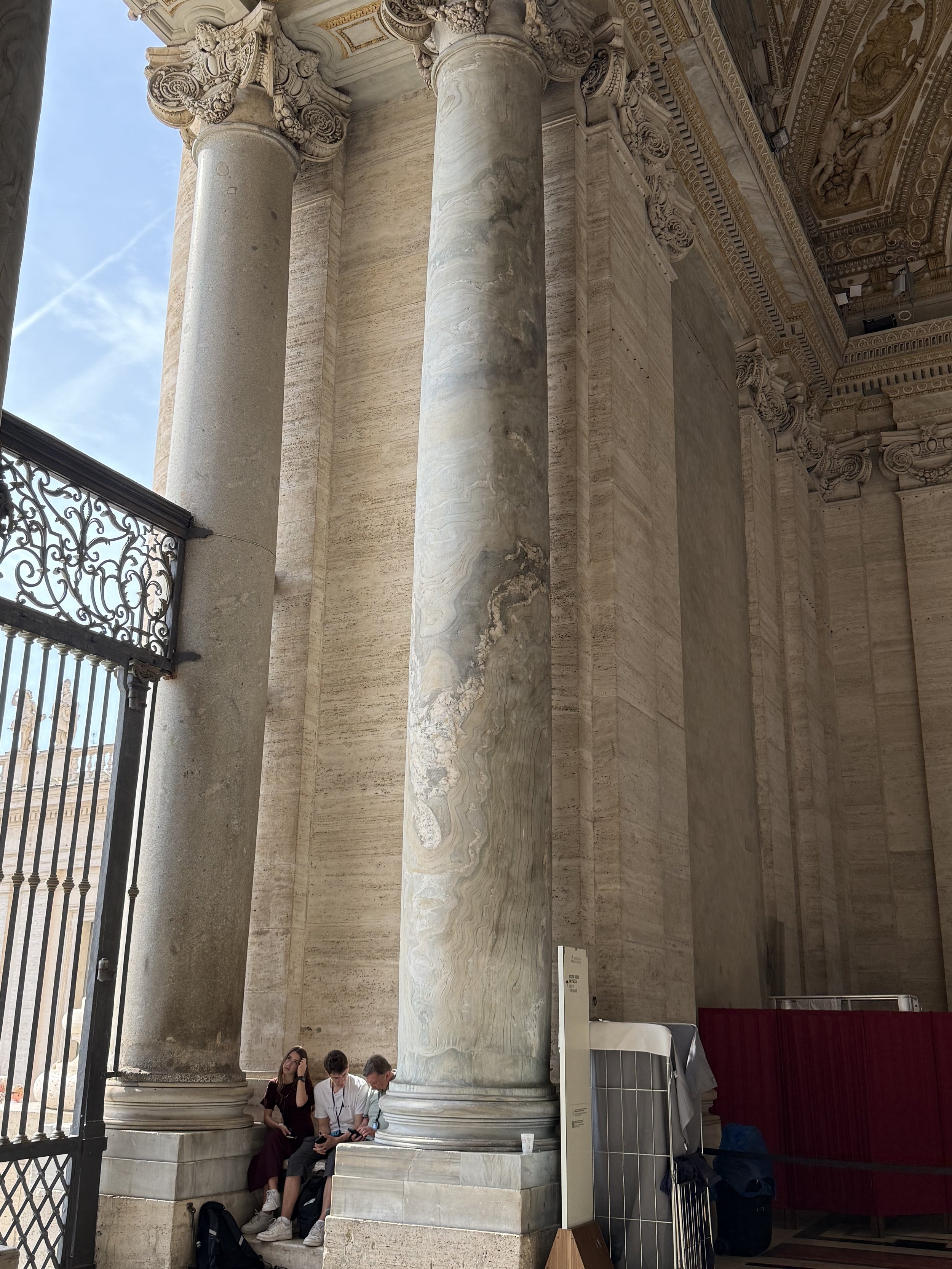
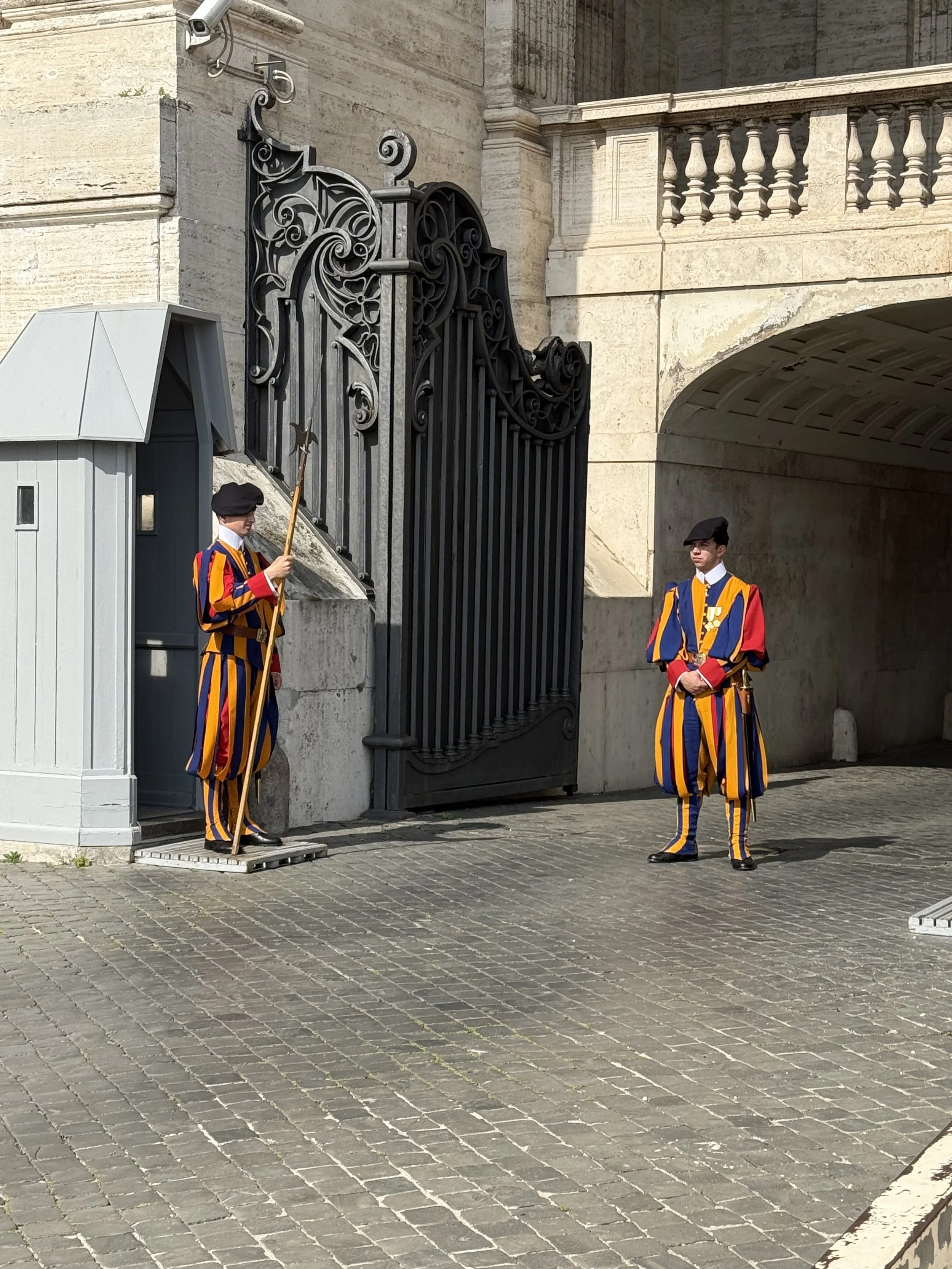
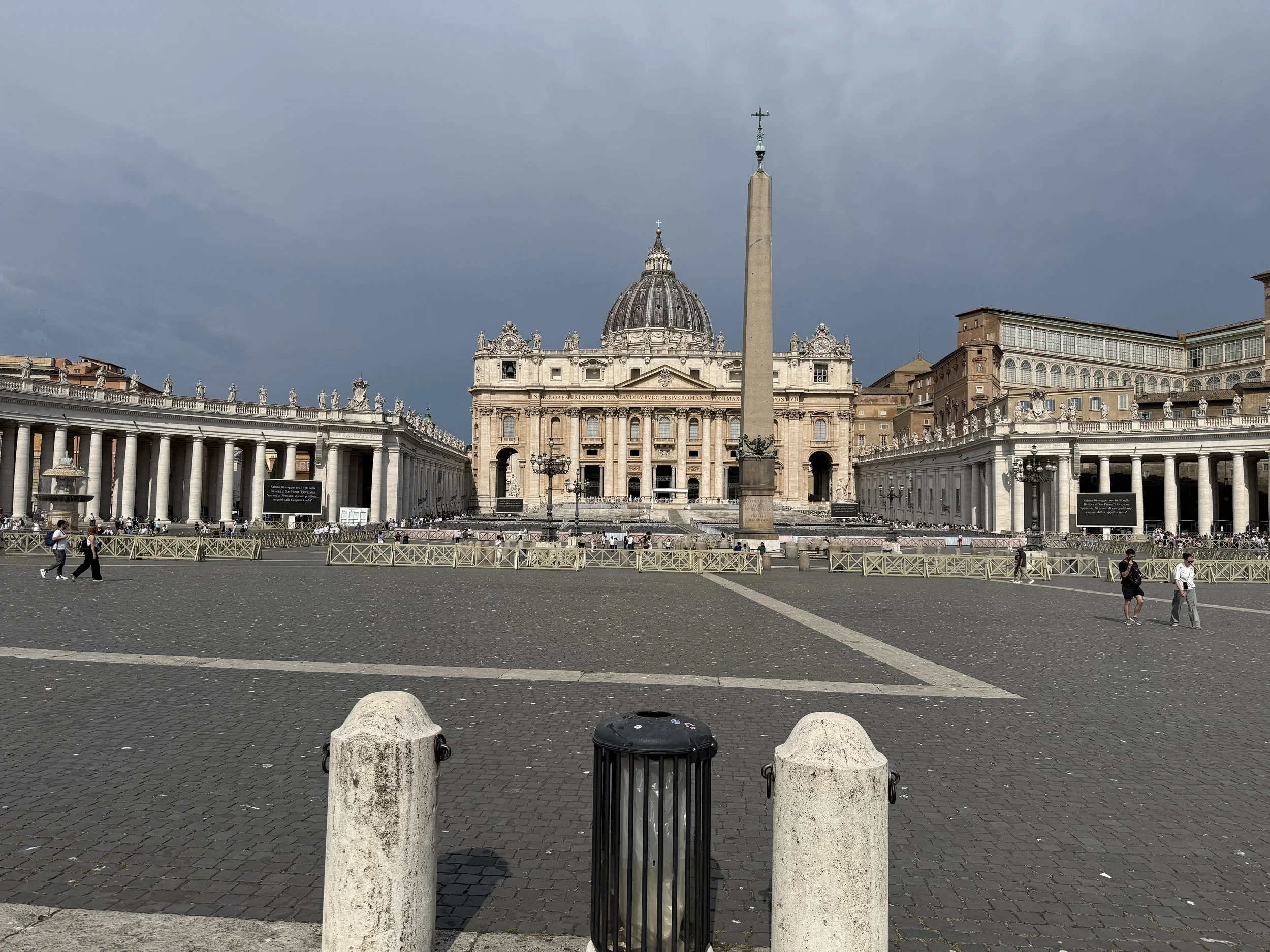
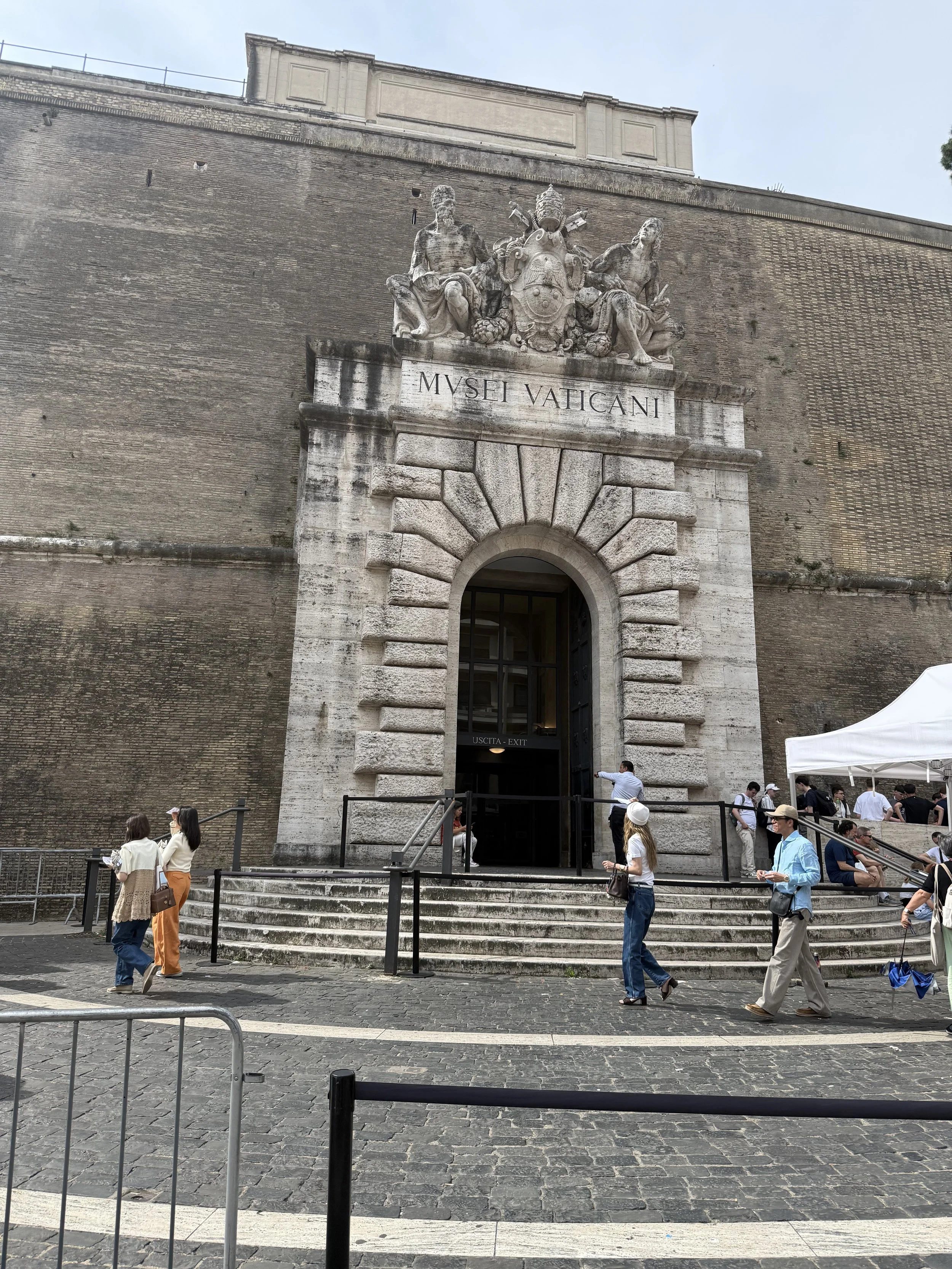
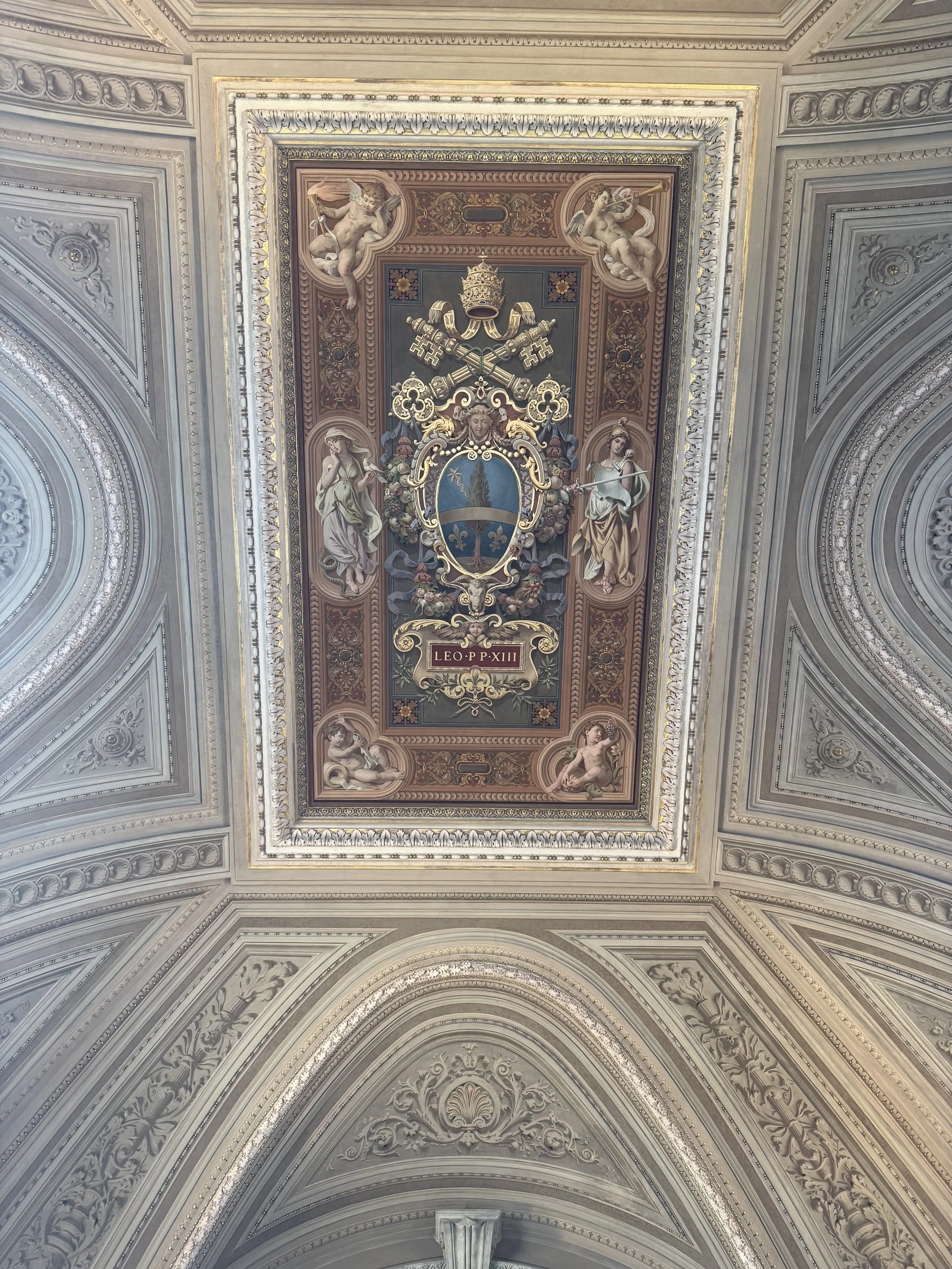
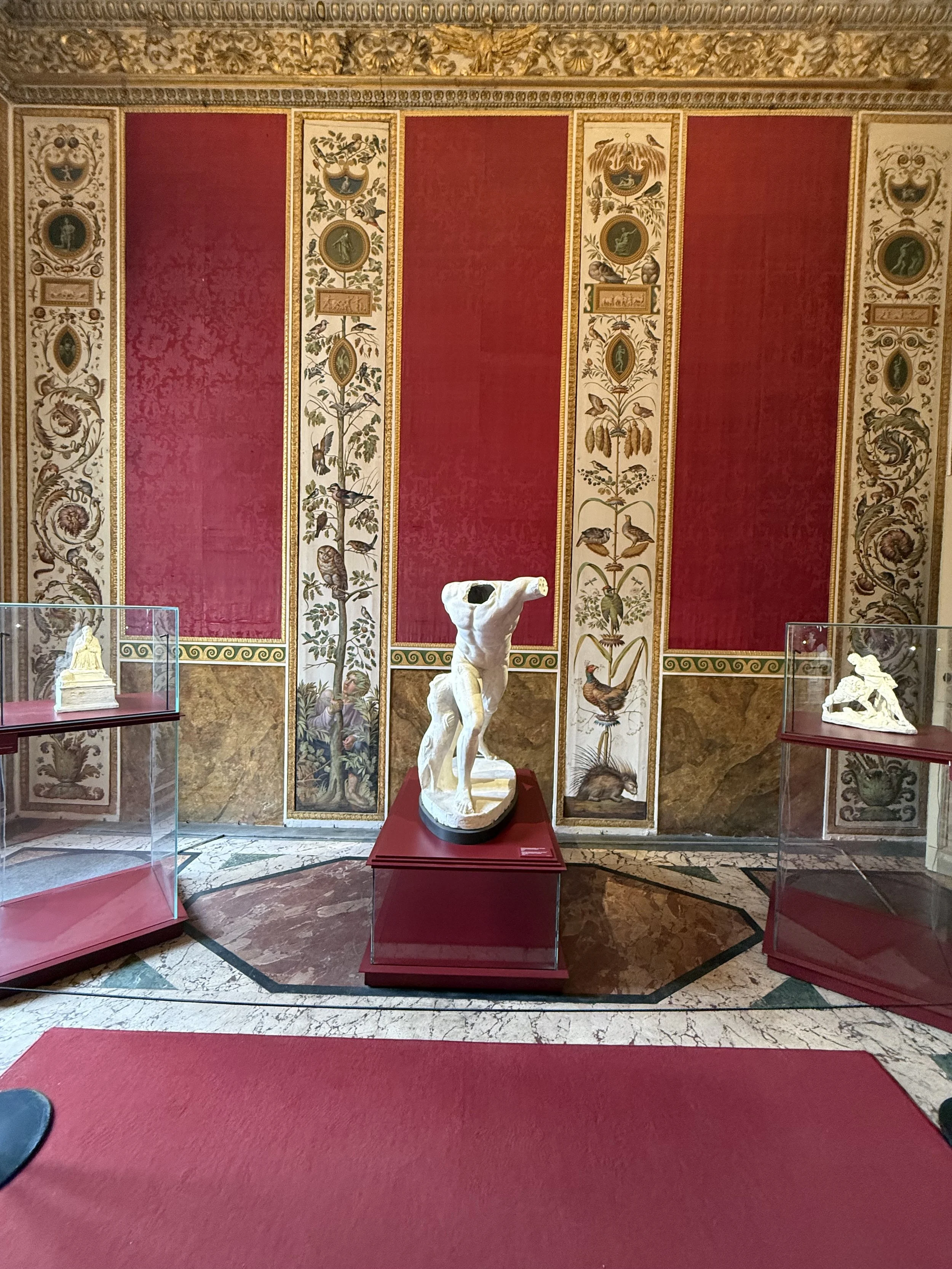
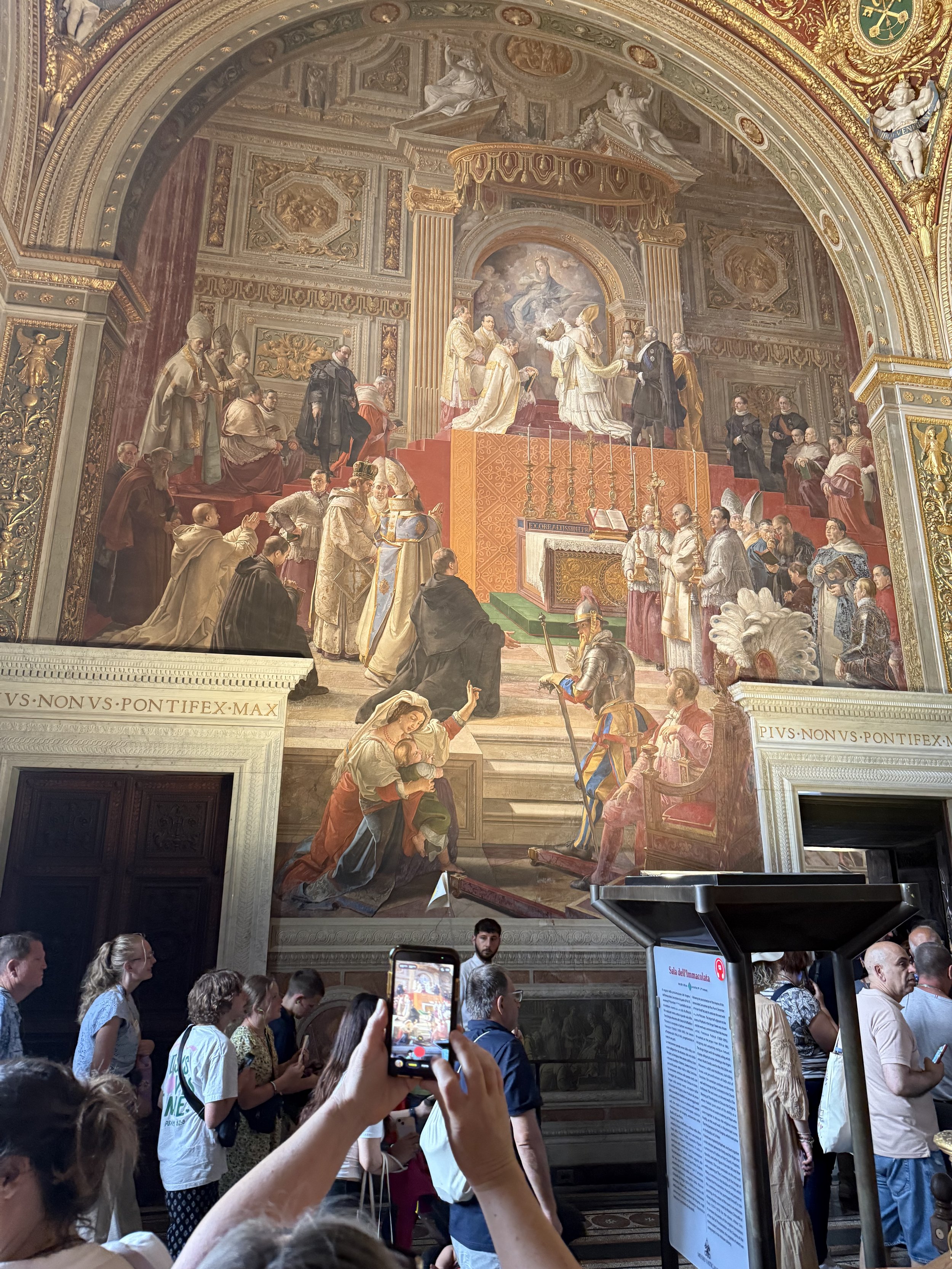
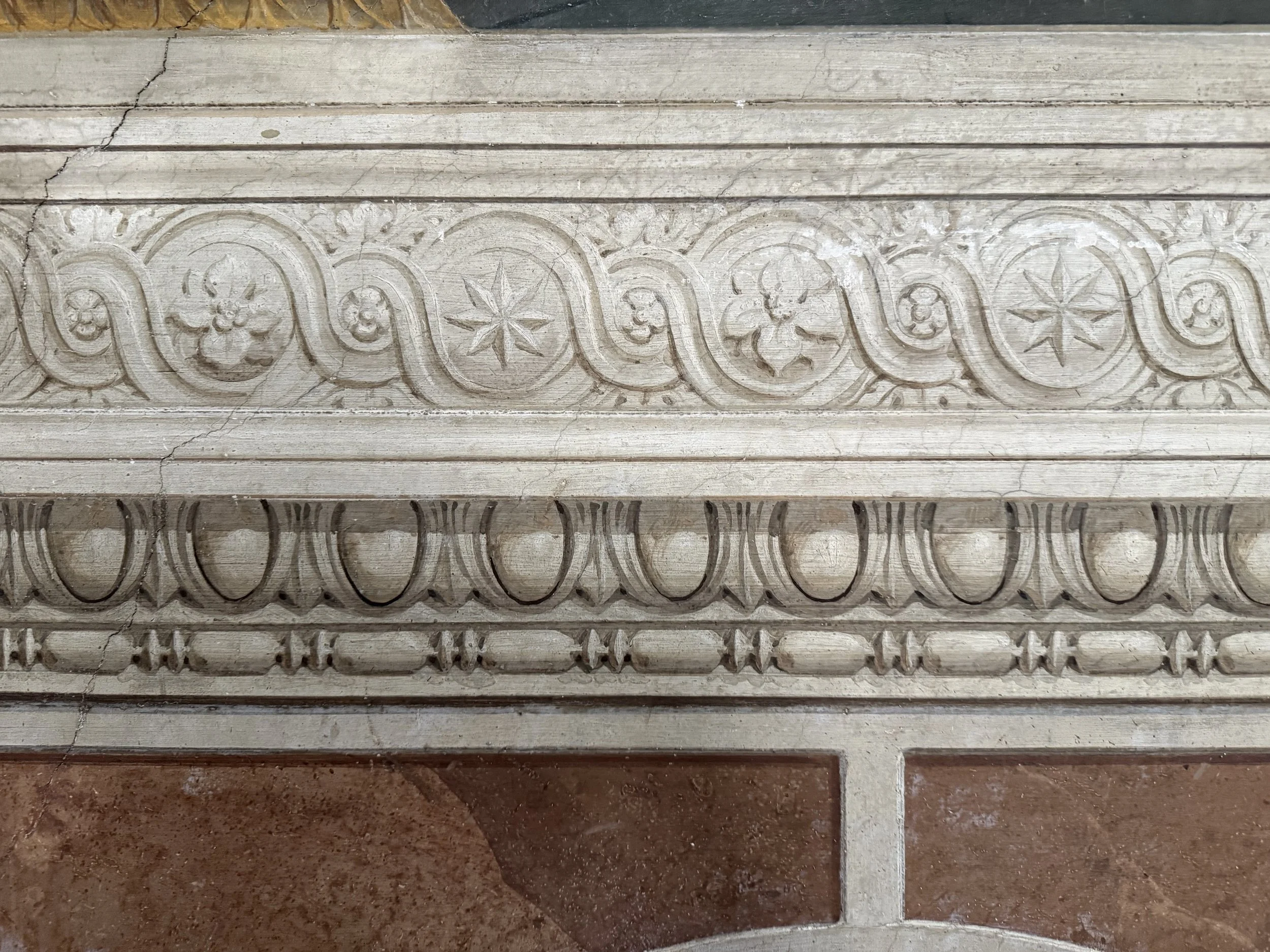
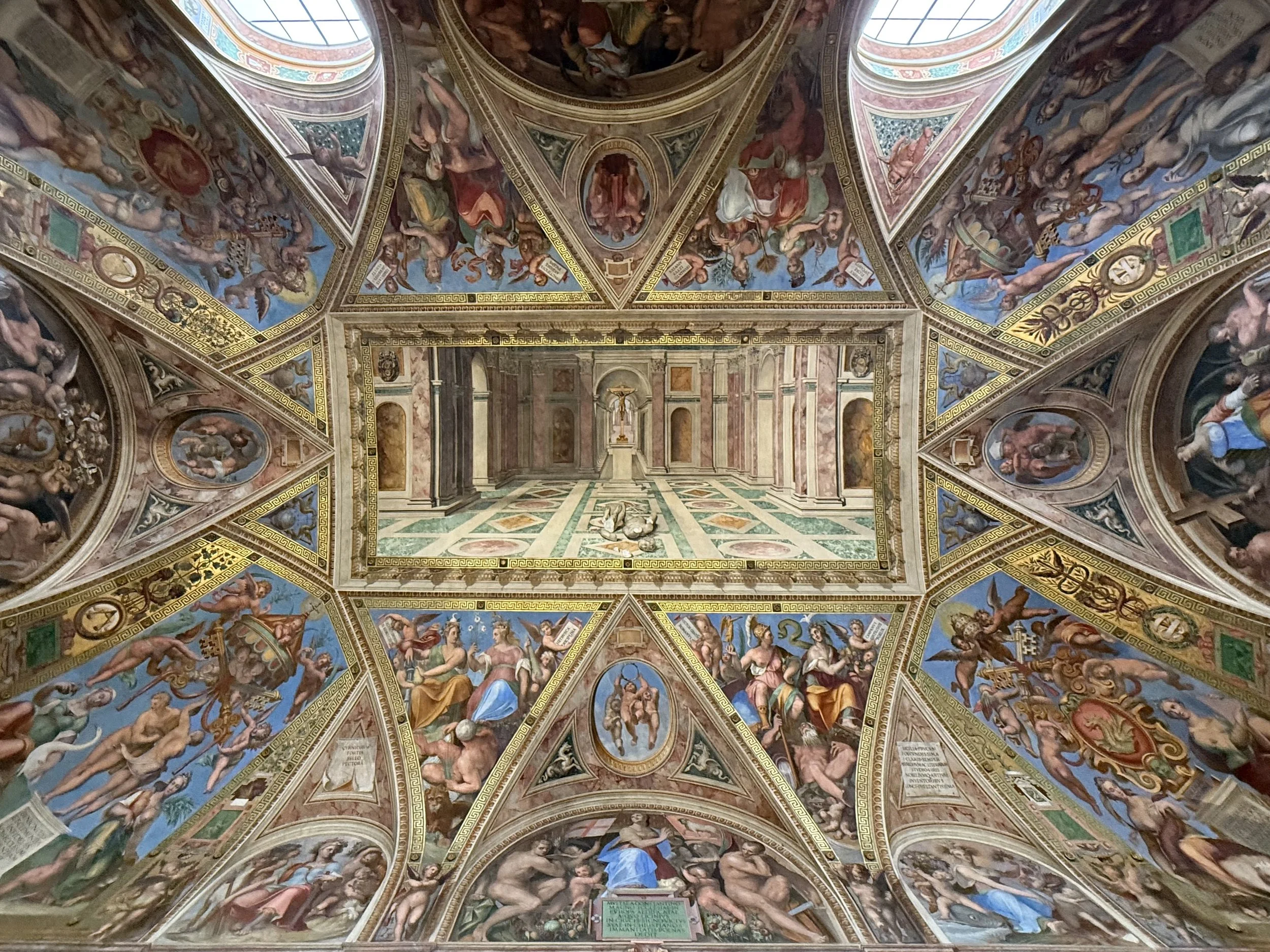
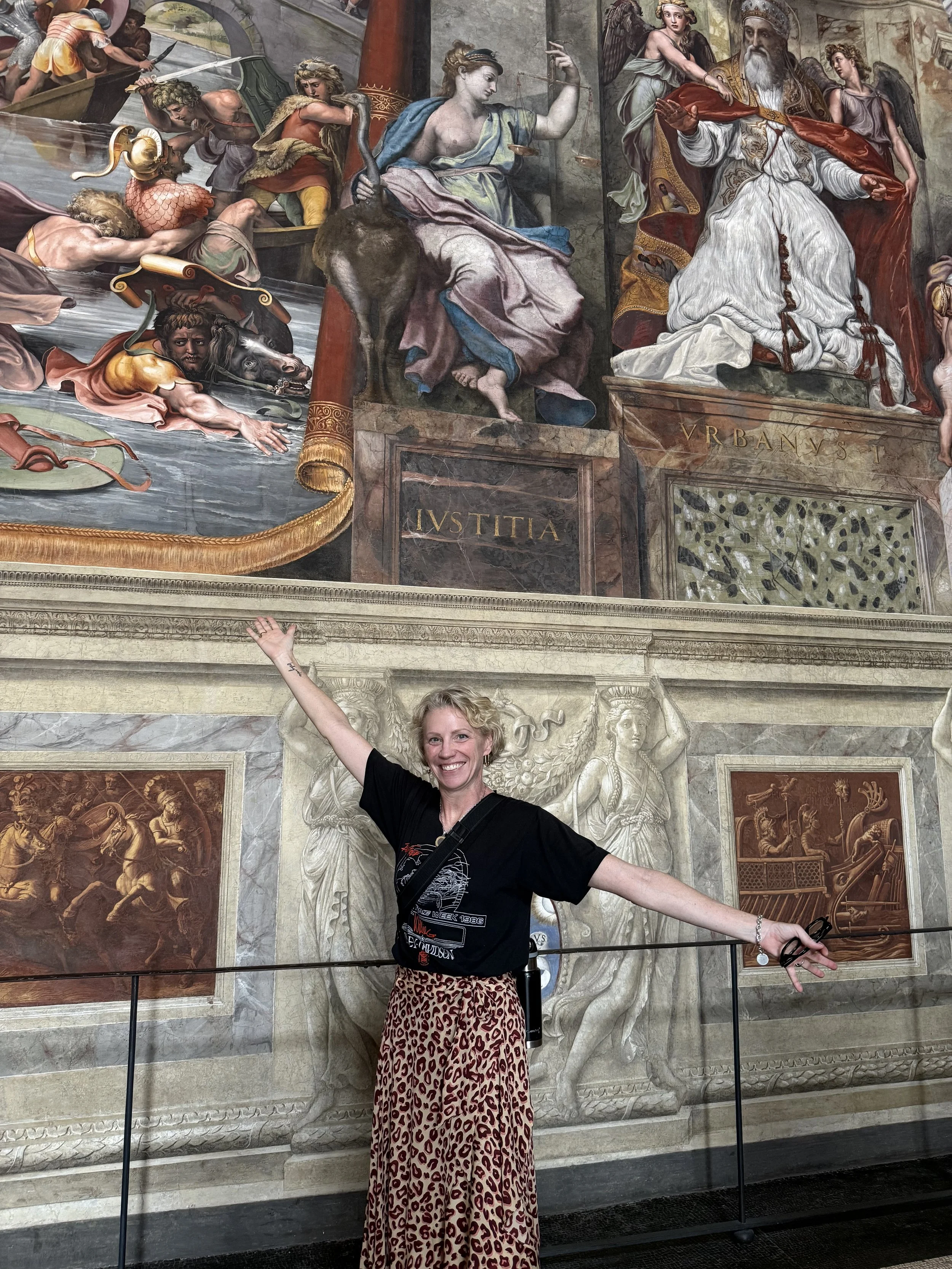
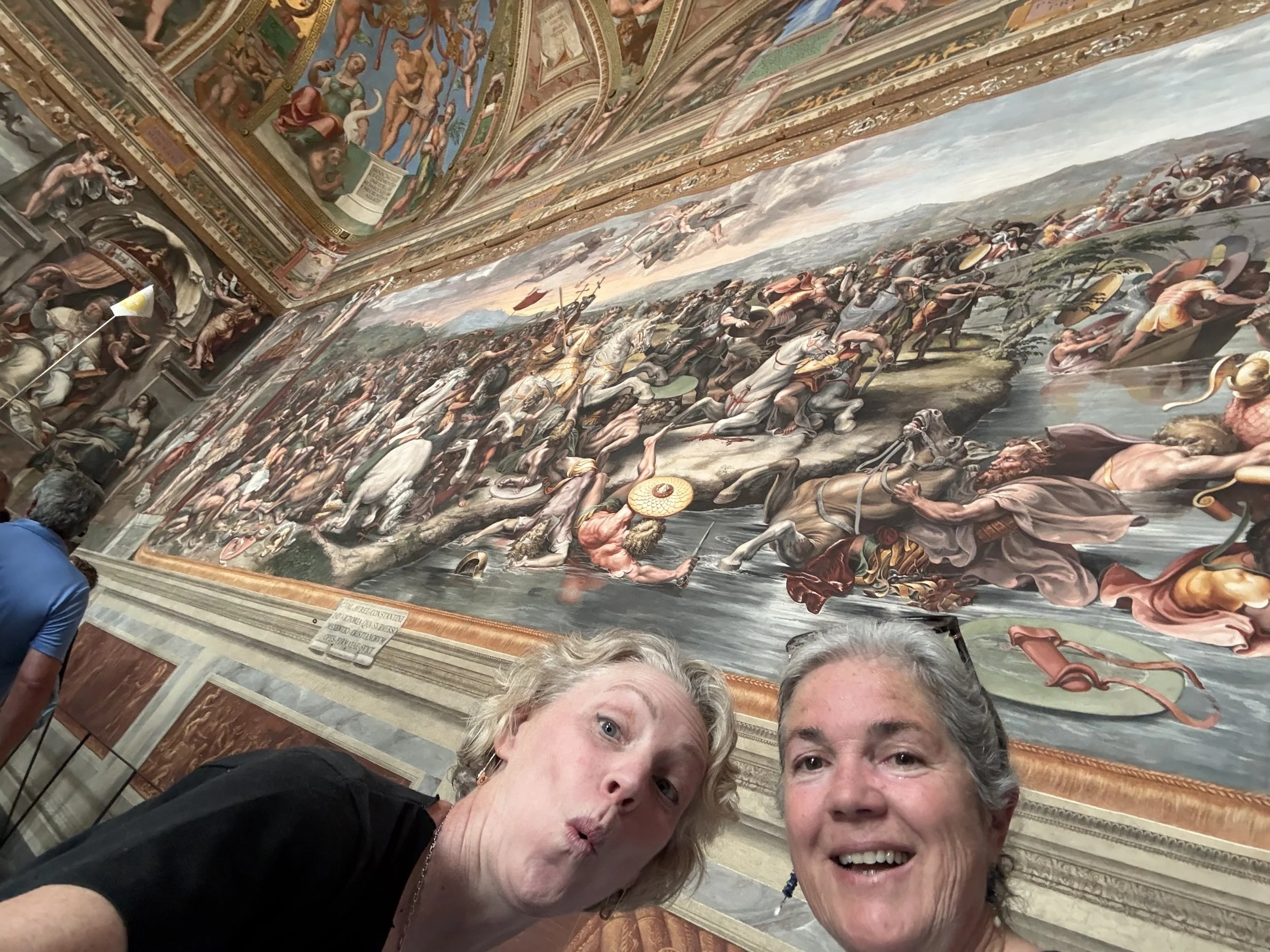
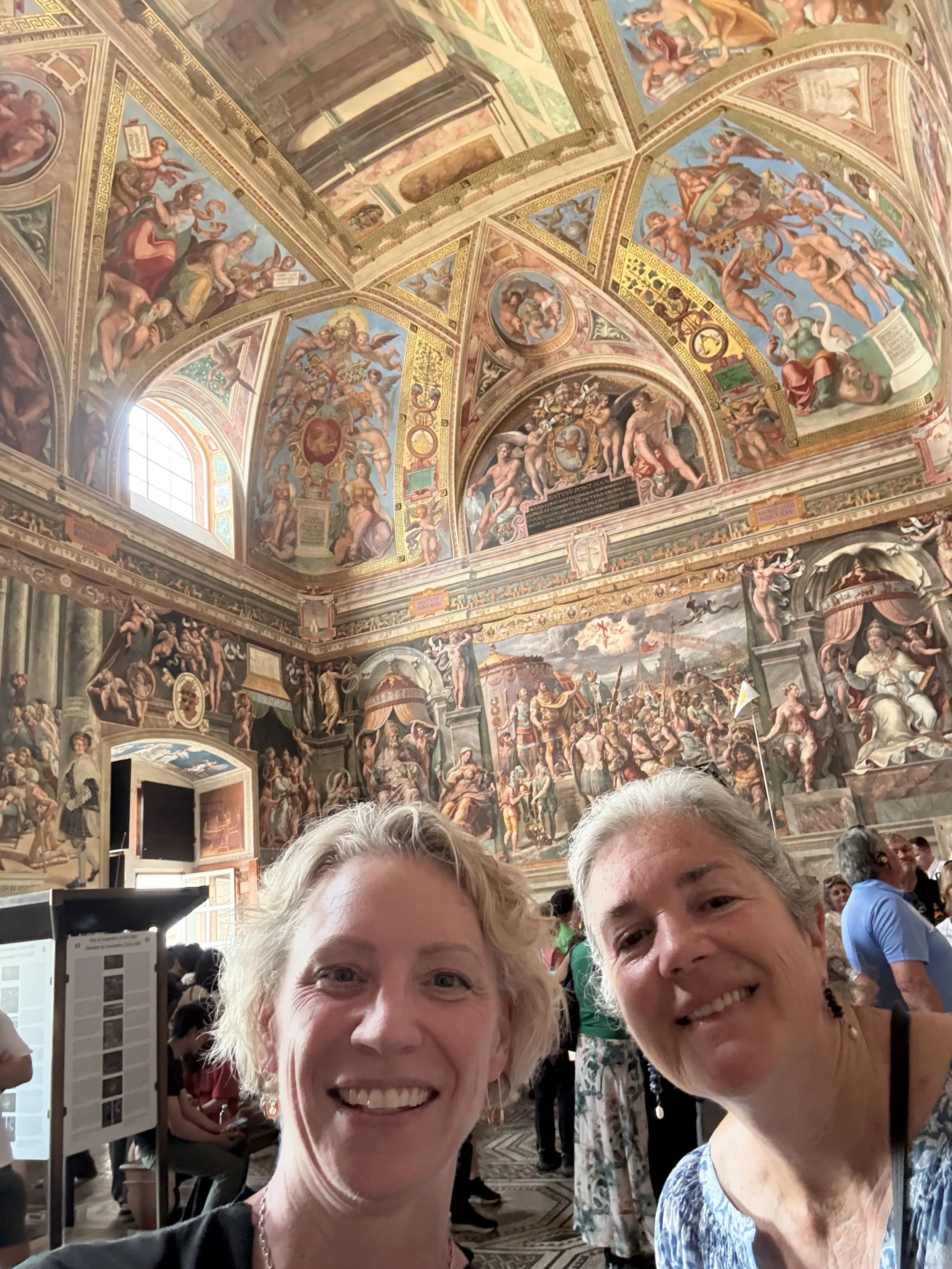
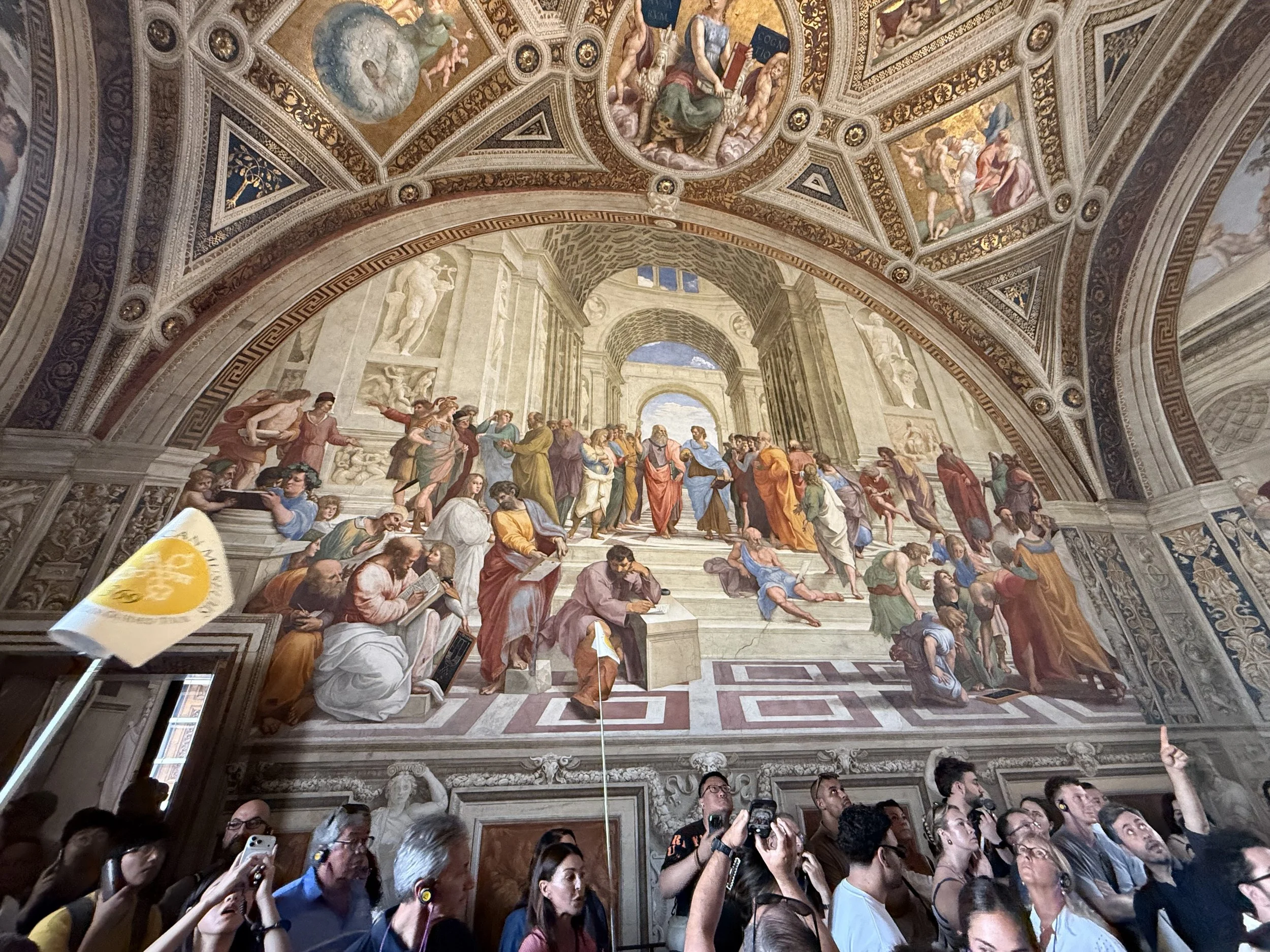
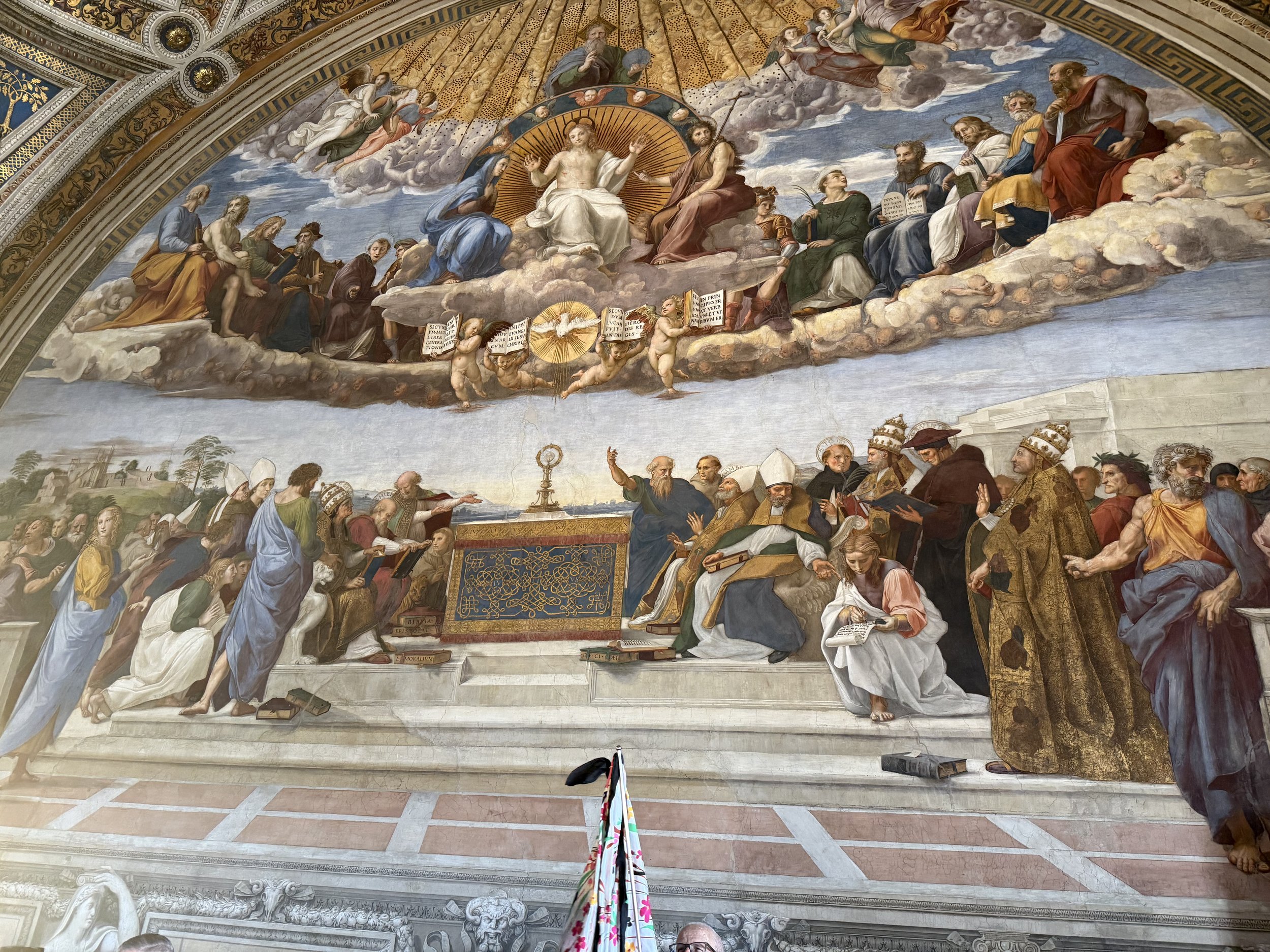
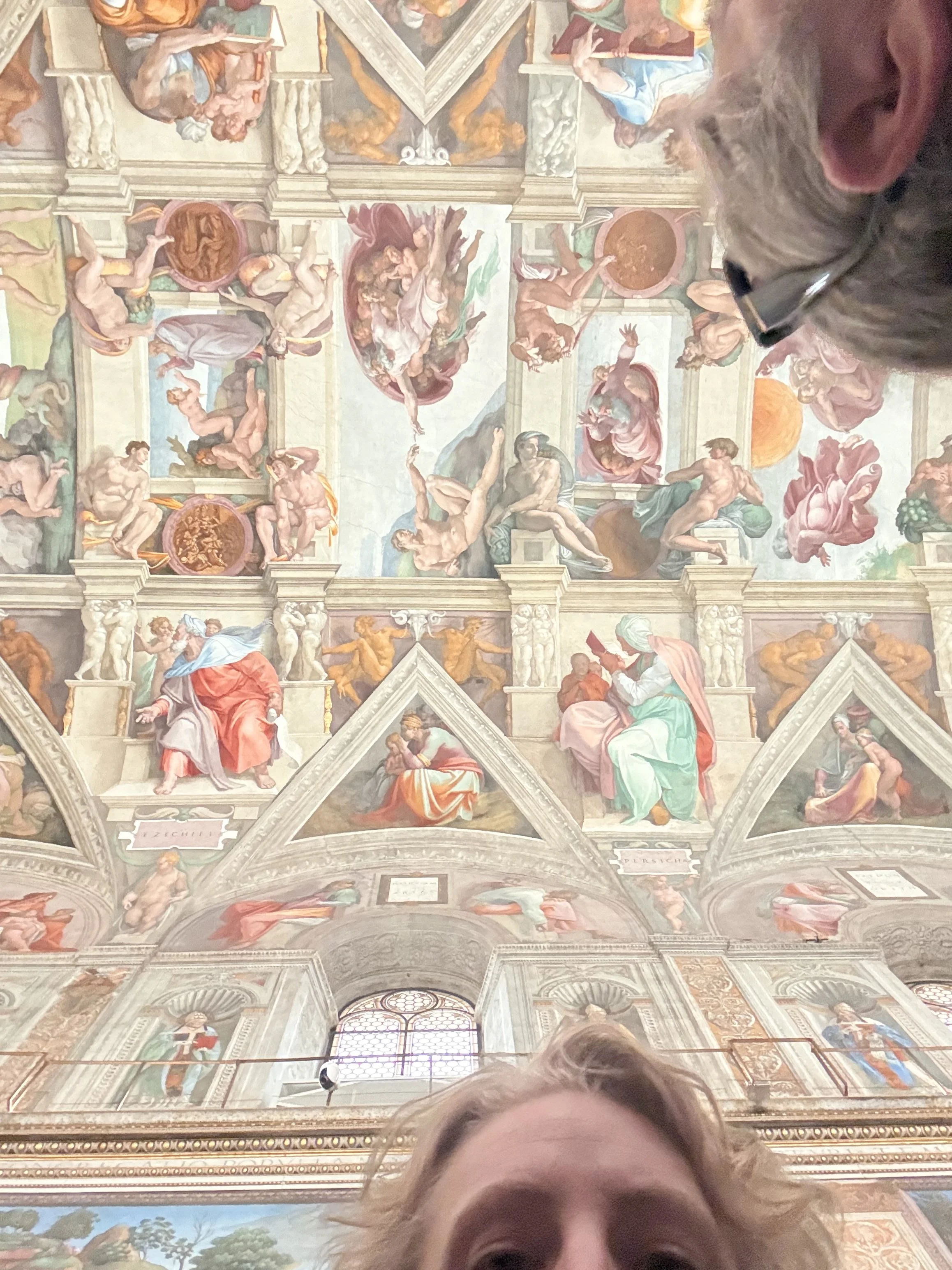
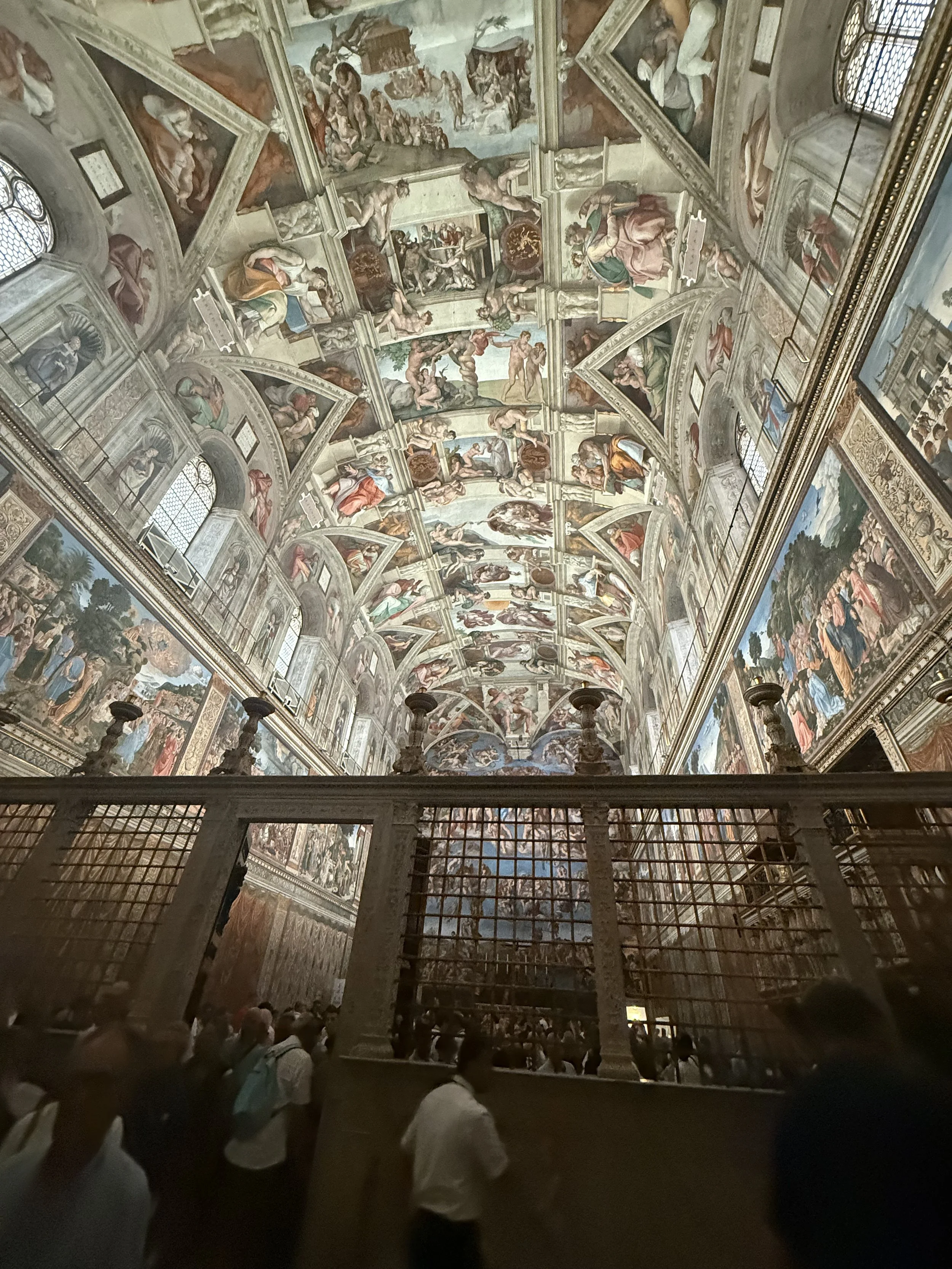
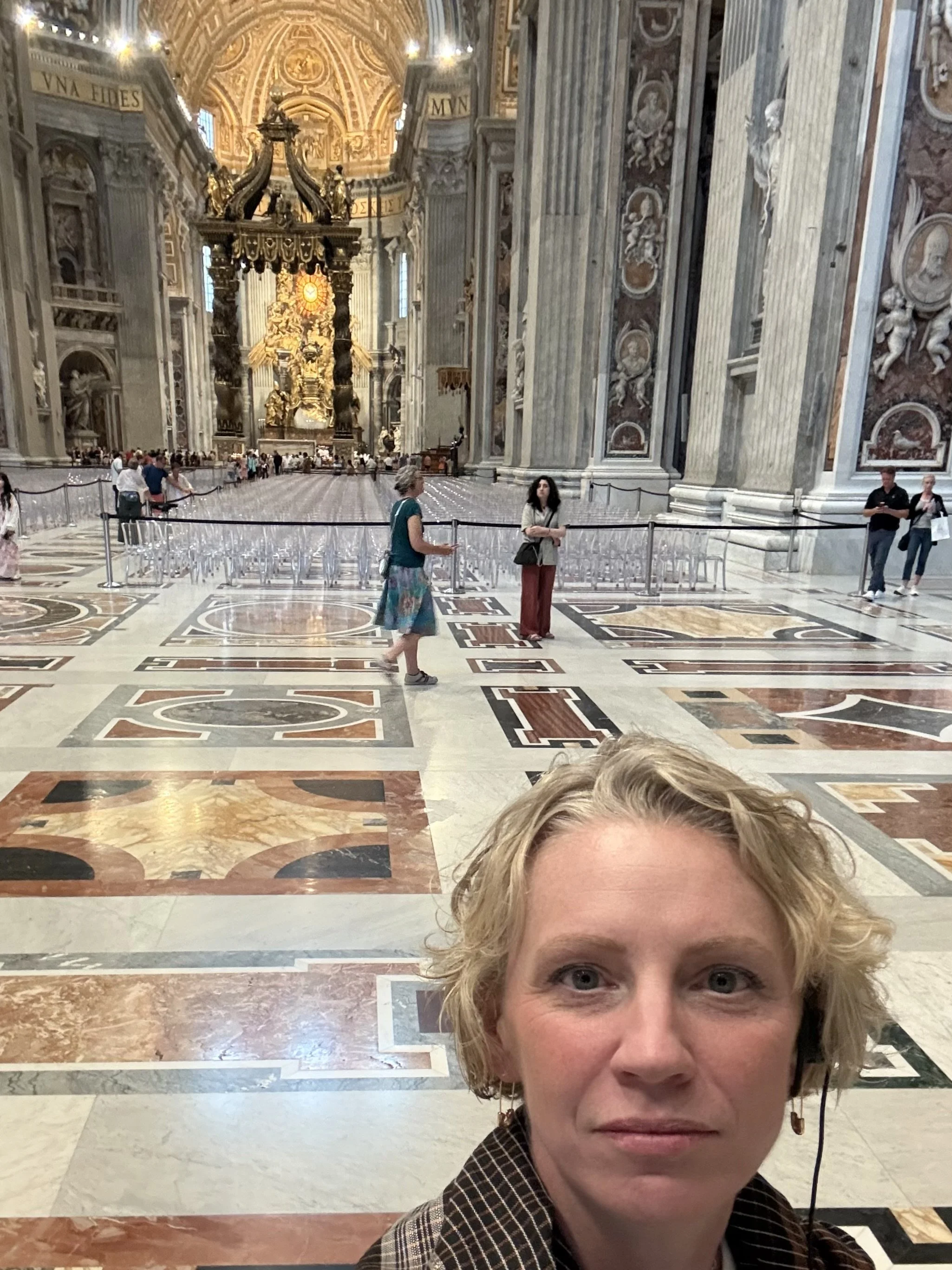
That evening Caterina arranged something truly extraordinary: a private after-hours visit to St. Peter's Basilica. With the crowds gone and the immense church nearly empty, we were able to quietly take in the architecture, mosaics, sculpture, and sacred atmosphere in a way few people ever experience. It was one of the most memorable moments of the entire trip.
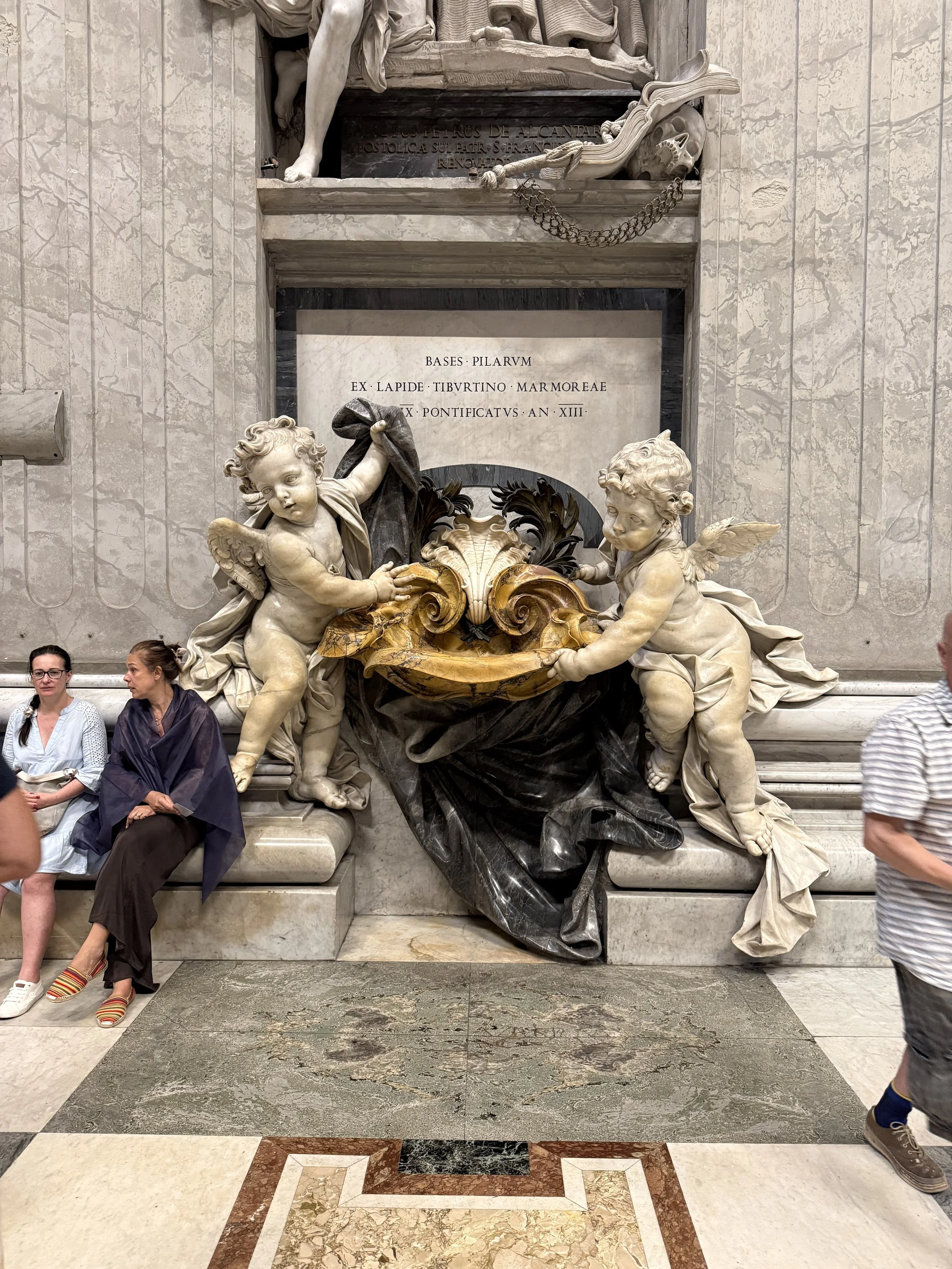
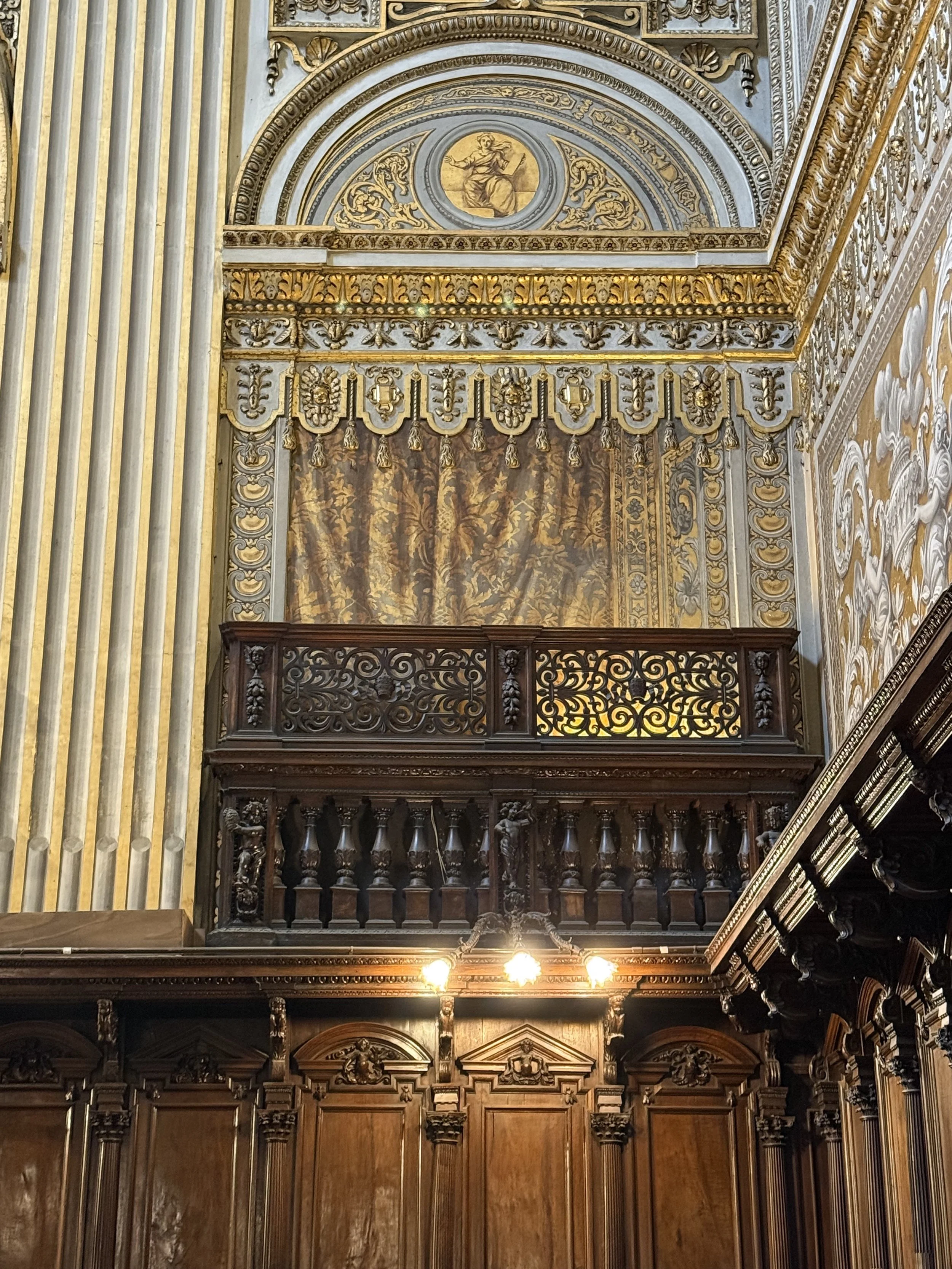
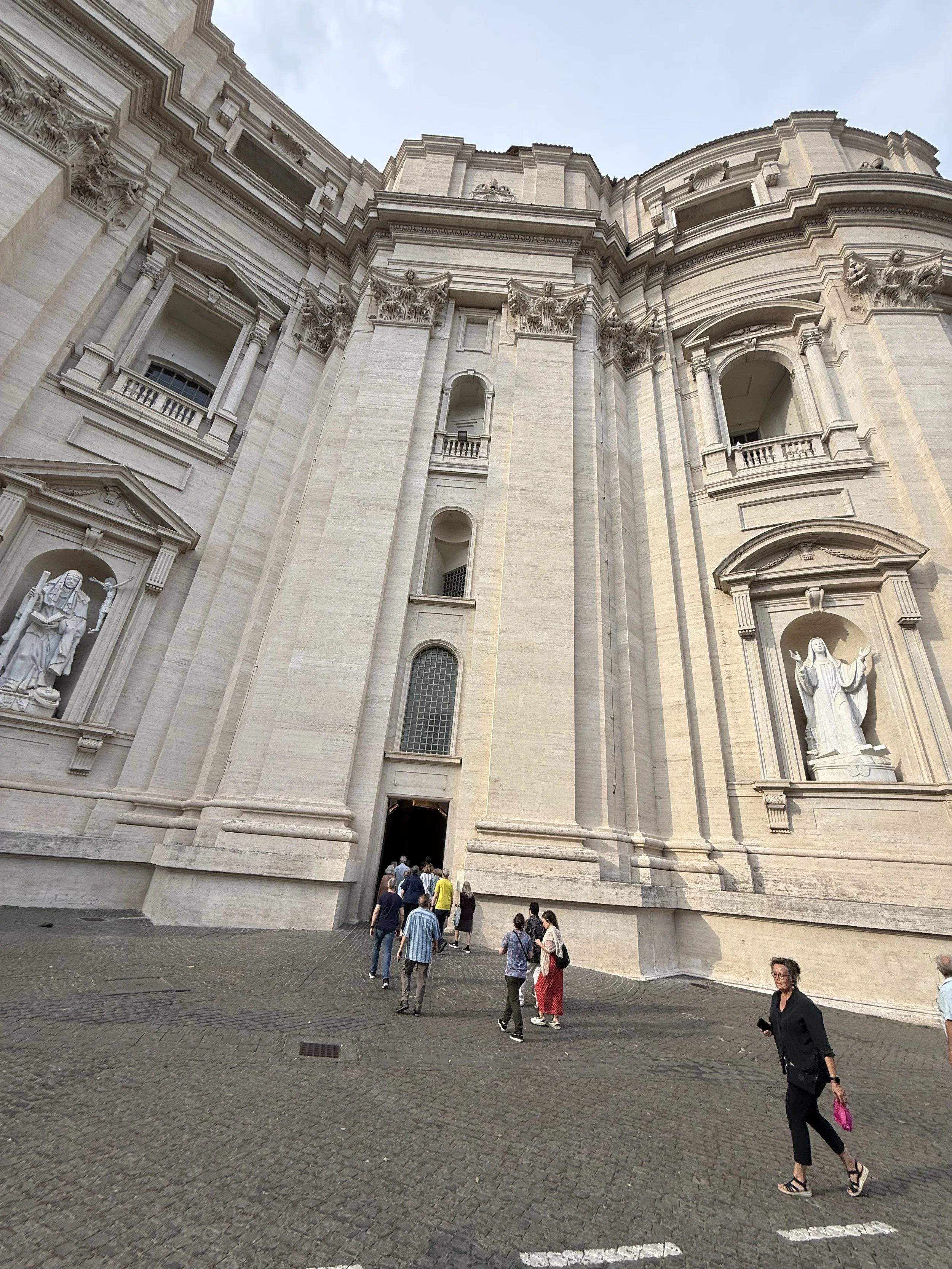
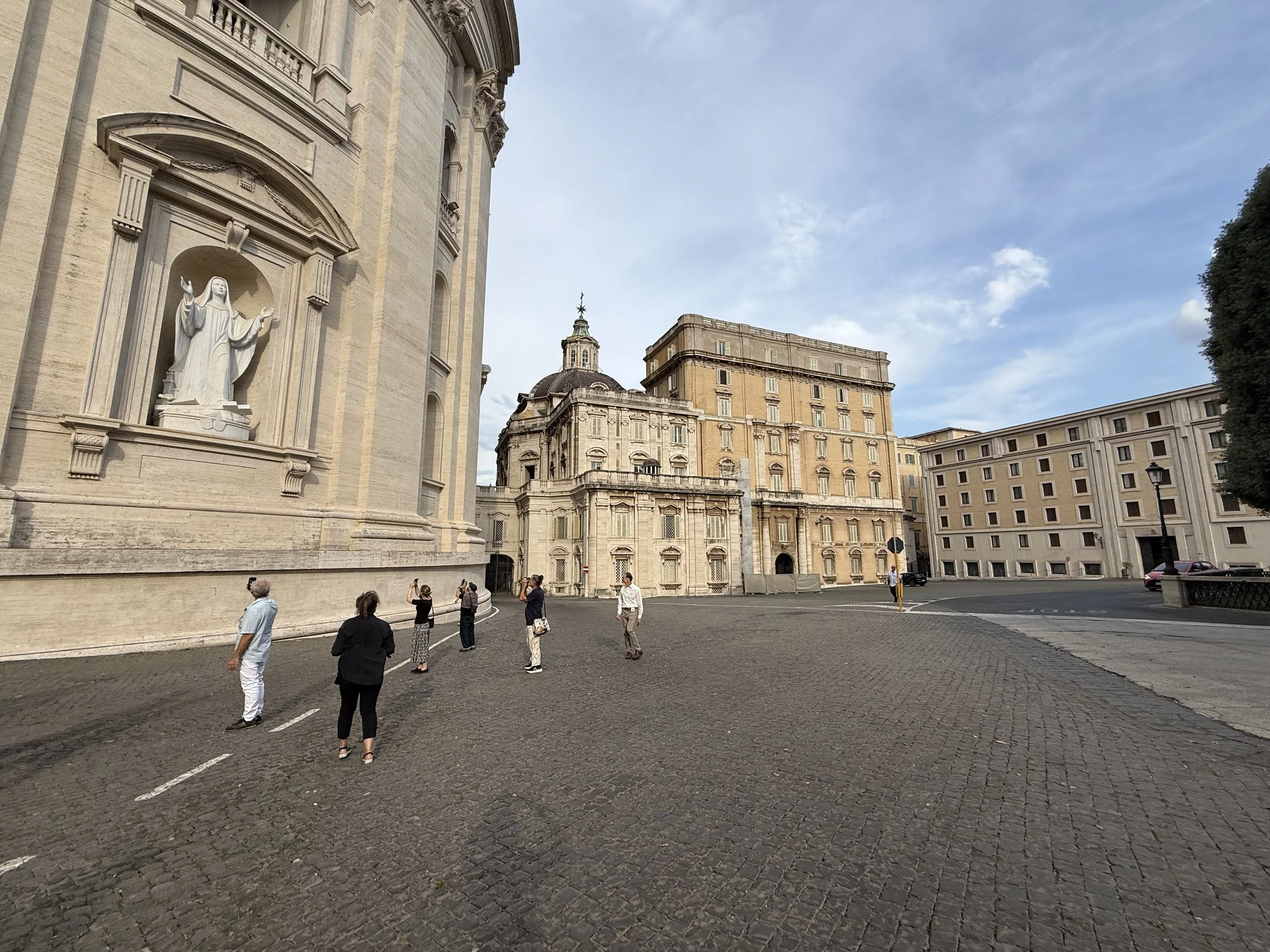
Saturday morning brought another unforgettable experience. Thanks to one of the priests I recently worked with, we were able to obtain tickets for the Vatican Scavi Tour beneath St. Peter's Basilica, a visit that is notoriously difficult to arrange. Descending through centuries of history into the ancient Roman necropolis, seeing the remains of Constantine's original basilica, and ultimately standing near what has been venerated for nearly two thousand years as the tomb of St. Peter was deeply moving.
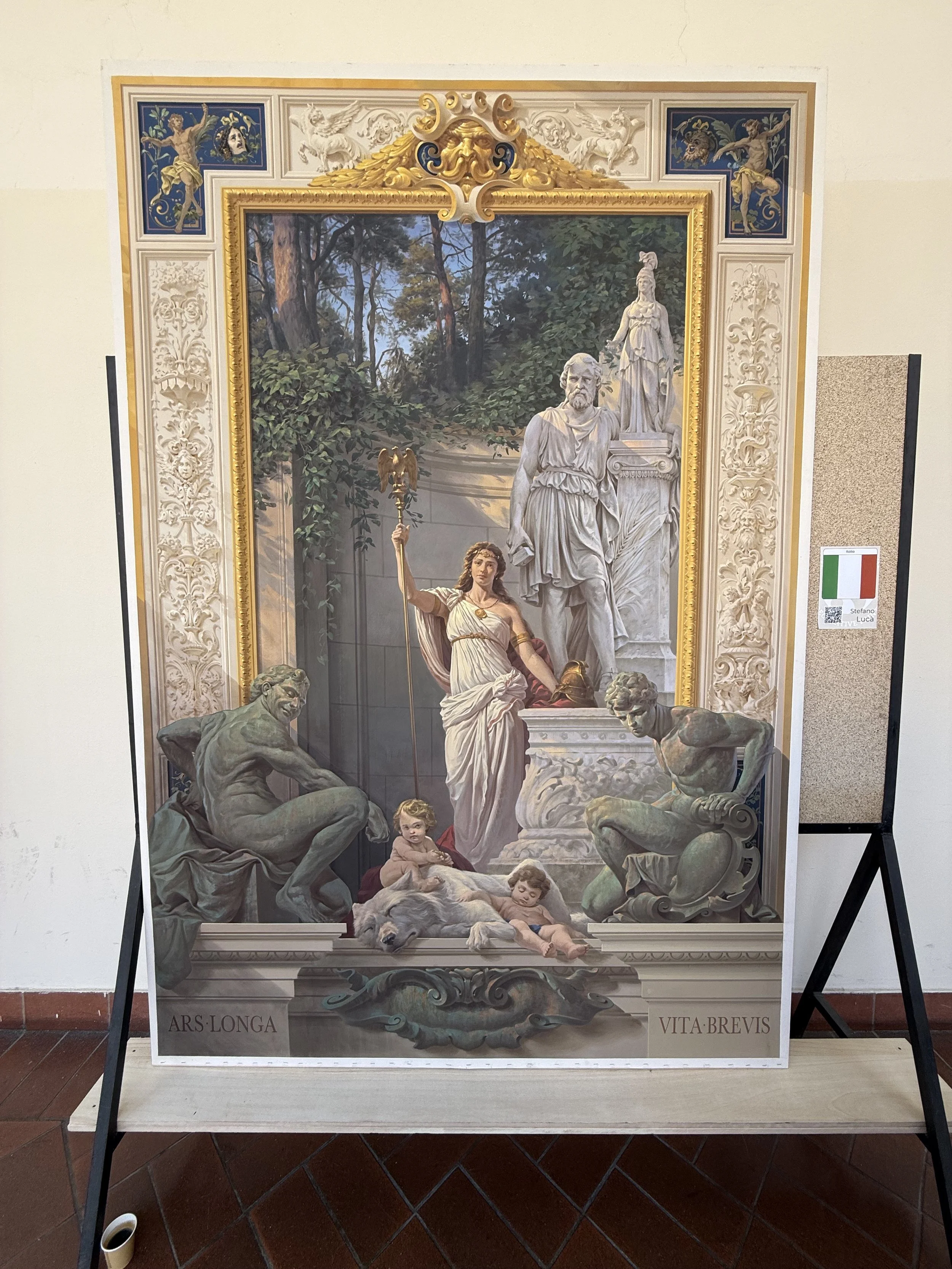
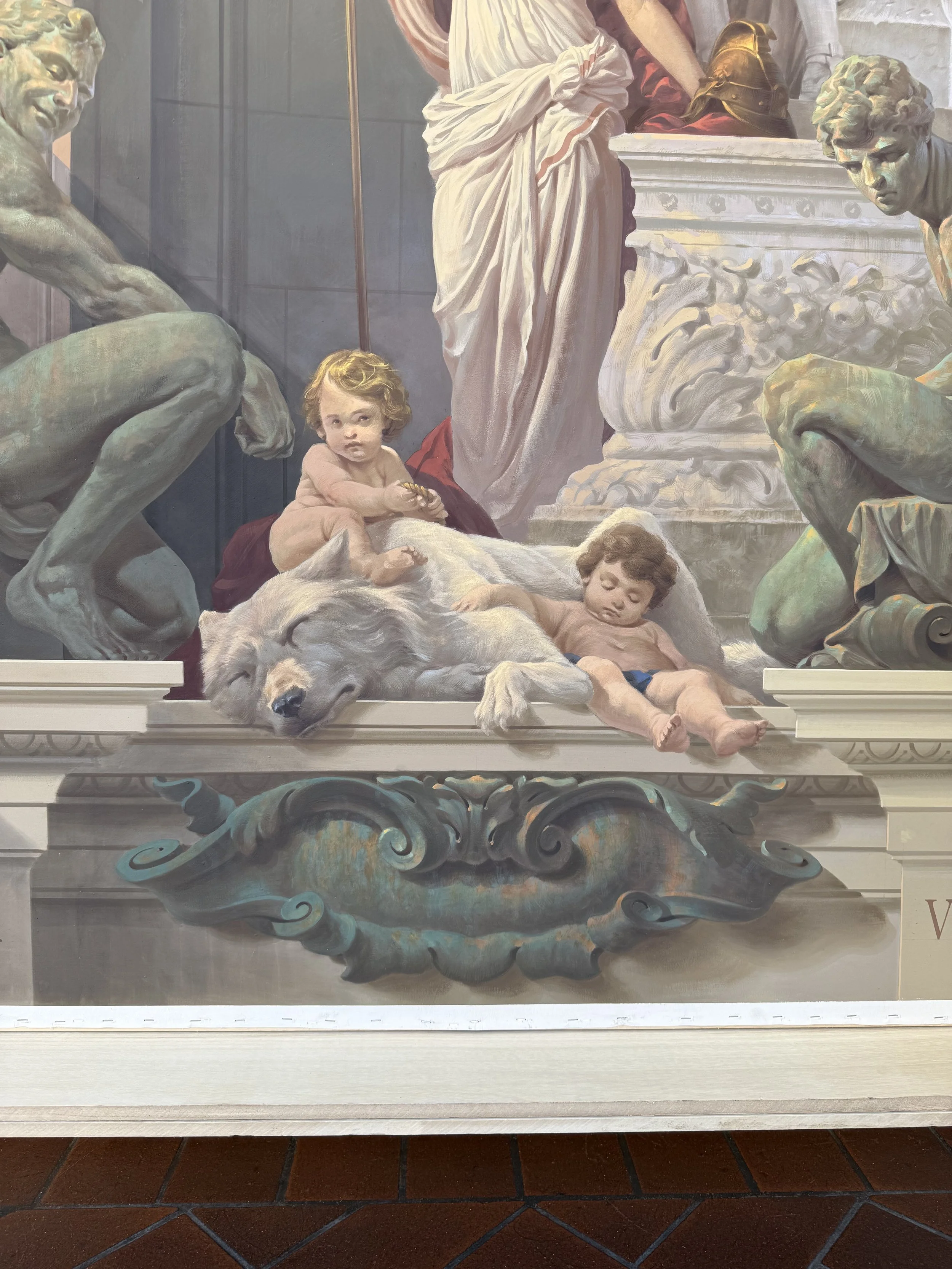
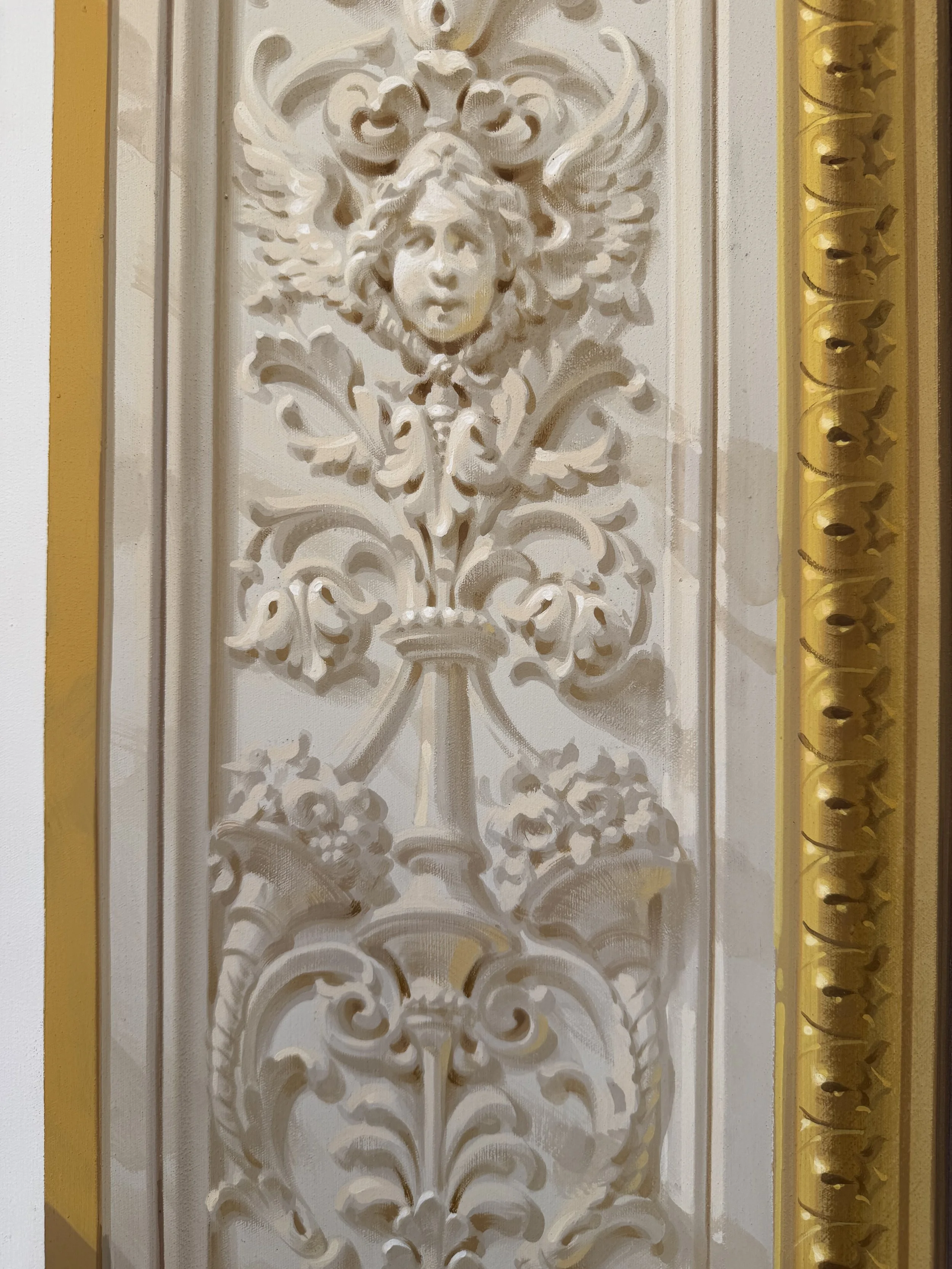
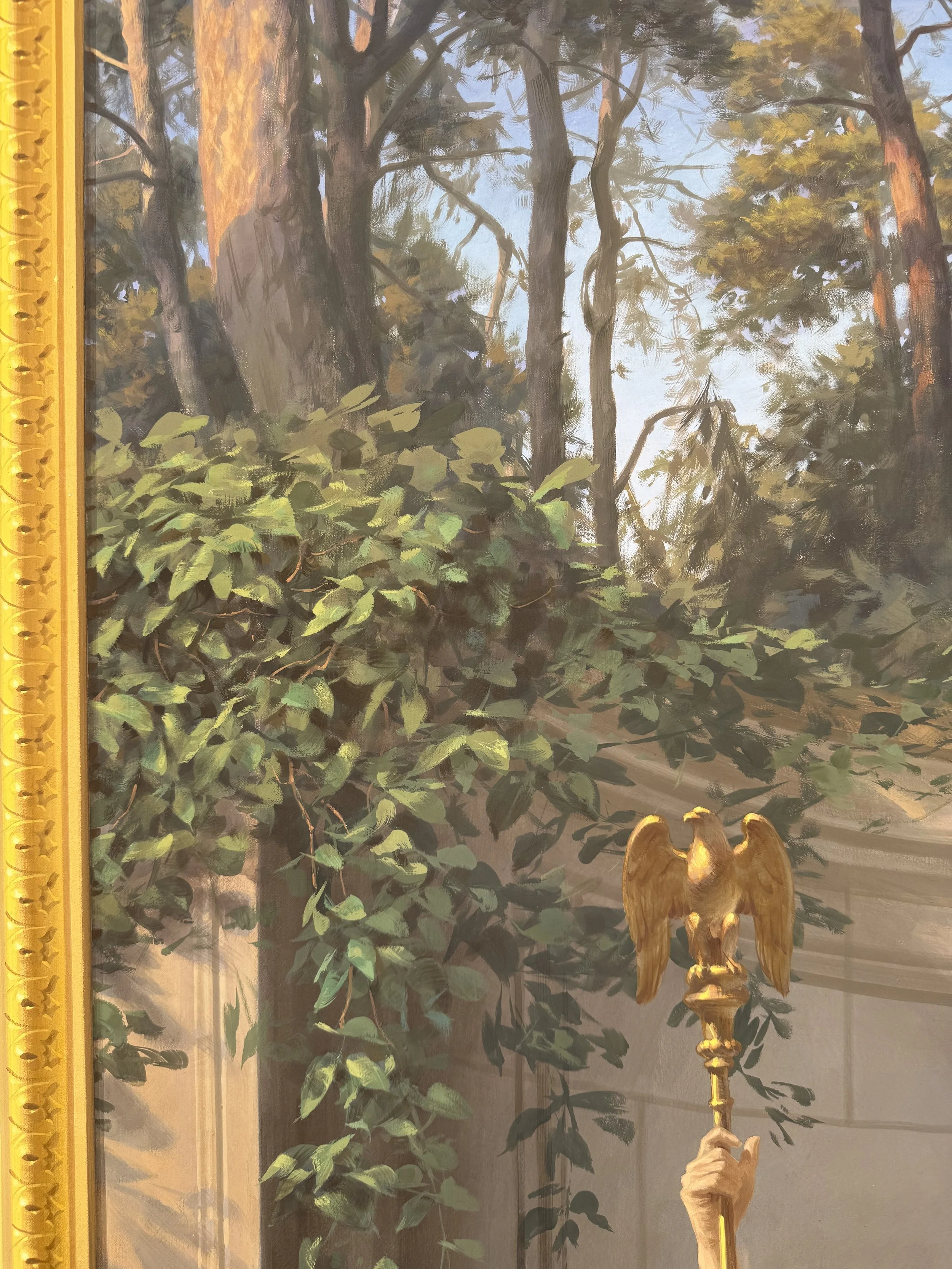
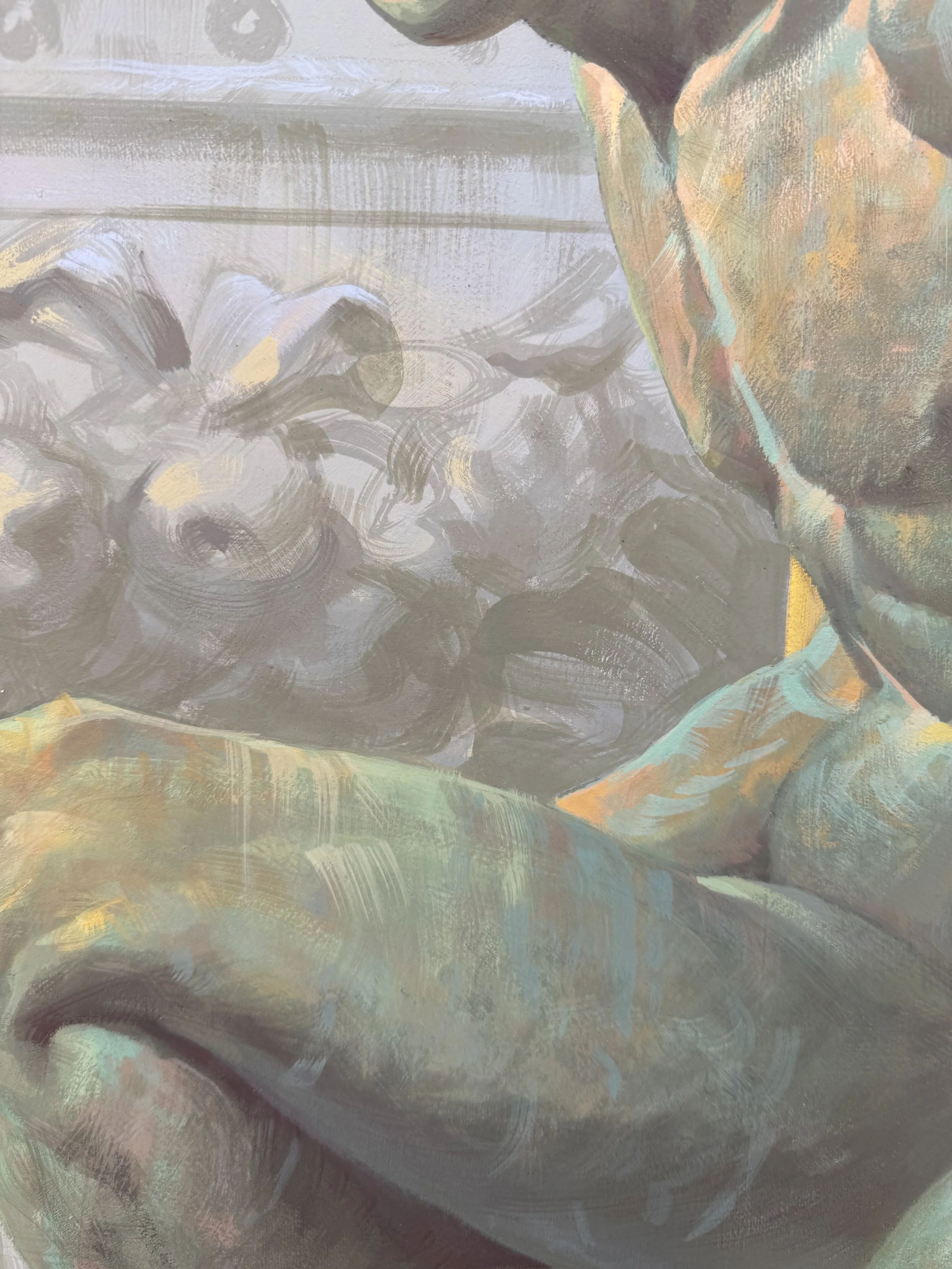
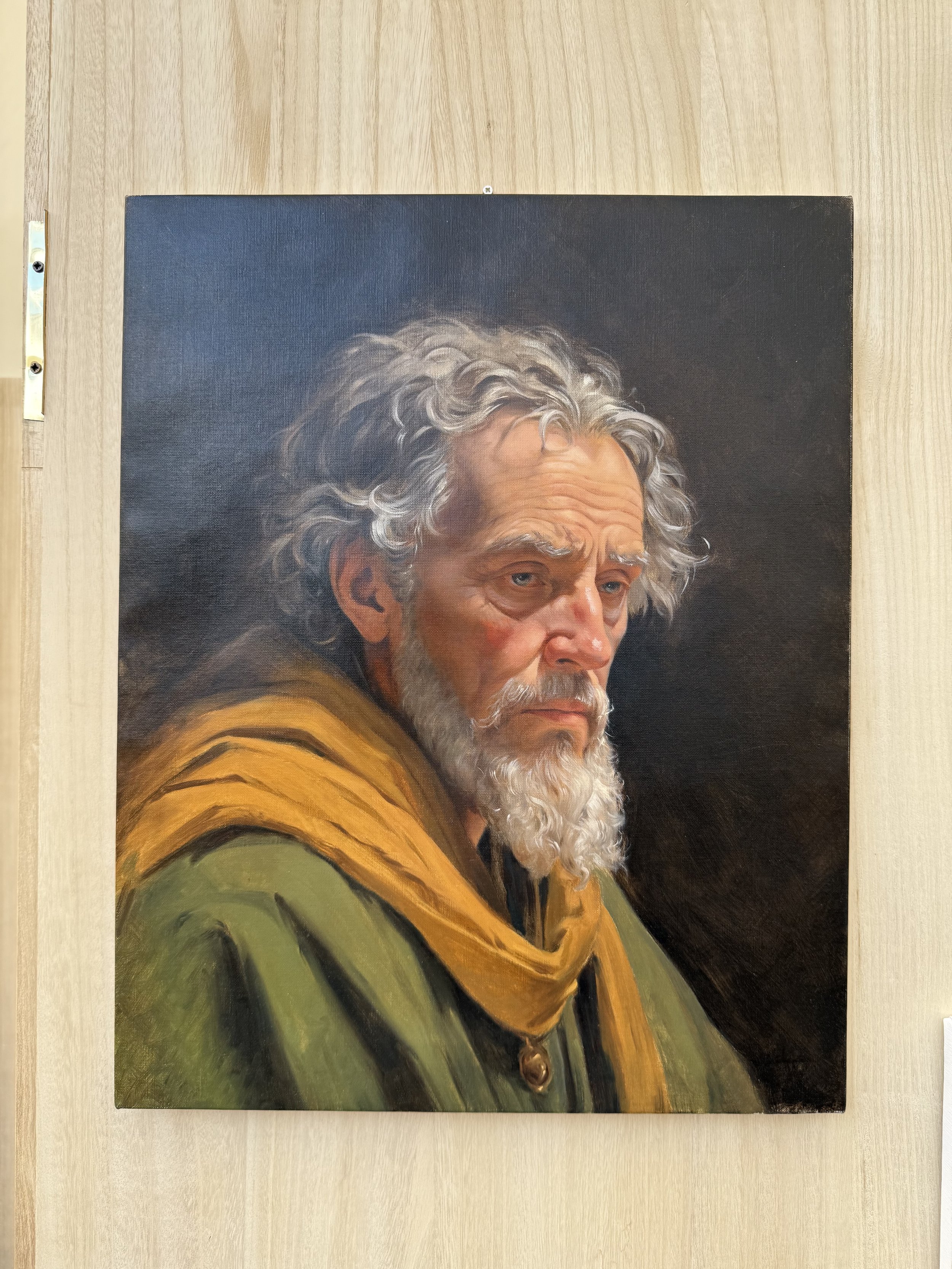
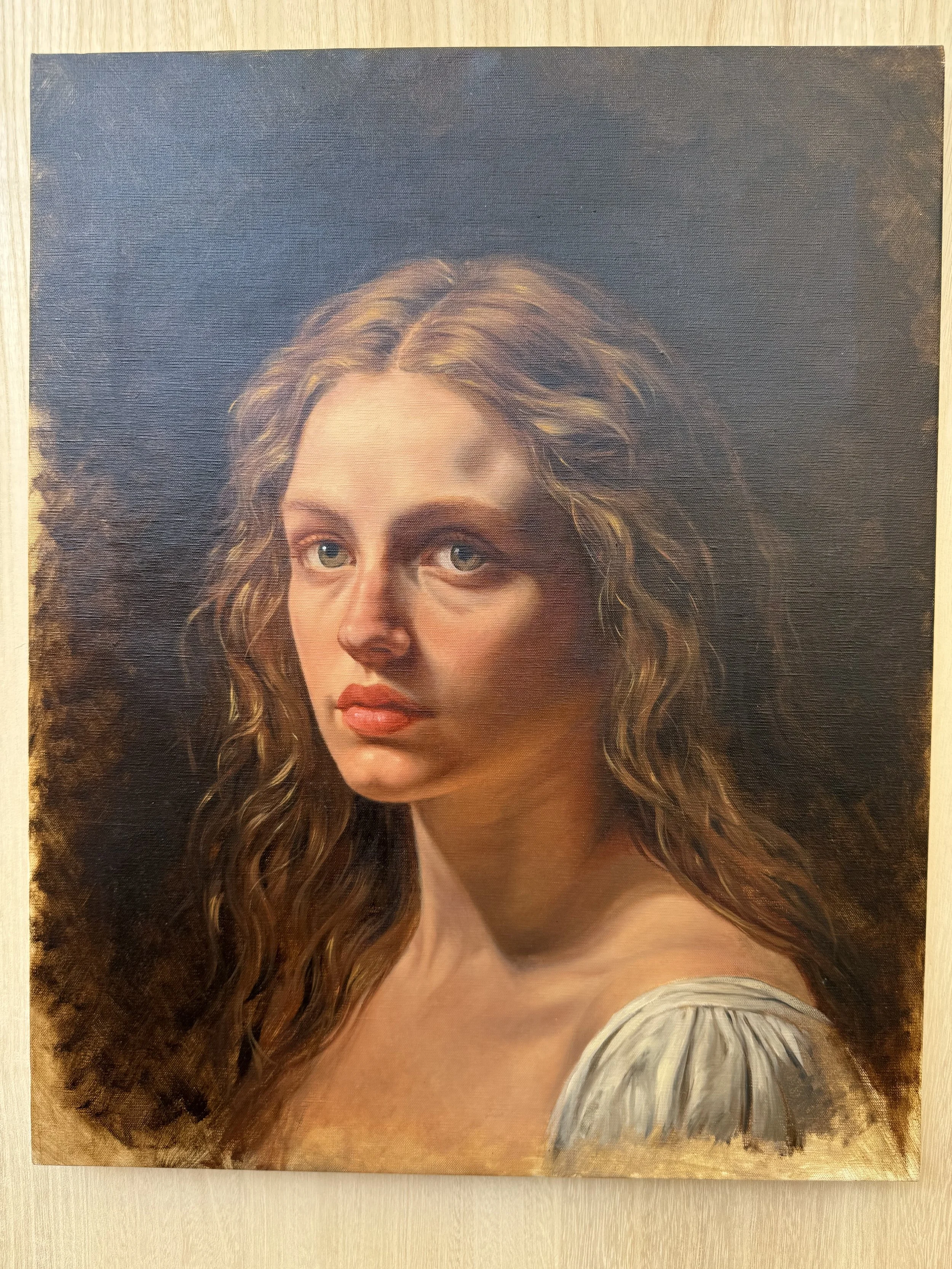
Sunday we returned to our panels and spent another day painting before attending a fascinating lecture on grottesca painting presented by Stefano Luca, Caterina's husband. Stefano and Caterina are not only among the finest decorative artists working today, but also among the kindest and most generous people you could hope to meet. Their passion for preserving traditional decorative arts is inspiring.
Stefano and Caterina’s work:
Closing Dinner
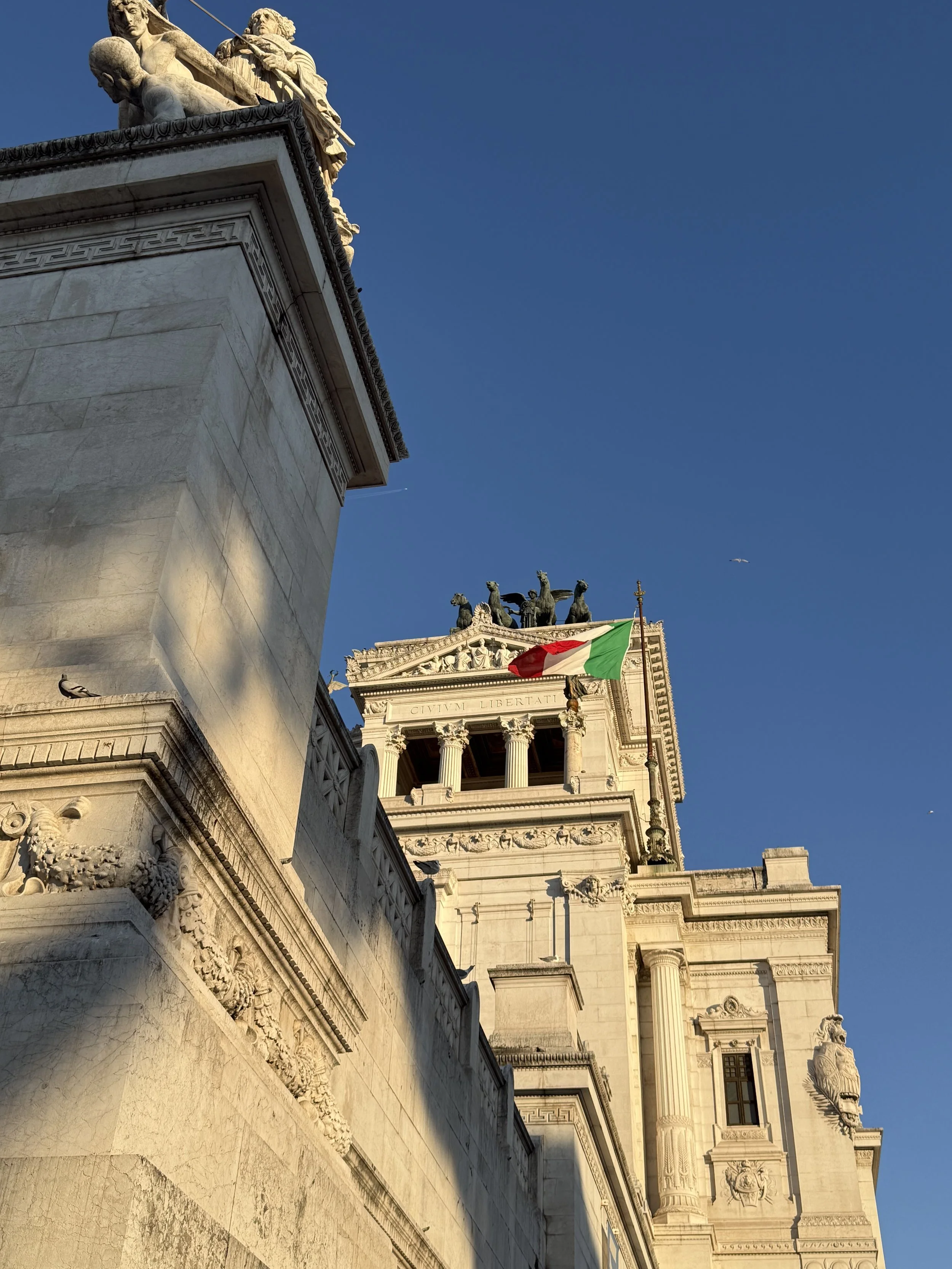
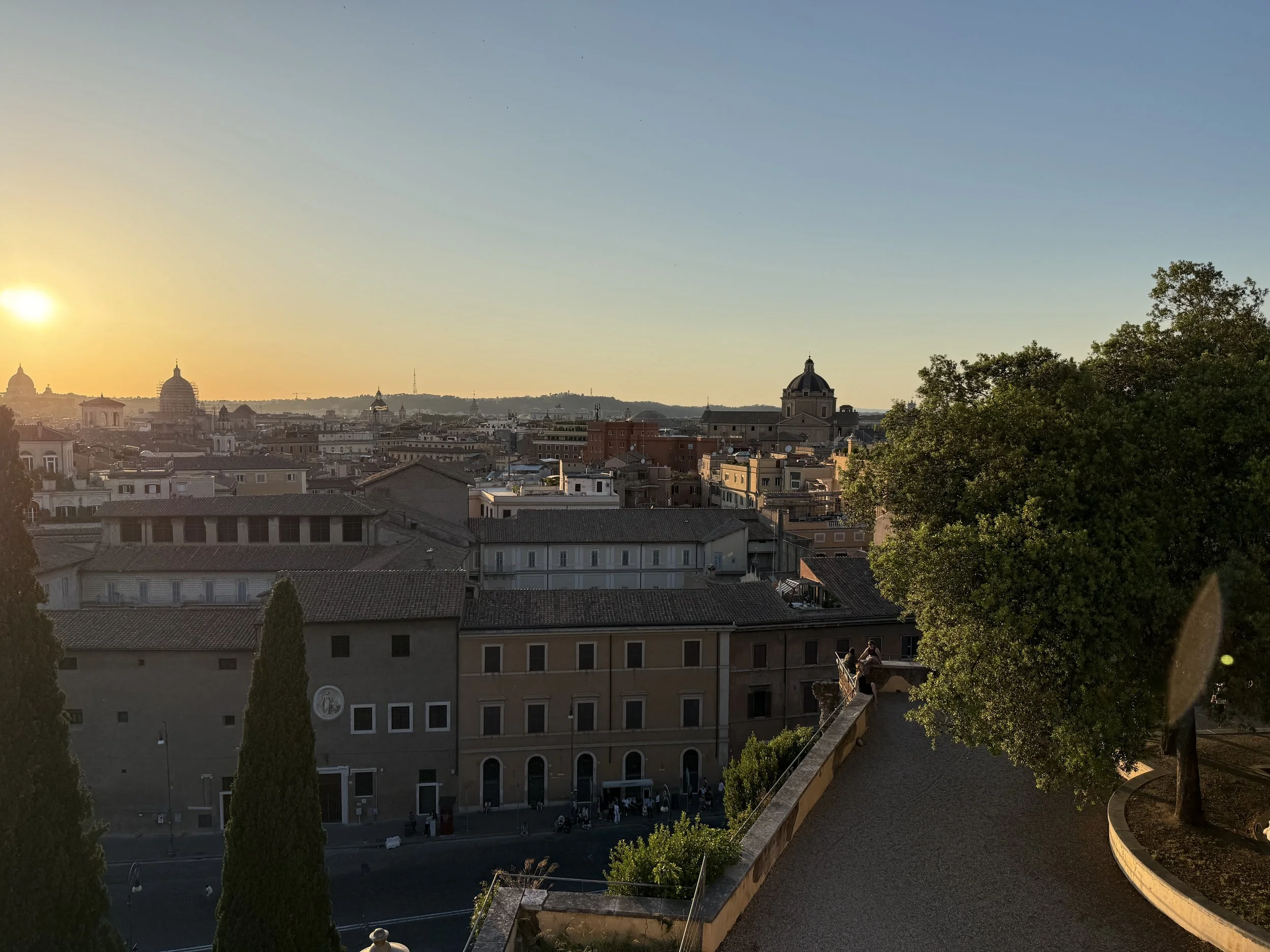
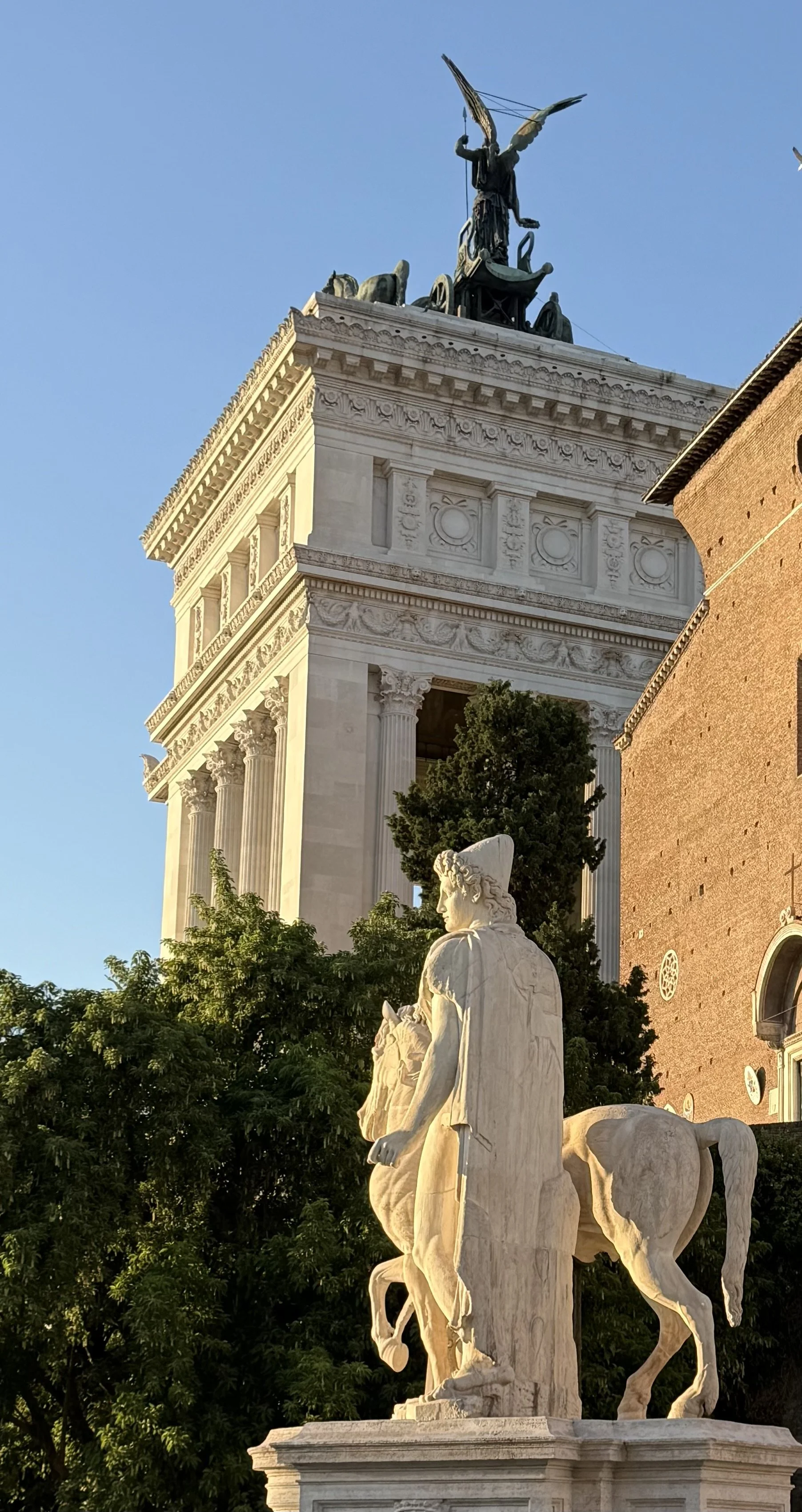
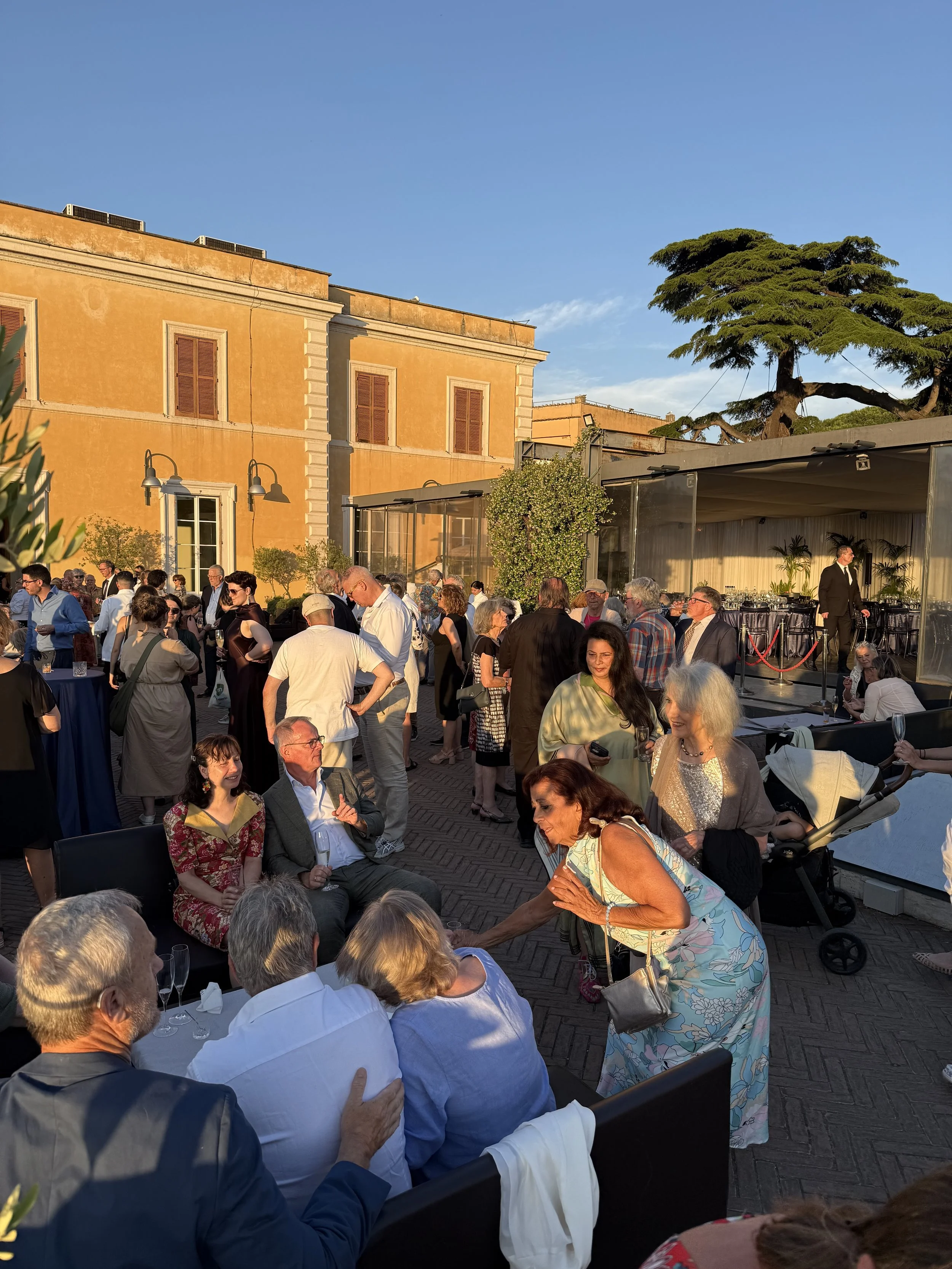
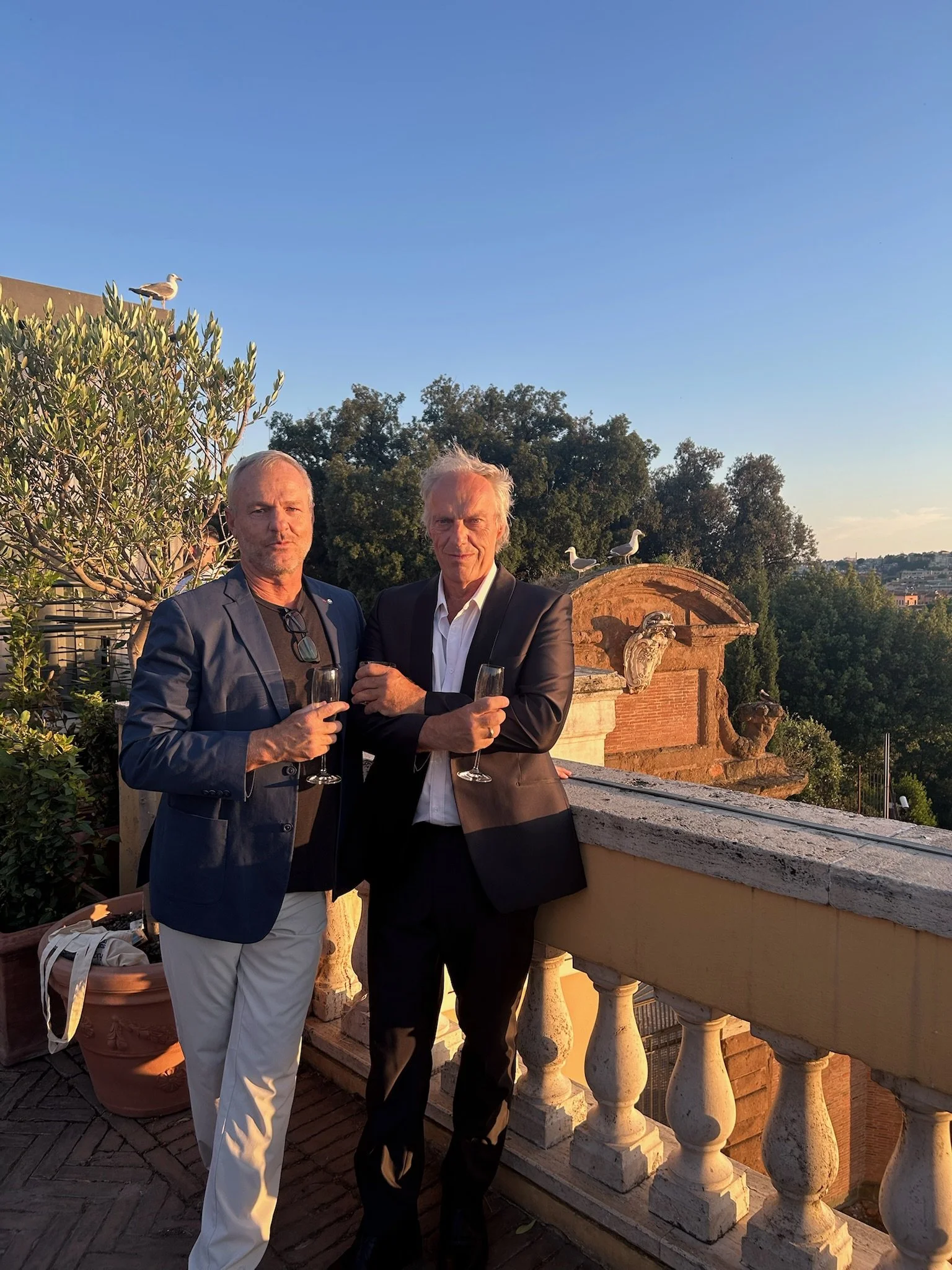
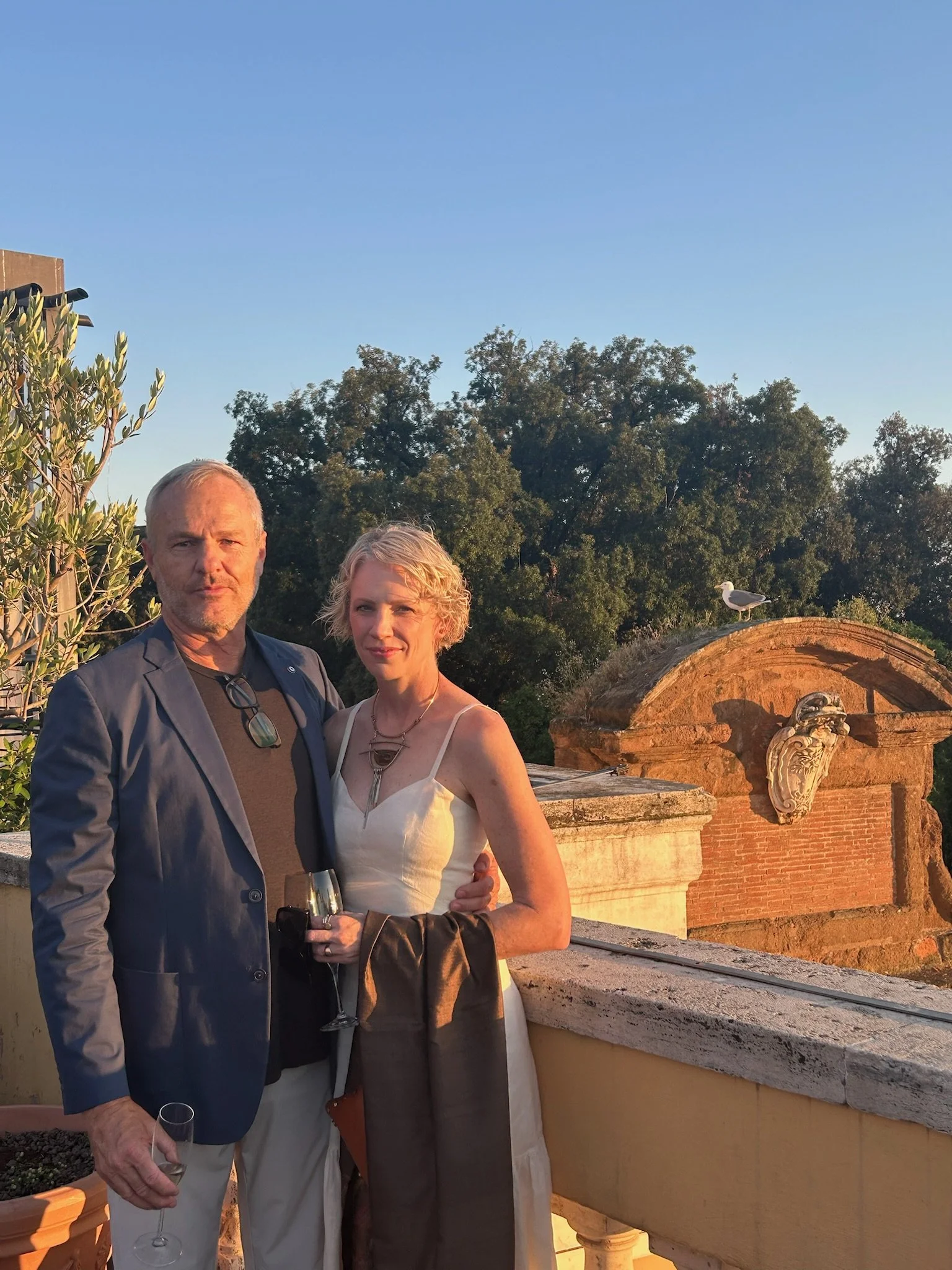
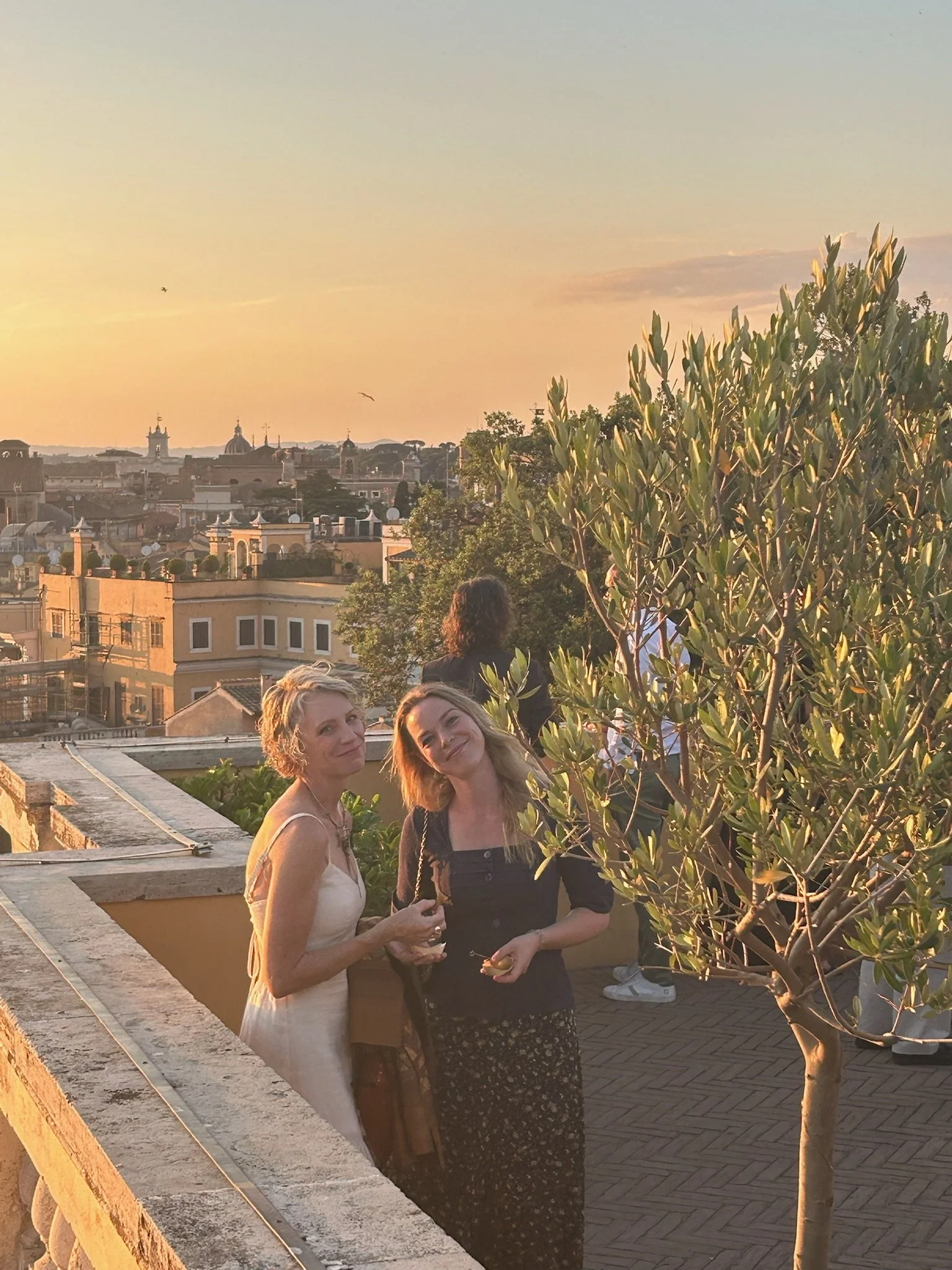
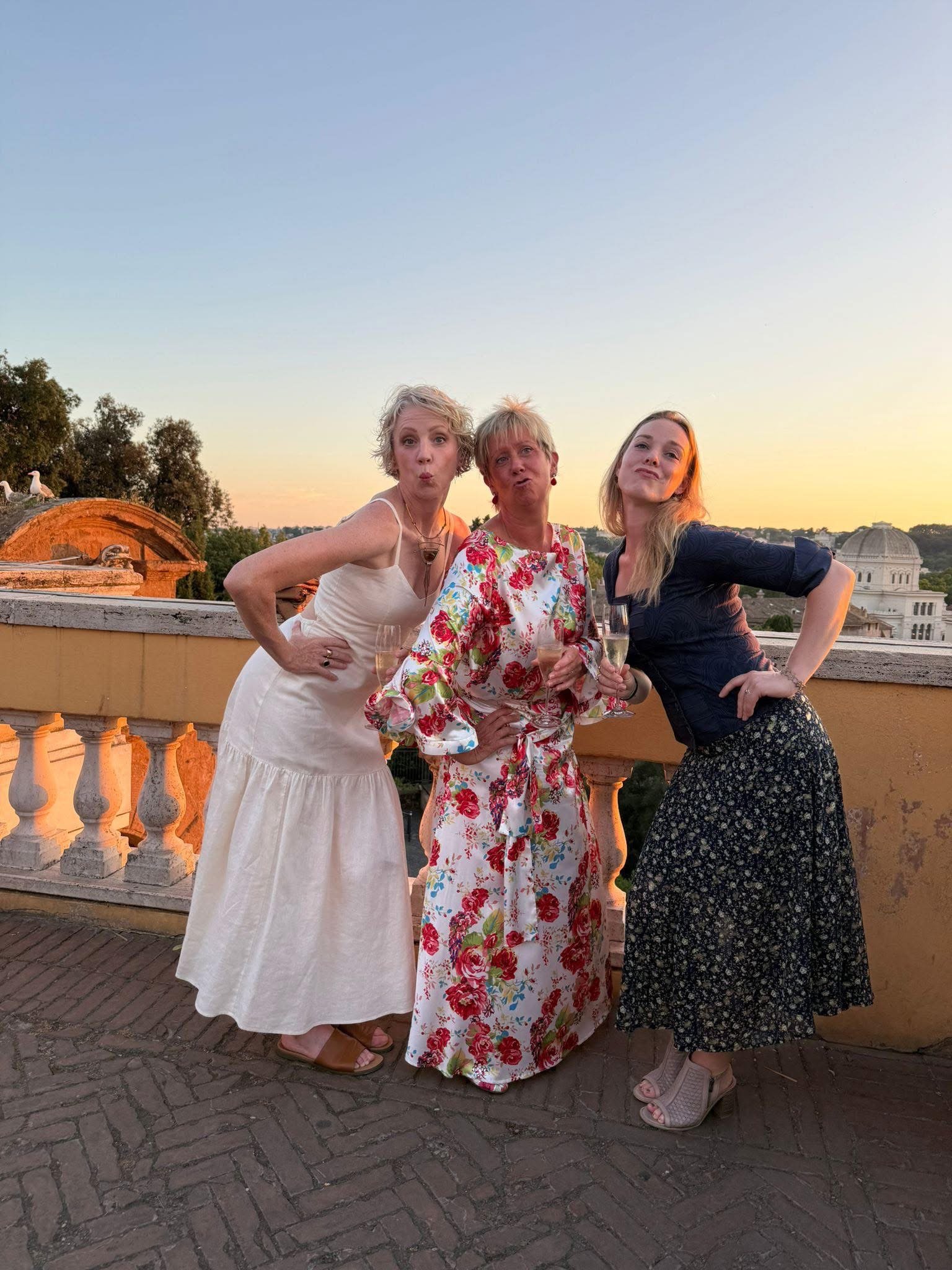
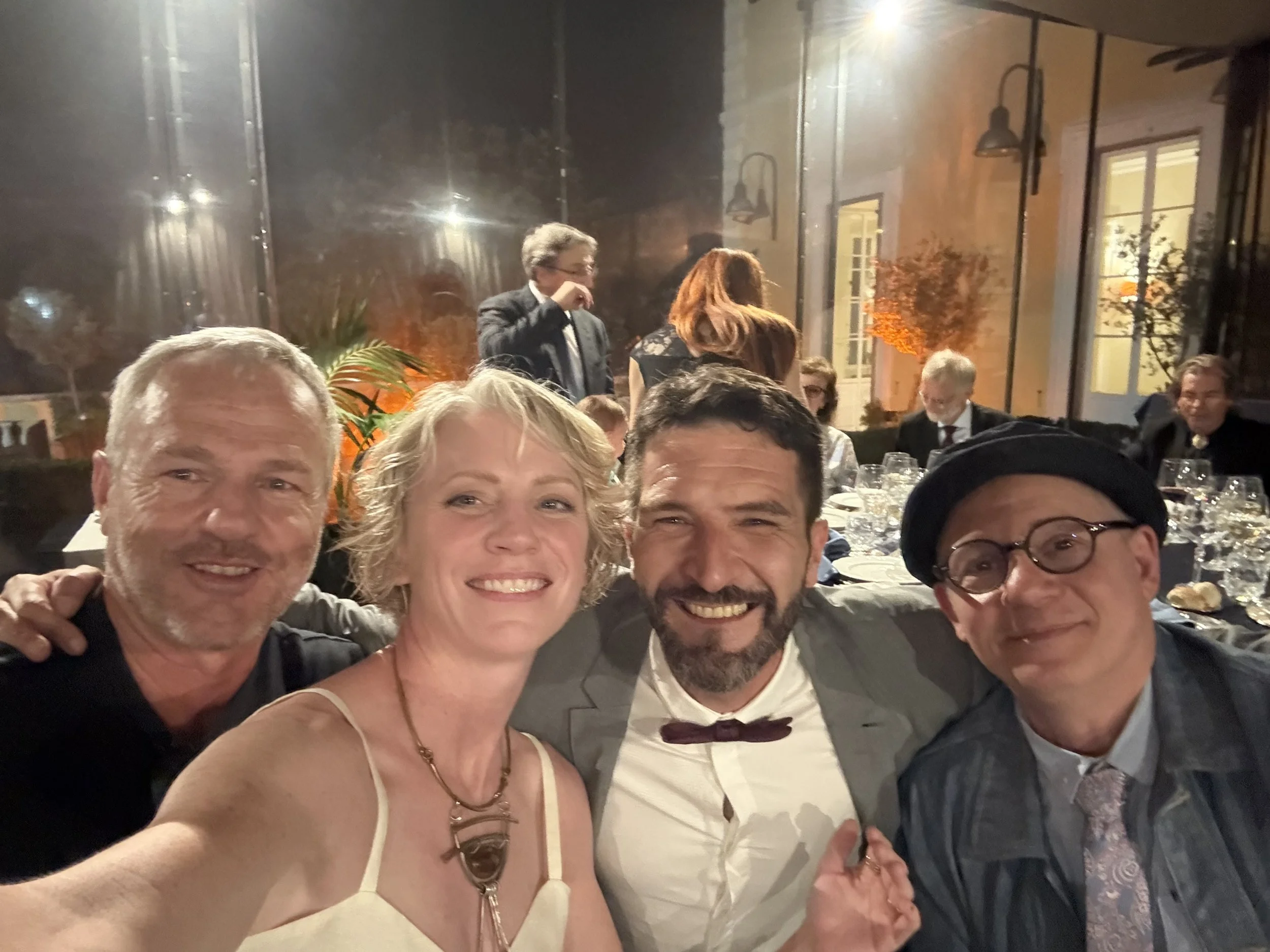
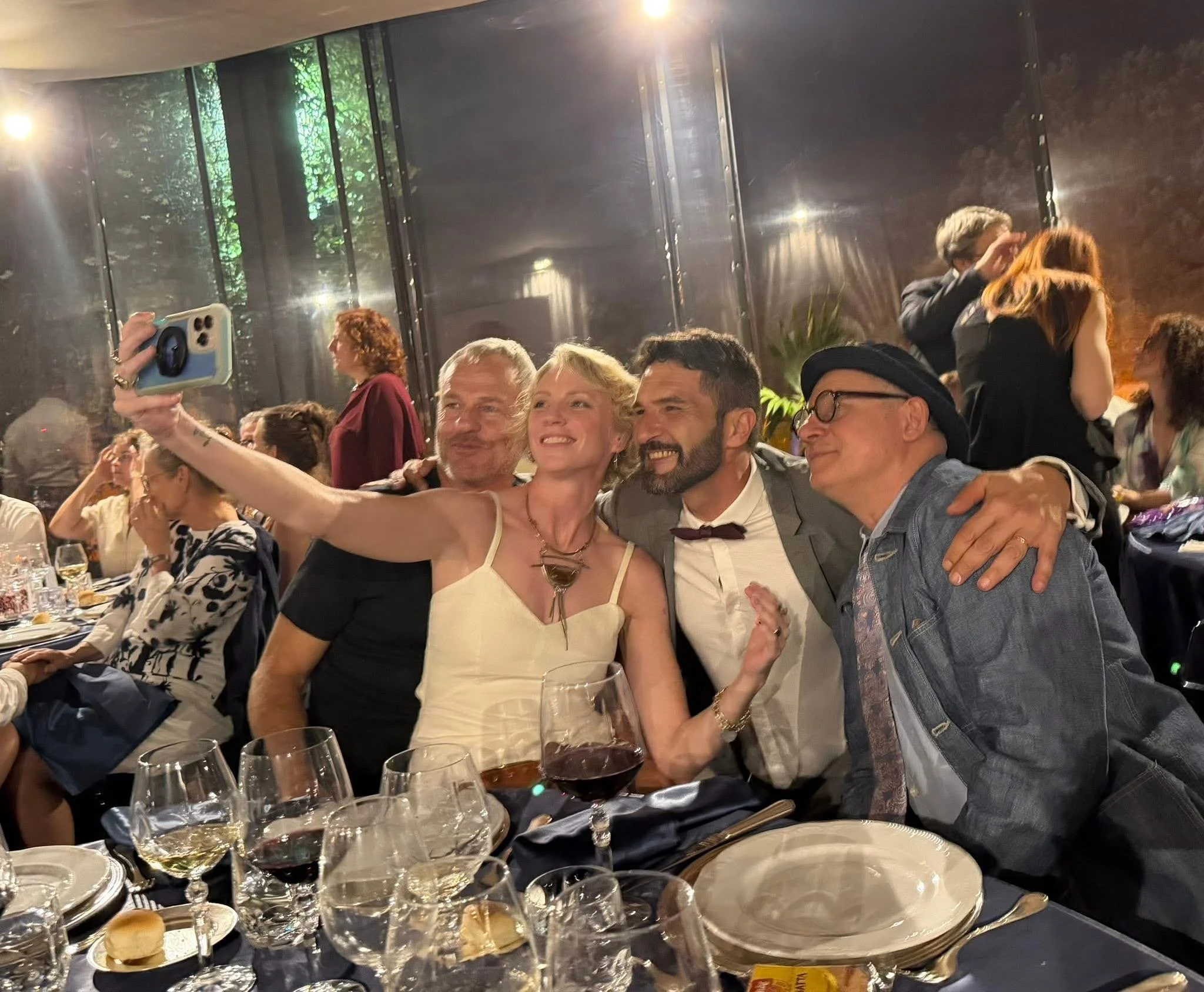
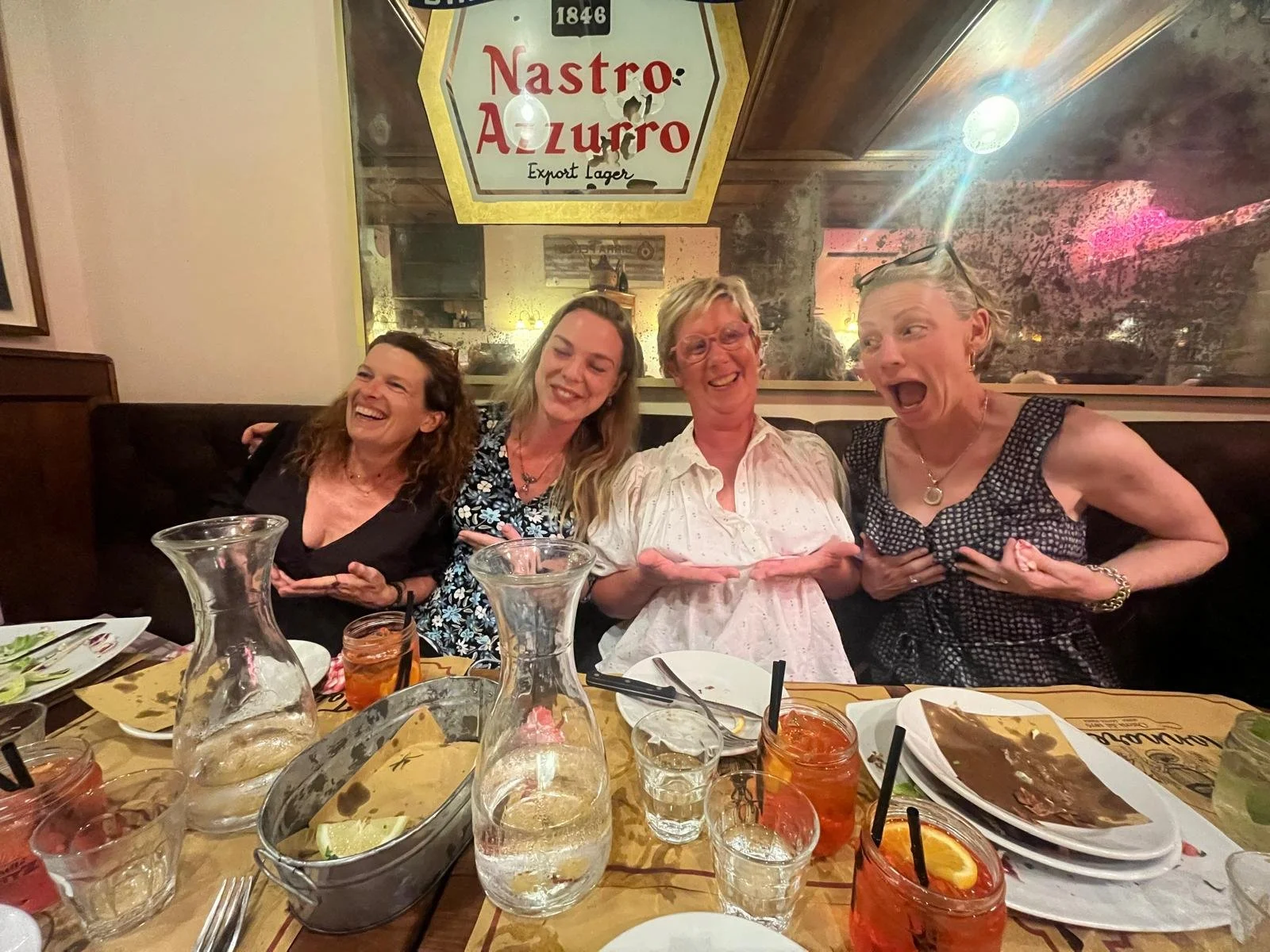
That evening we gathered for Salon's closing dinner in a beautiful open-air courtyard overlooking the Colossal Statue of Constantine near the Esedra di Marco Aurelio, just steps from the Colosseum. As the sun slowly set over Rome, we shared one last meal together, reflecting on a week filled with painting, learning, laughter, and friendships that span the globe. It was the perfect setting to celebrate the 30th anniversary of Salon and to toast another unforgettable gathering.
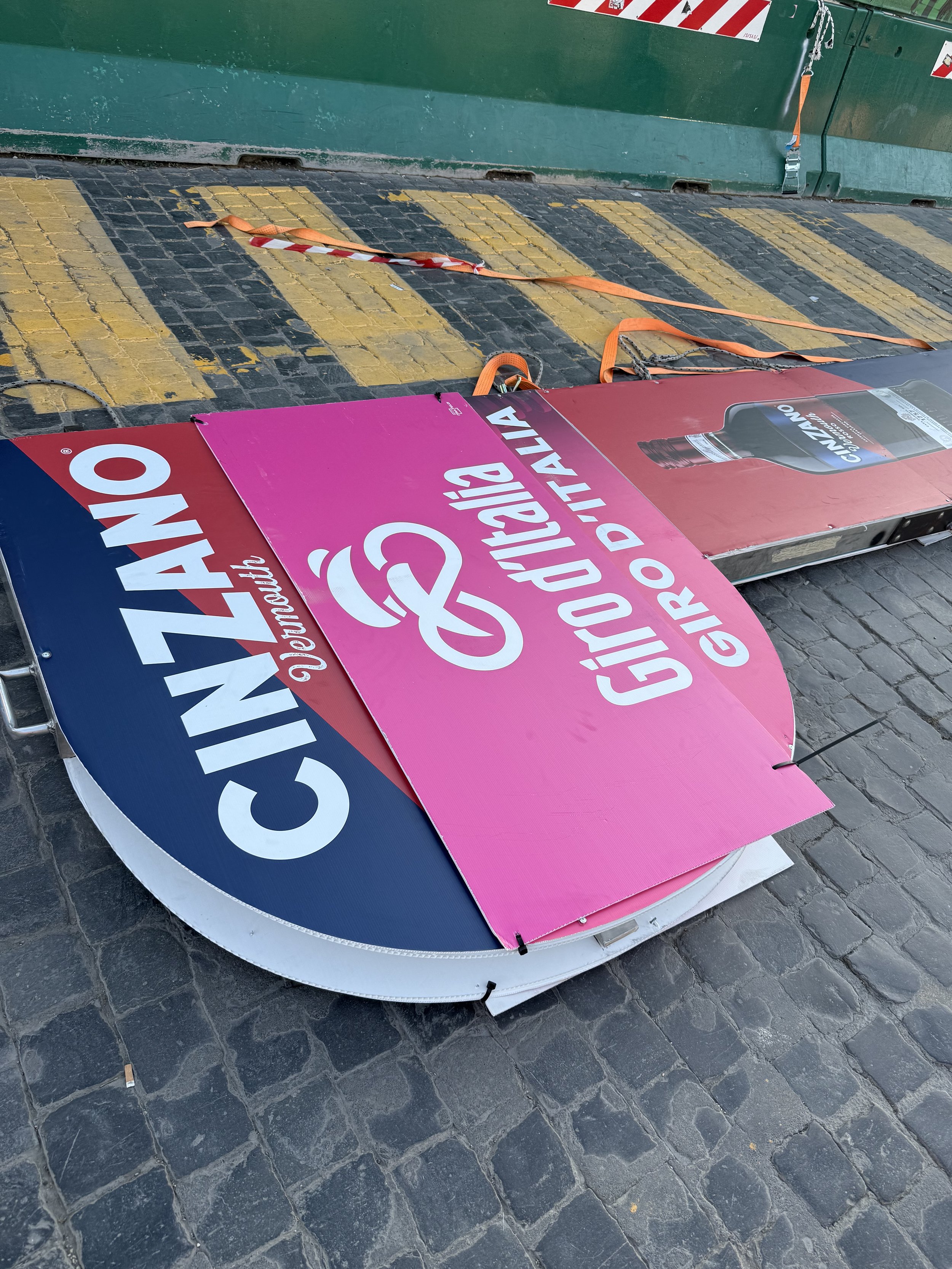
As if Rome hadn't provided enough excitement already, preparations were underway for the final stage of the Giro d'Italia, which would race through the city. Grandstands and barriers lined the nearby streets, adding an electric energy to the evening. Although the timing of our dinner meant we couldn't watch the race itself, it was fun to see Rome buzzing with anticipation for one of Italy's greatest sporting traditions.
Post Salon
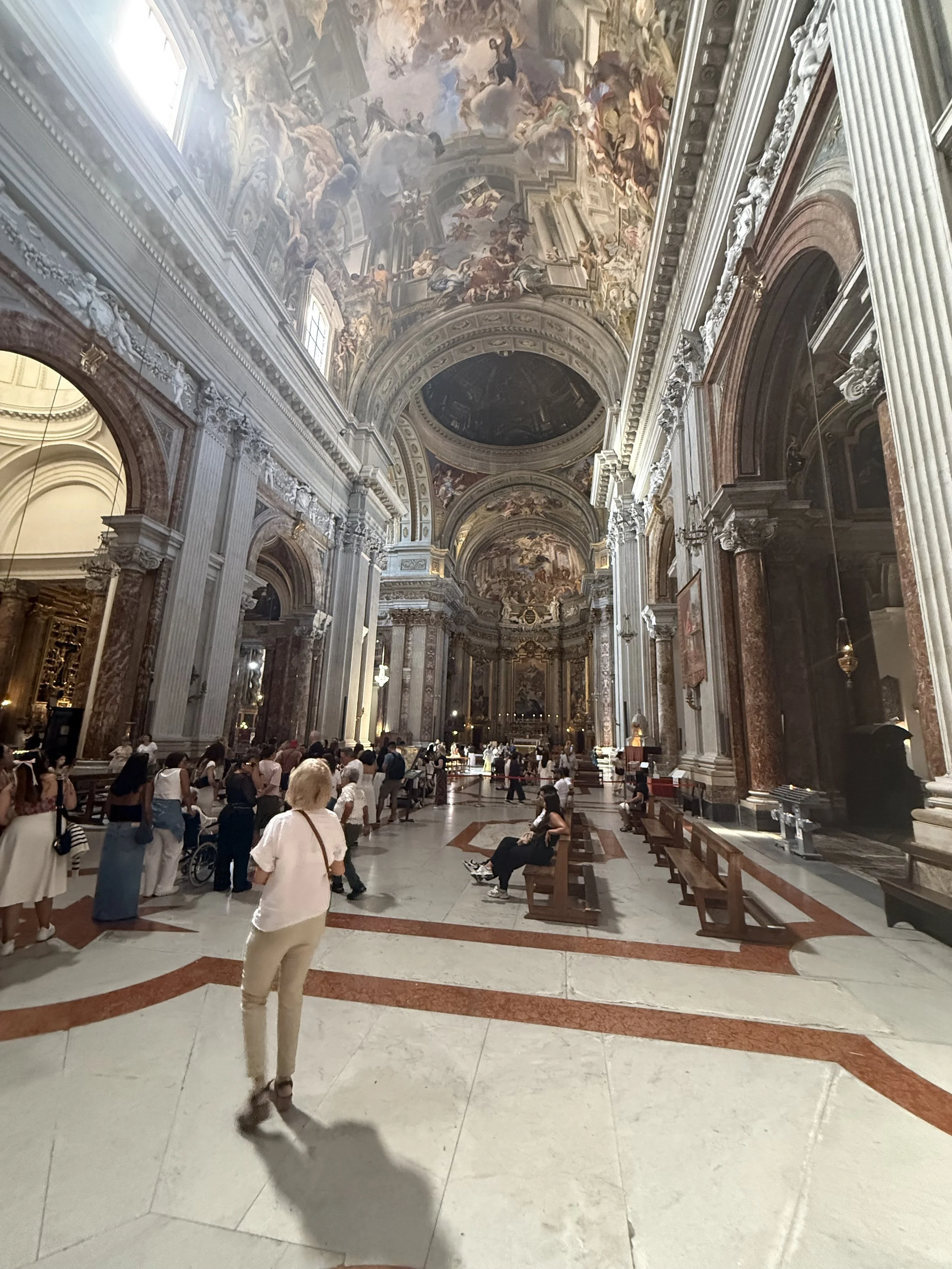
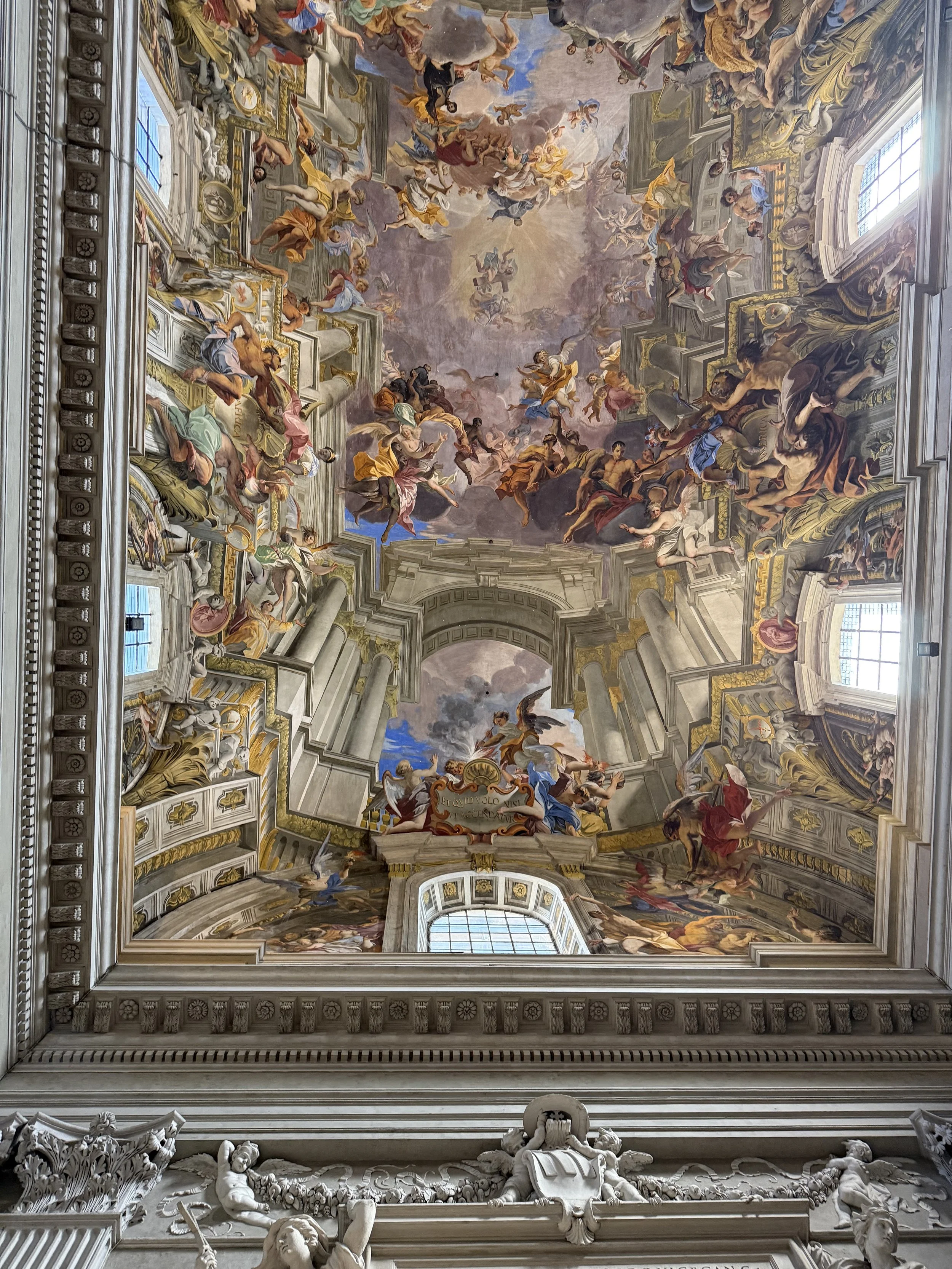
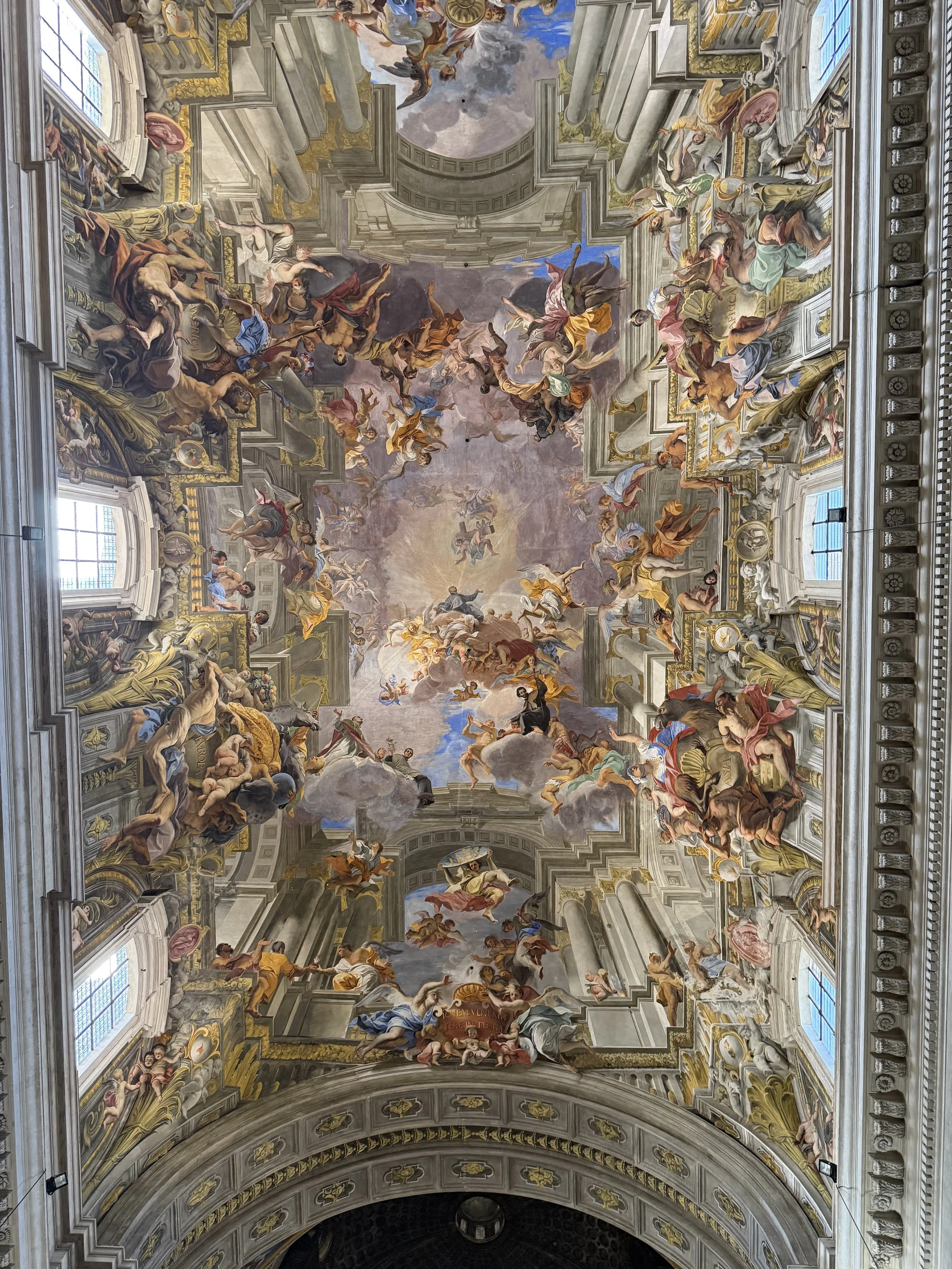
With Salon officially concluded, we finally had a chance to explore a bit more. Monday began at the Church of Sant'Ignazio di Loyola. Andrea Pozzo's breathtaking perspective ceiling is one of those masterpieces that simply cannot be appreciated through photographs. The illusion of architecture opening into heaven is astonishing, and every step across the nave changes the perspective. It is truly a feast for the eyes and a masterclass in trompe l'oeil painting.
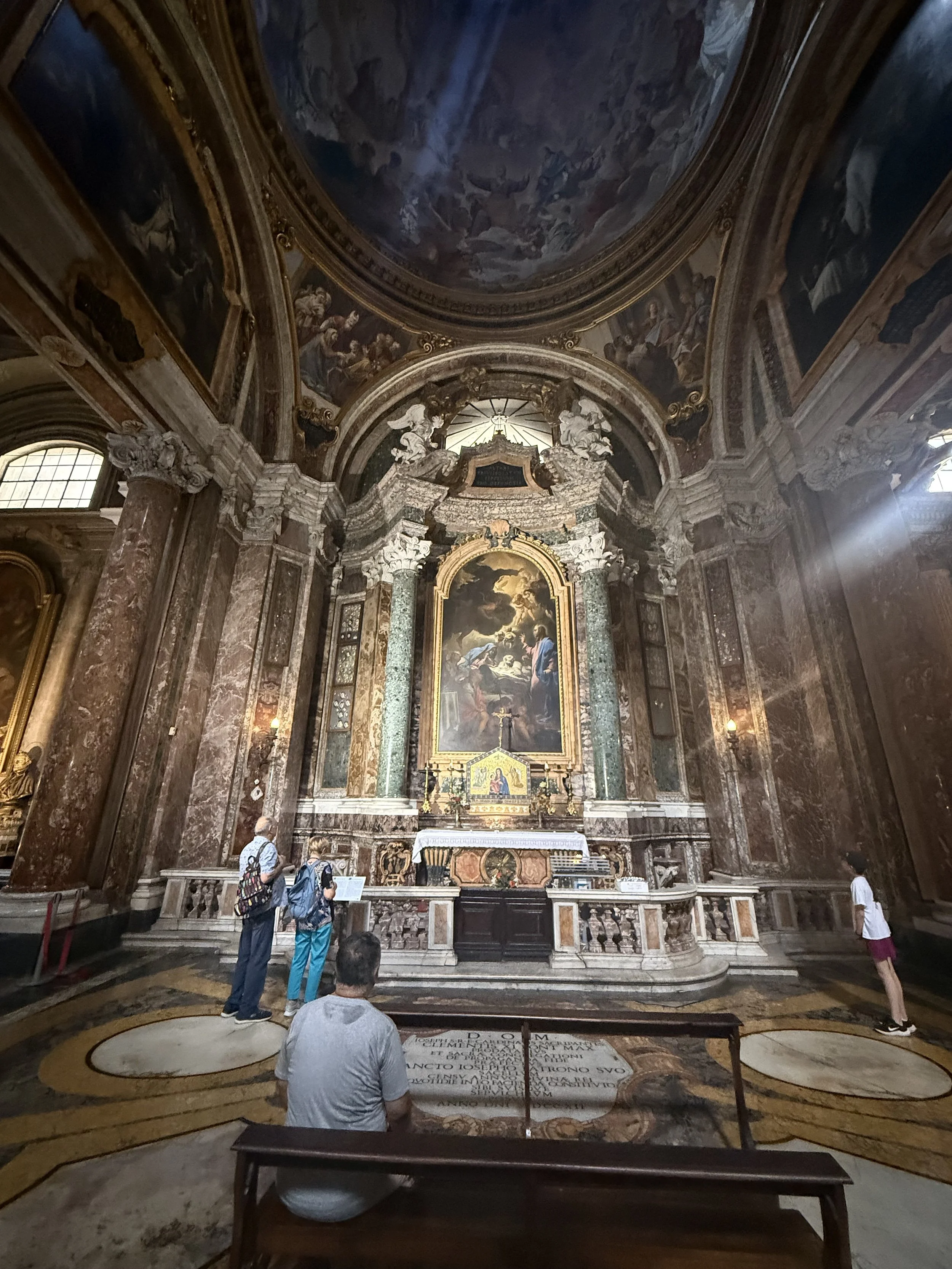
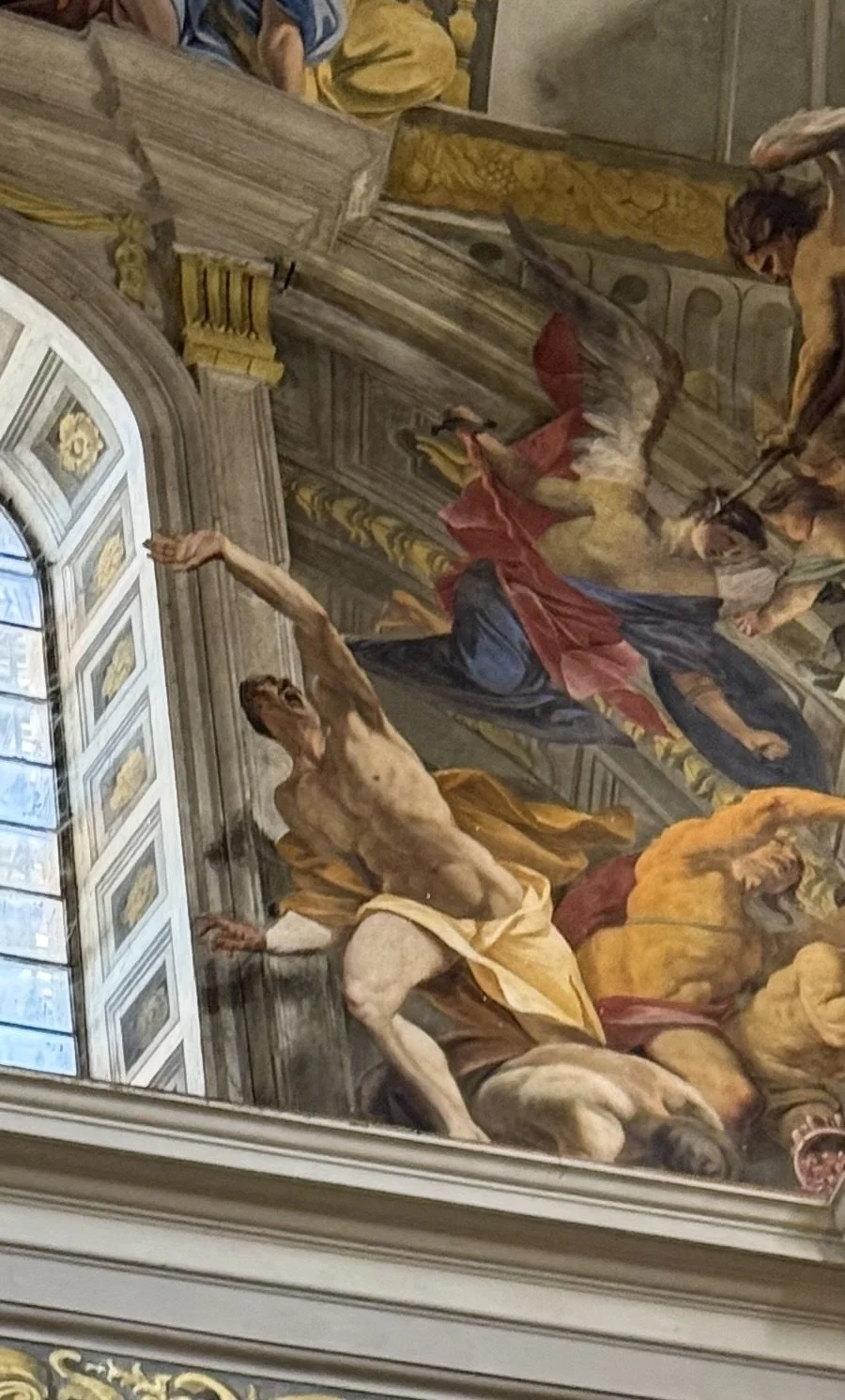
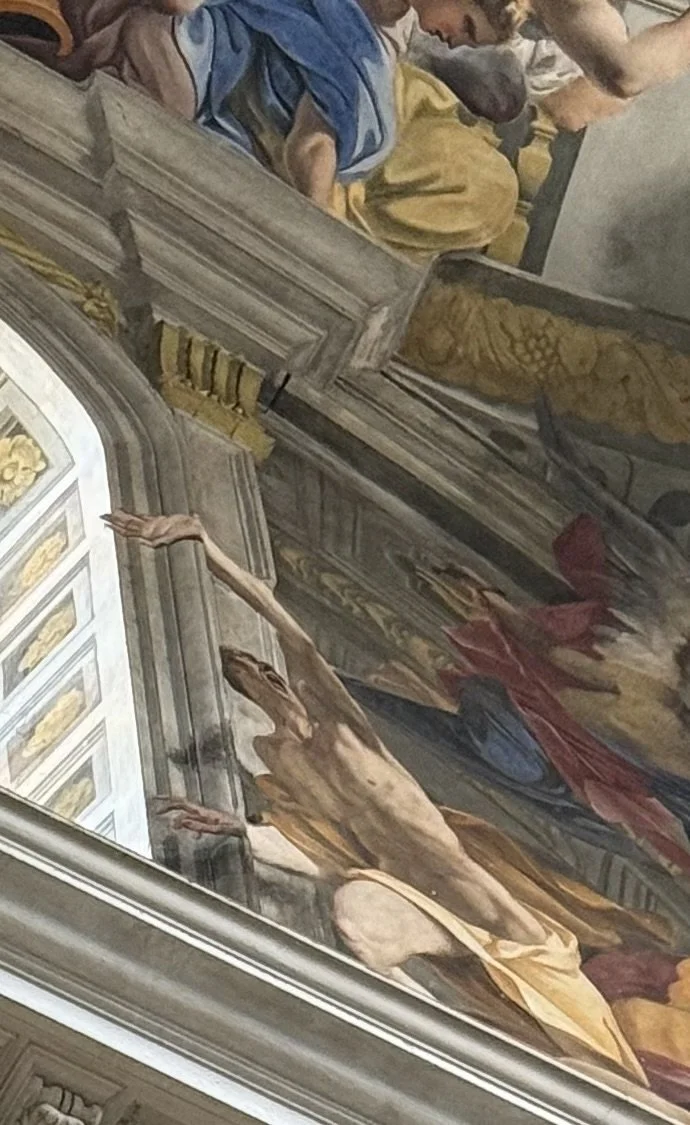
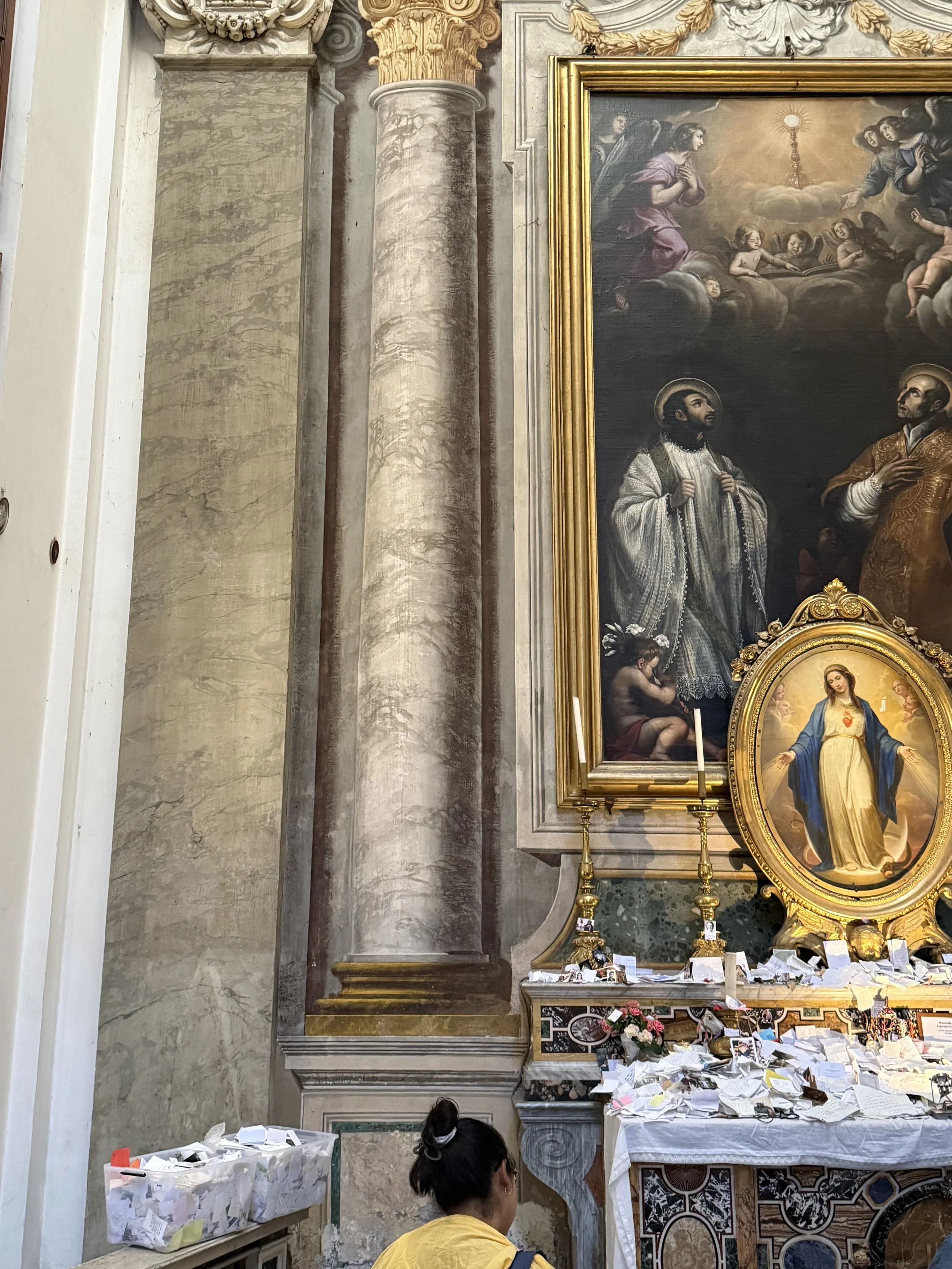
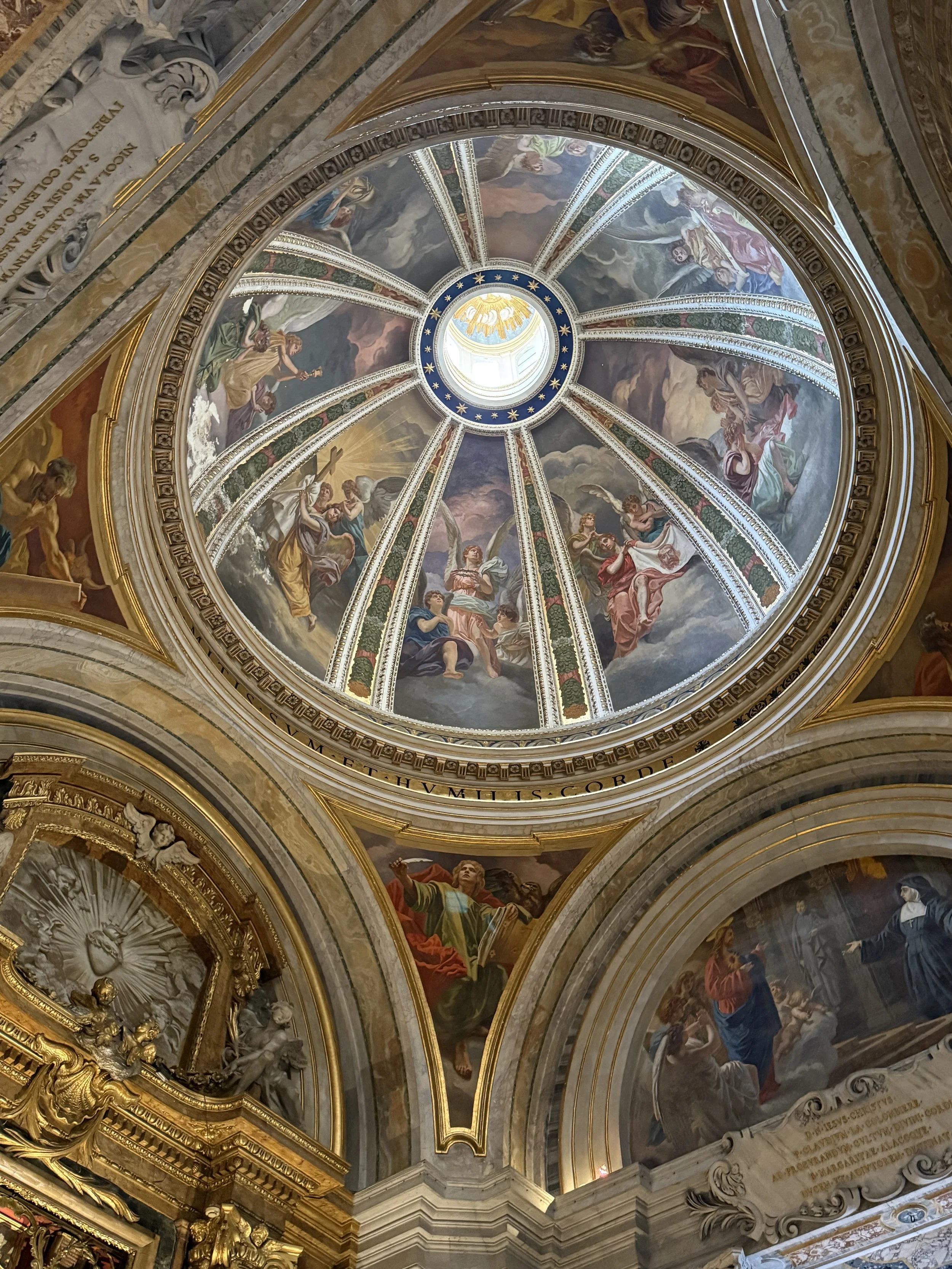
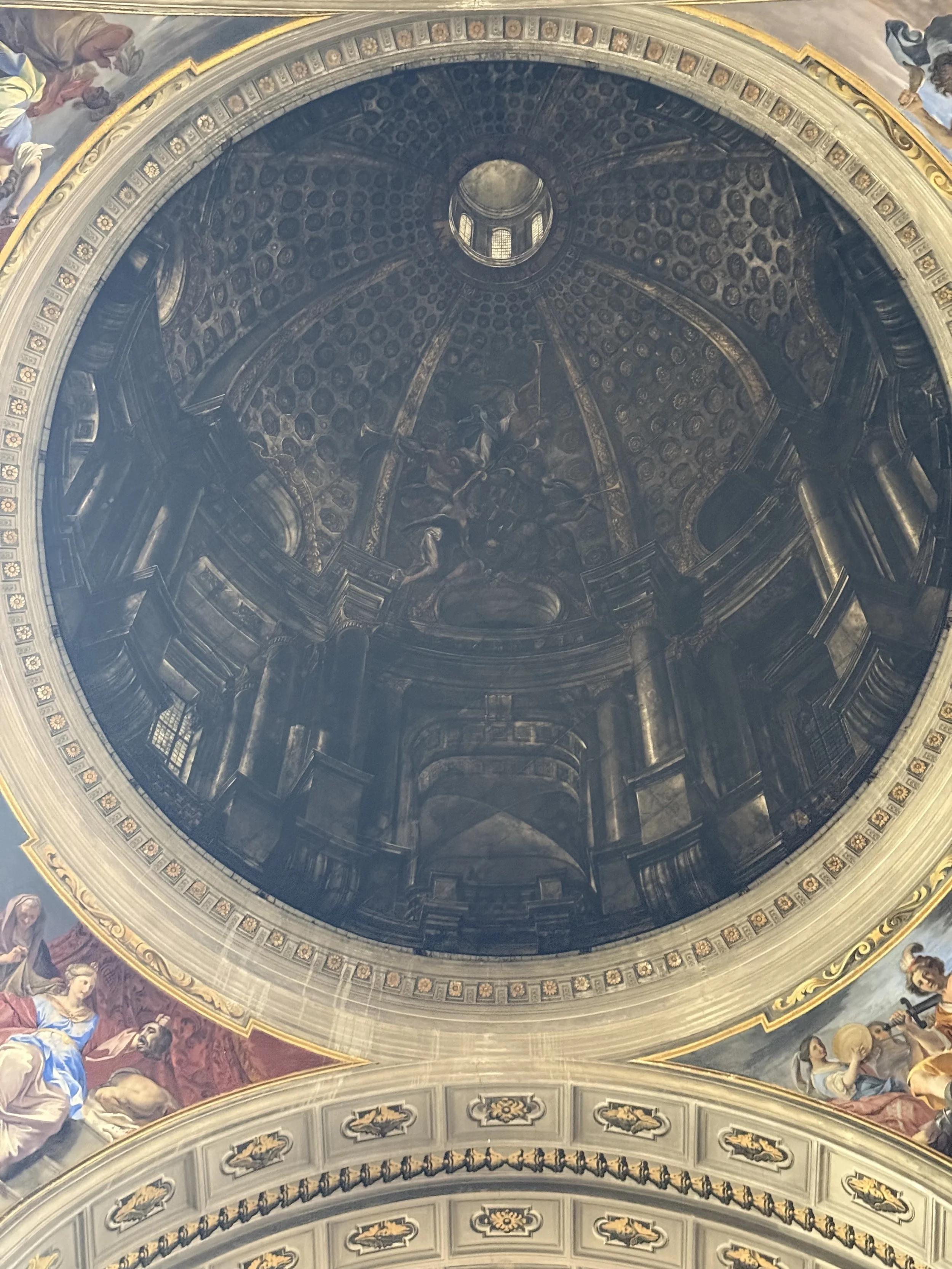
After lunch I reluctantly admitted defeat and returned to the hotel for a much-needed nap. The previous night's festivities had caught up with me, so I missed the group's visit to Palazzo Colonna. I did, however, manage to catch a procession of Carabinieri officers rehearsing for Italy's Republic Day celebrations, which would take place the following morning. Even rehearsals in Rome feel ceremonial.
Tivoli
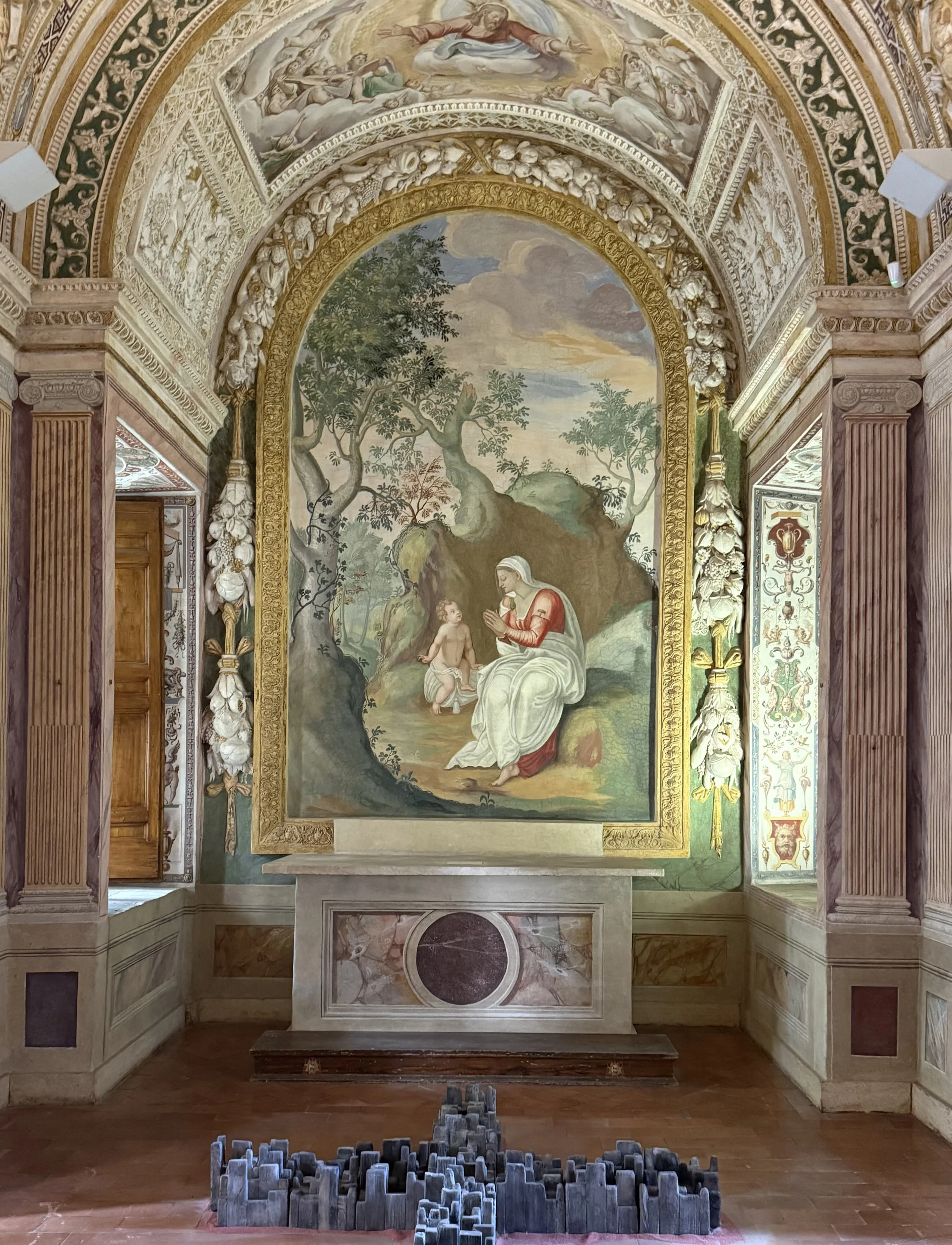
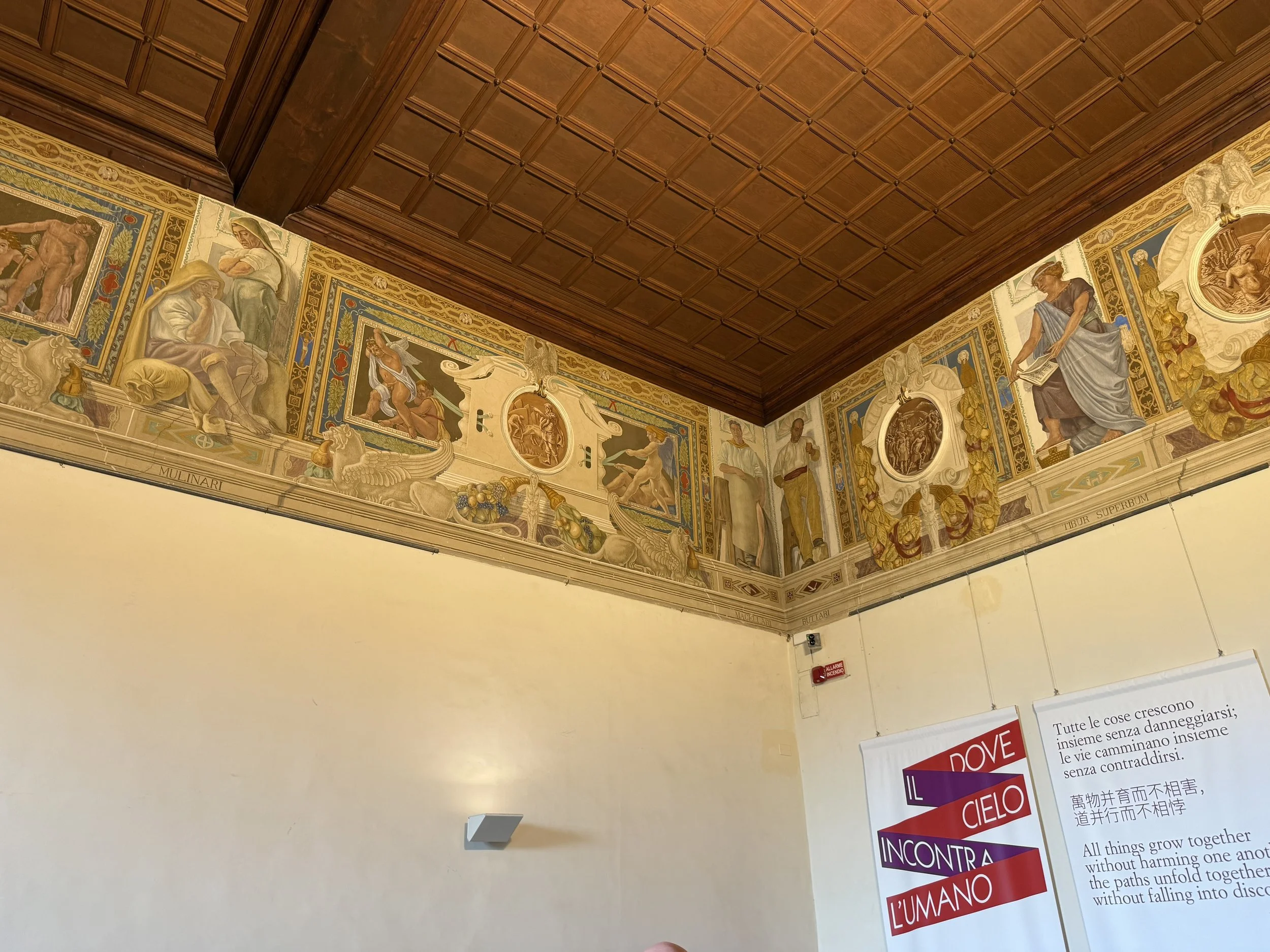
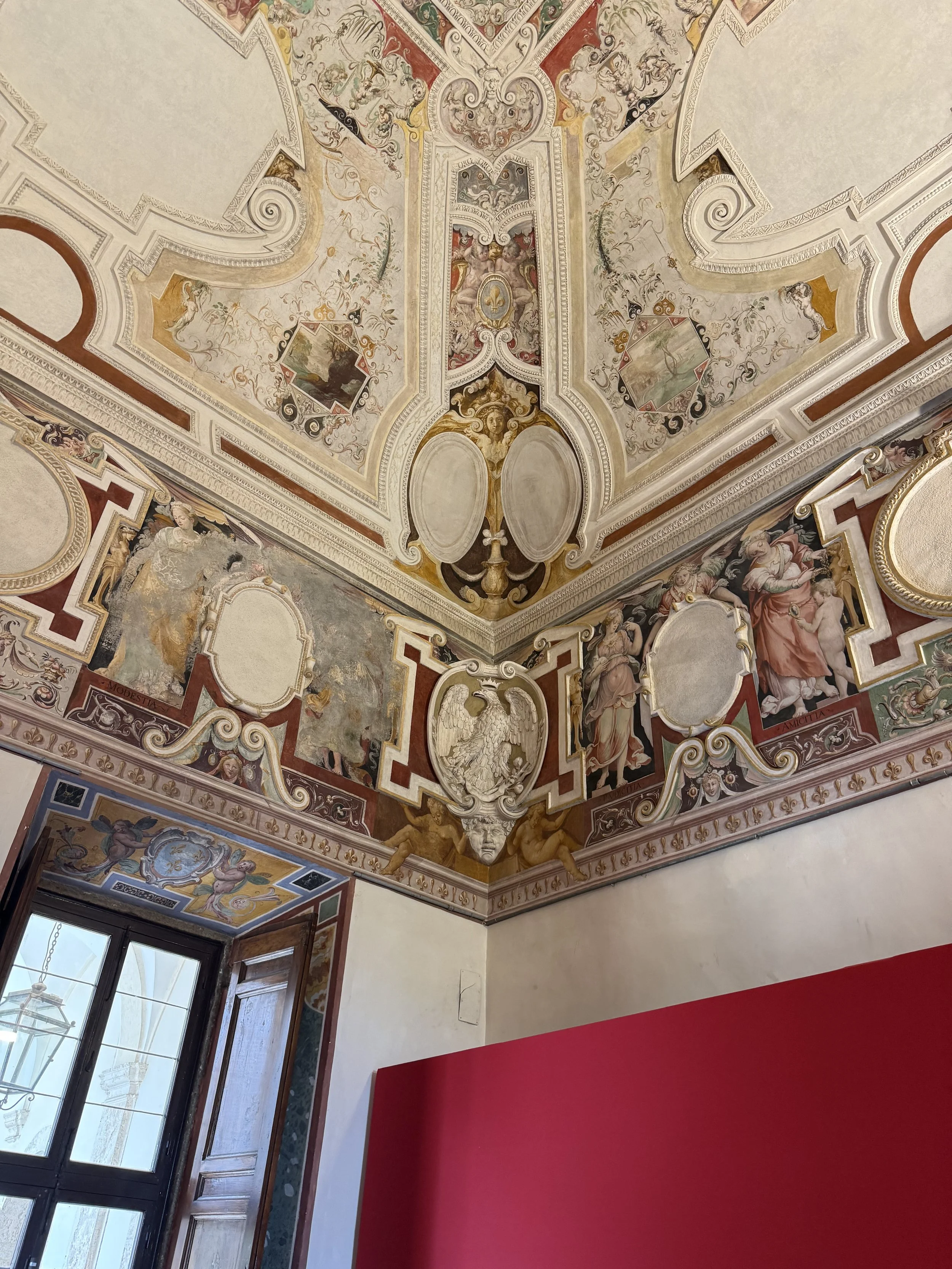
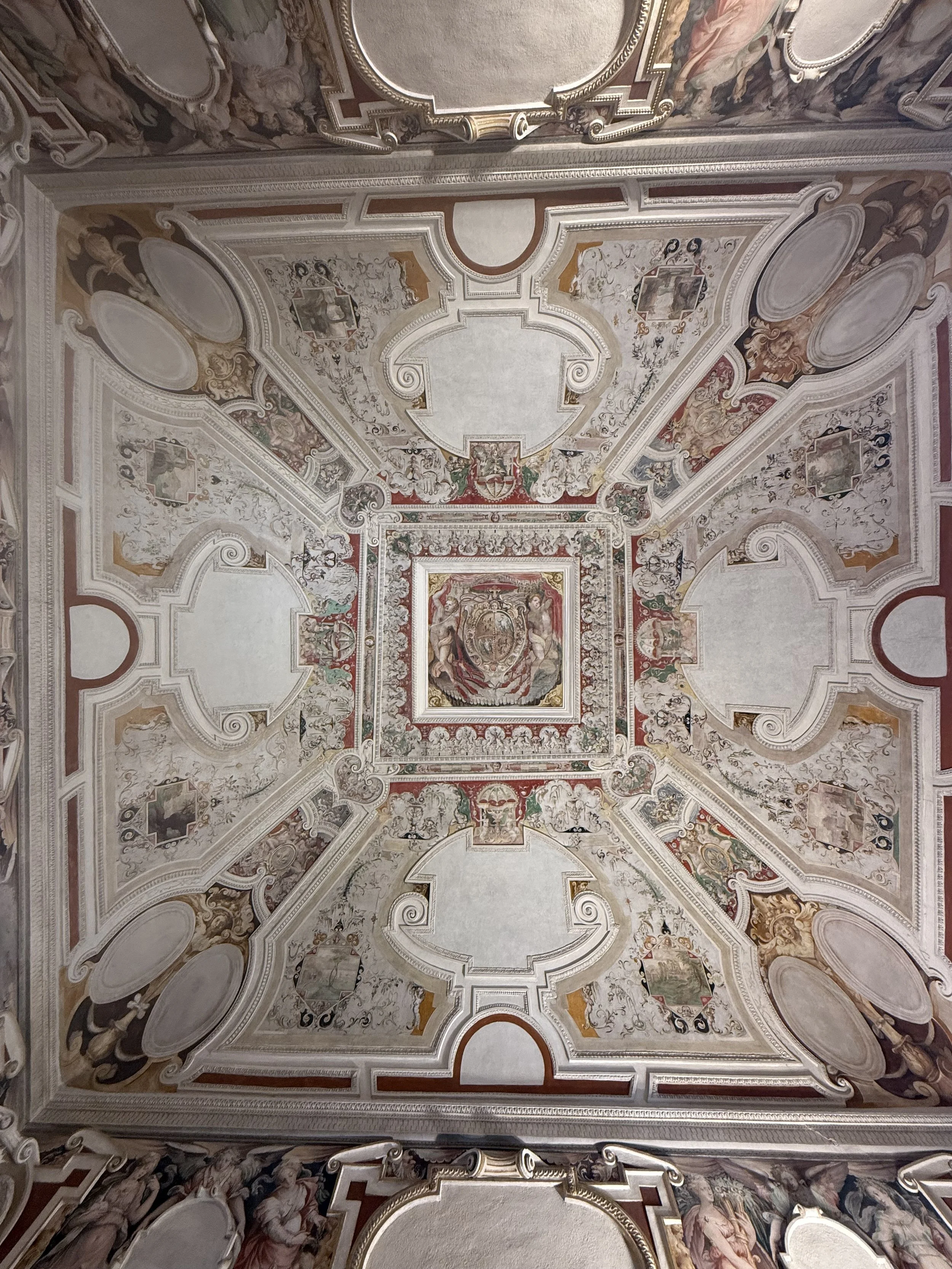
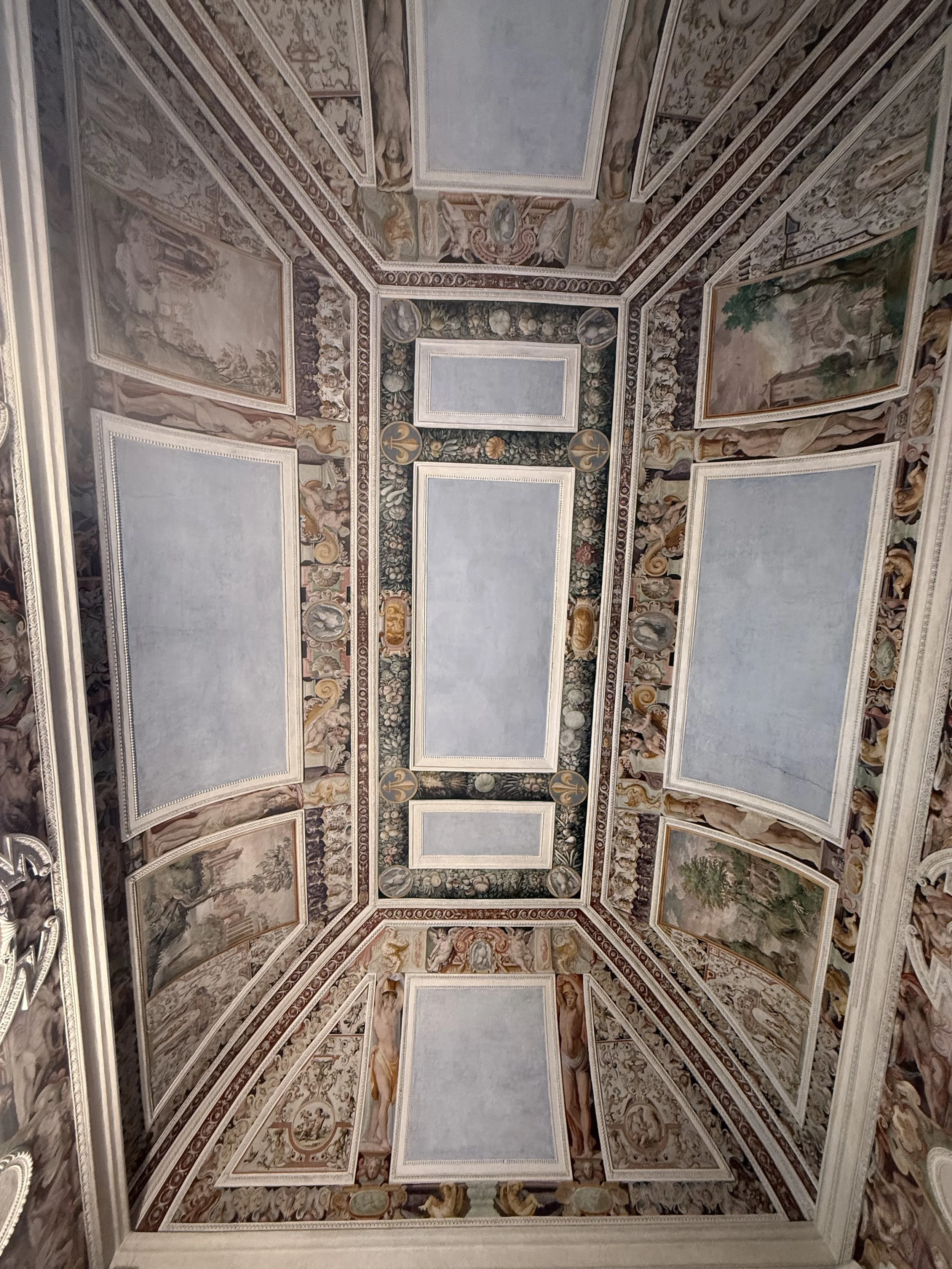
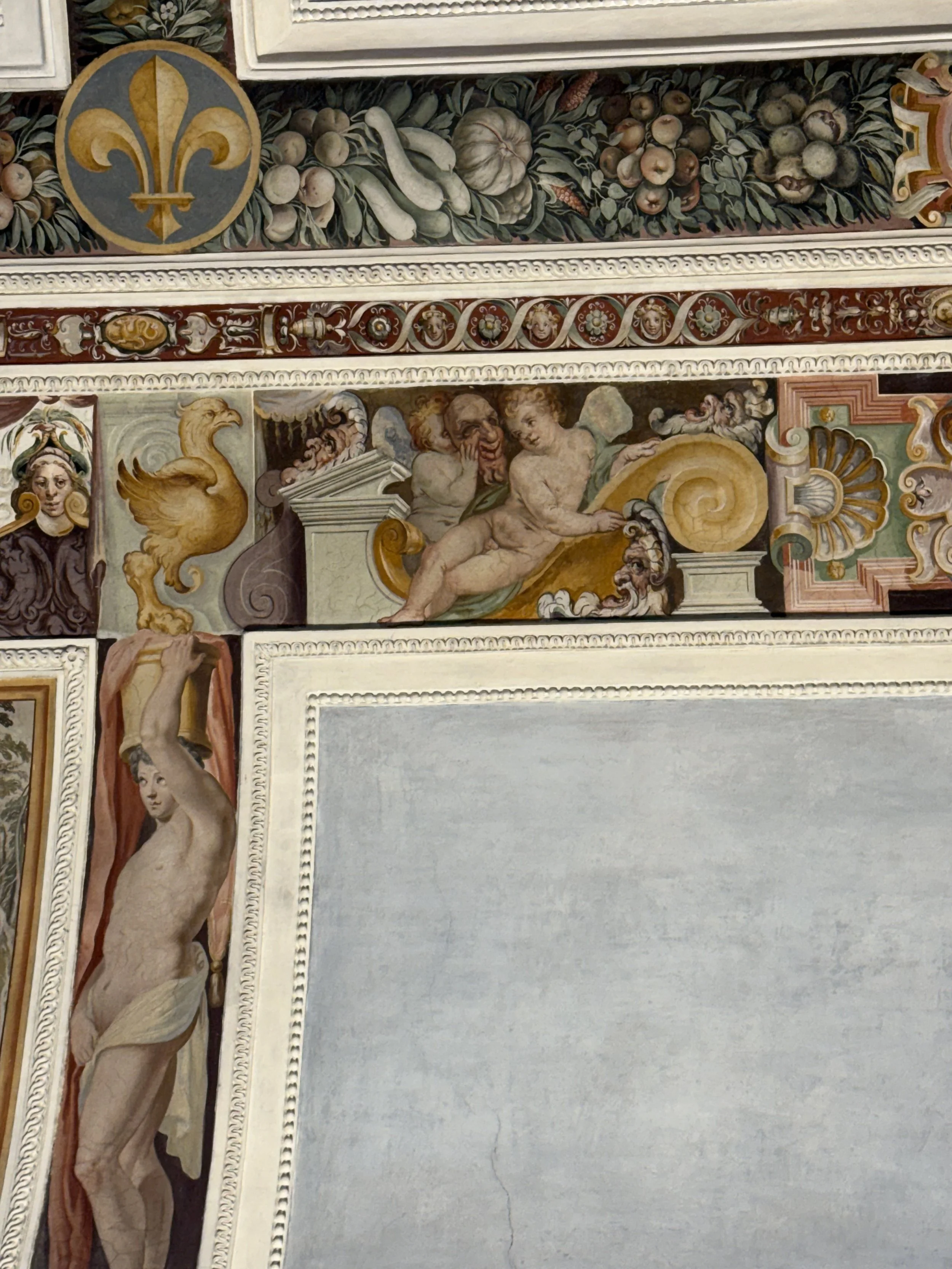
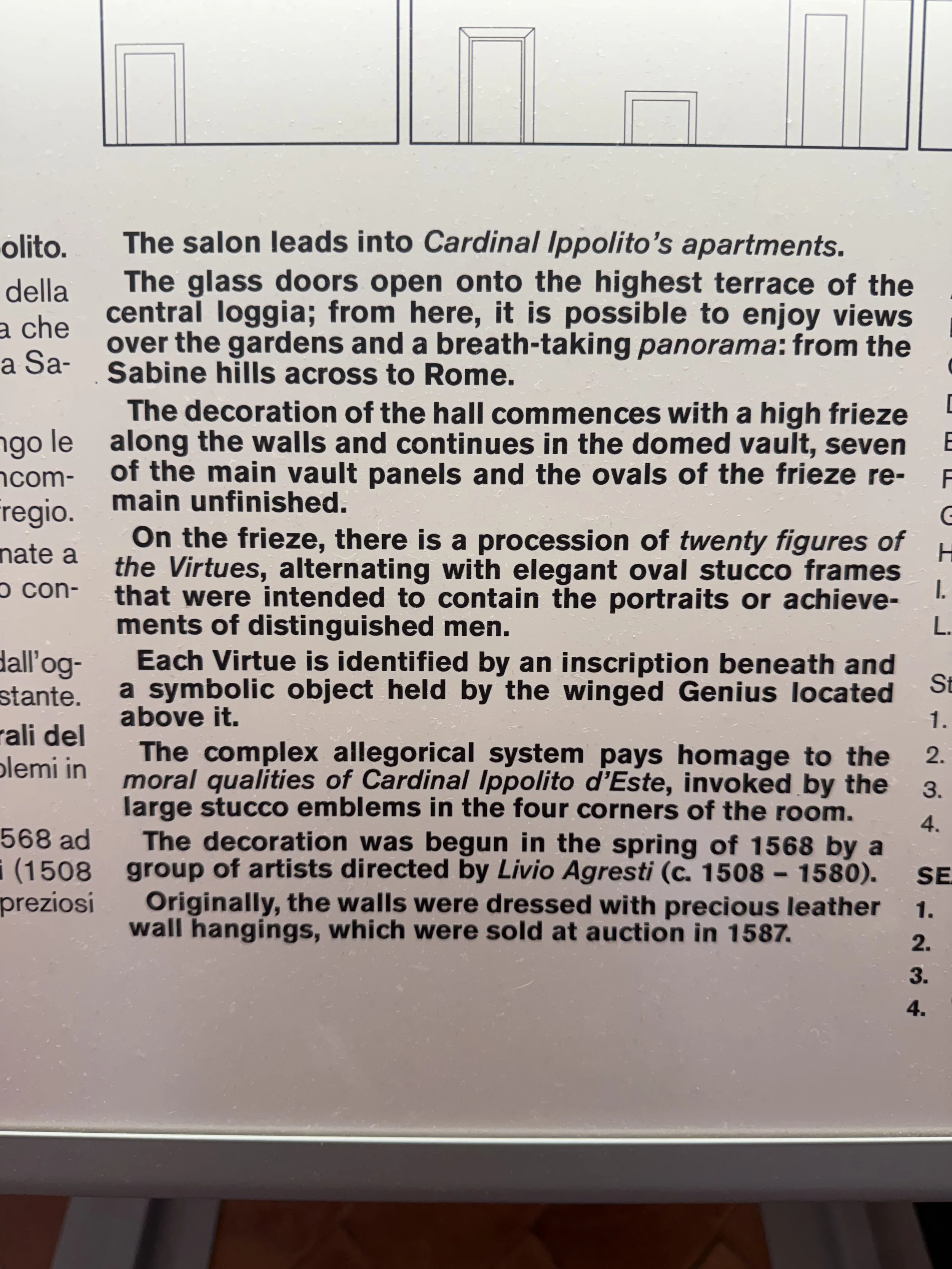
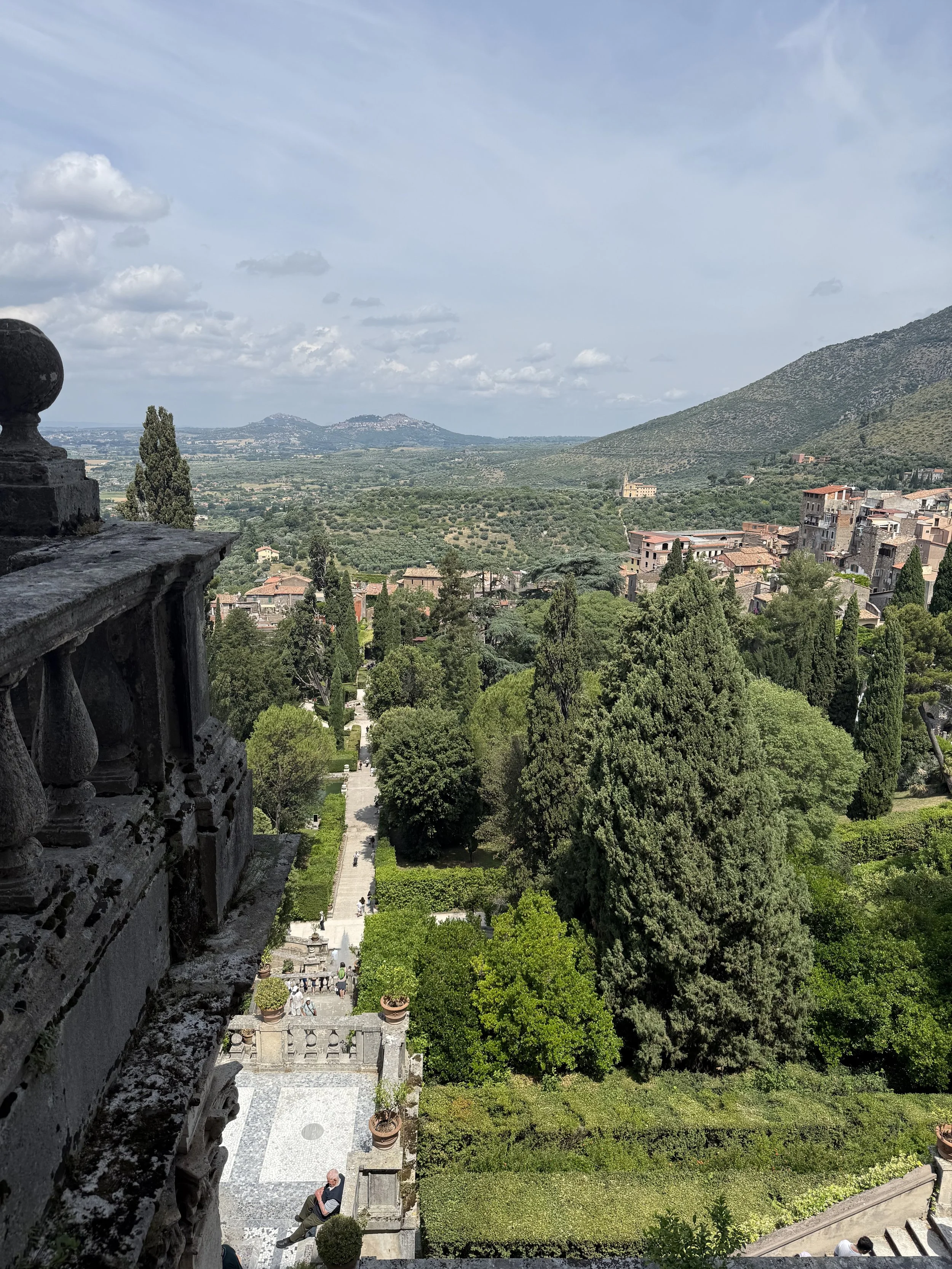
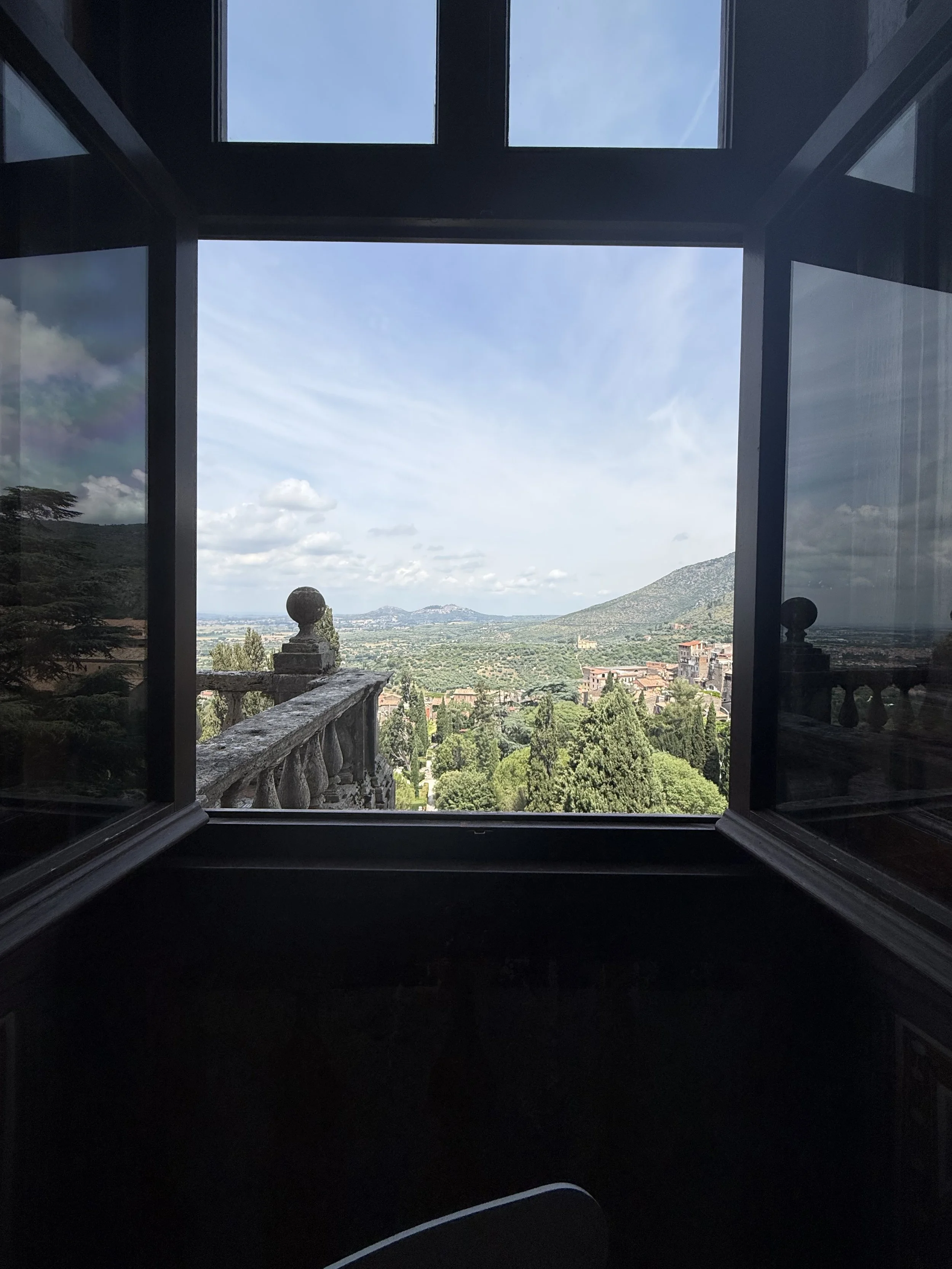
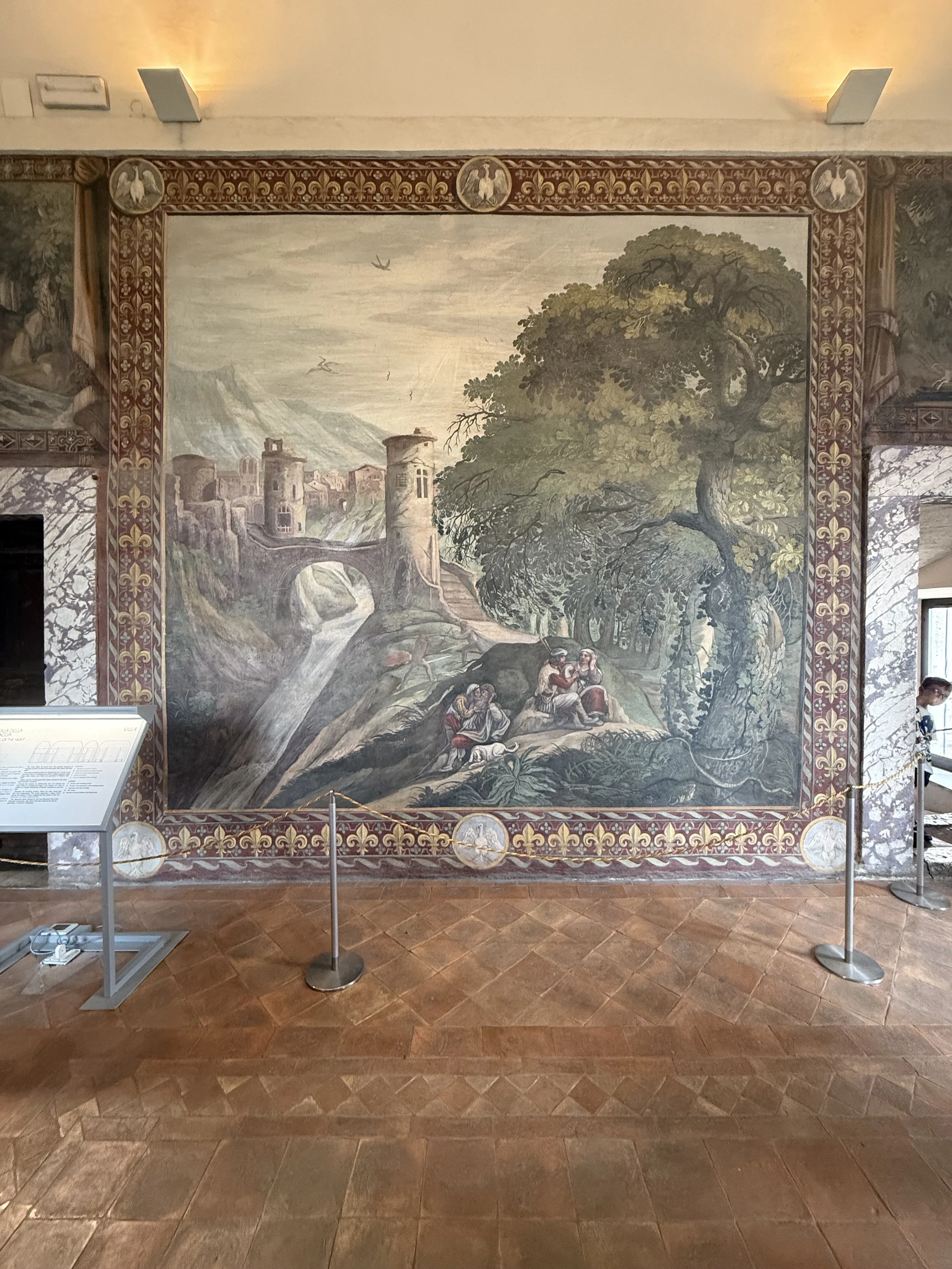
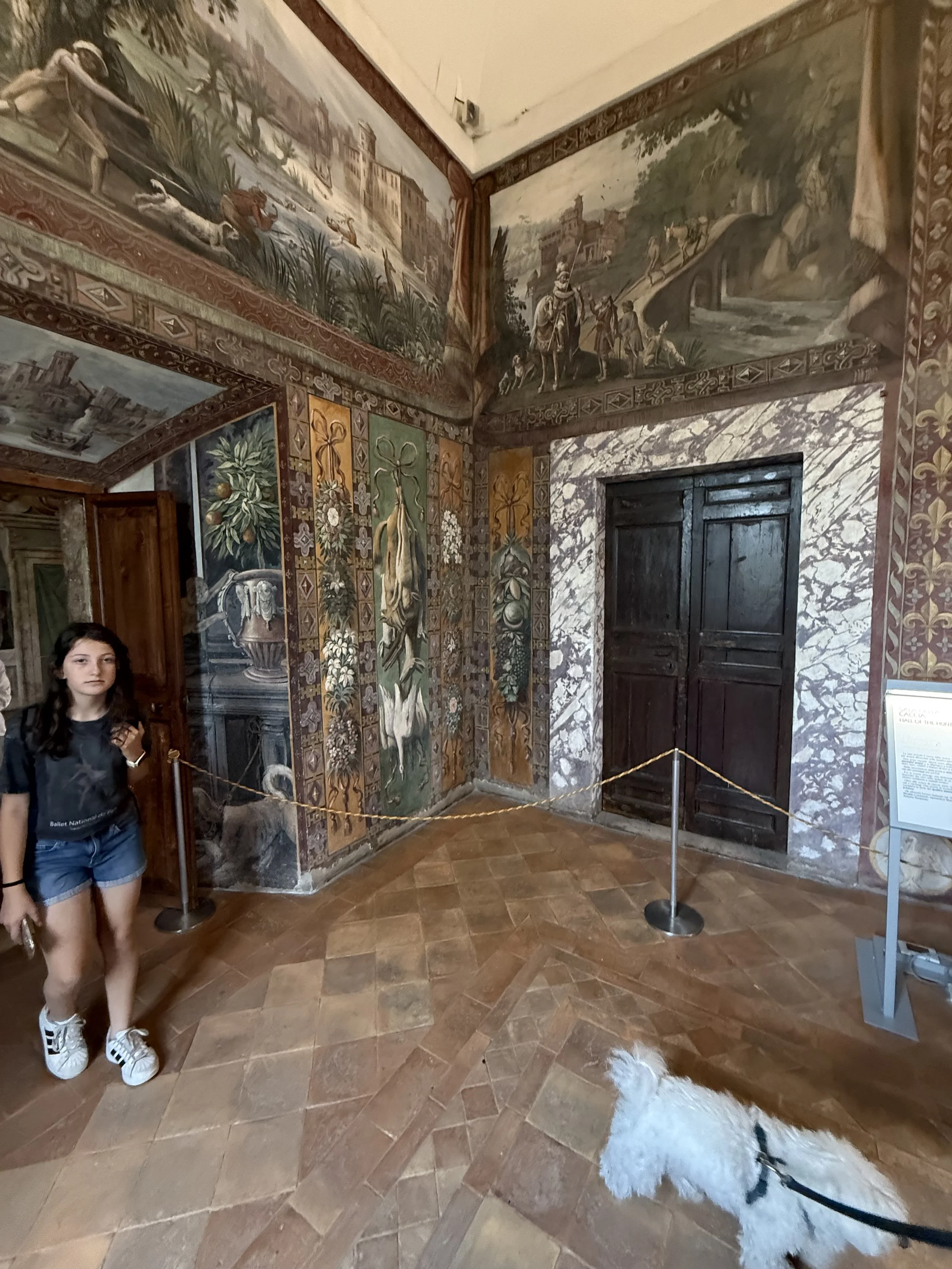
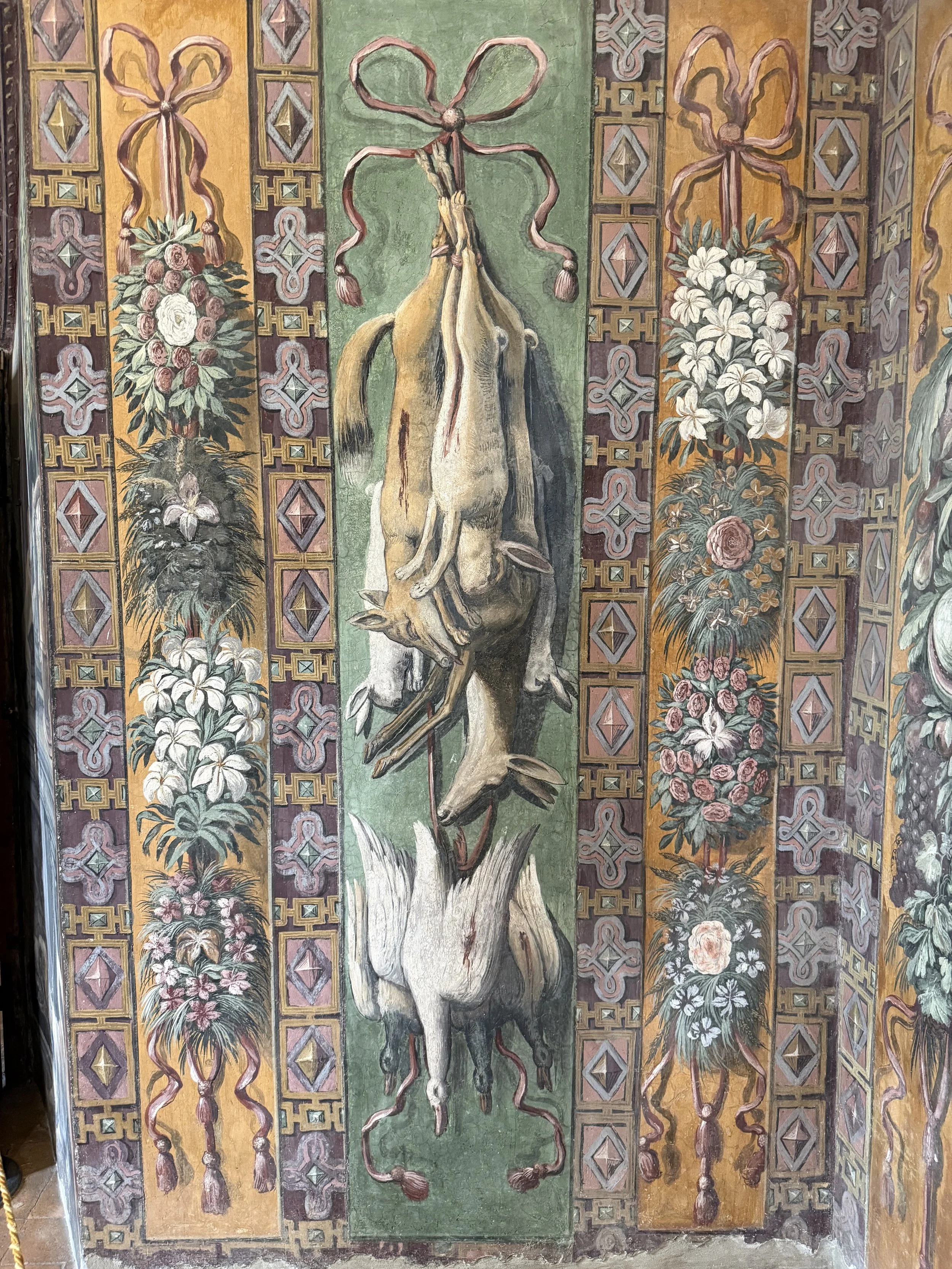
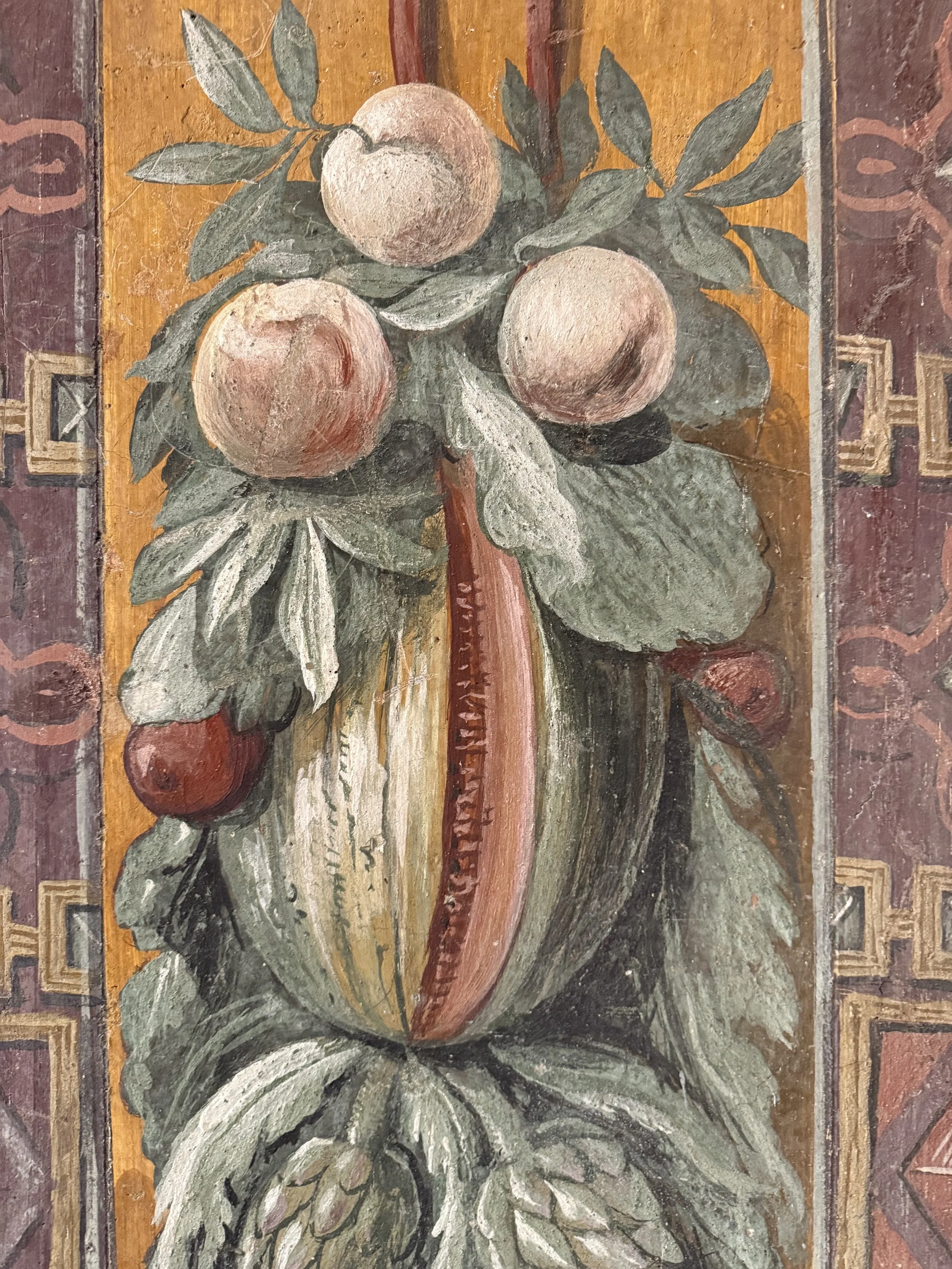
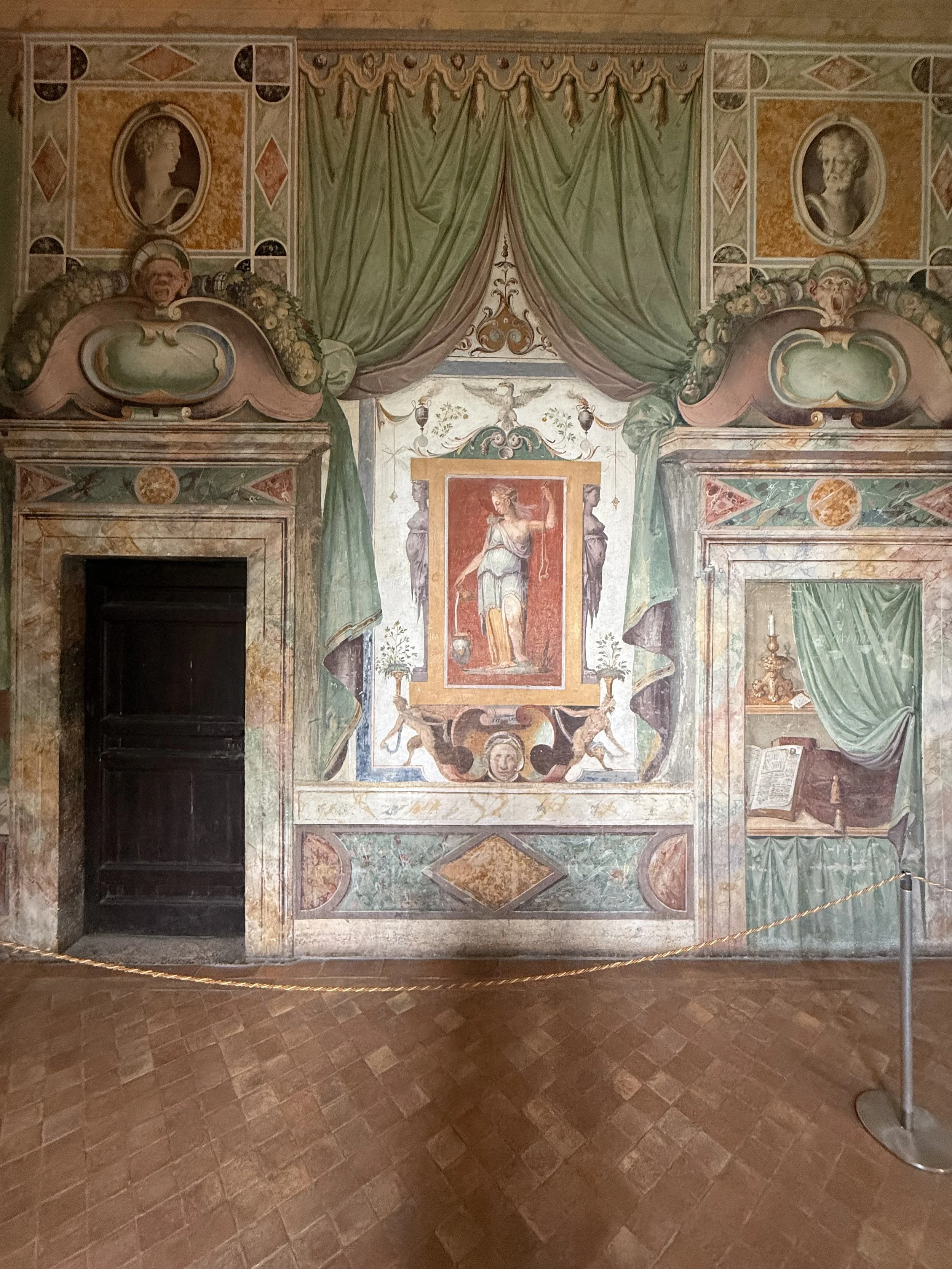
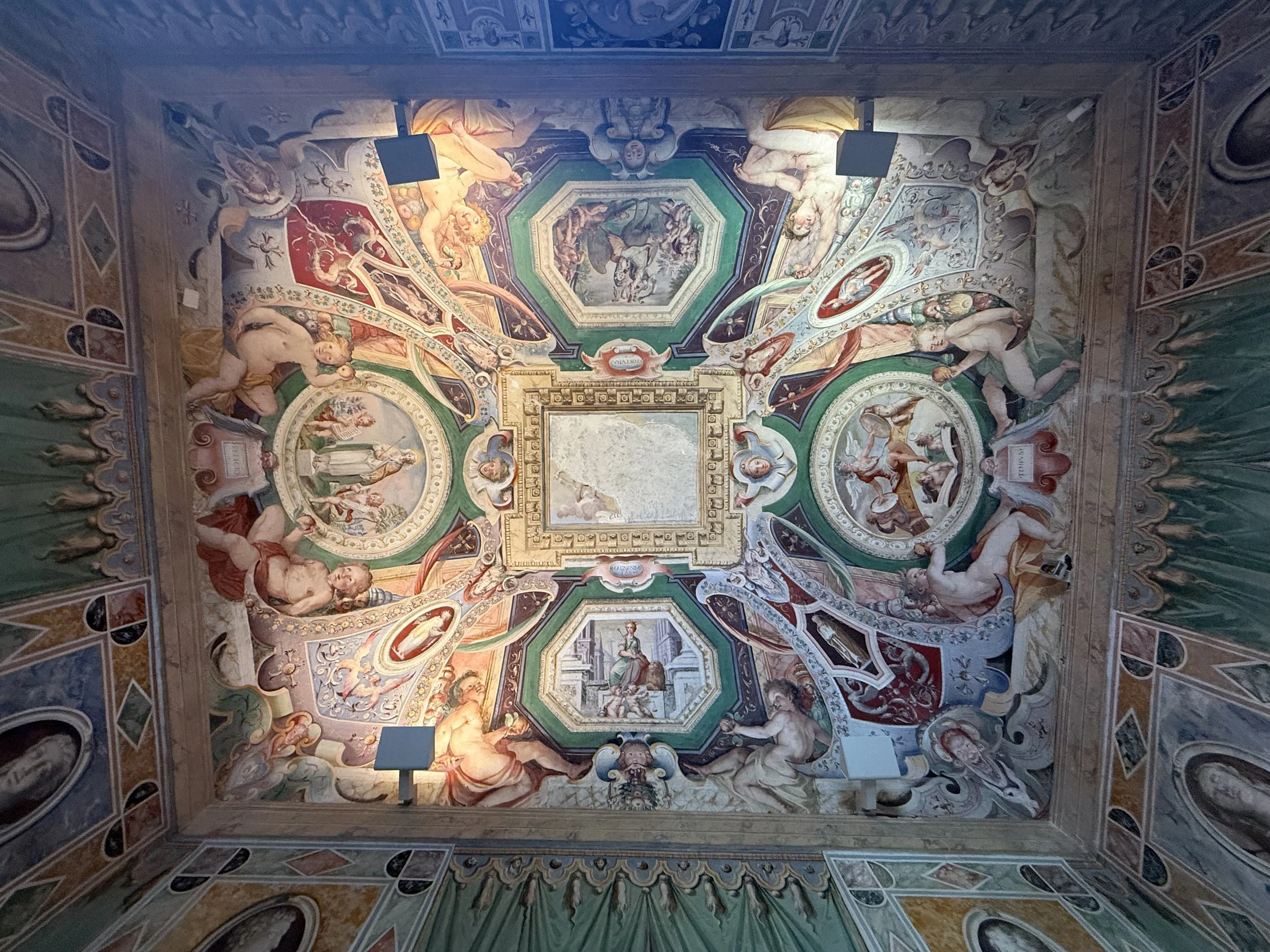
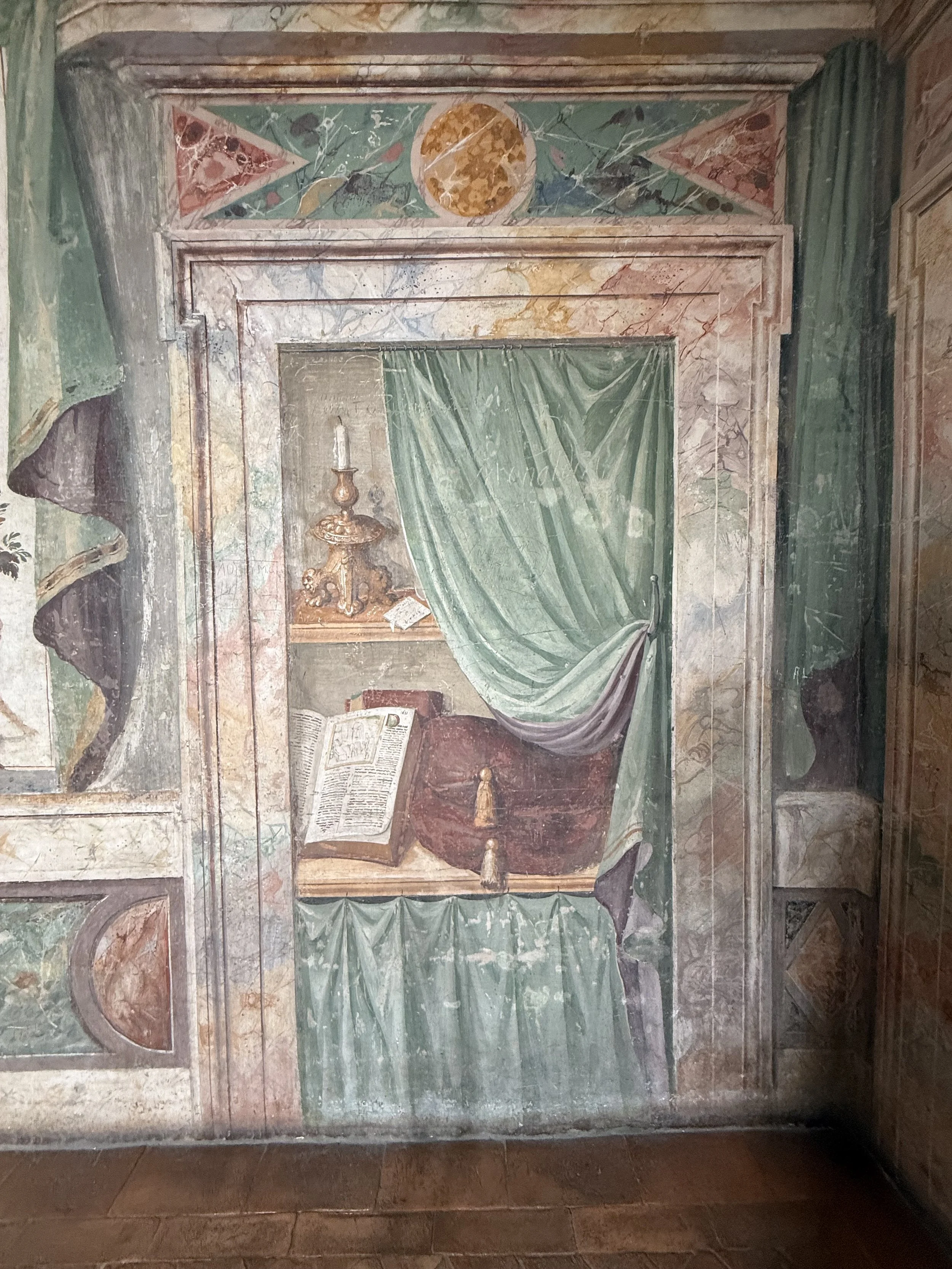
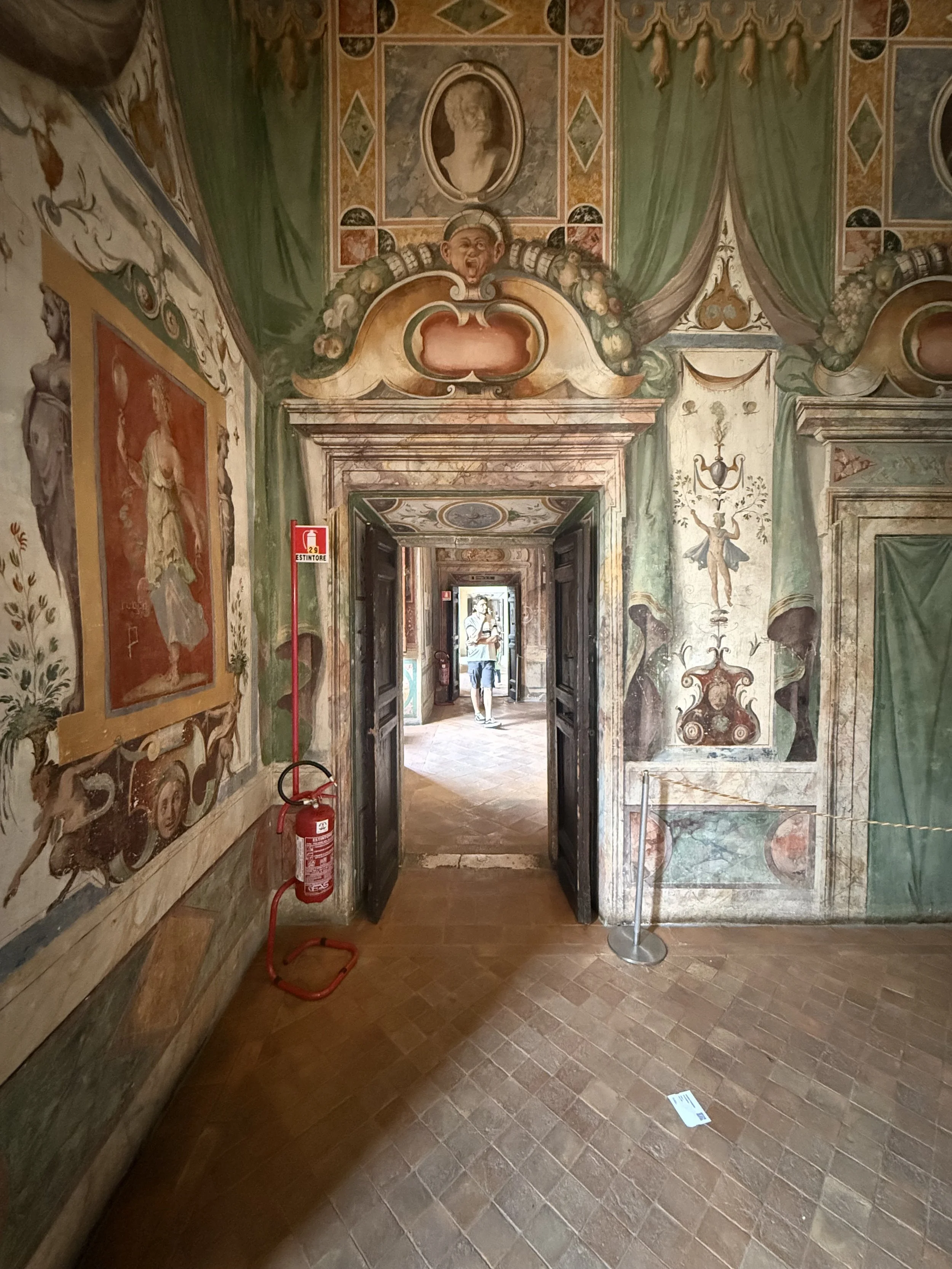
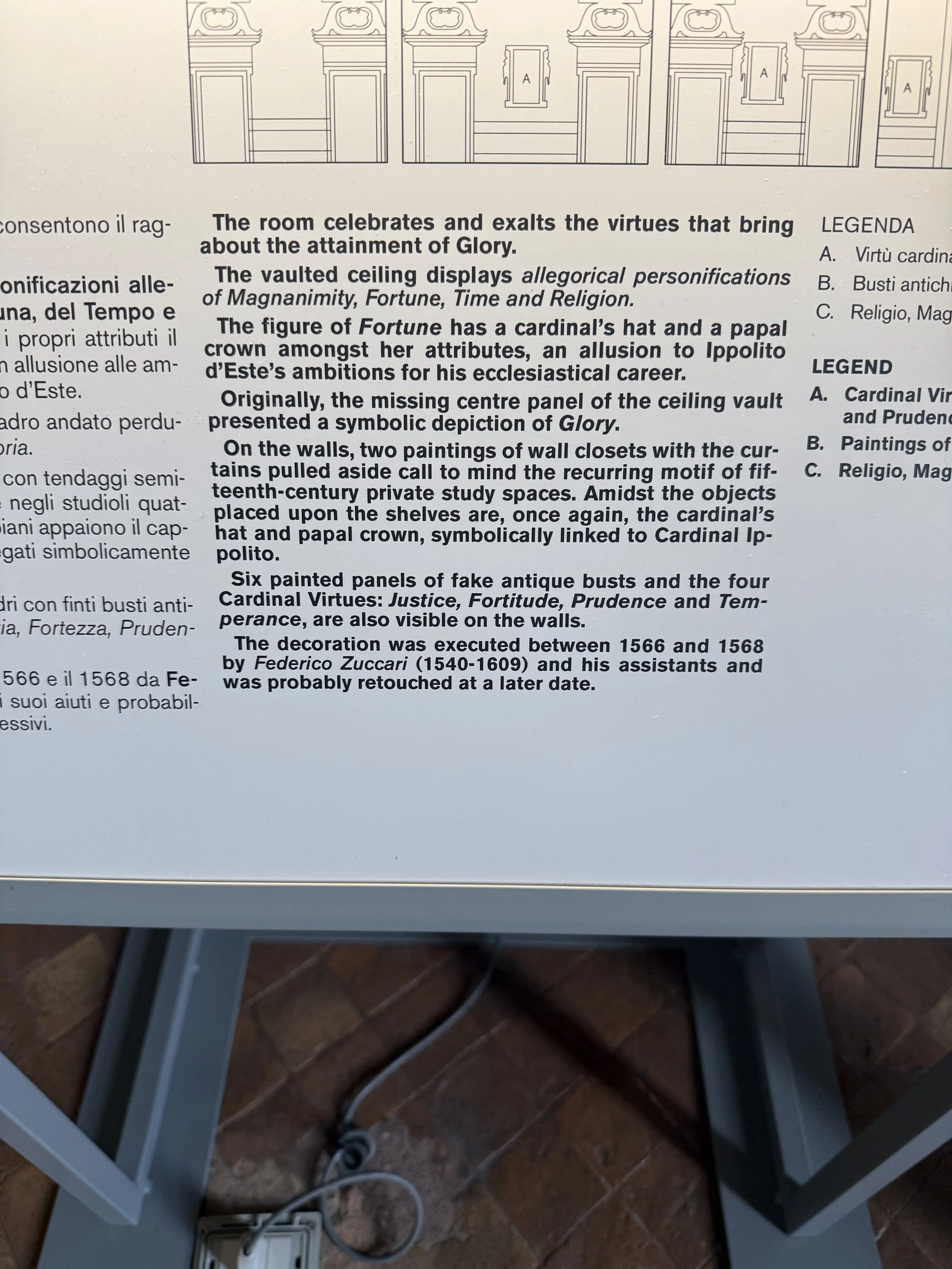
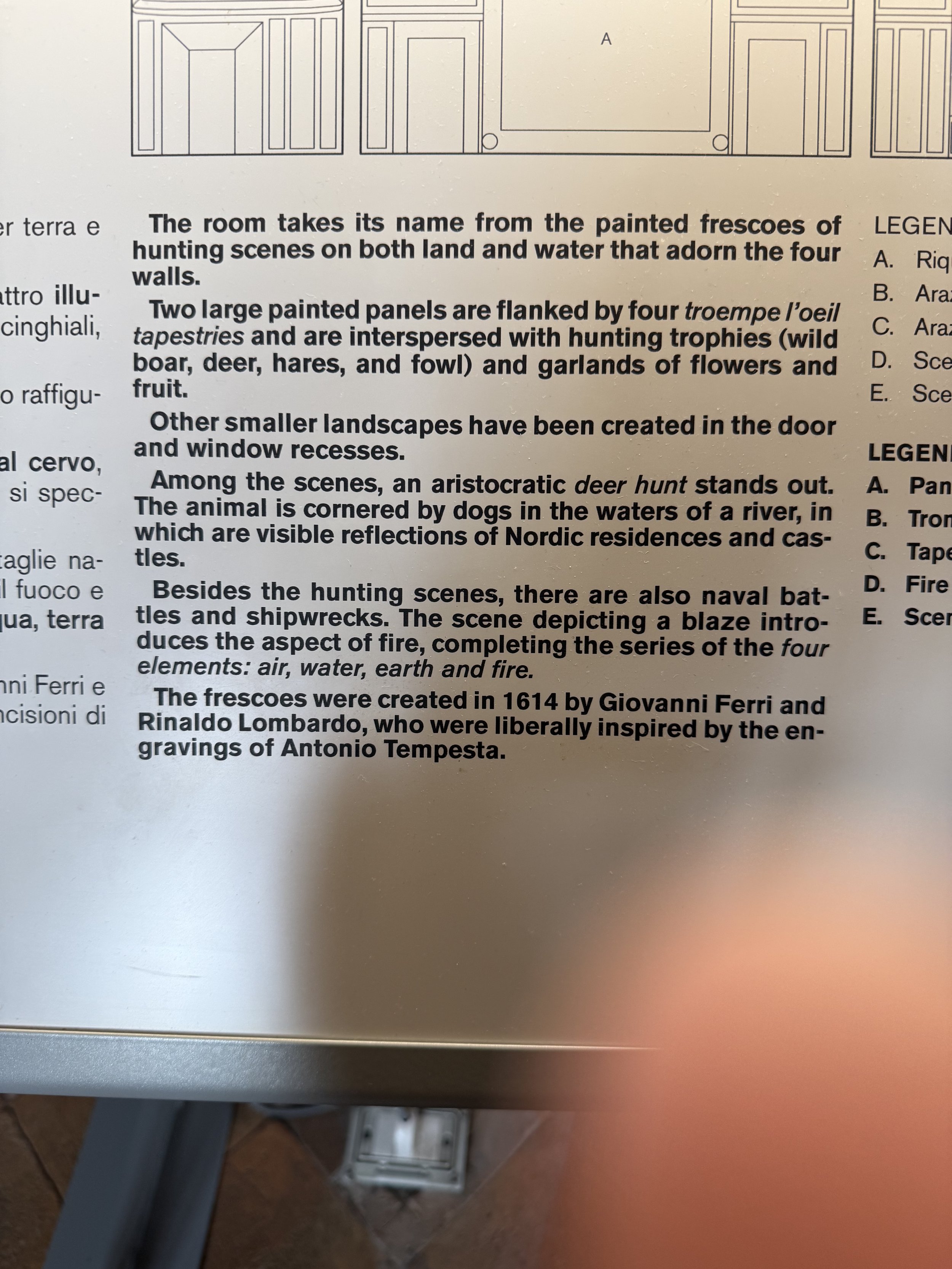
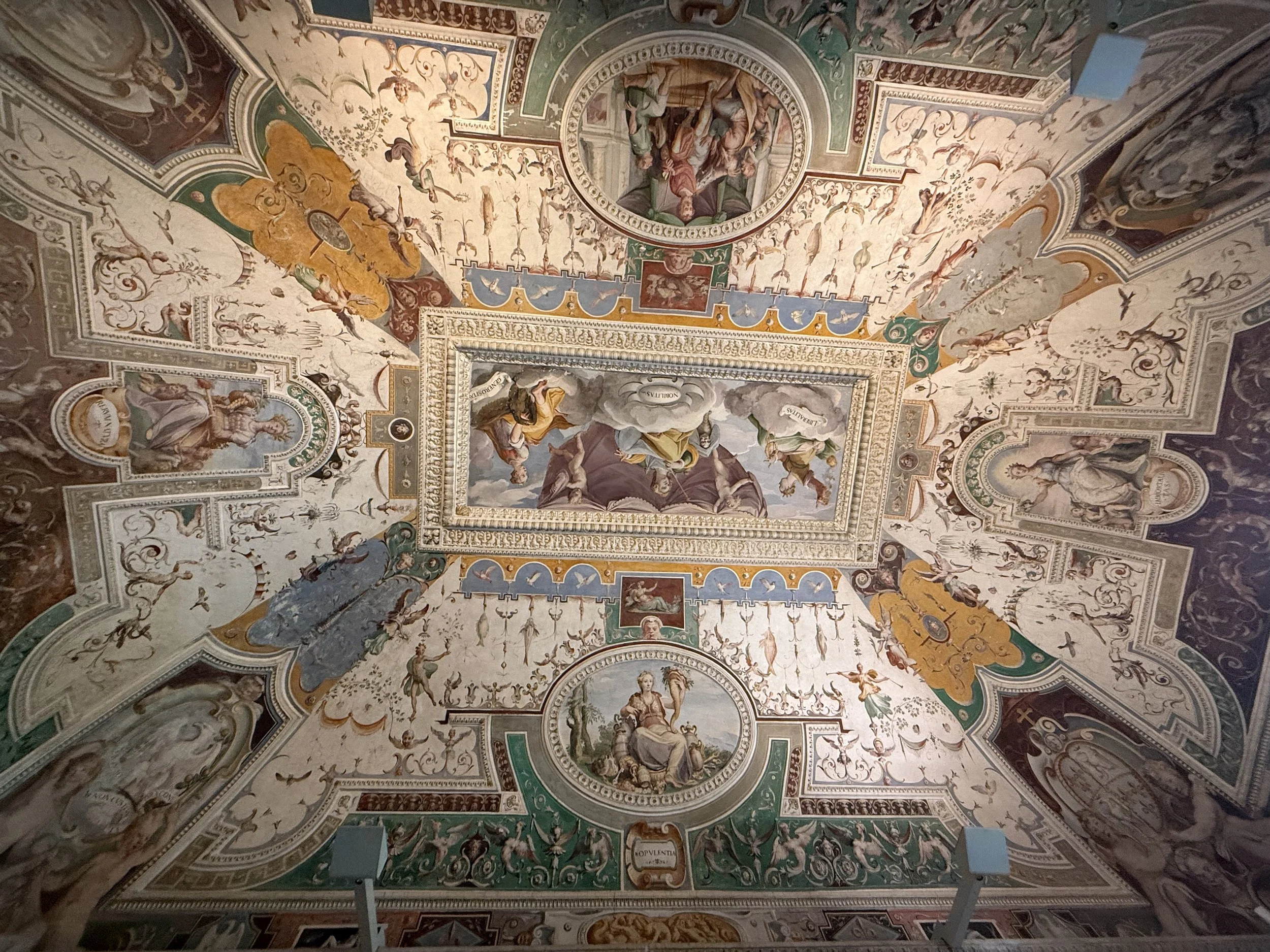
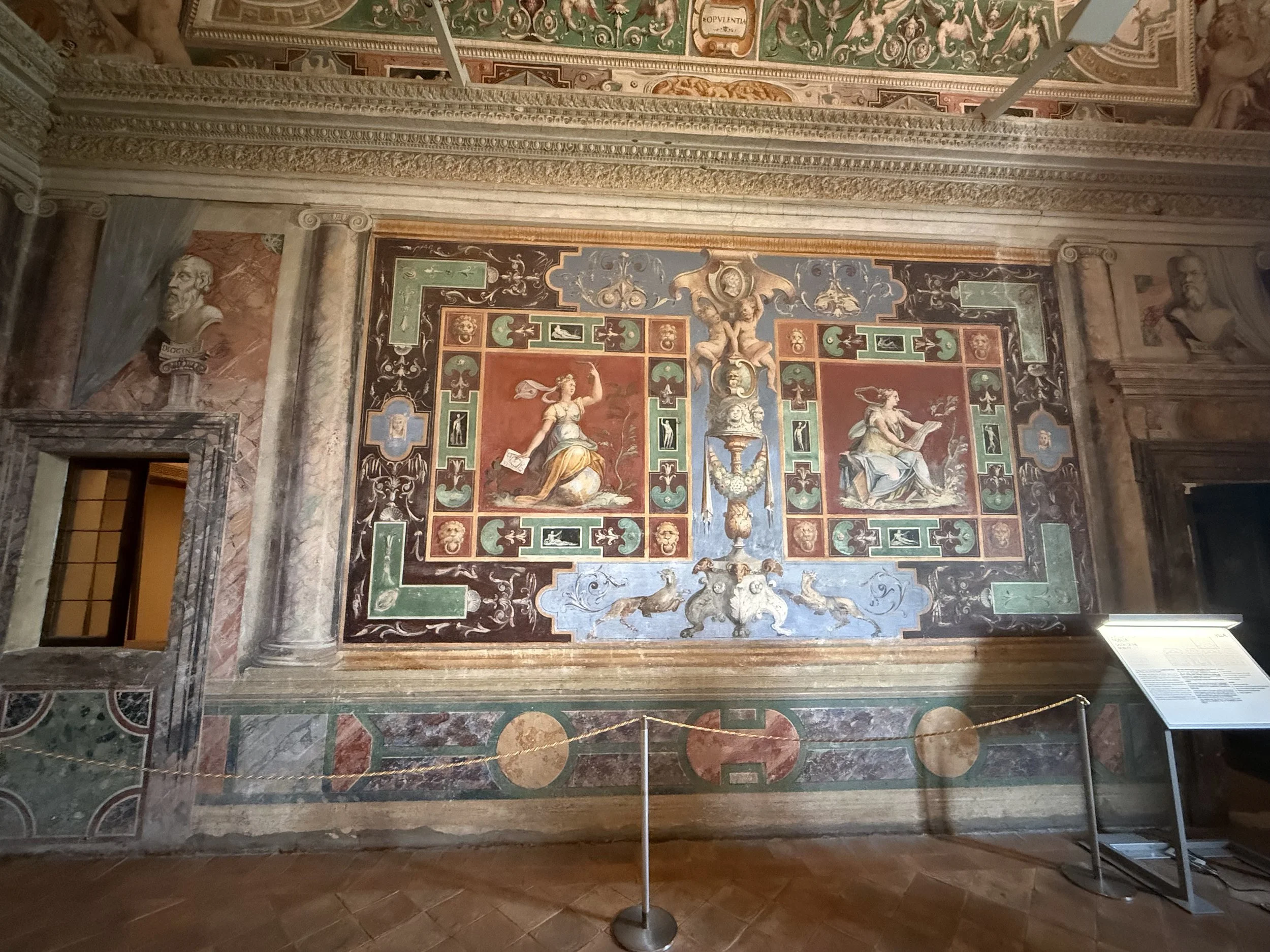
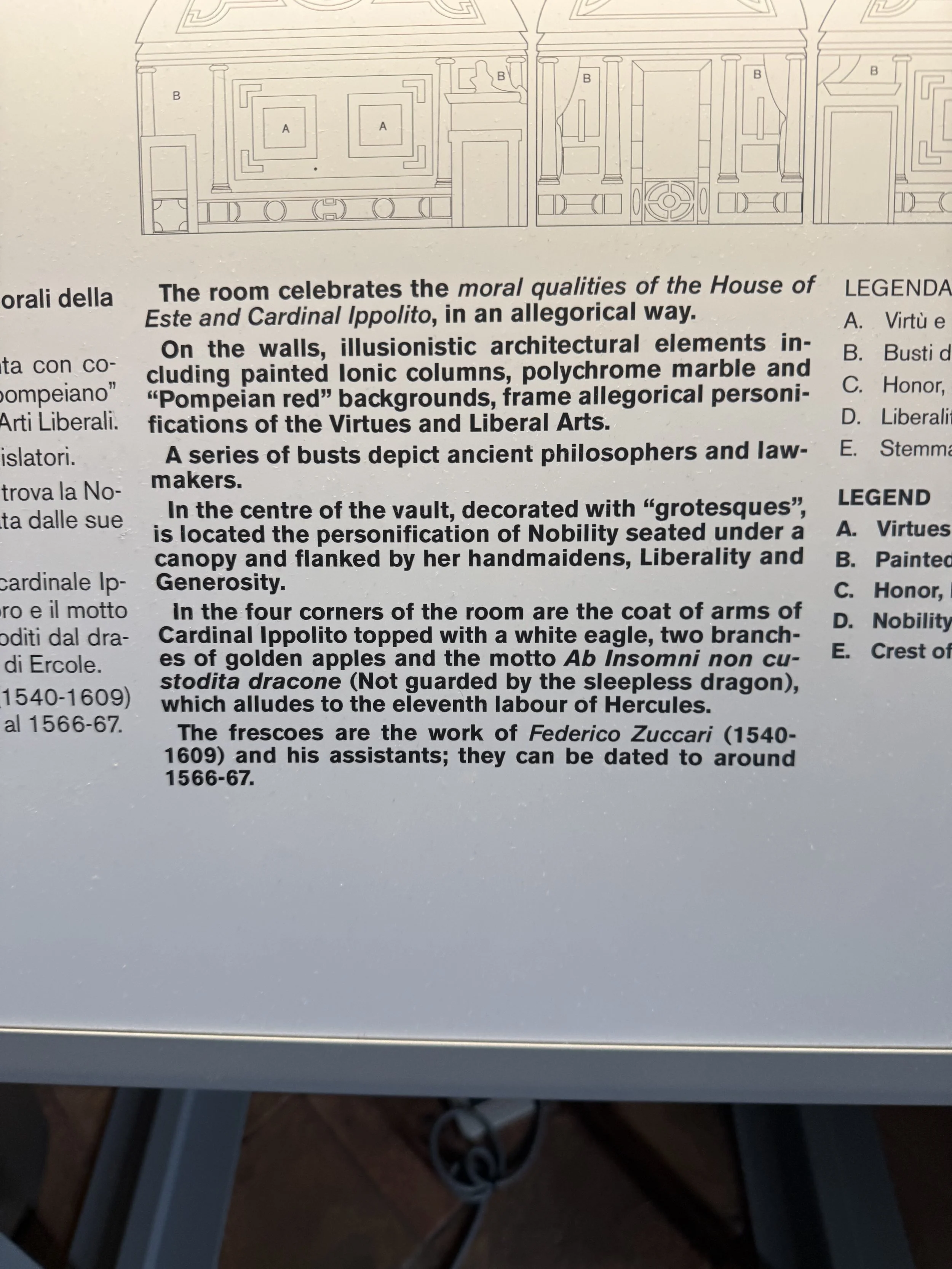
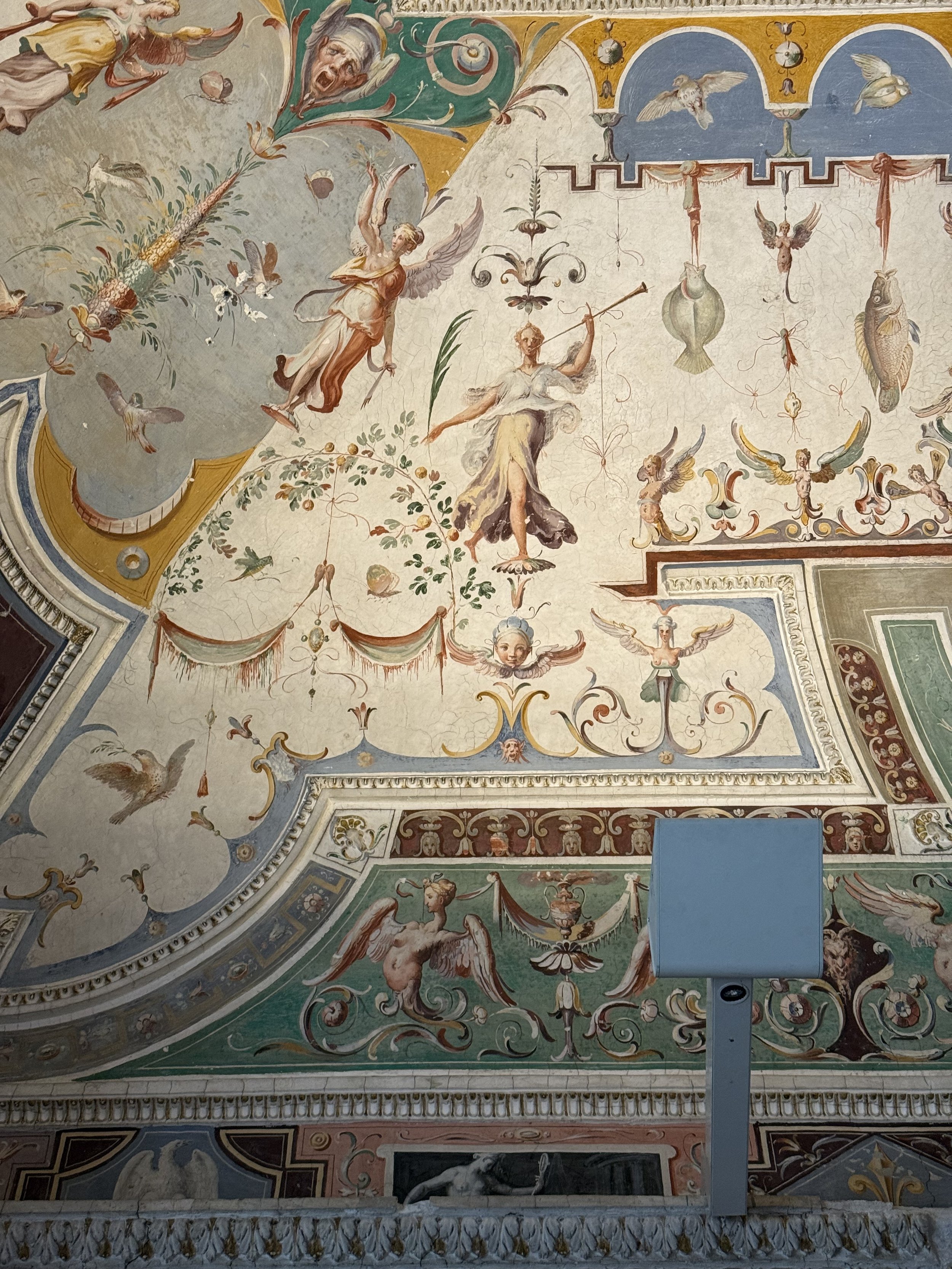
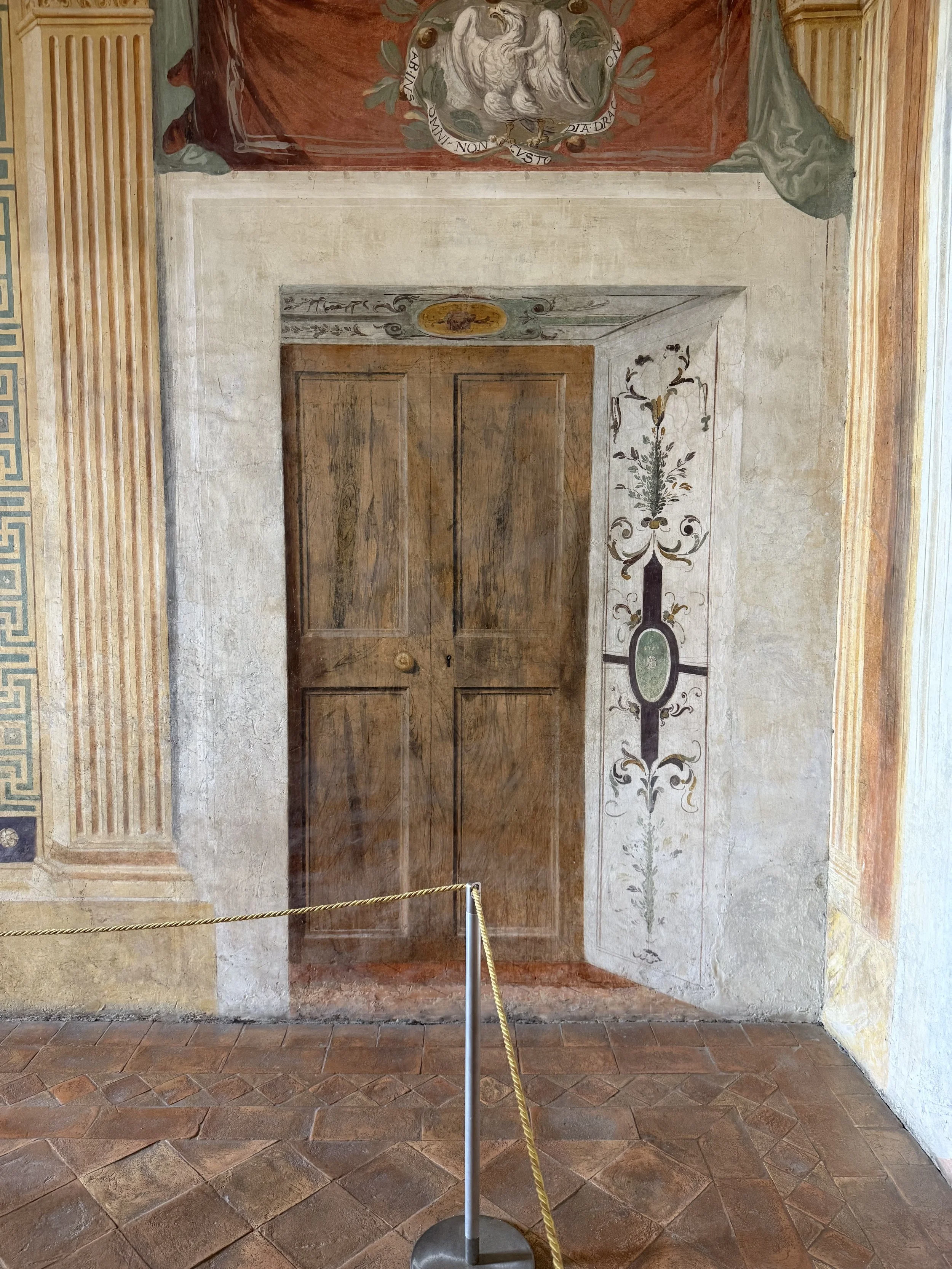
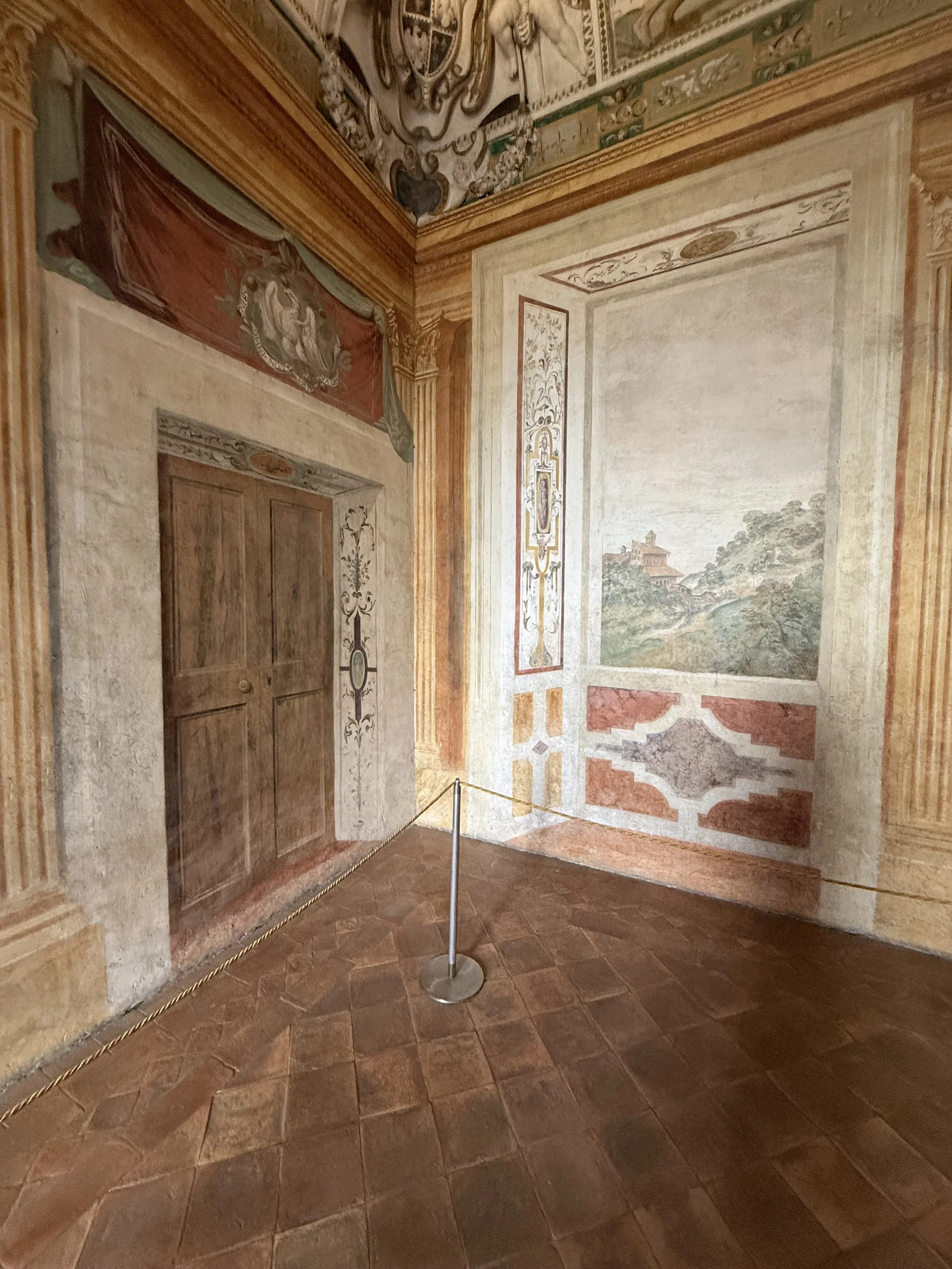
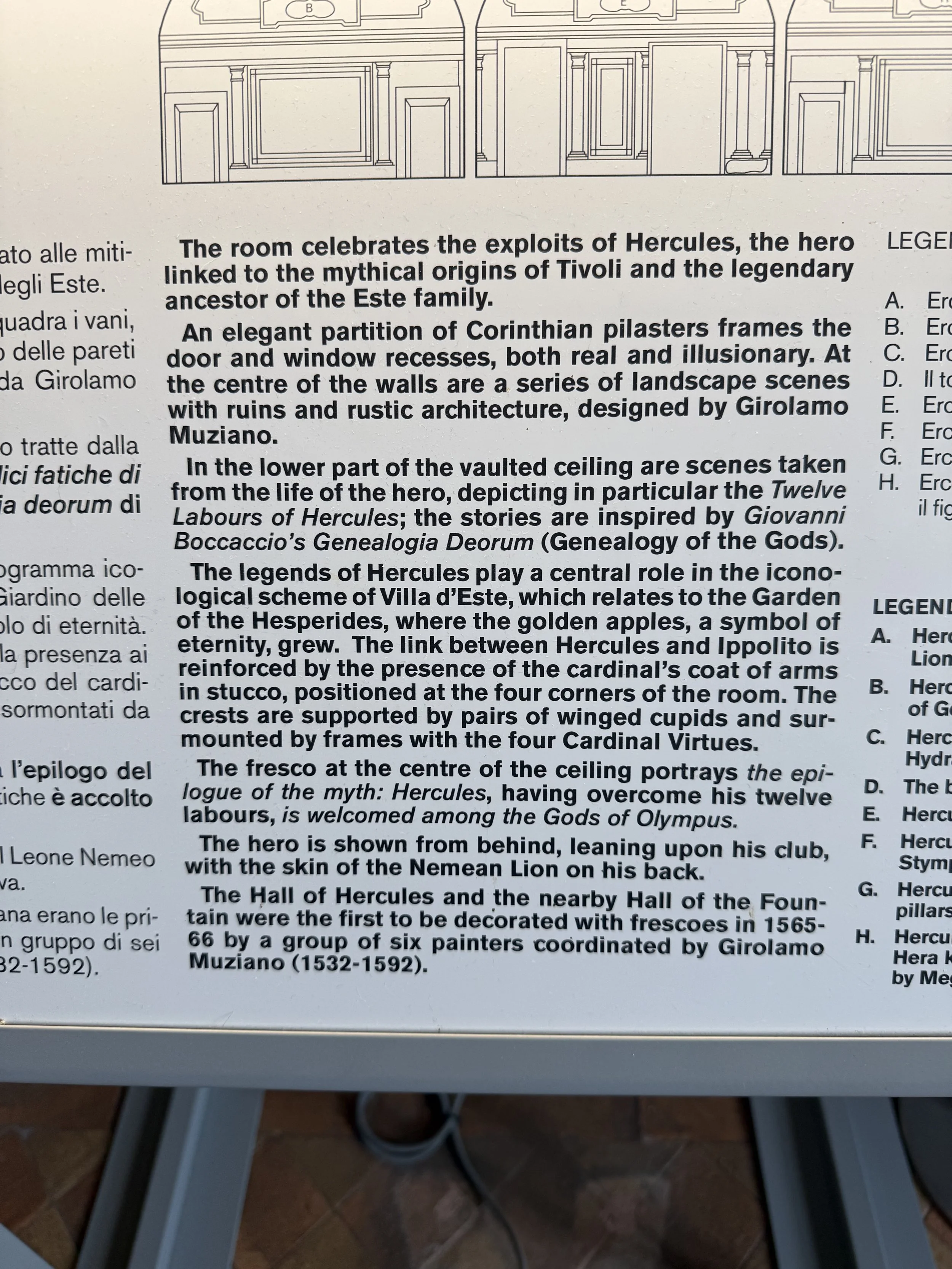
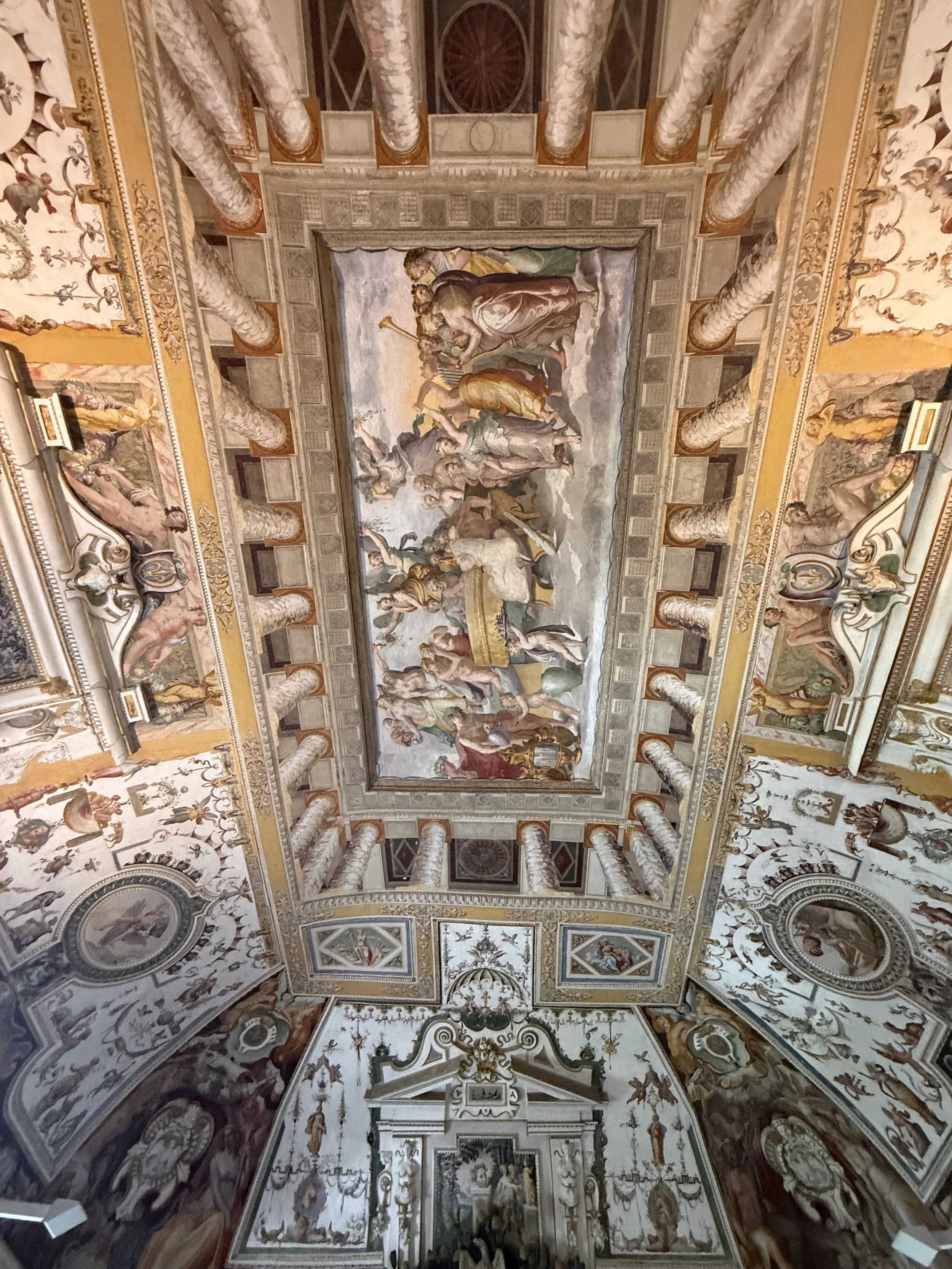
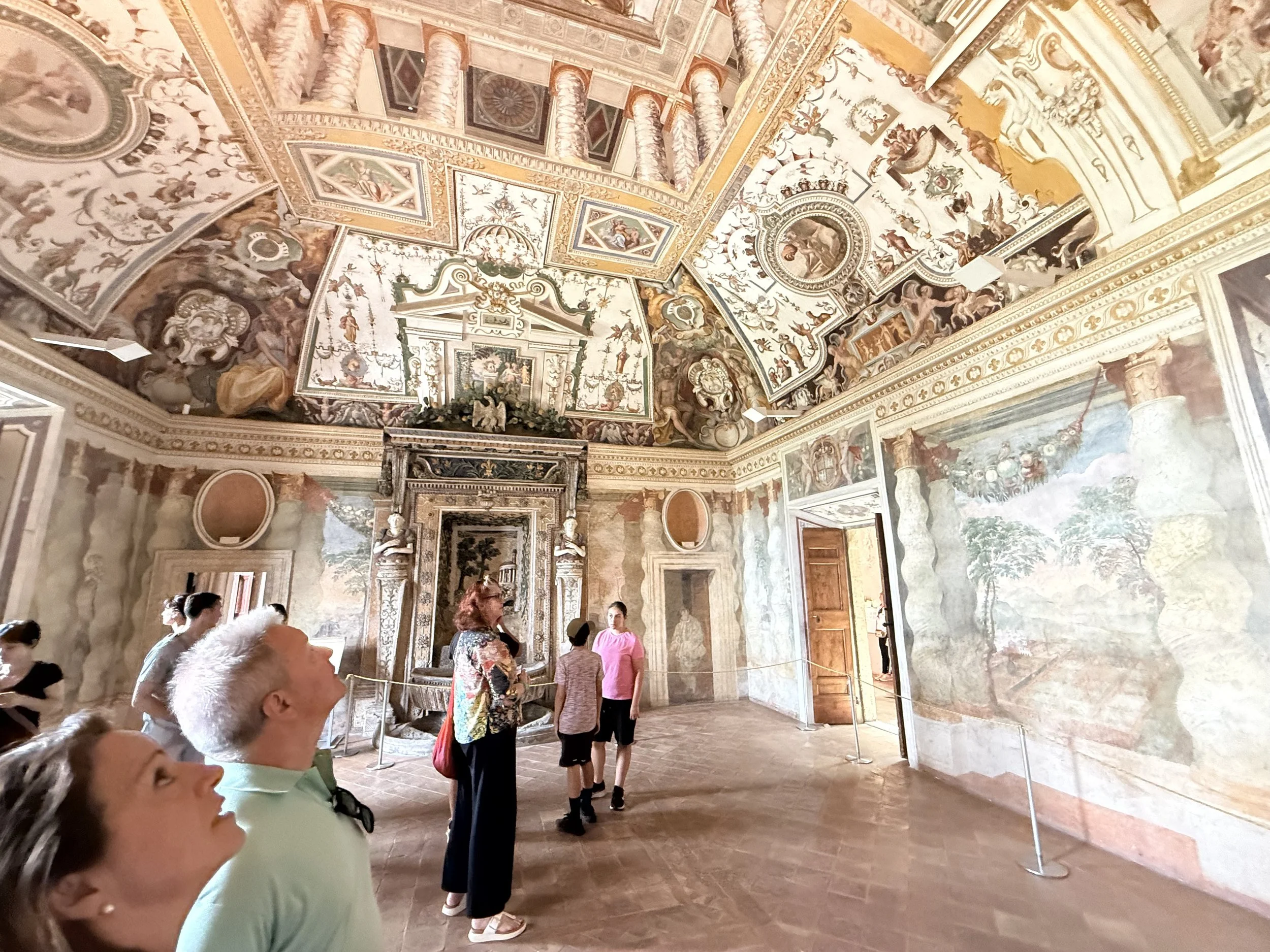
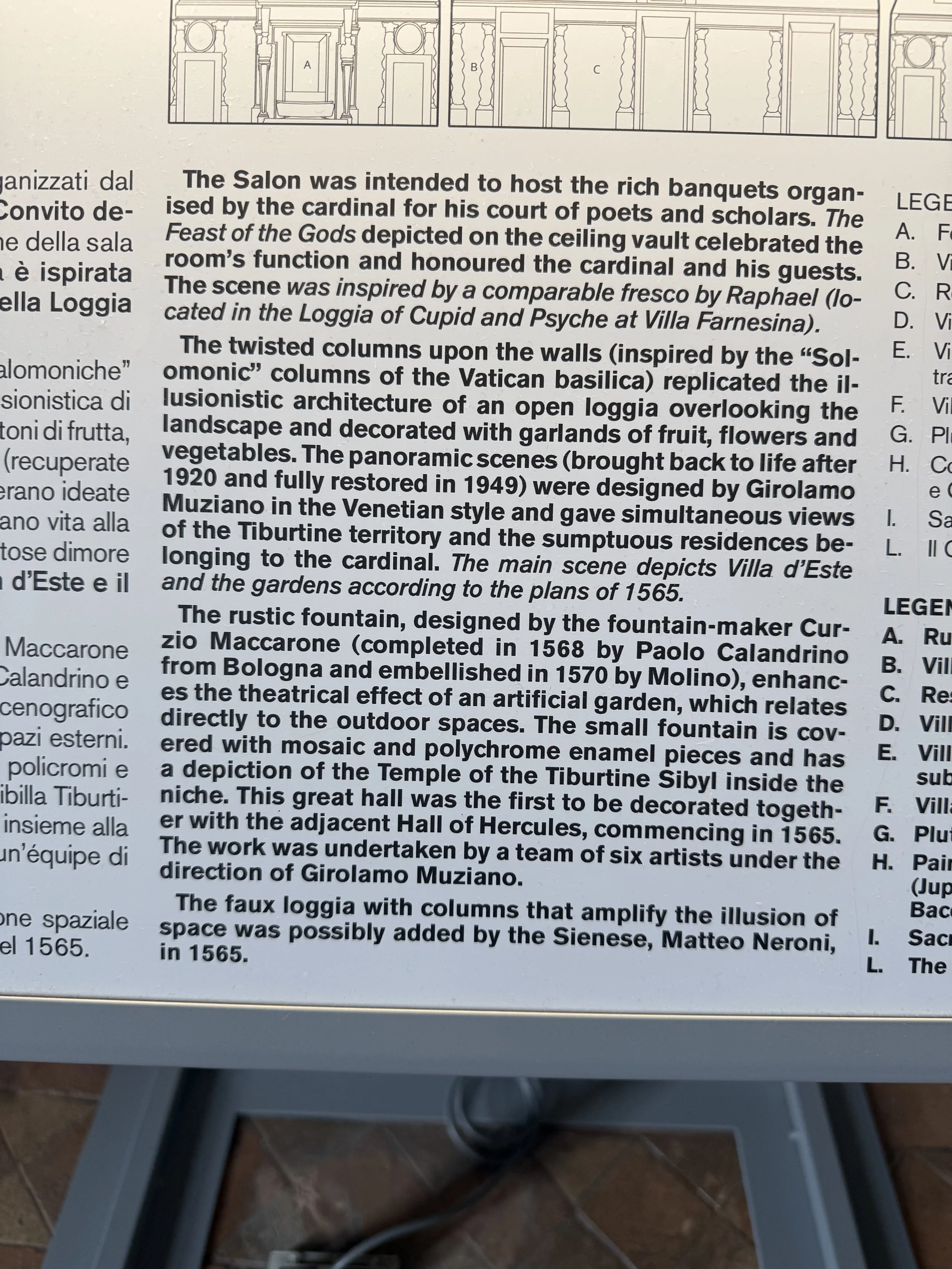
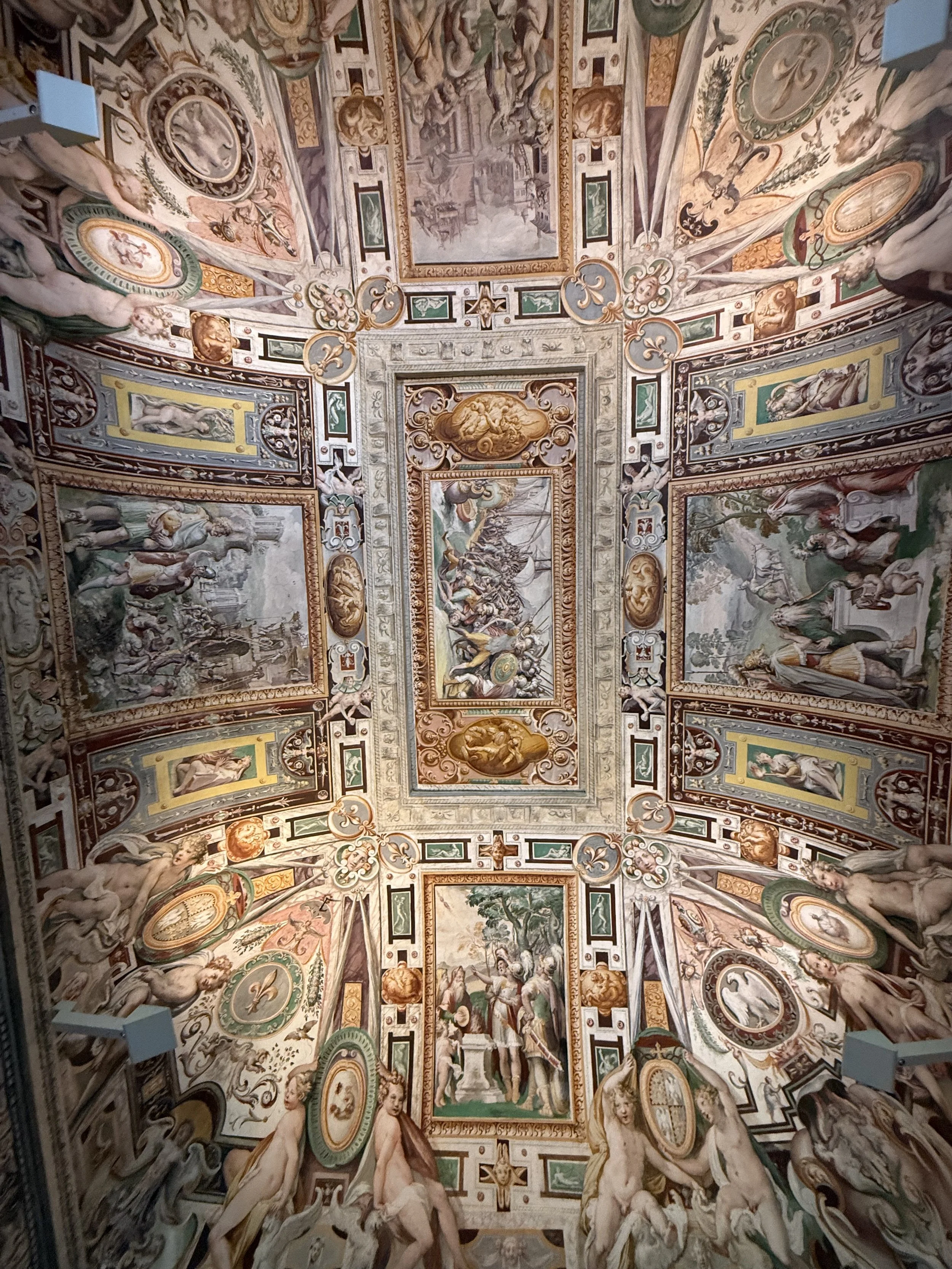
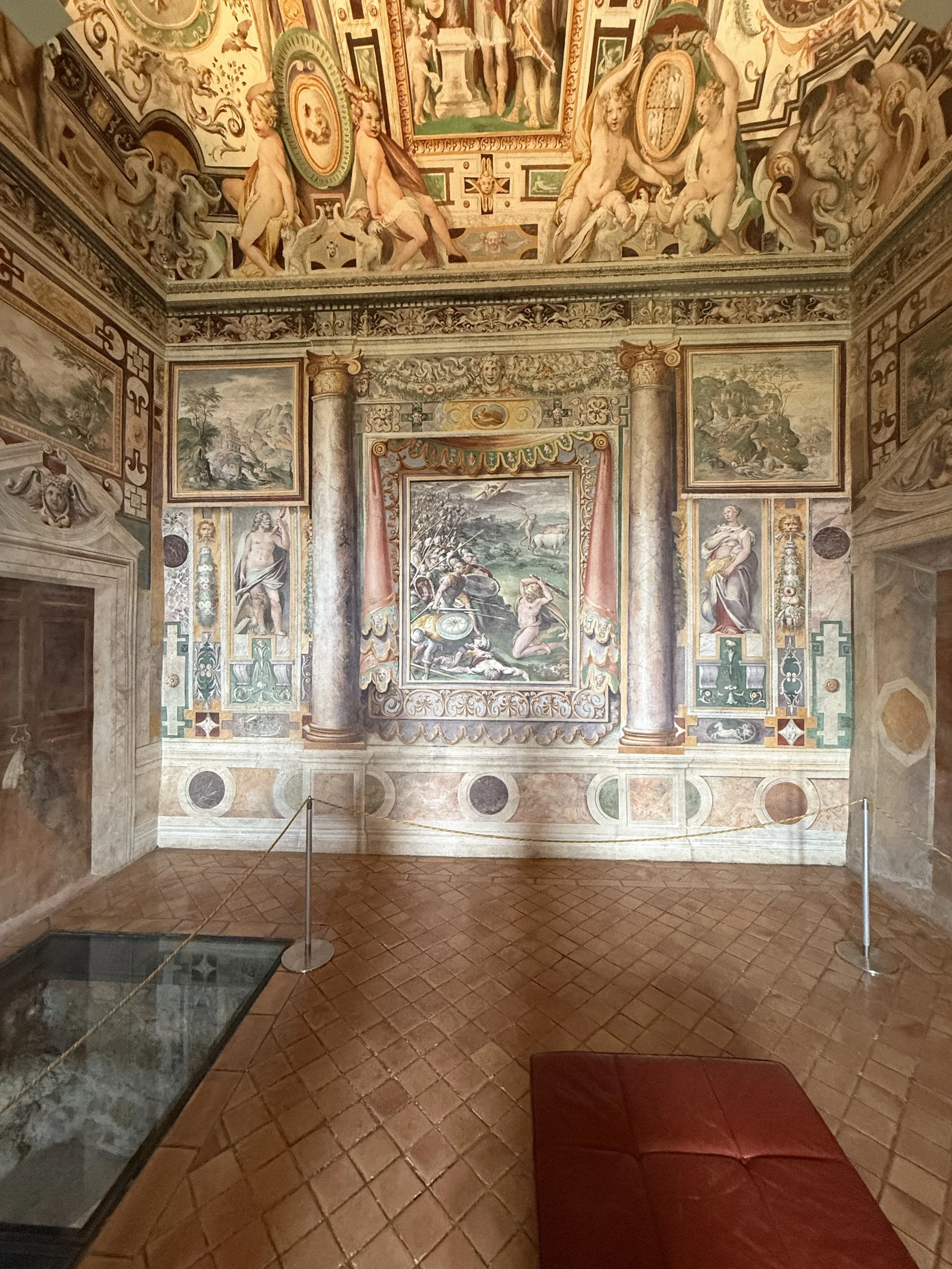
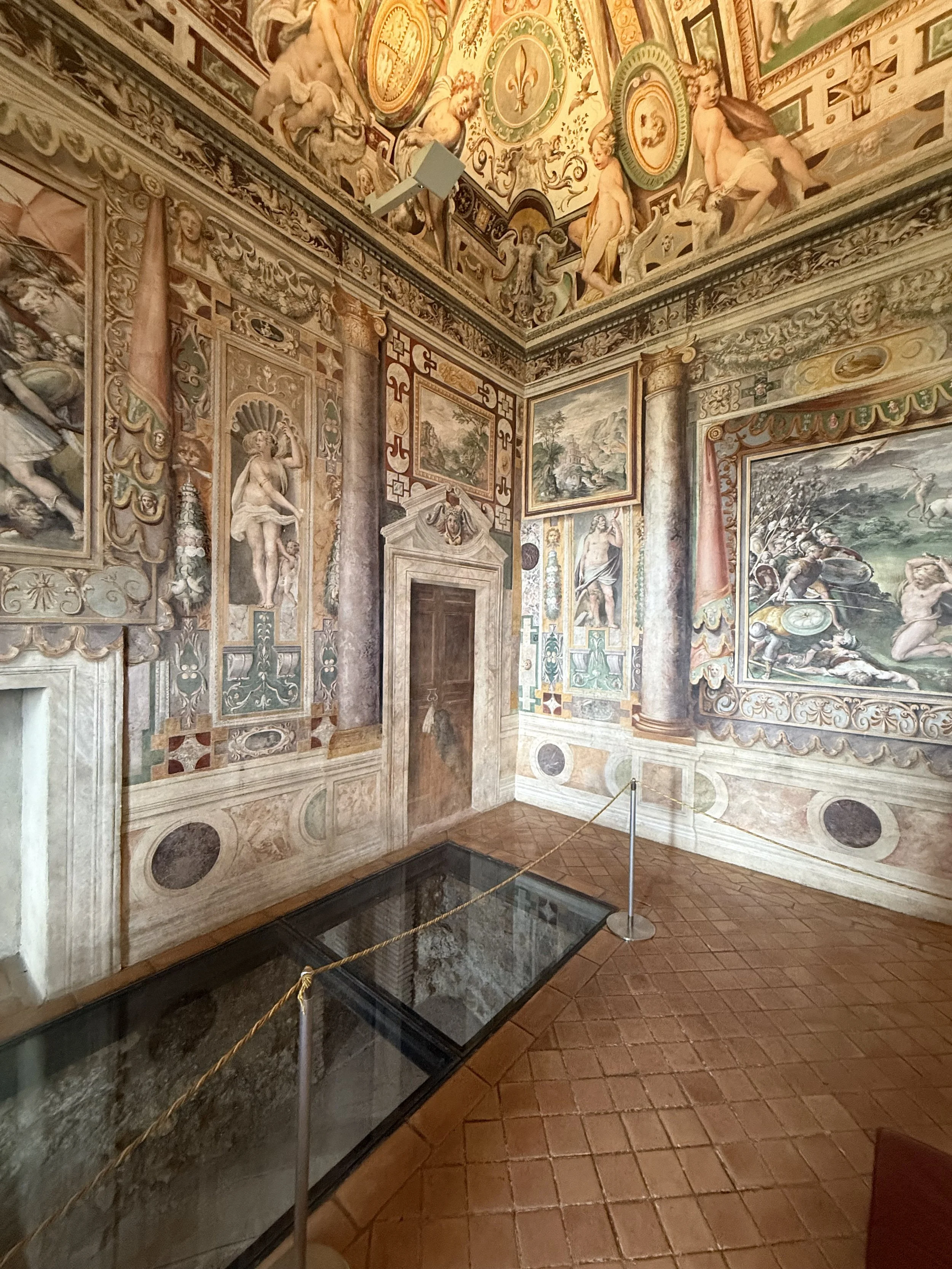
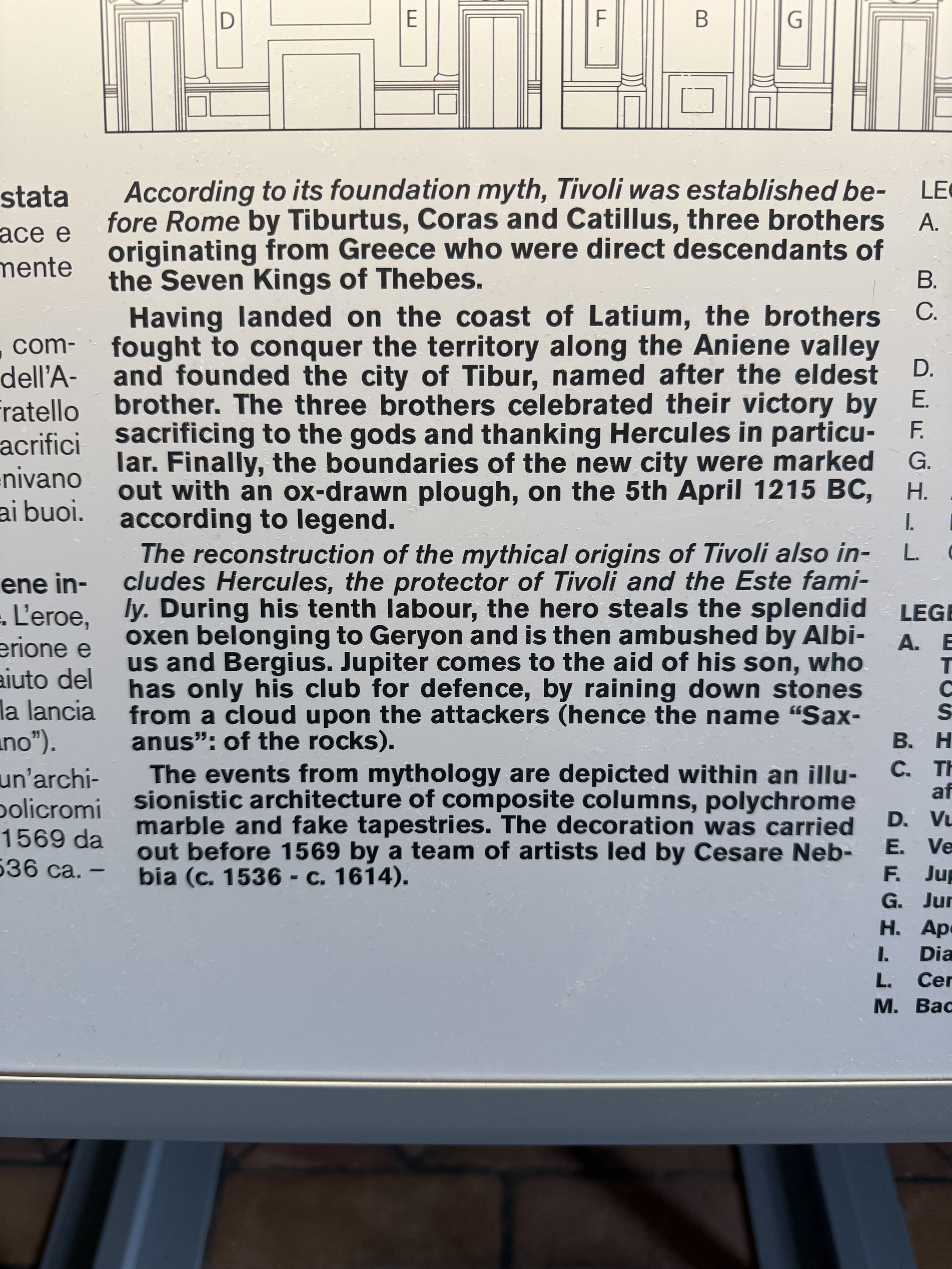
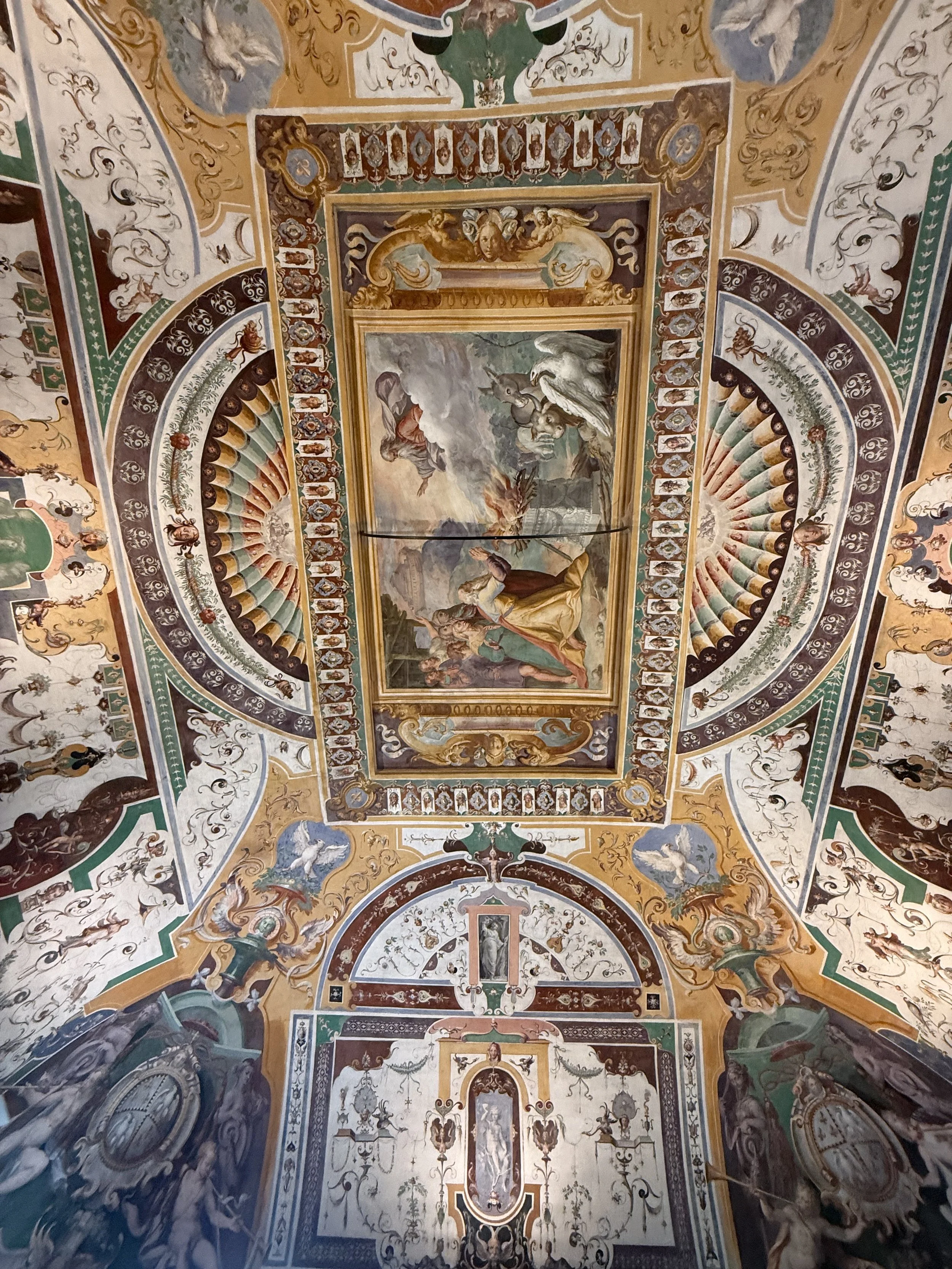
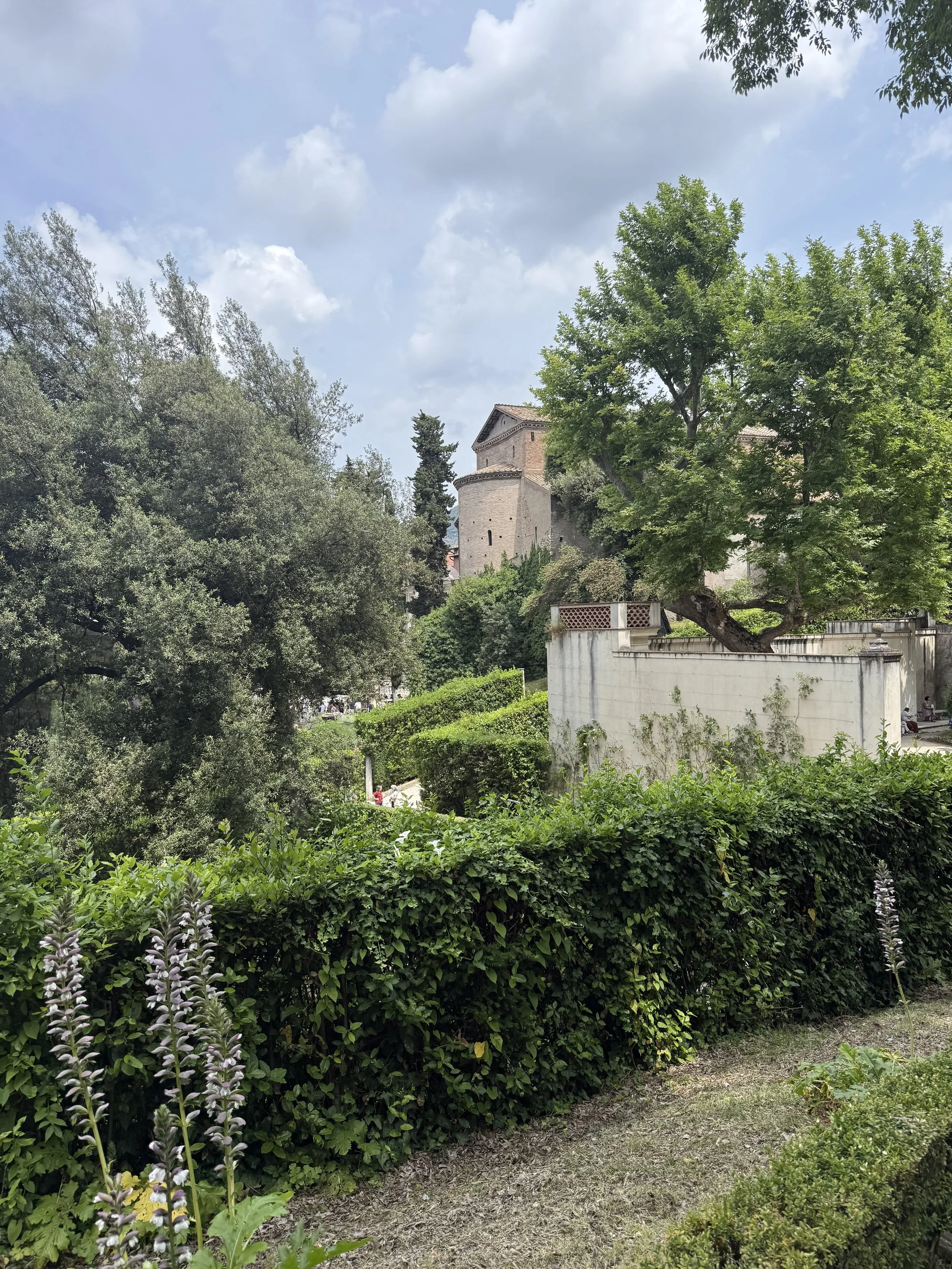
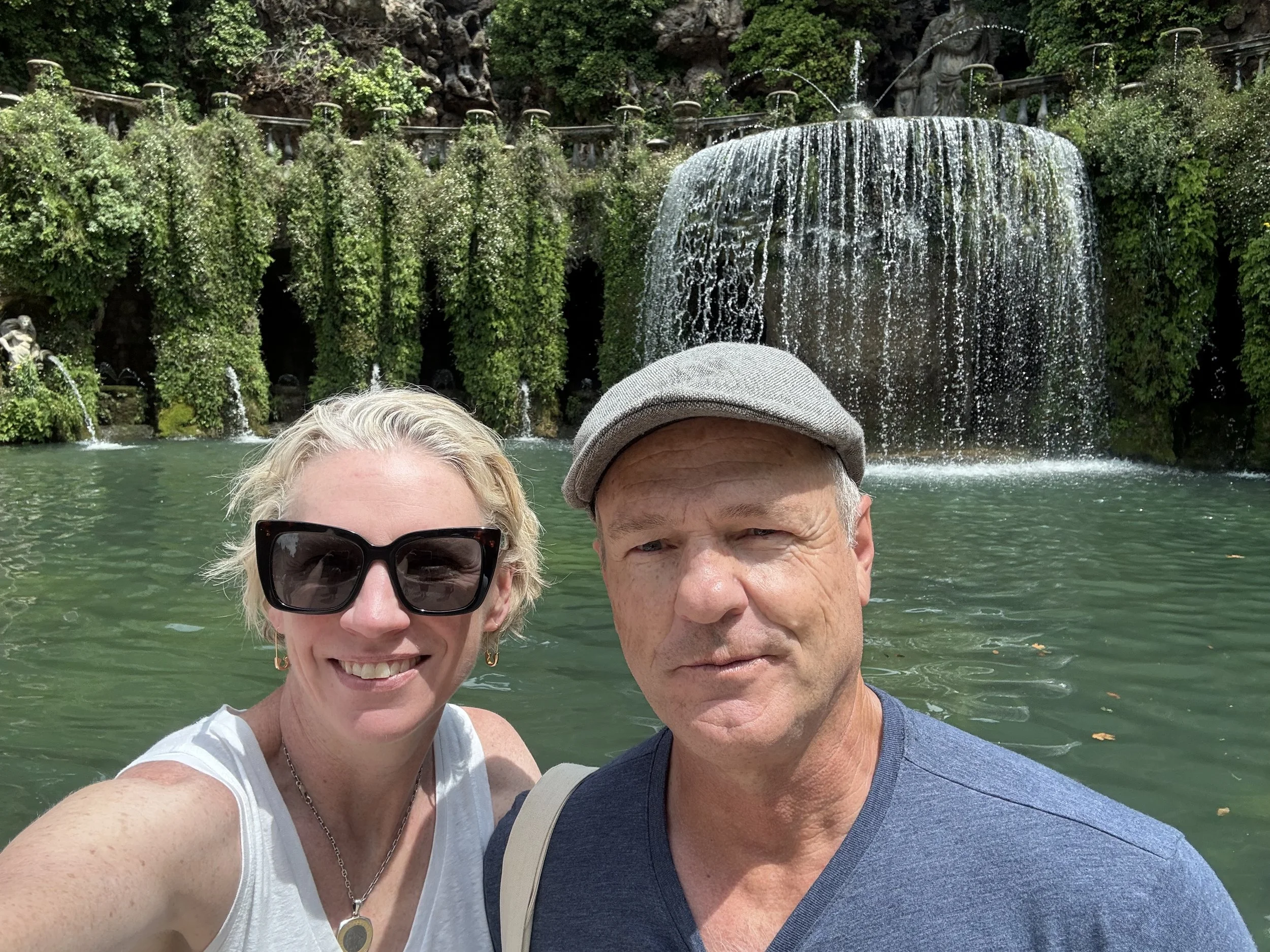
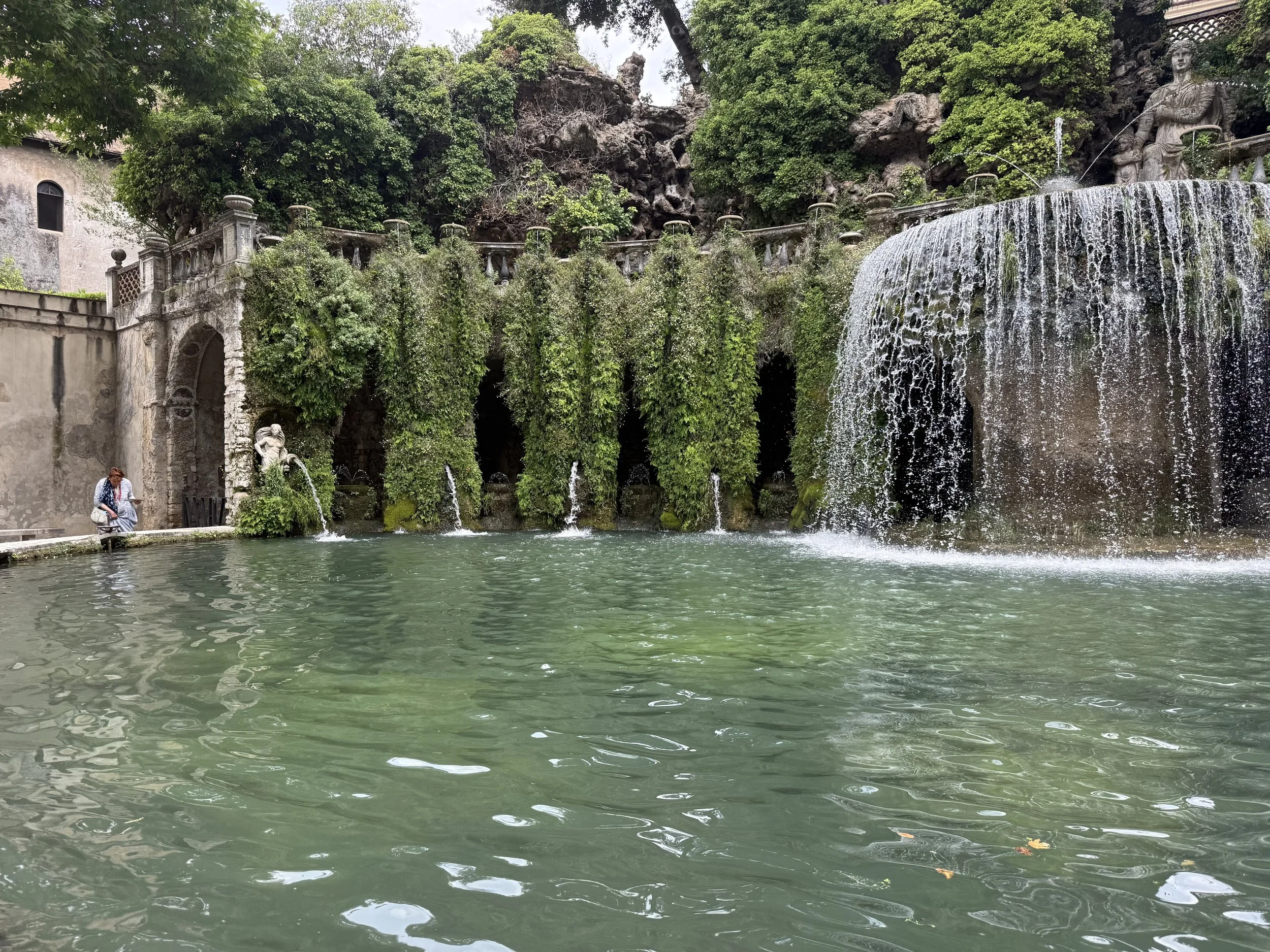
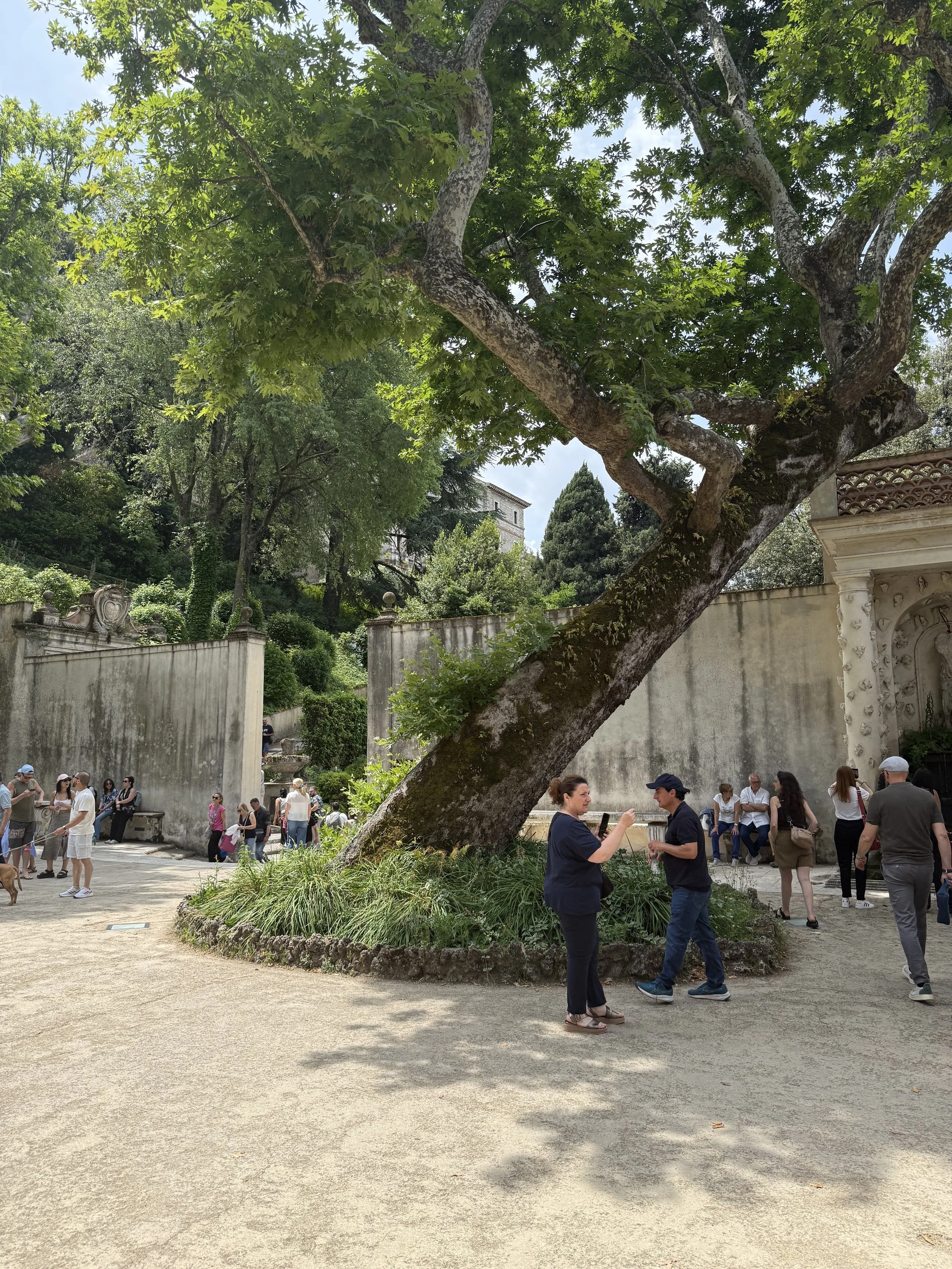
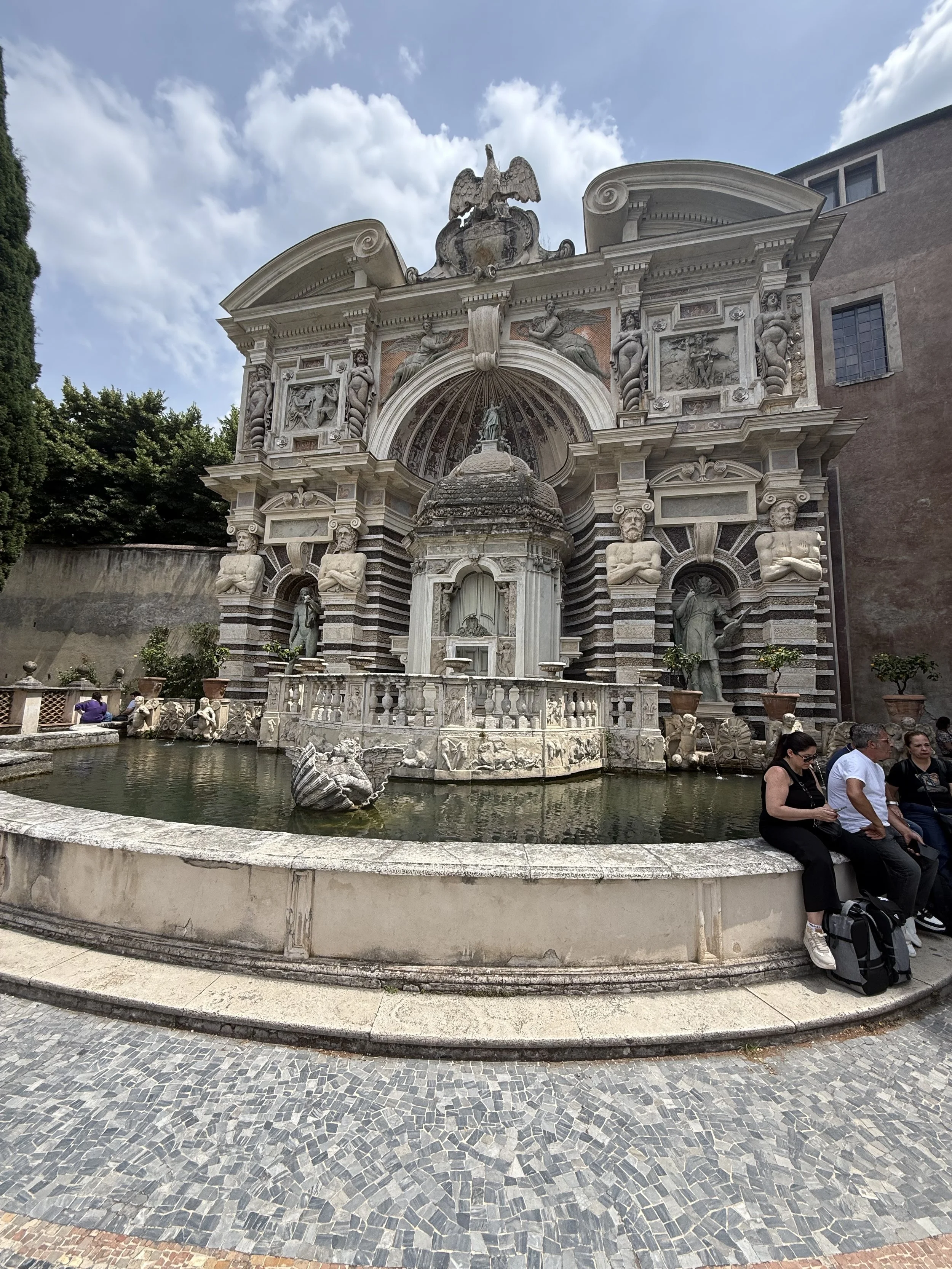
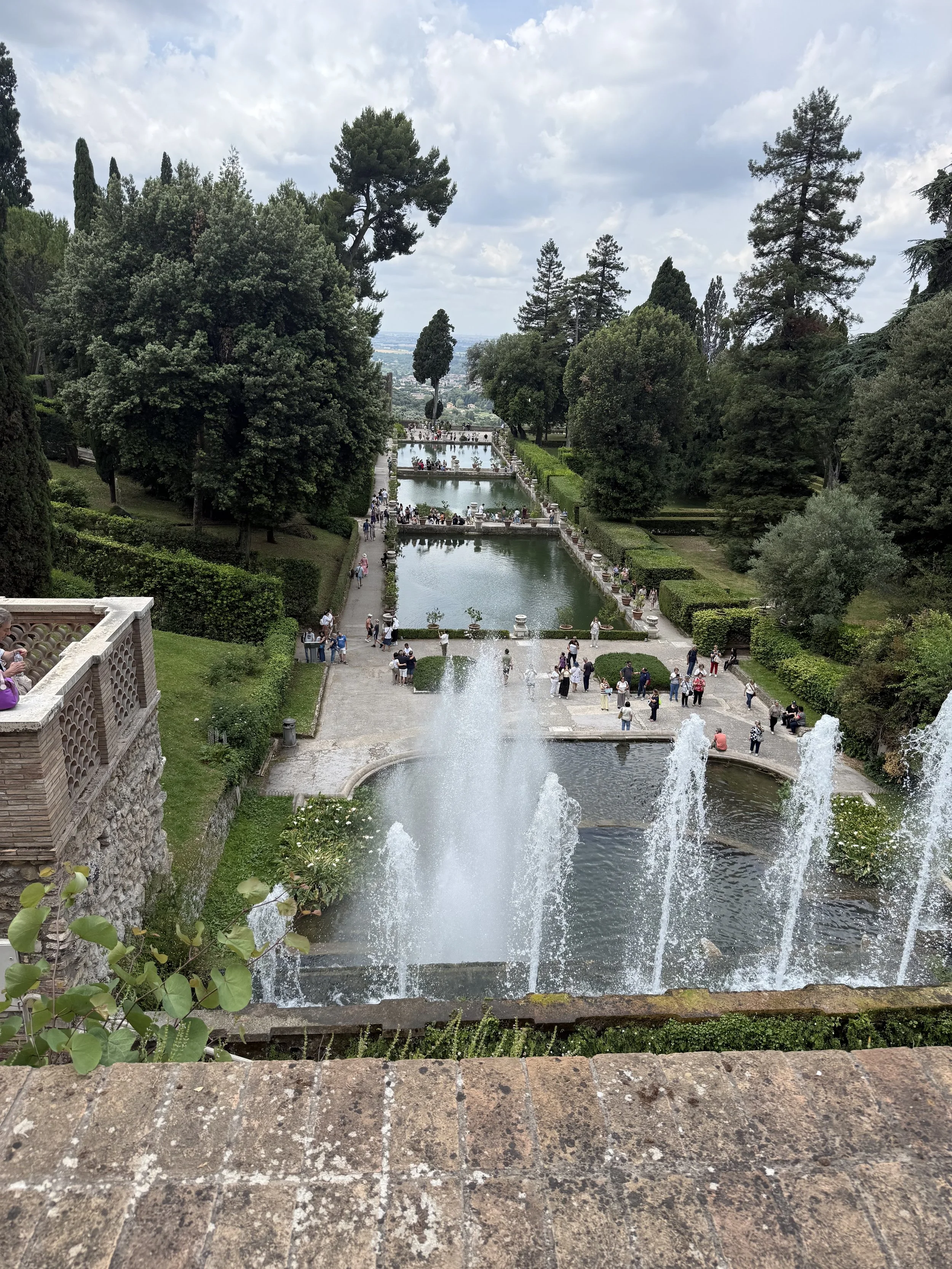
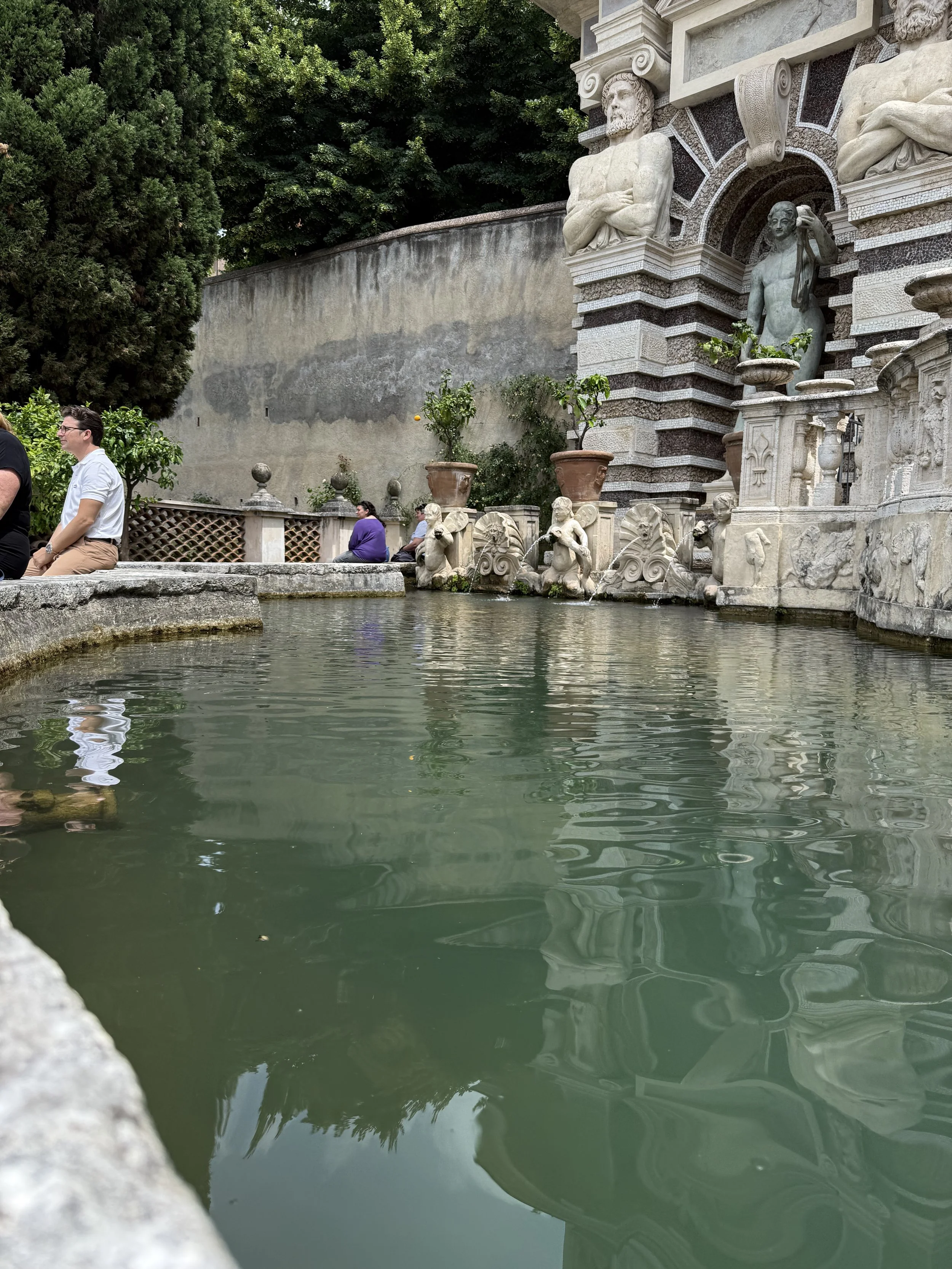
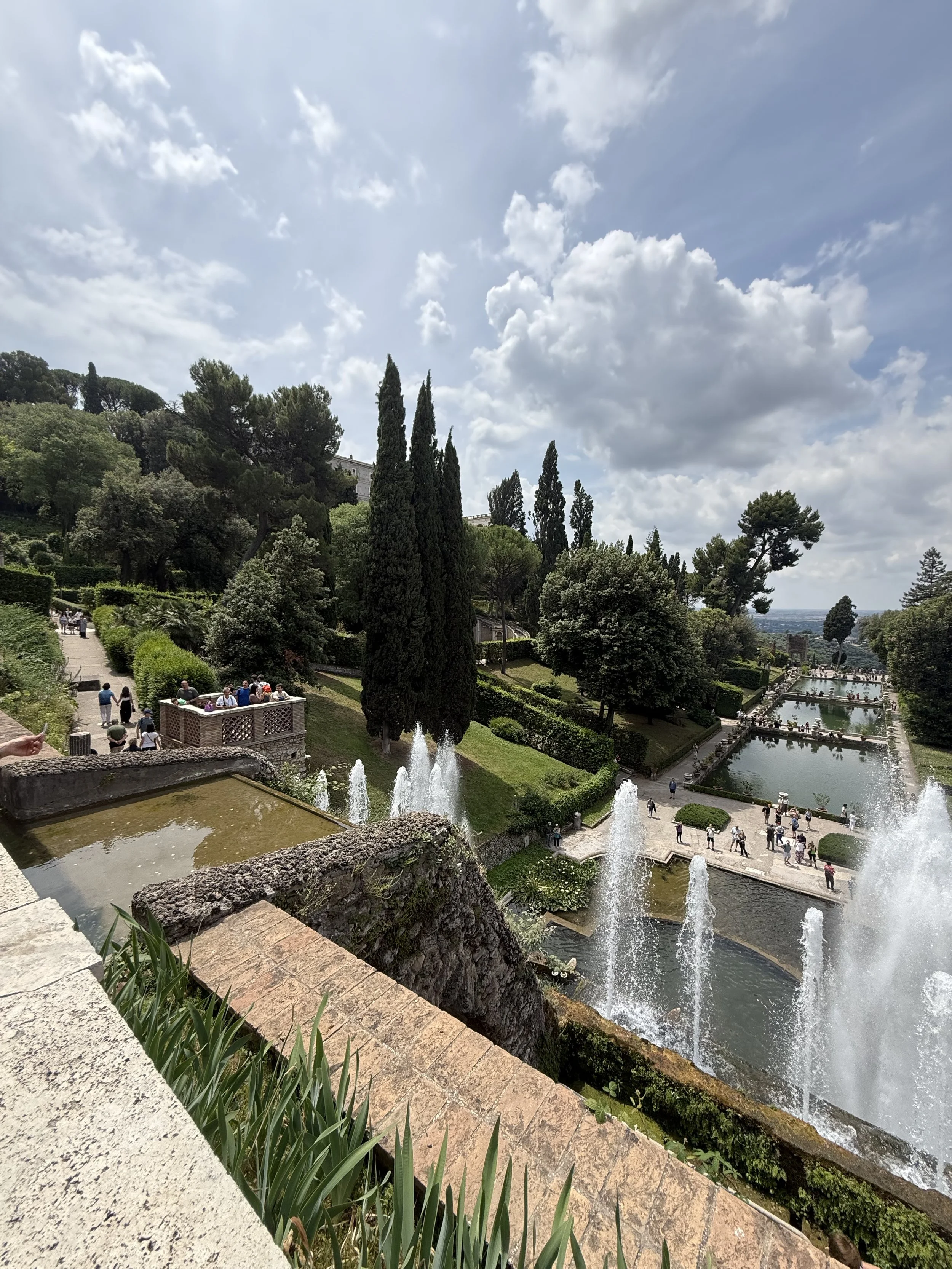
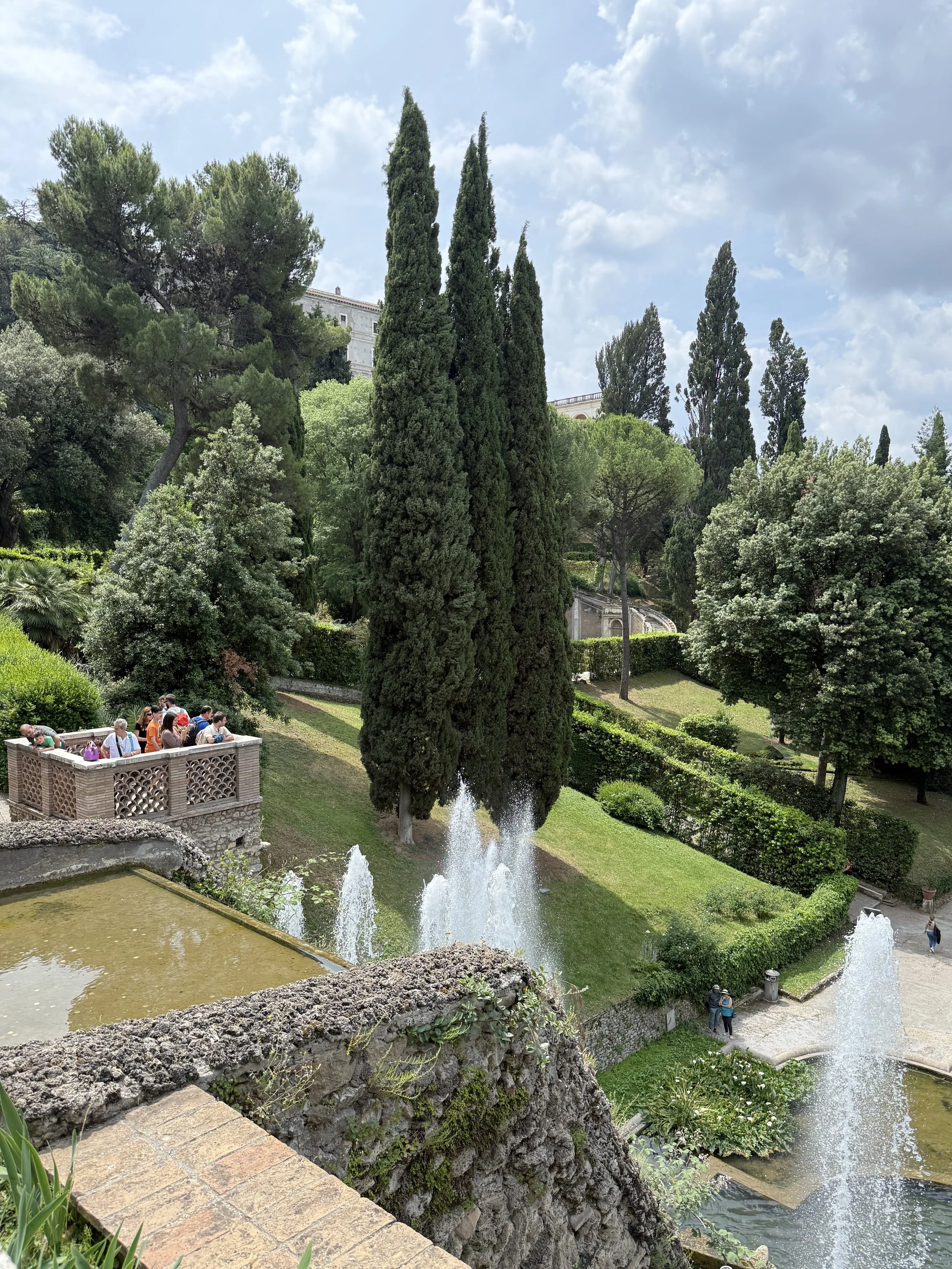
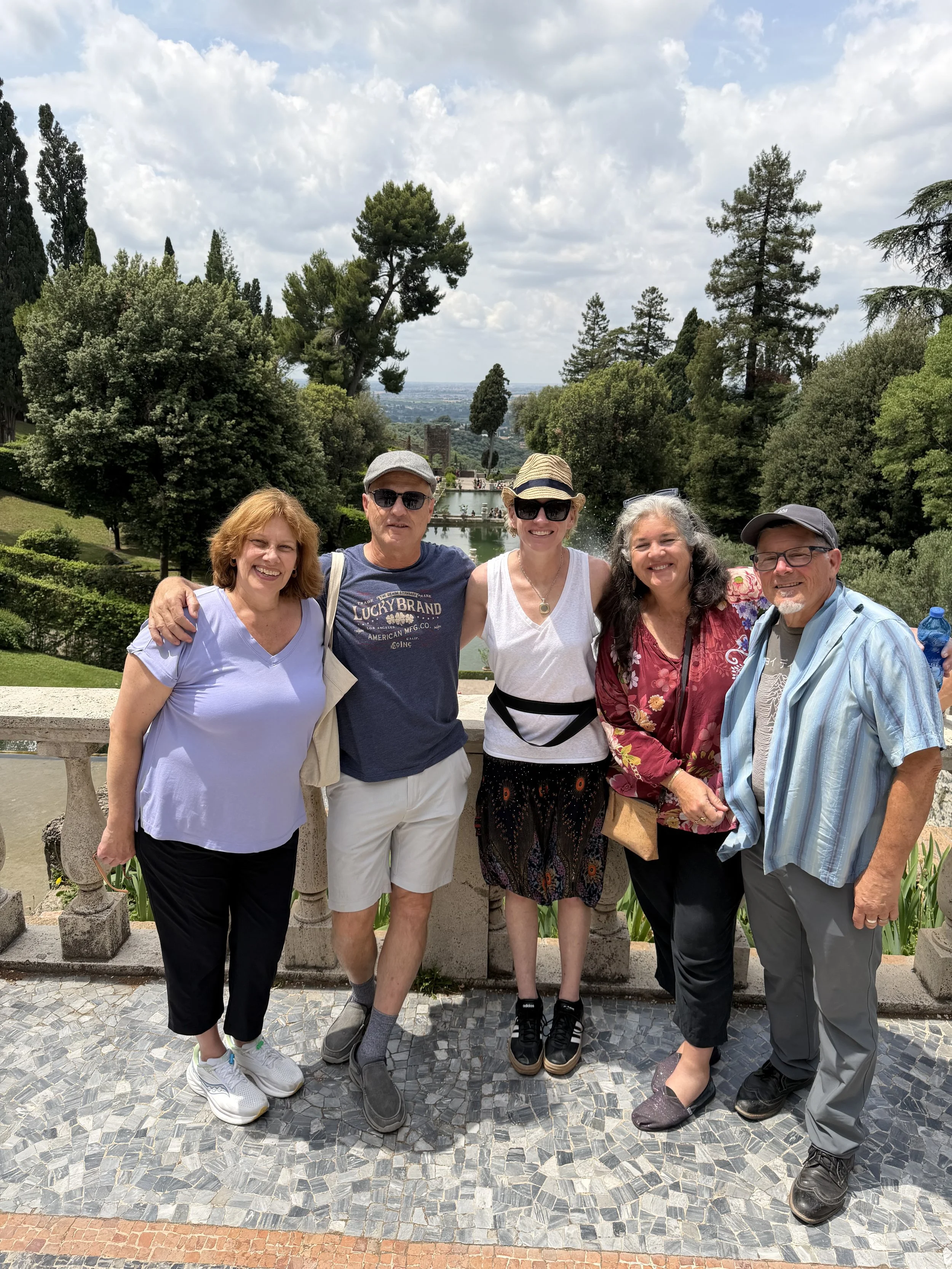
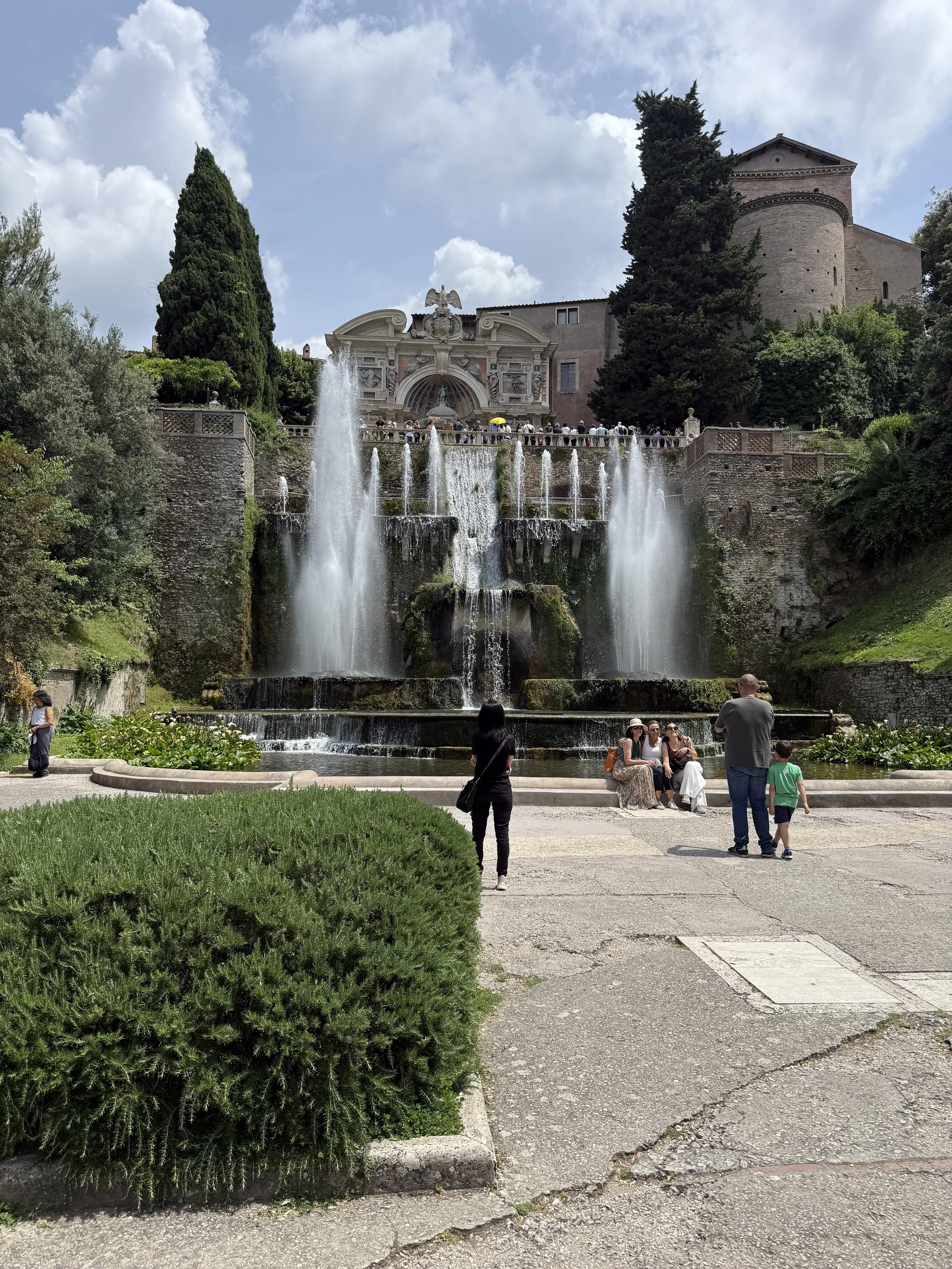
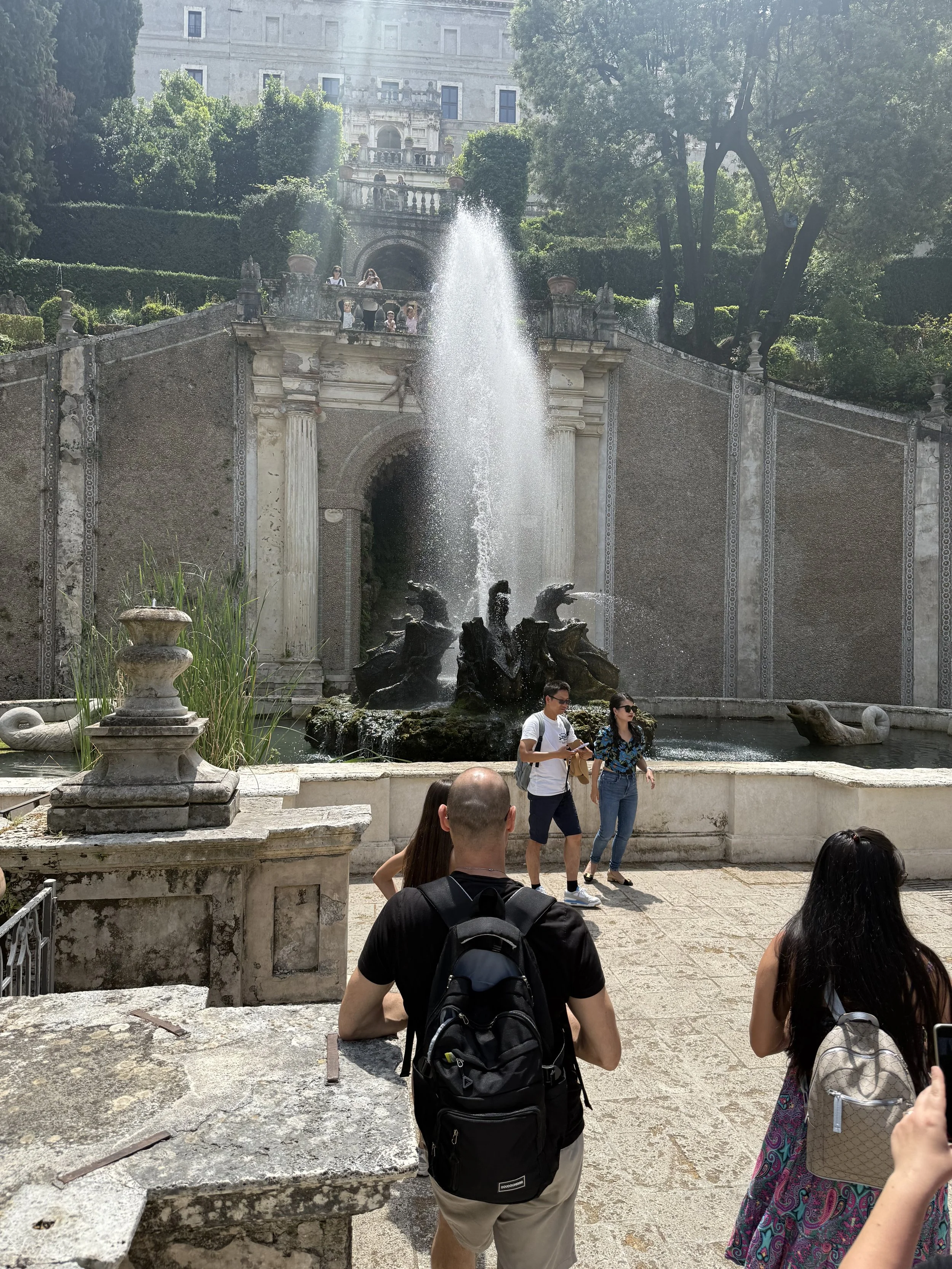
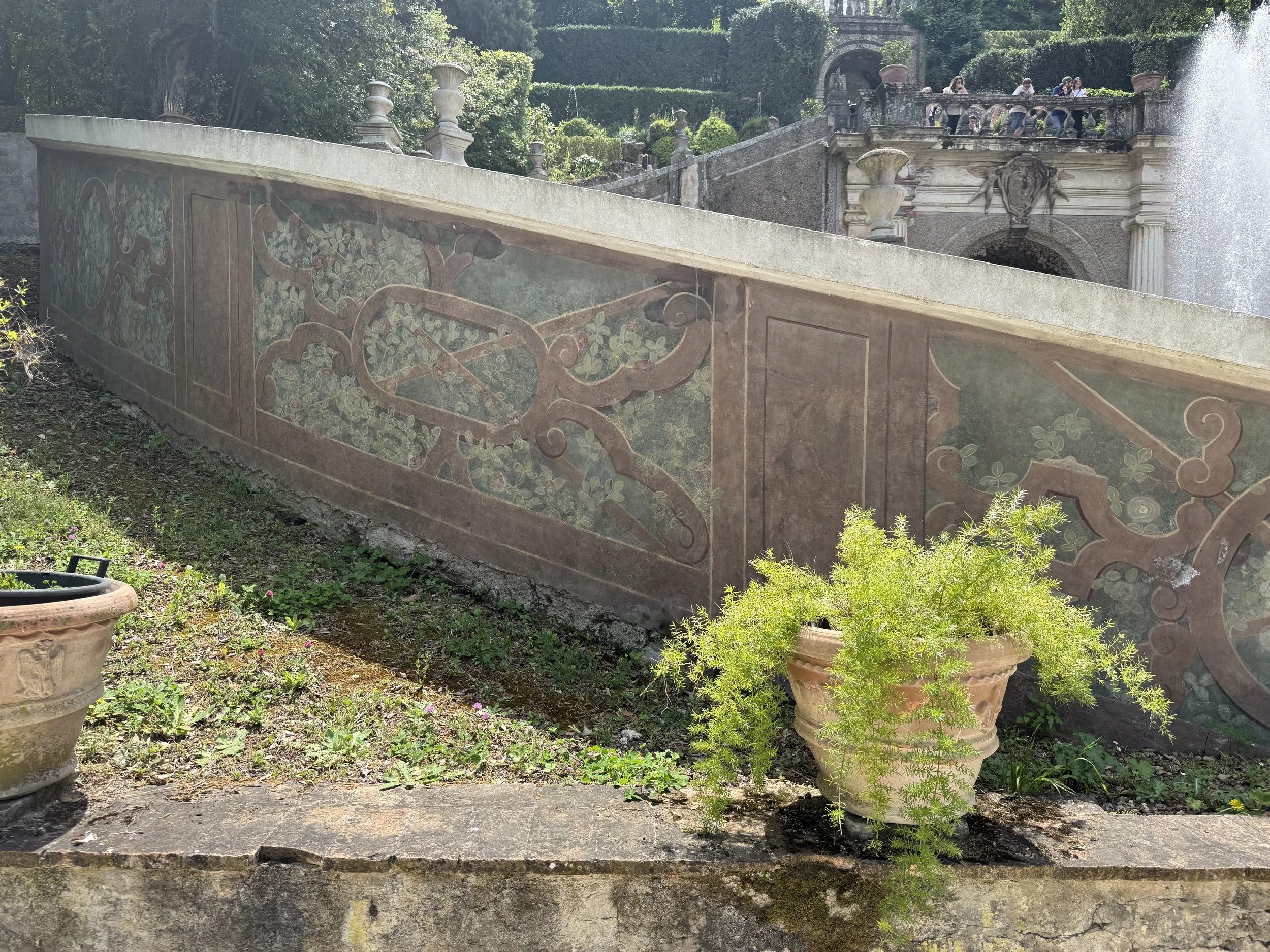
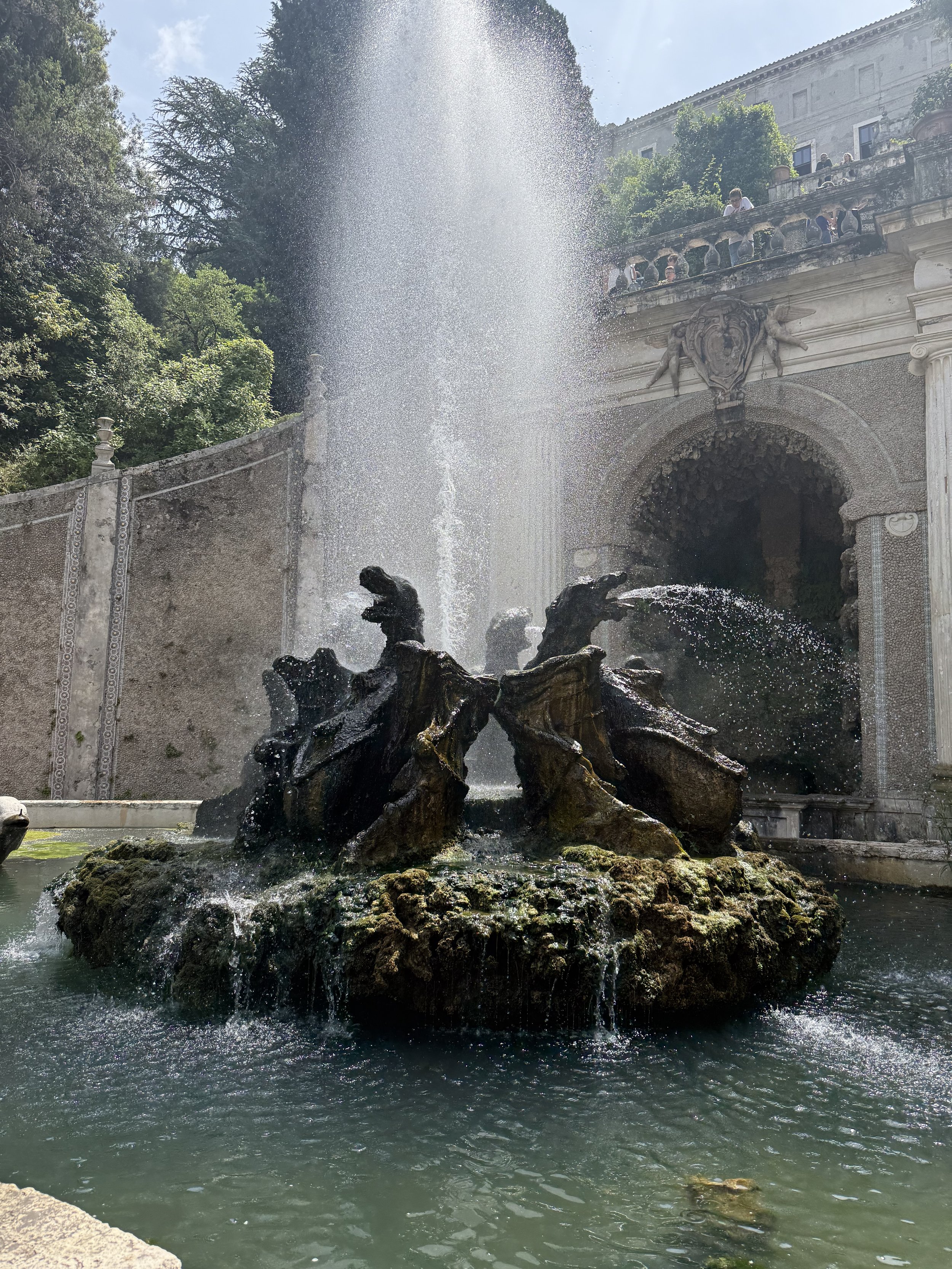
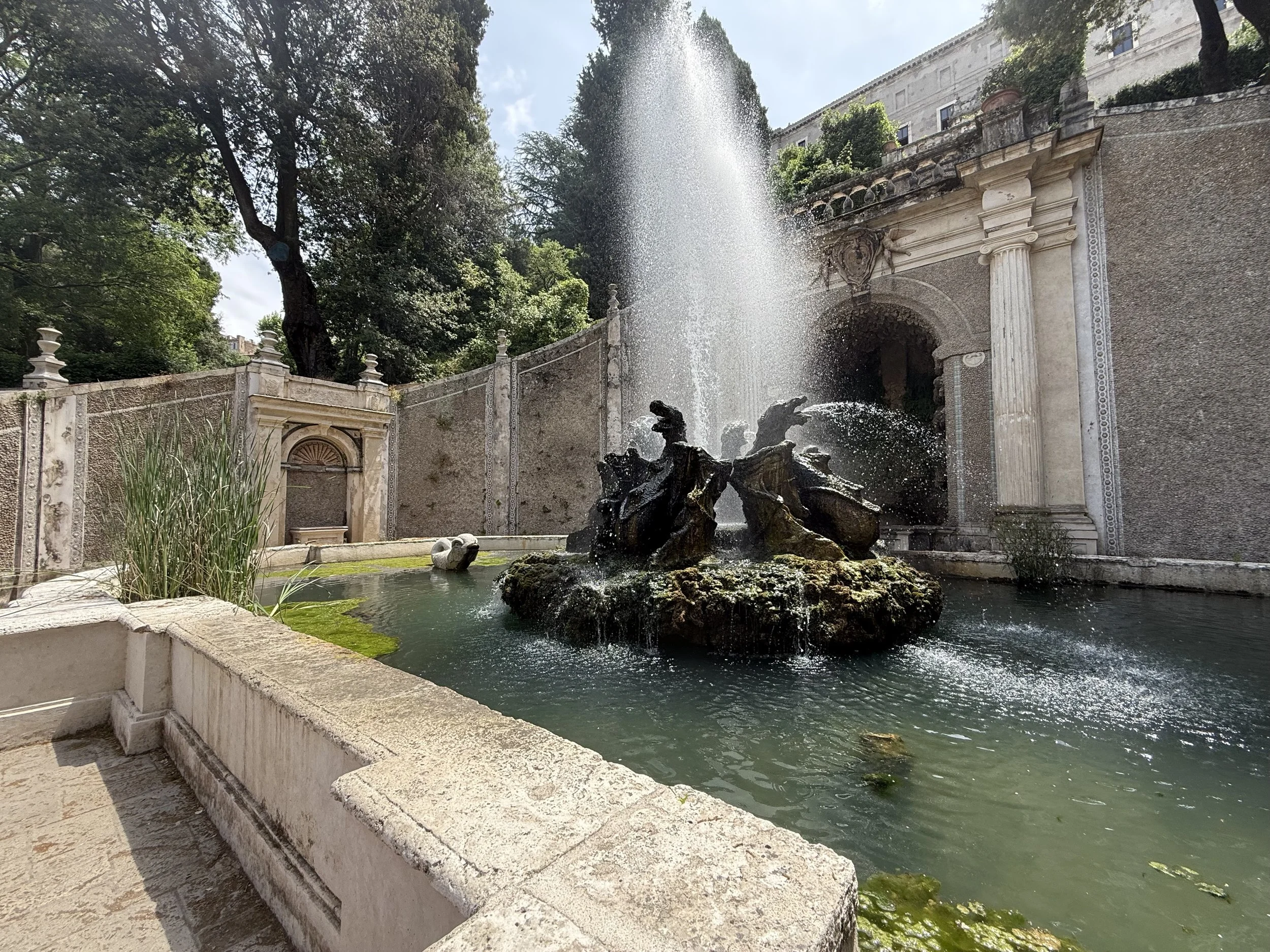
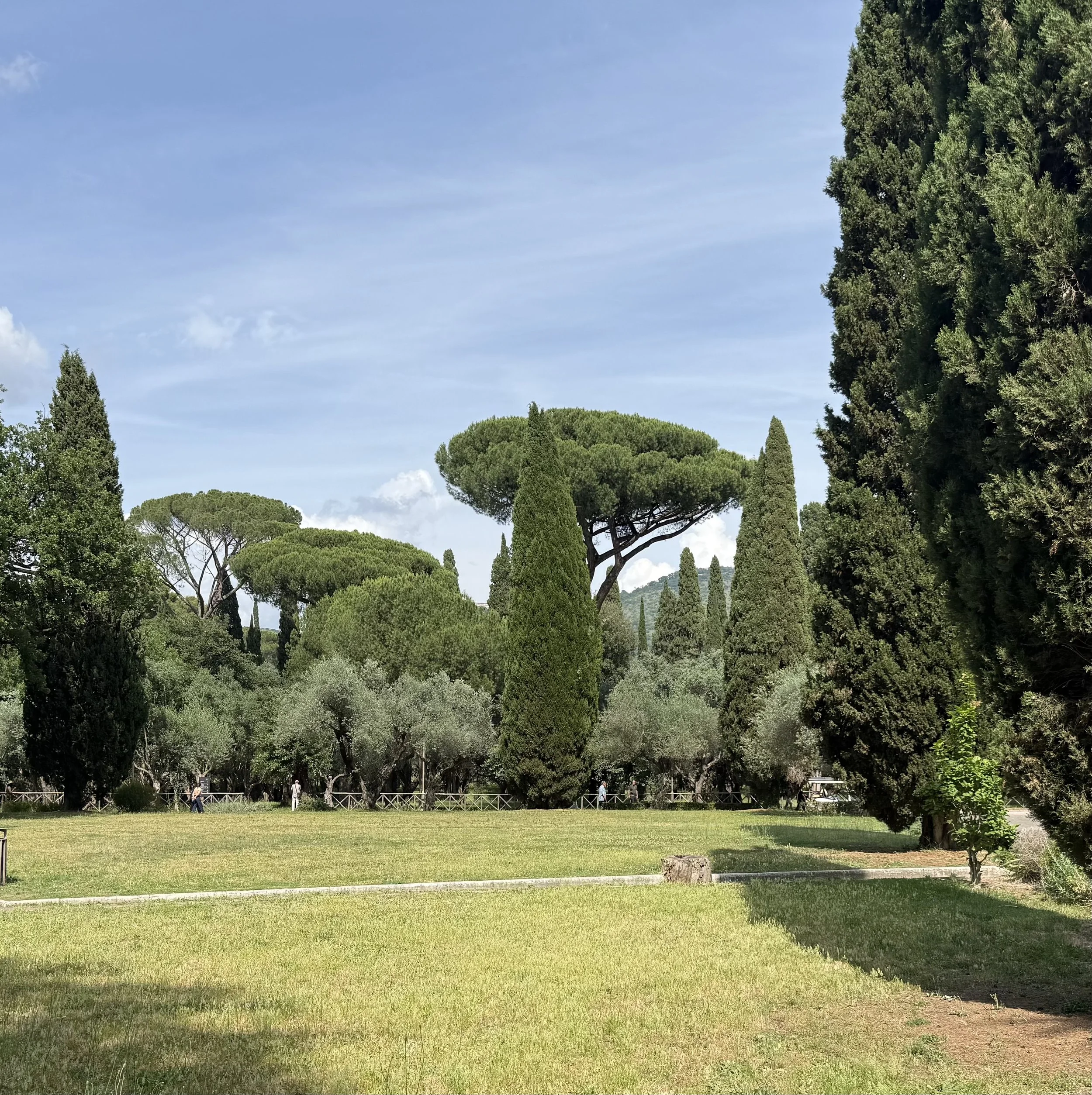
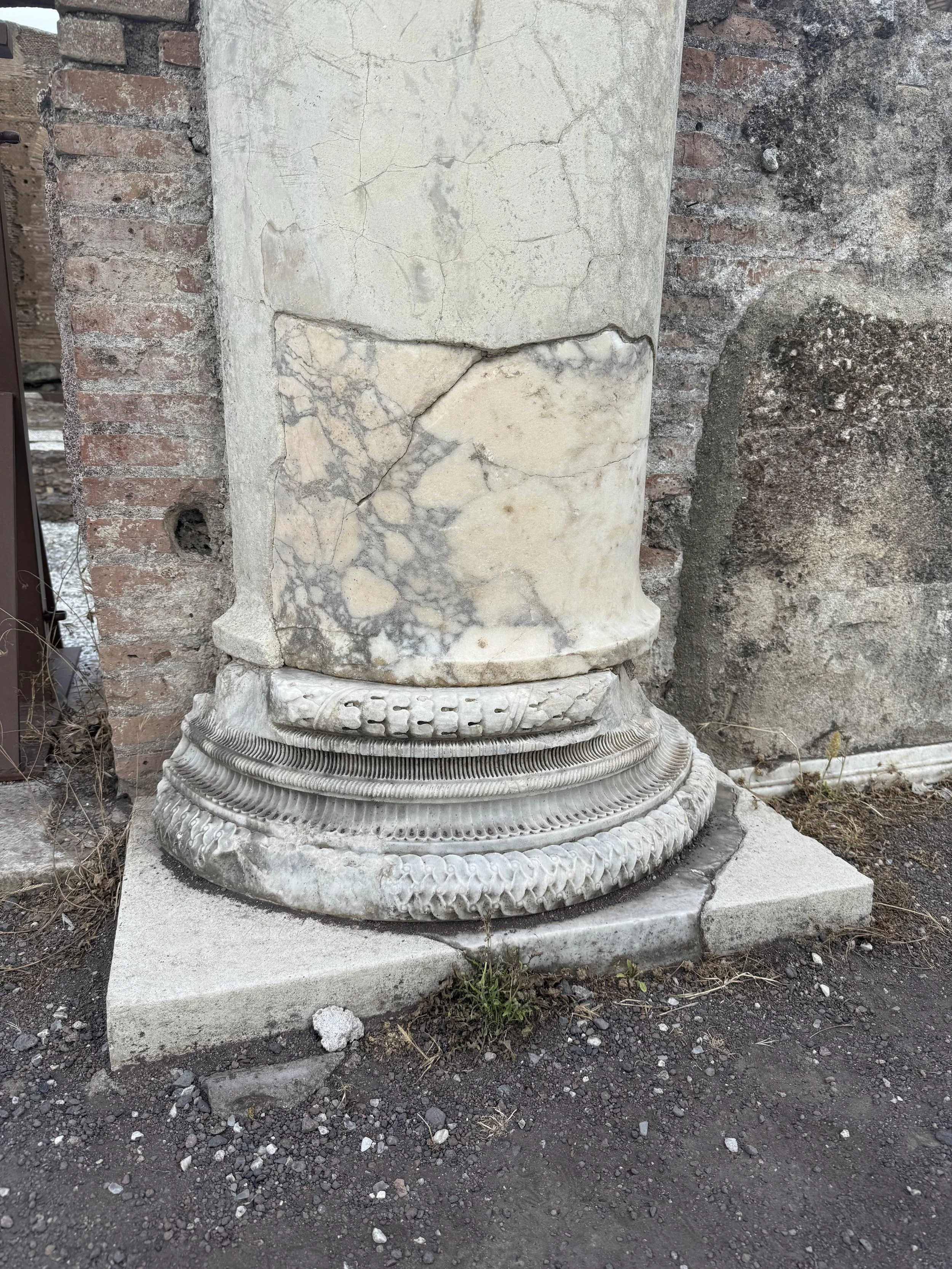
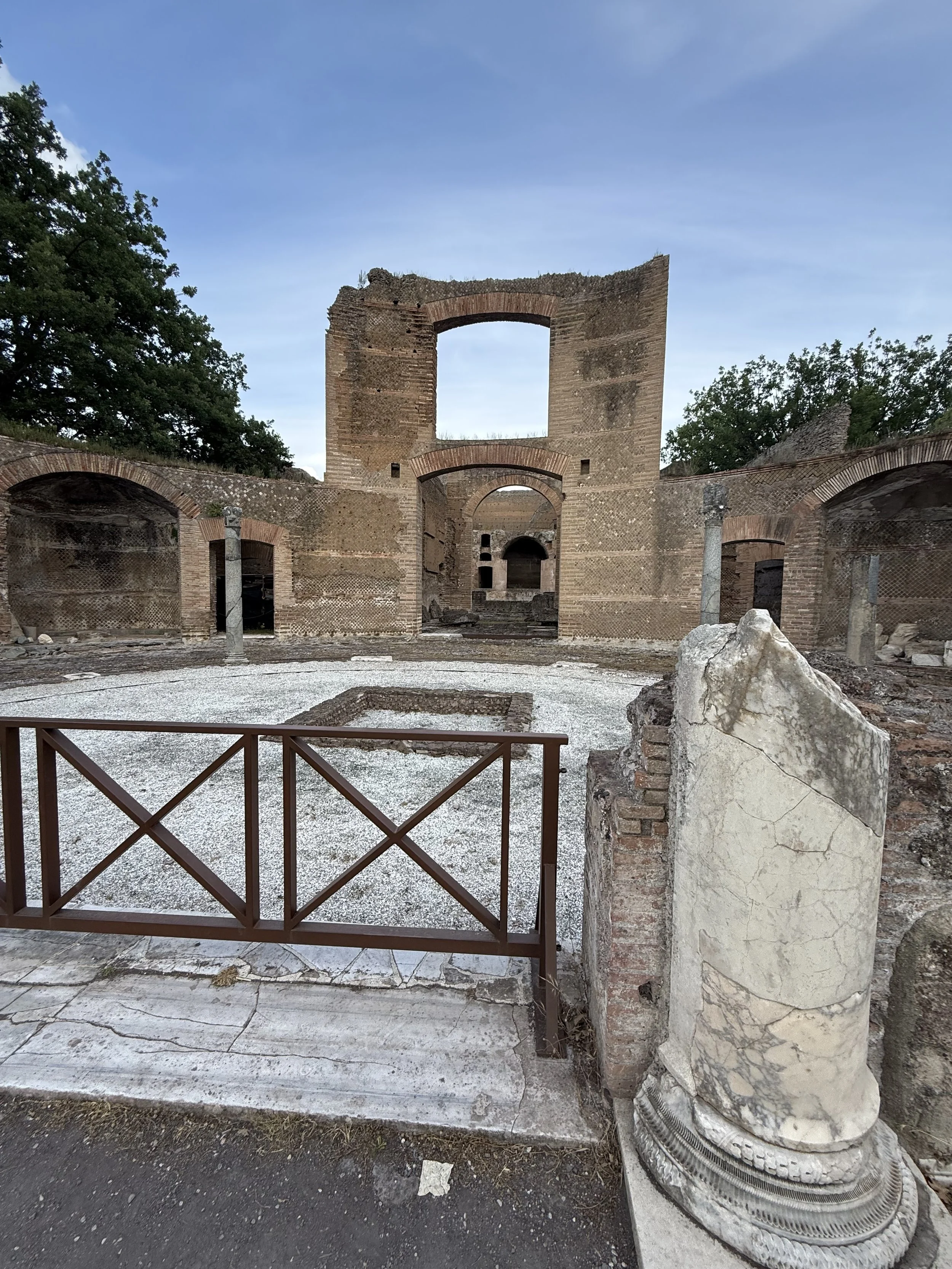
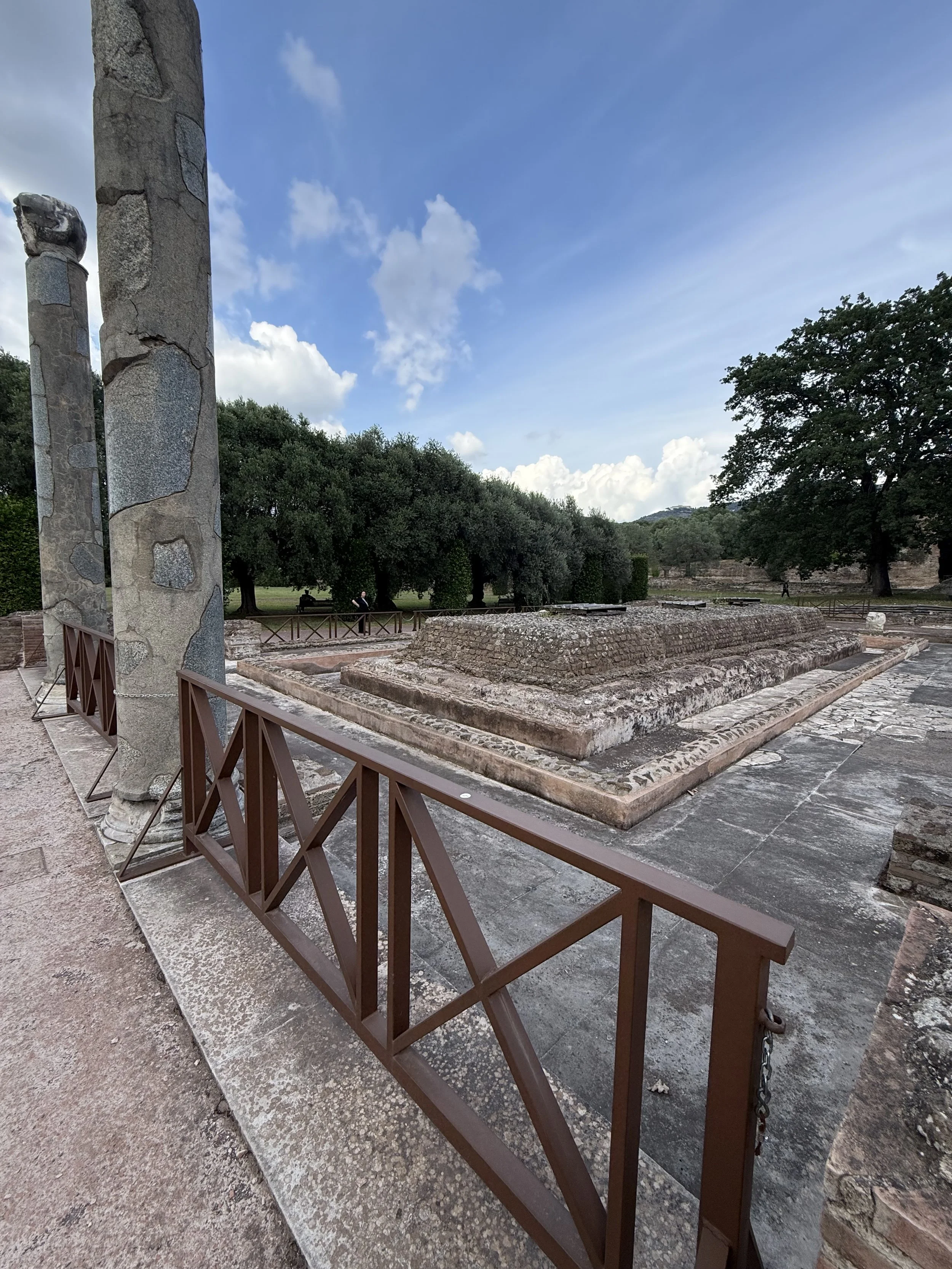
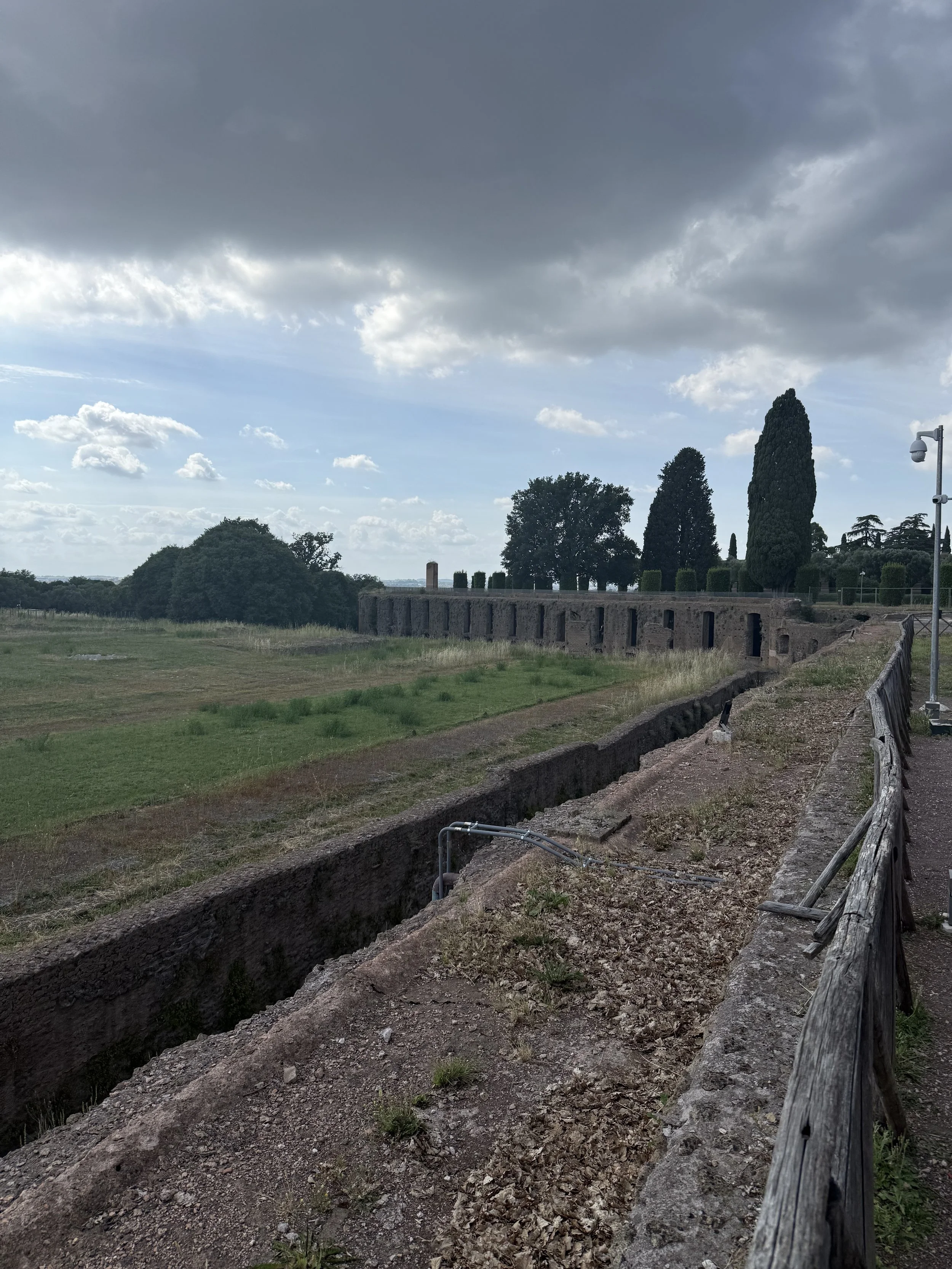
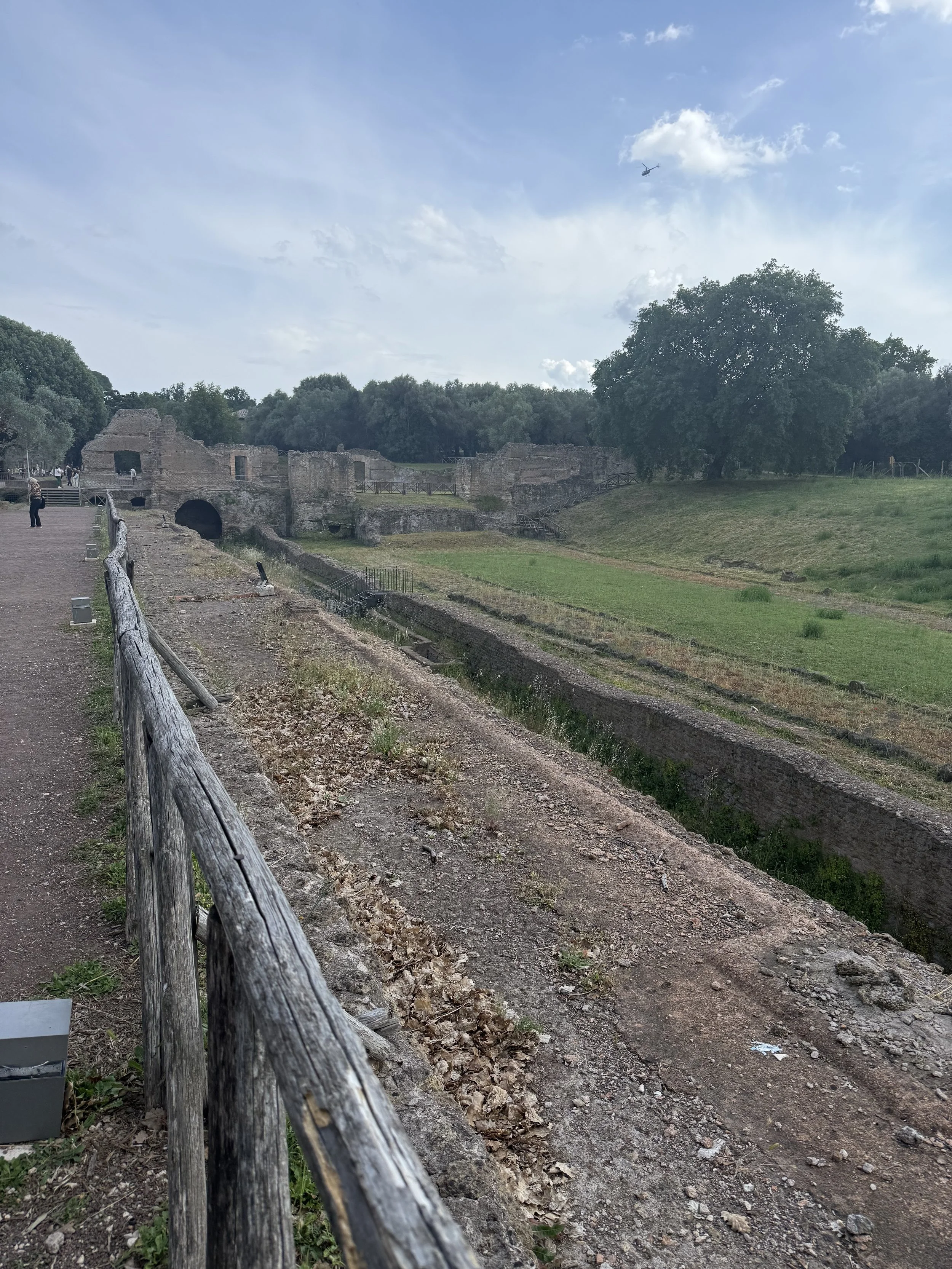
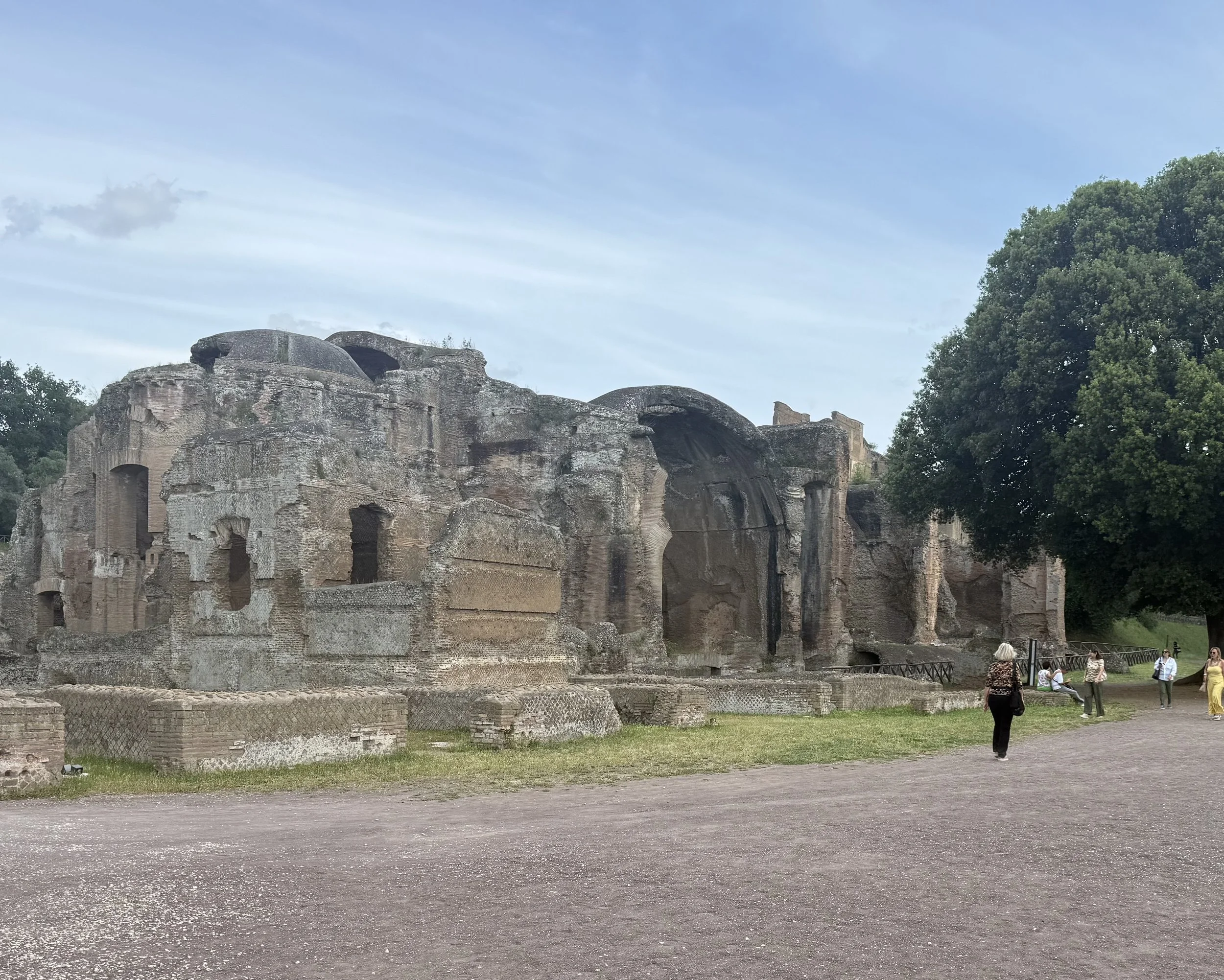
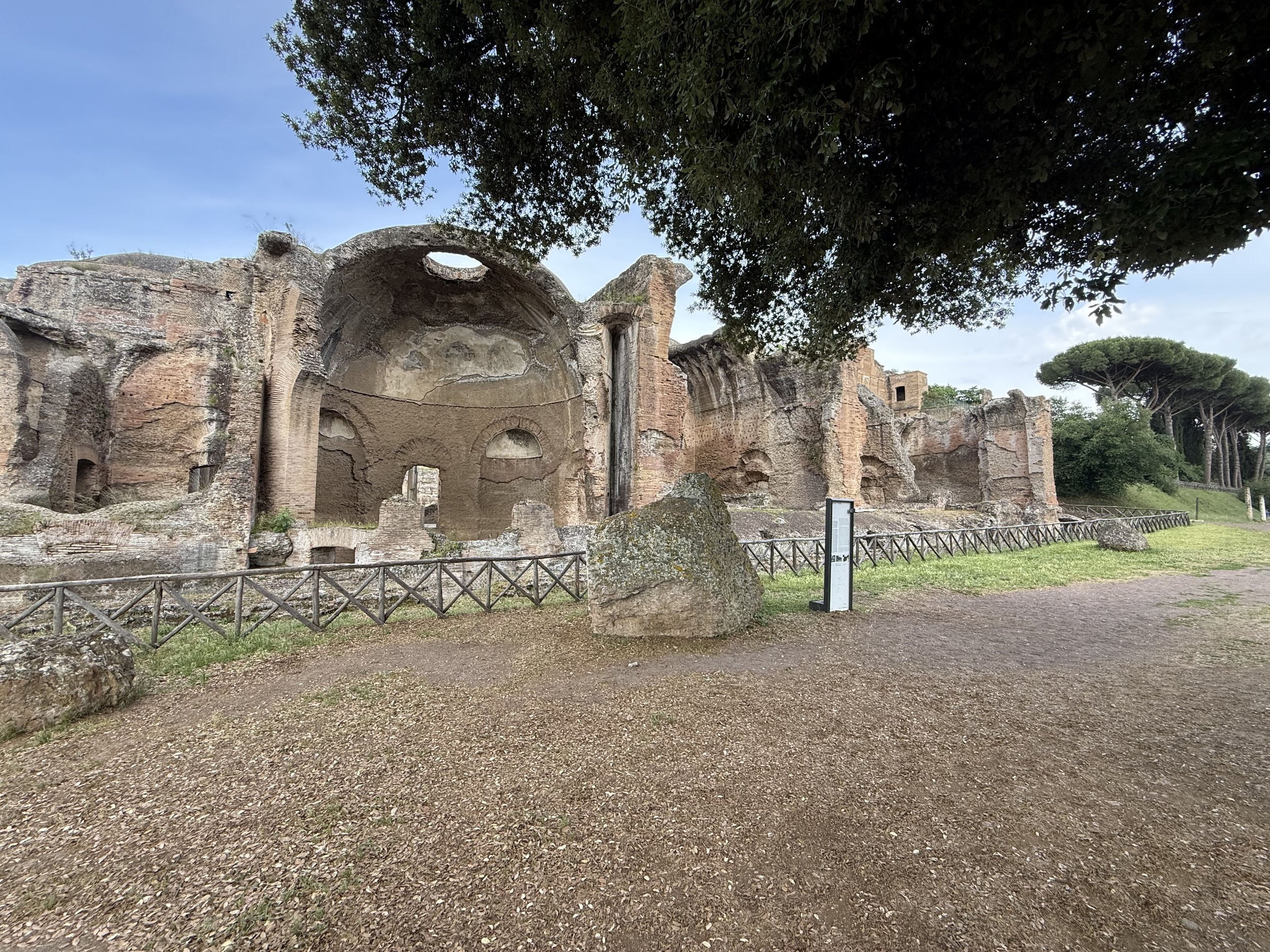
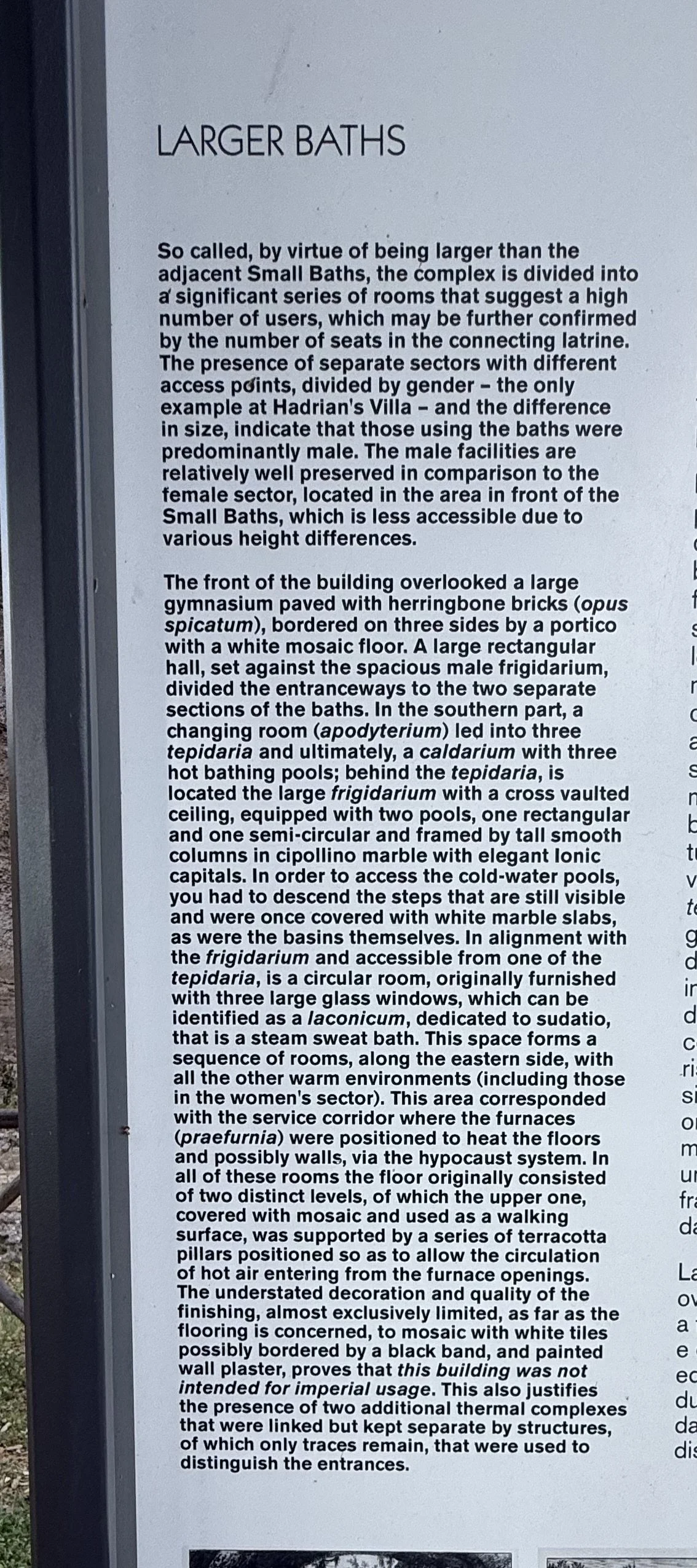
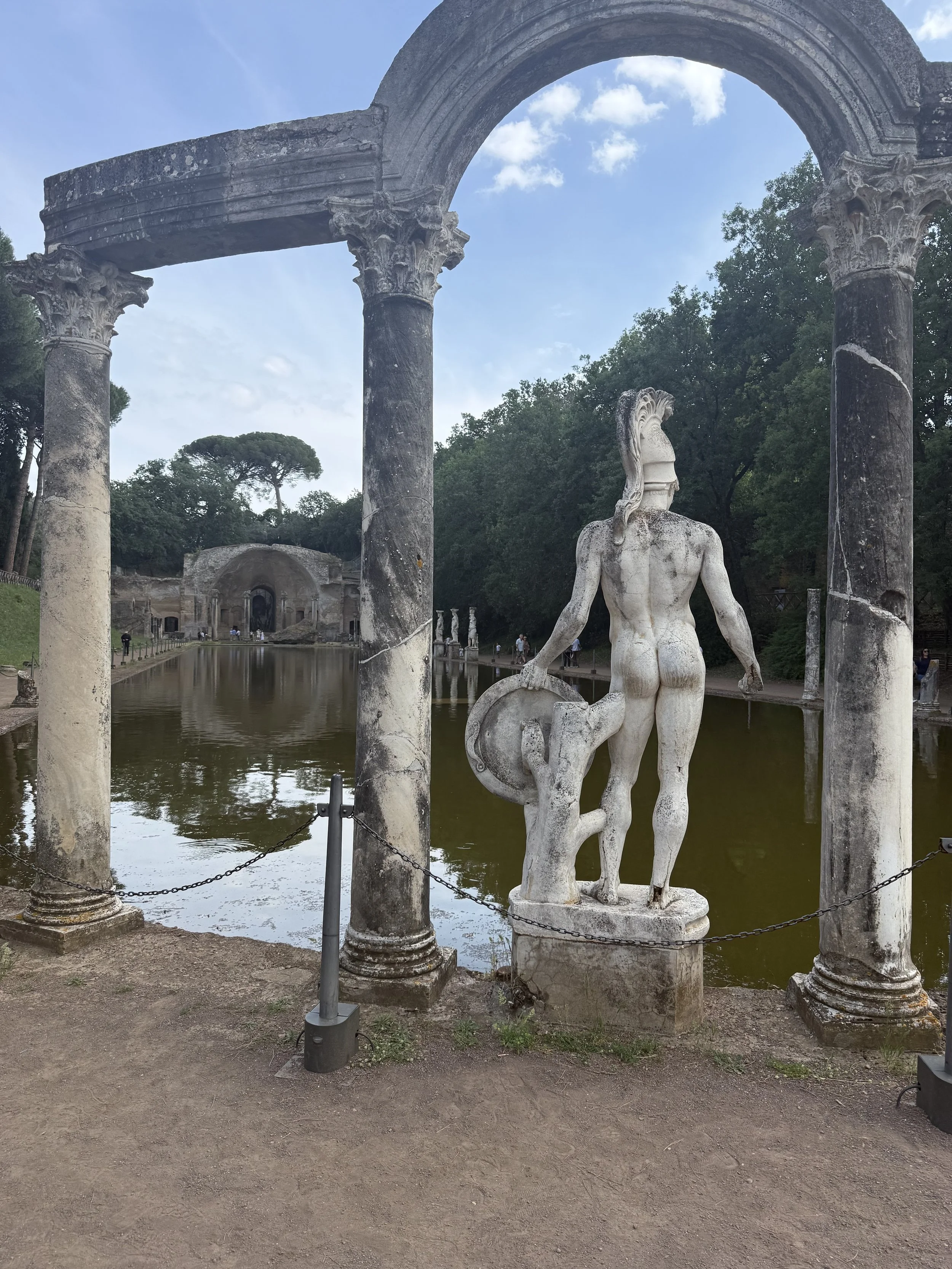
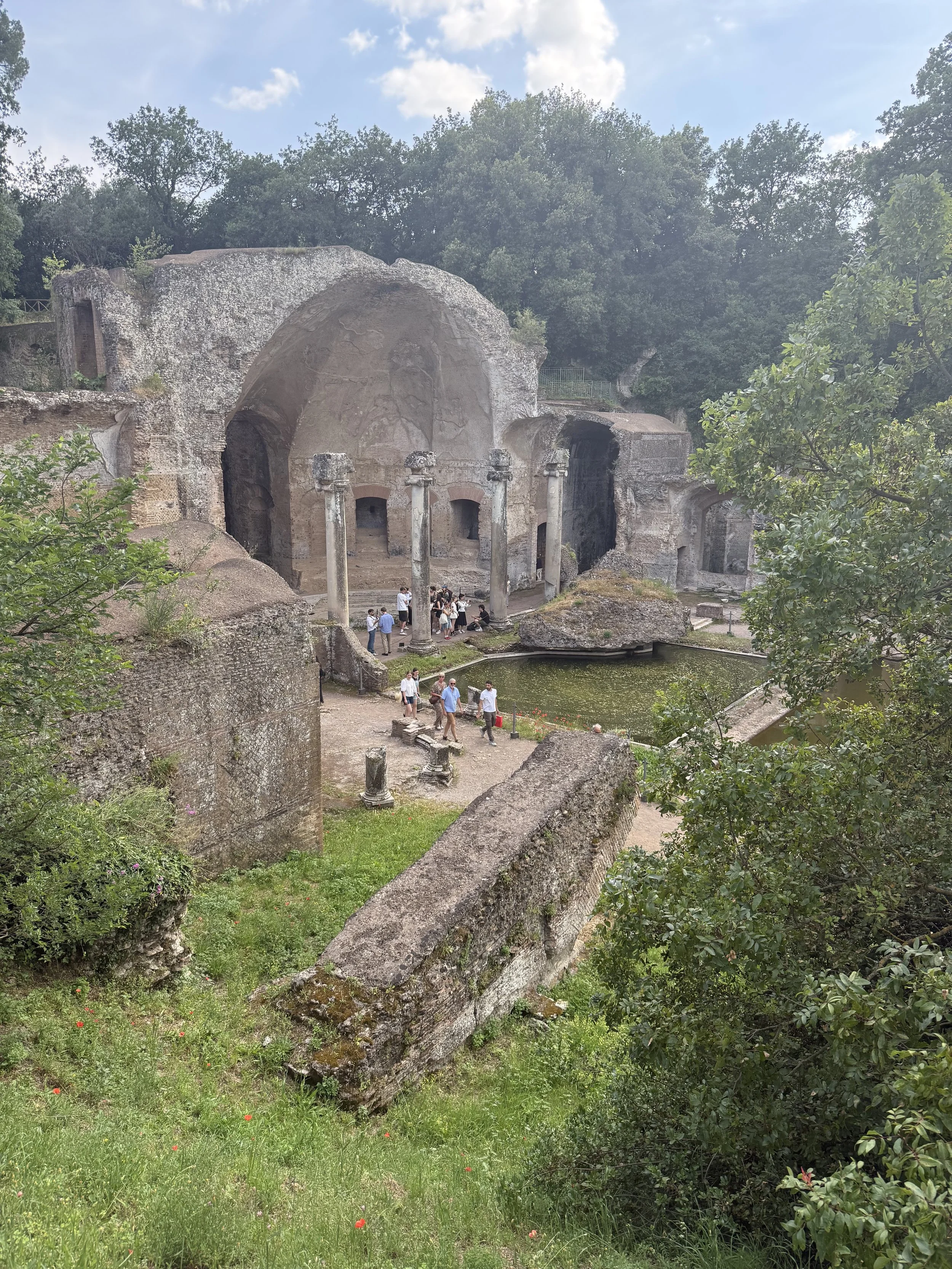
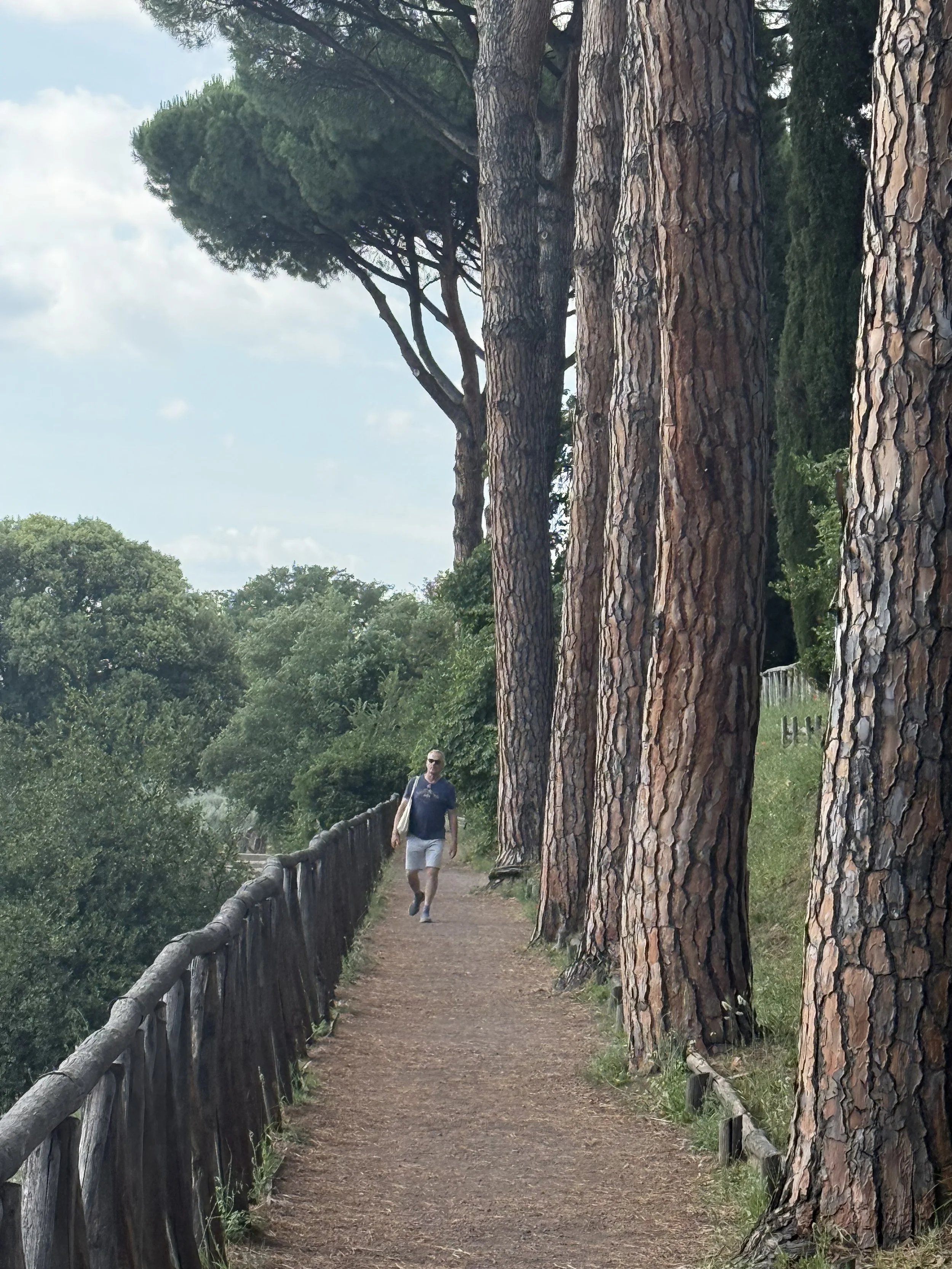
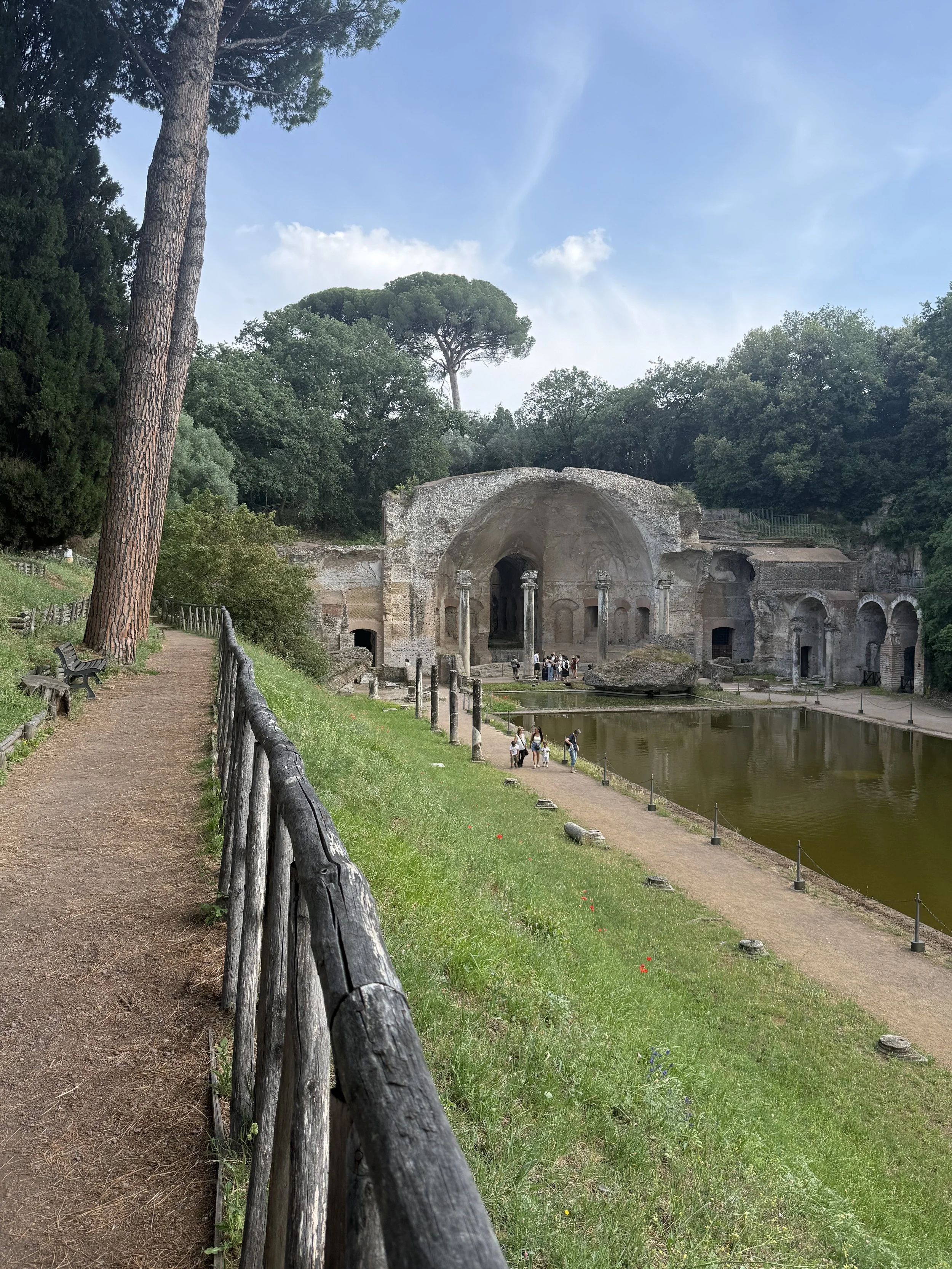
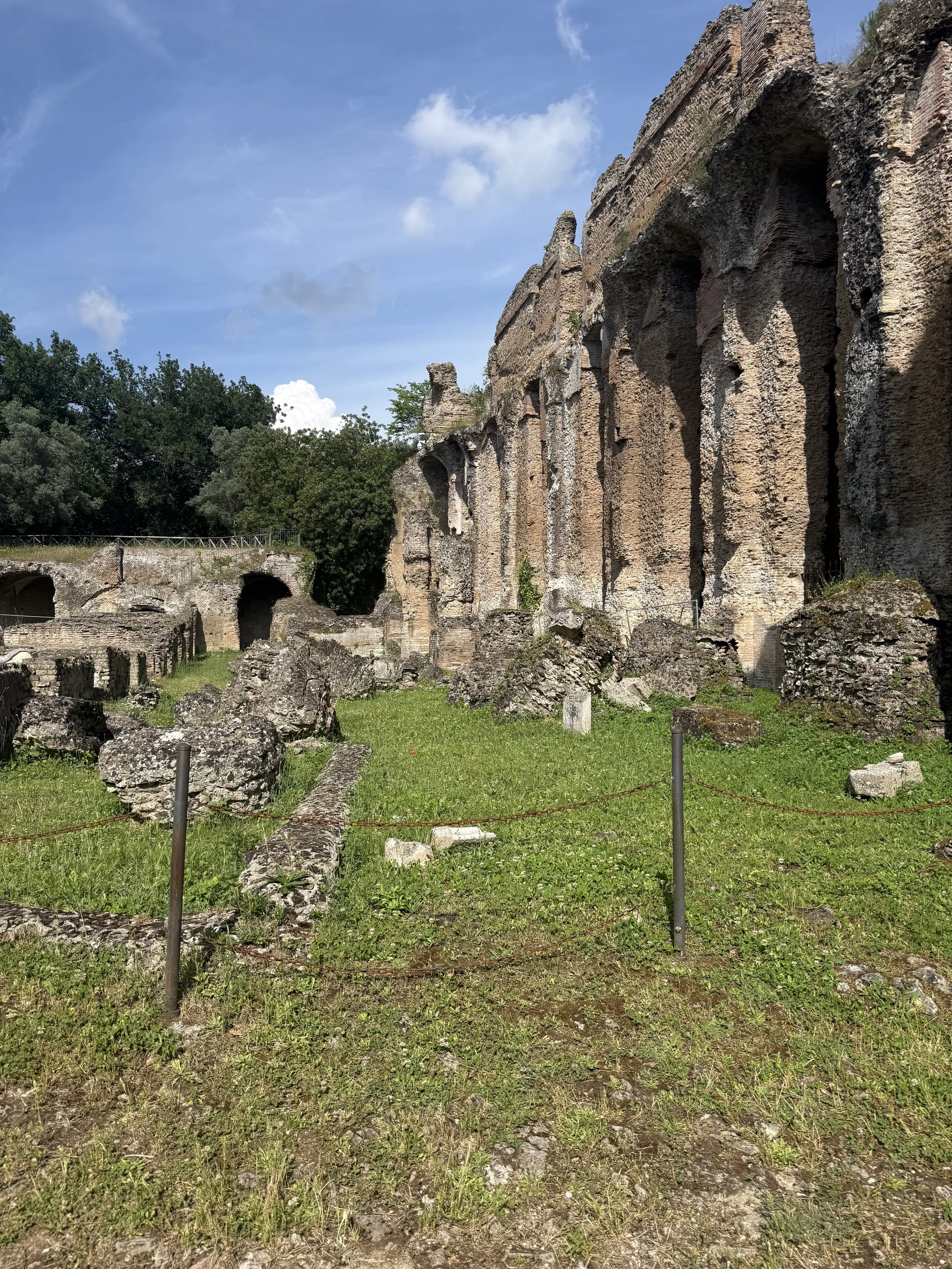
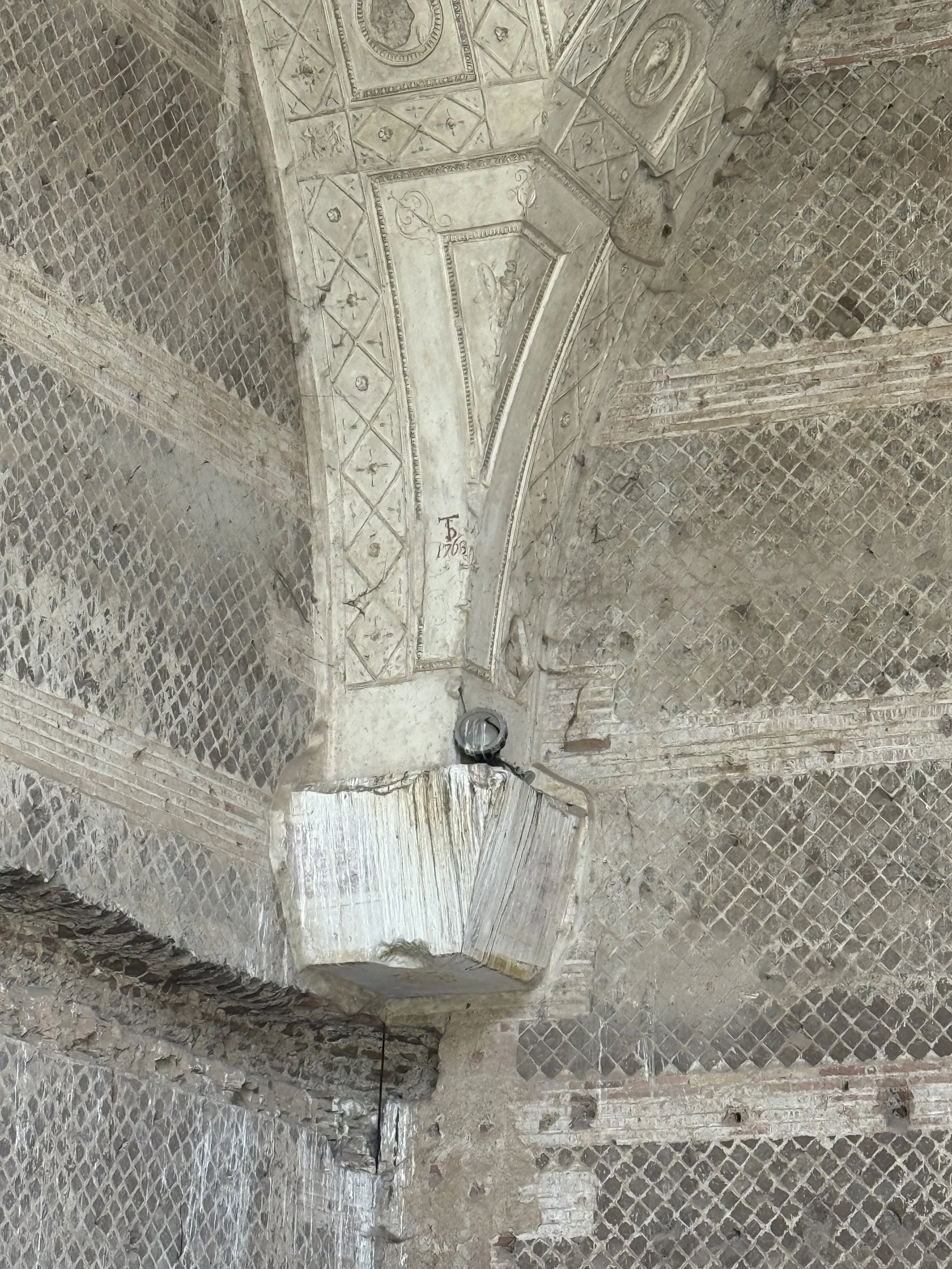
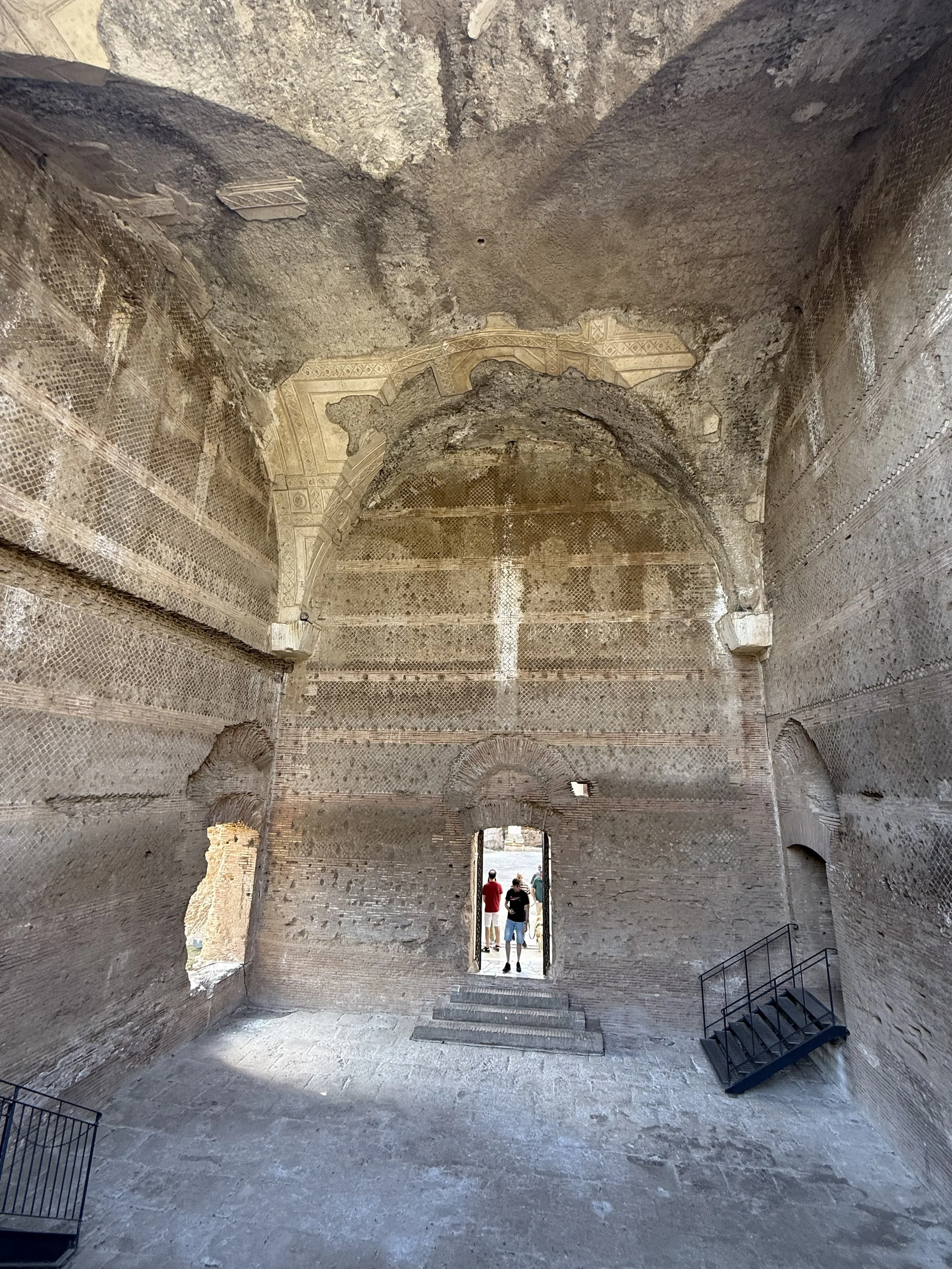
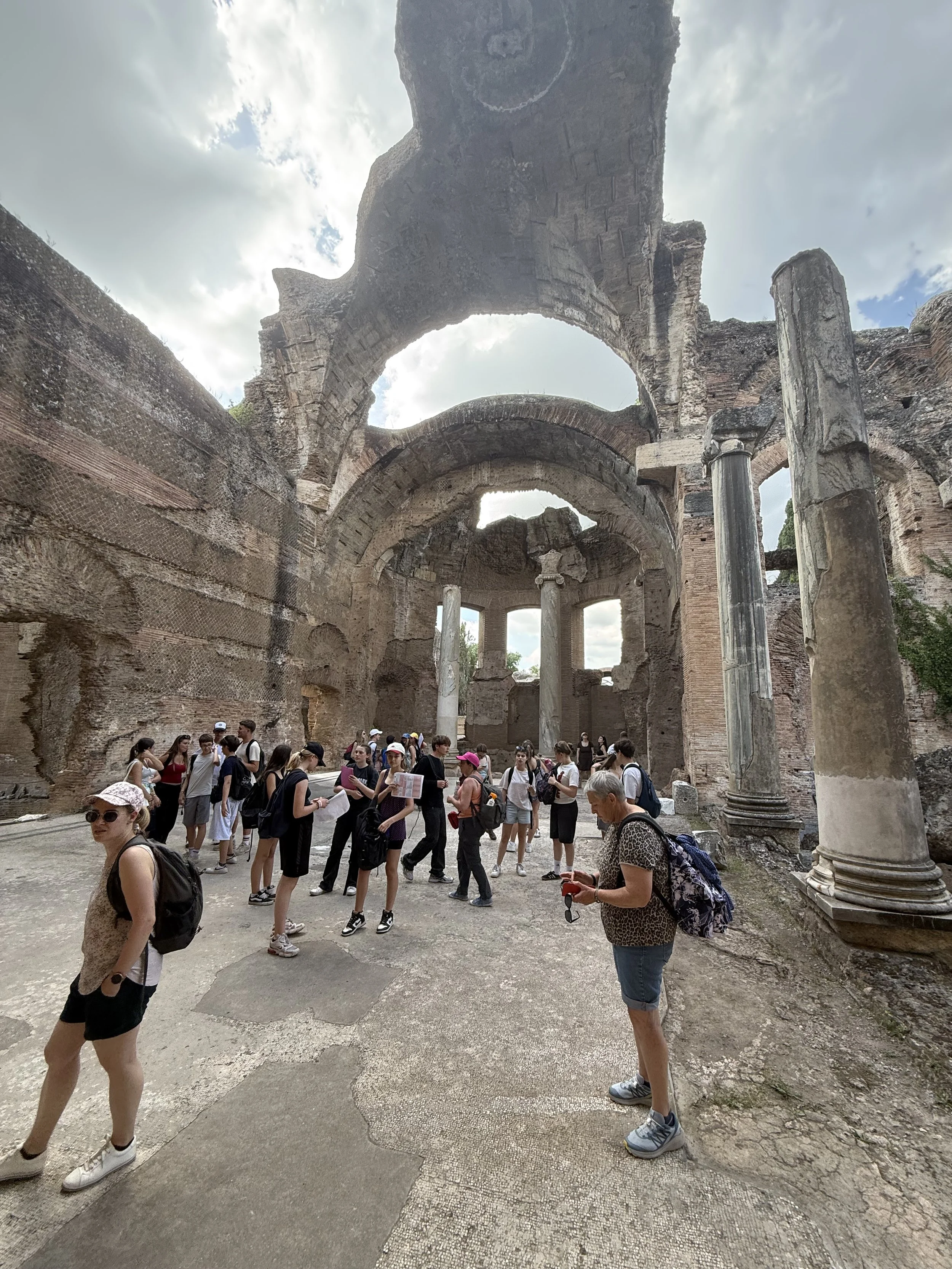
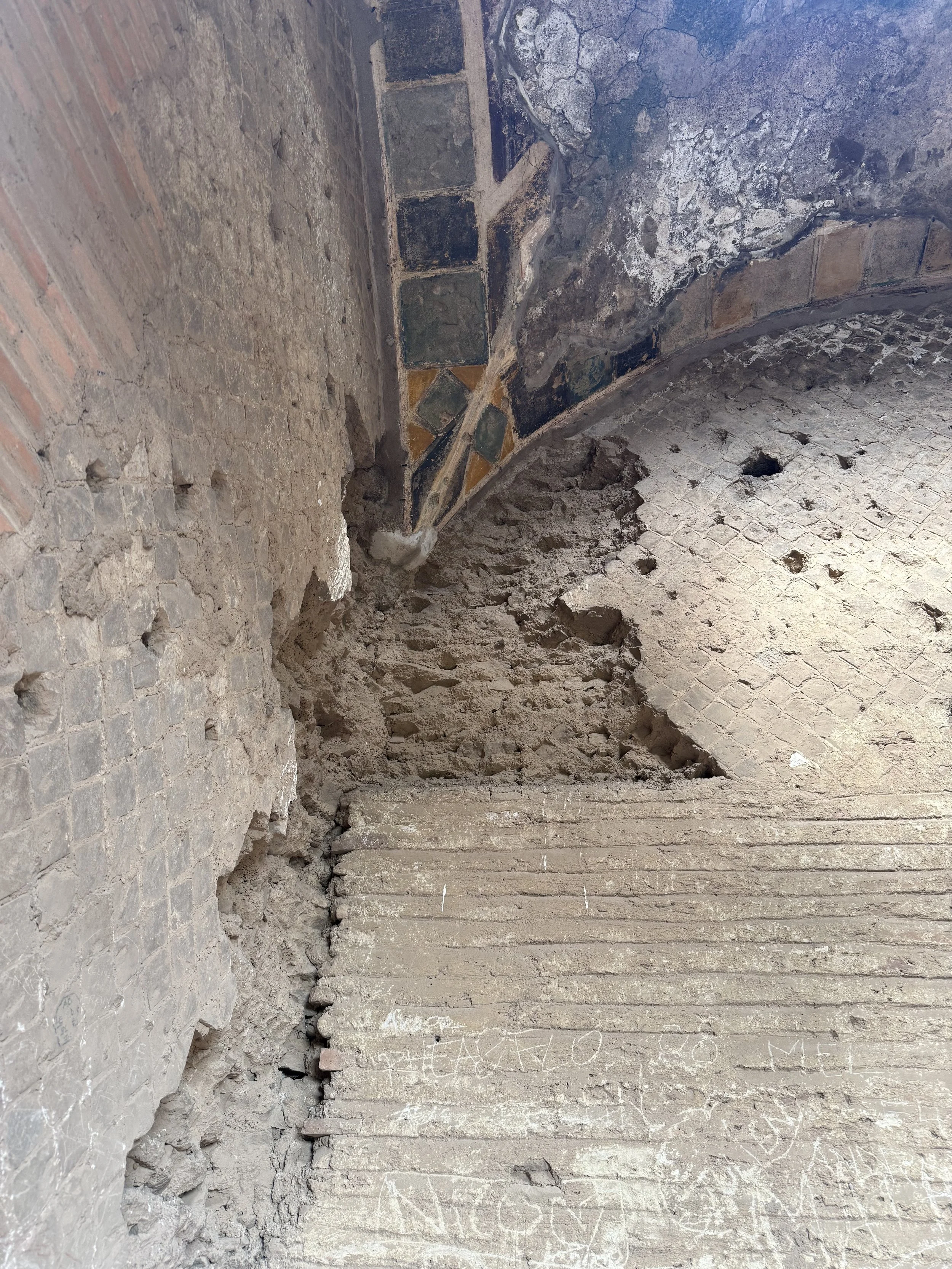
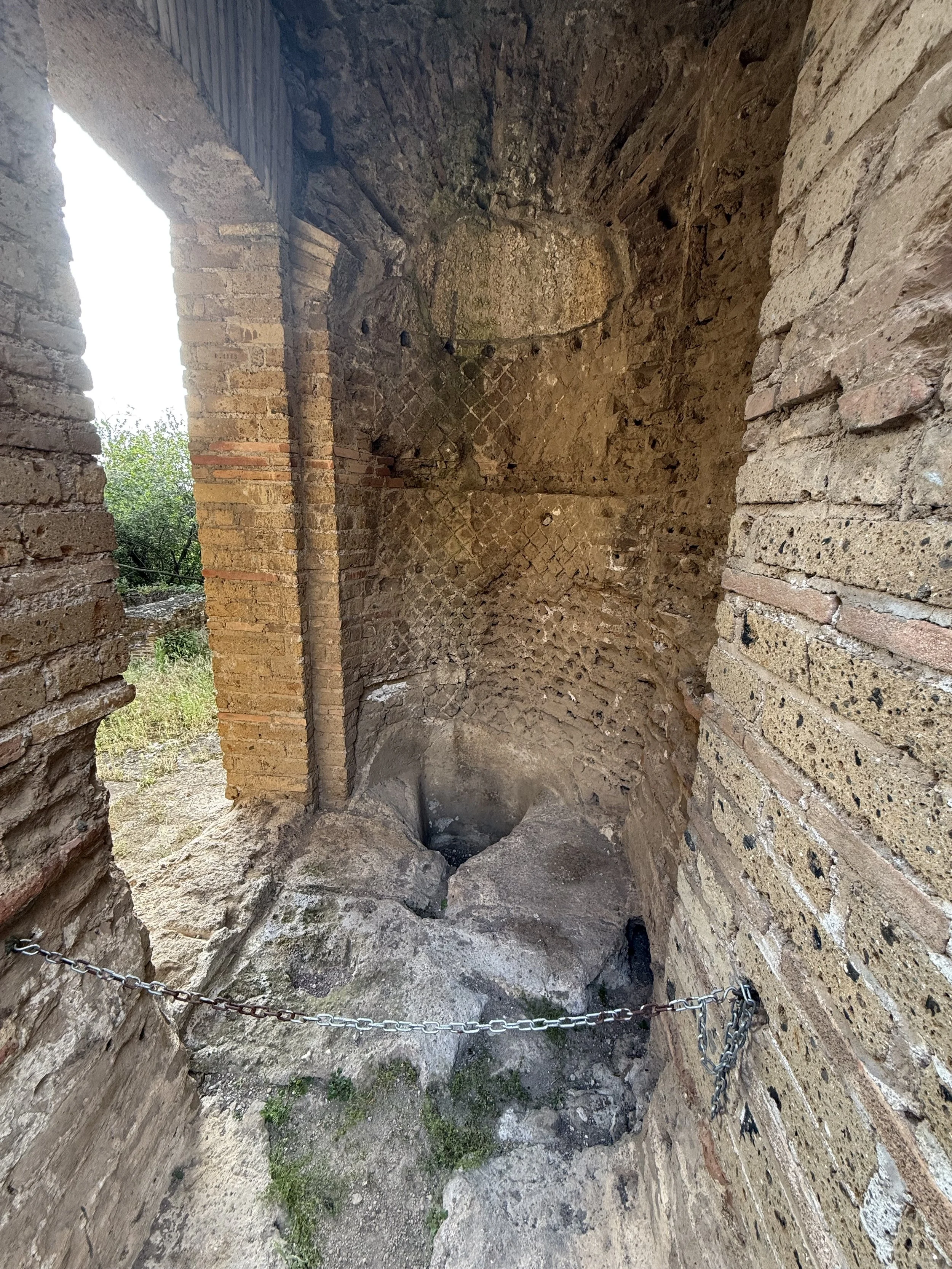
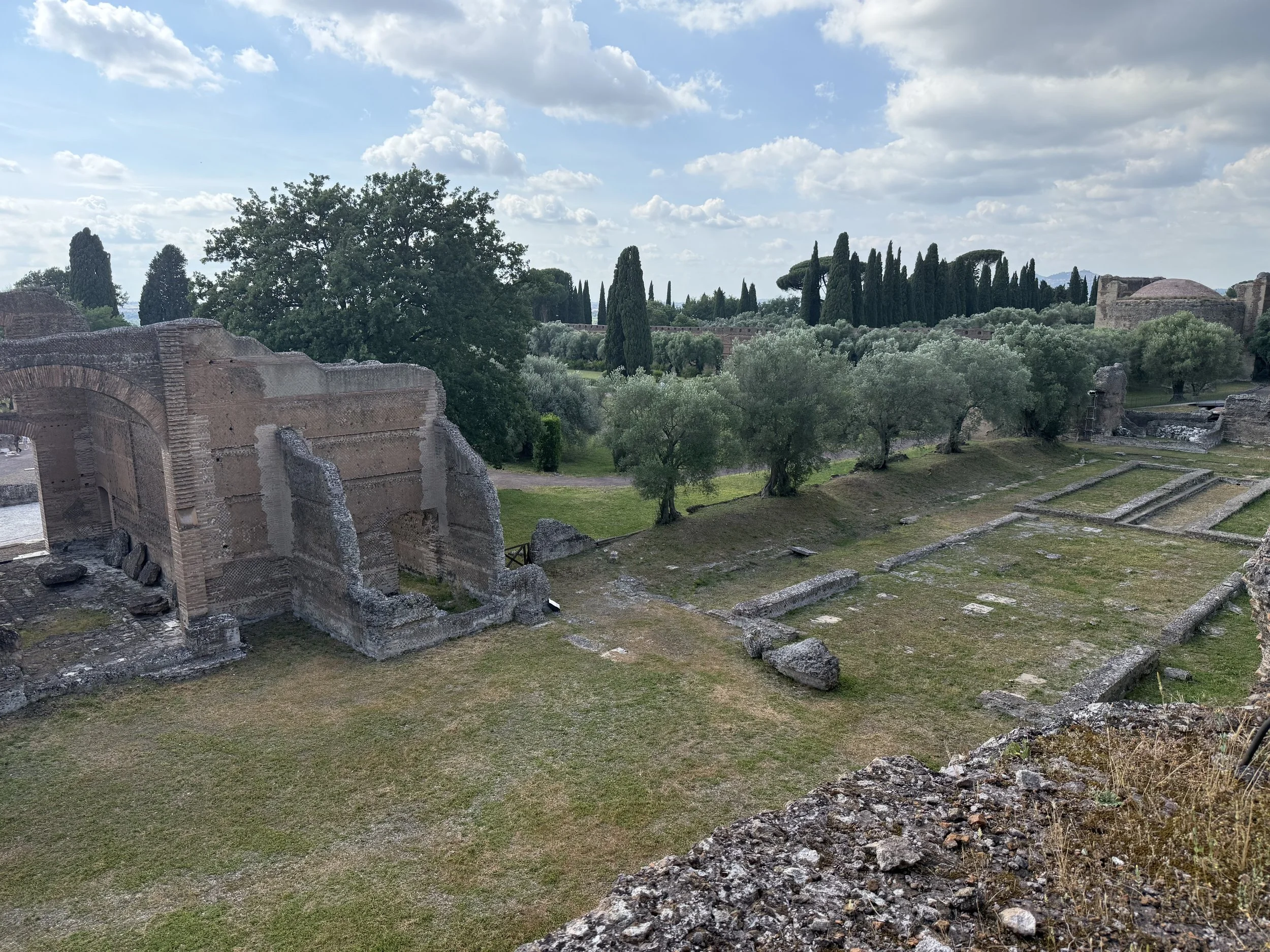
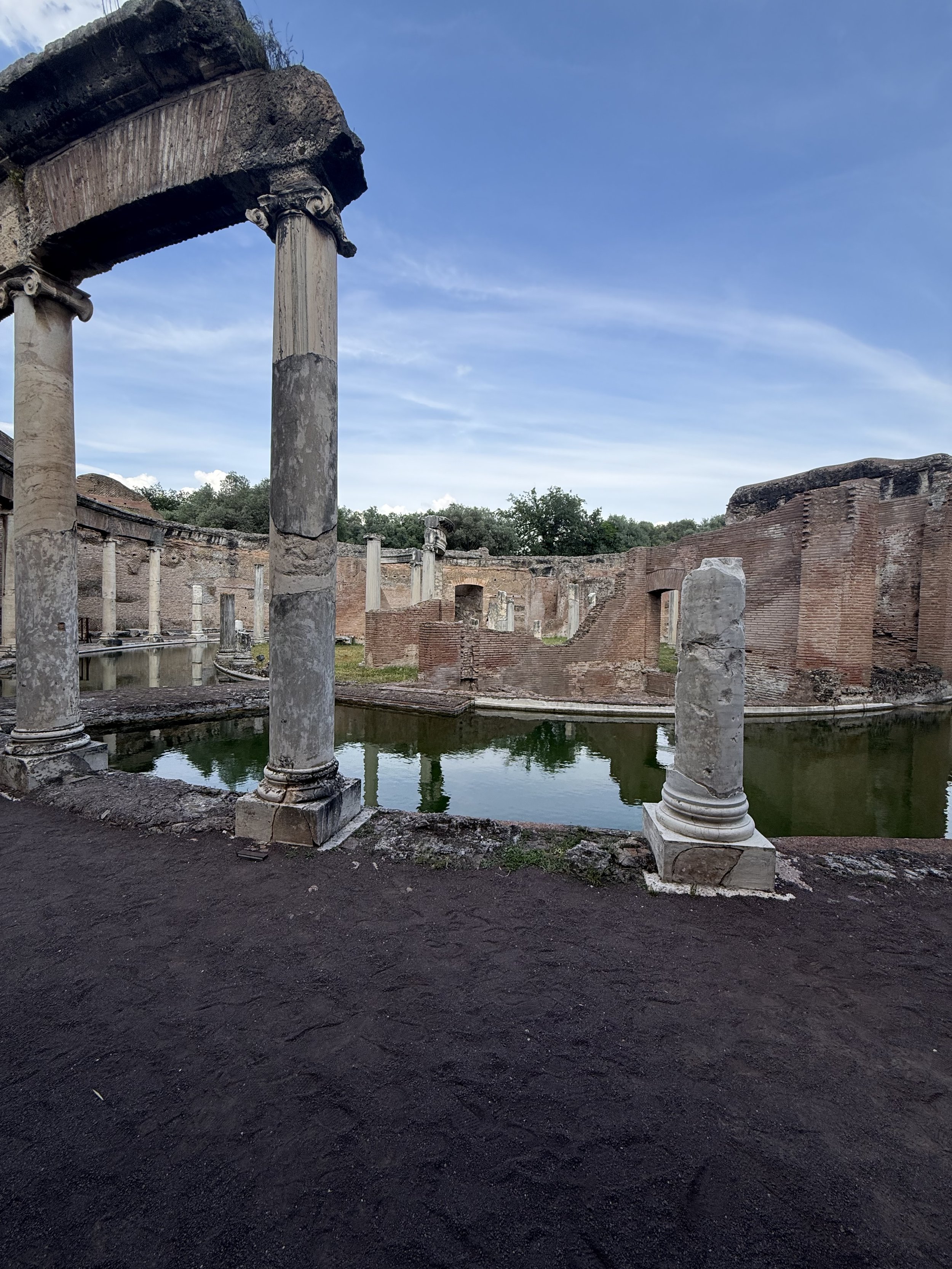
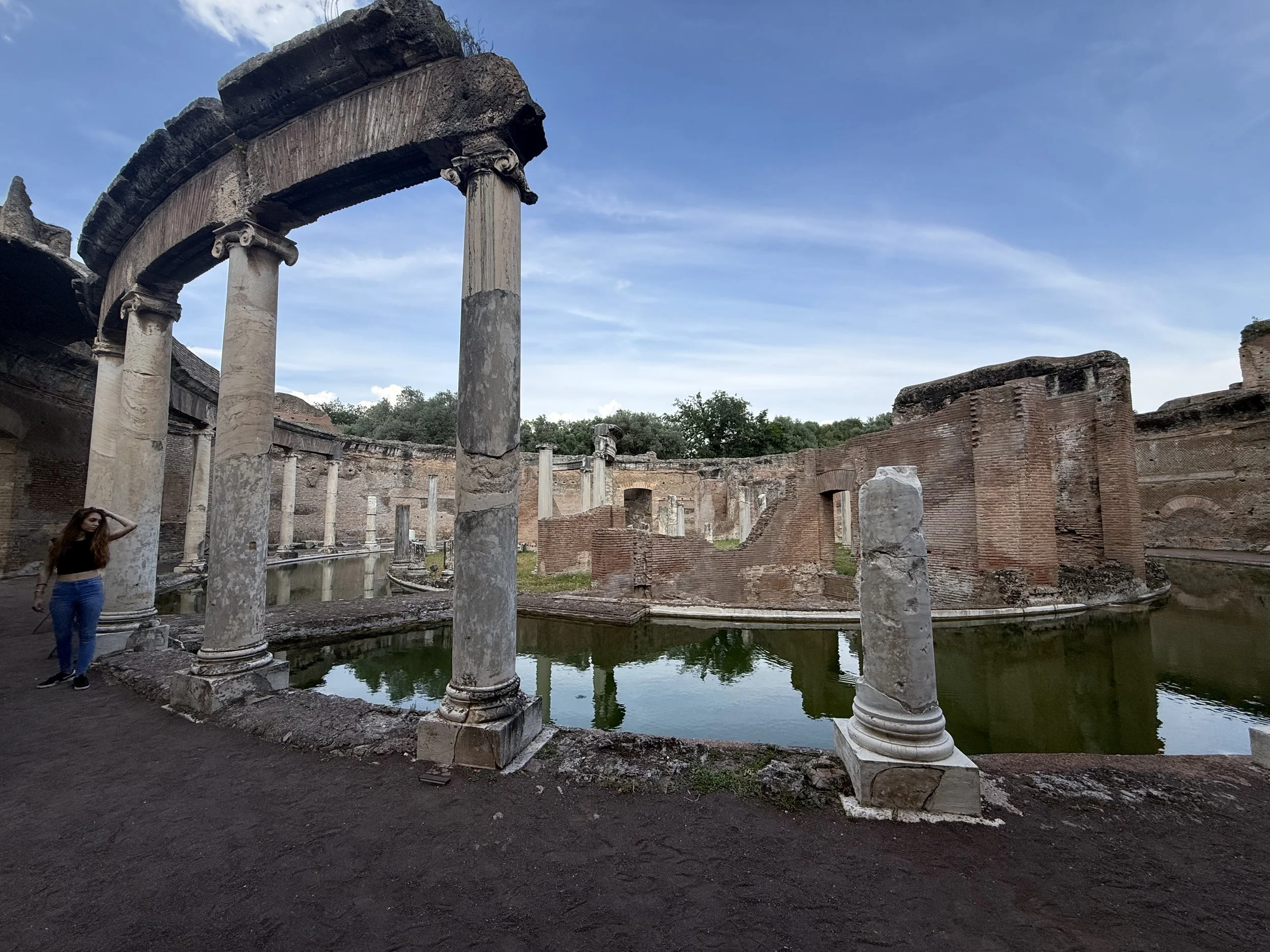
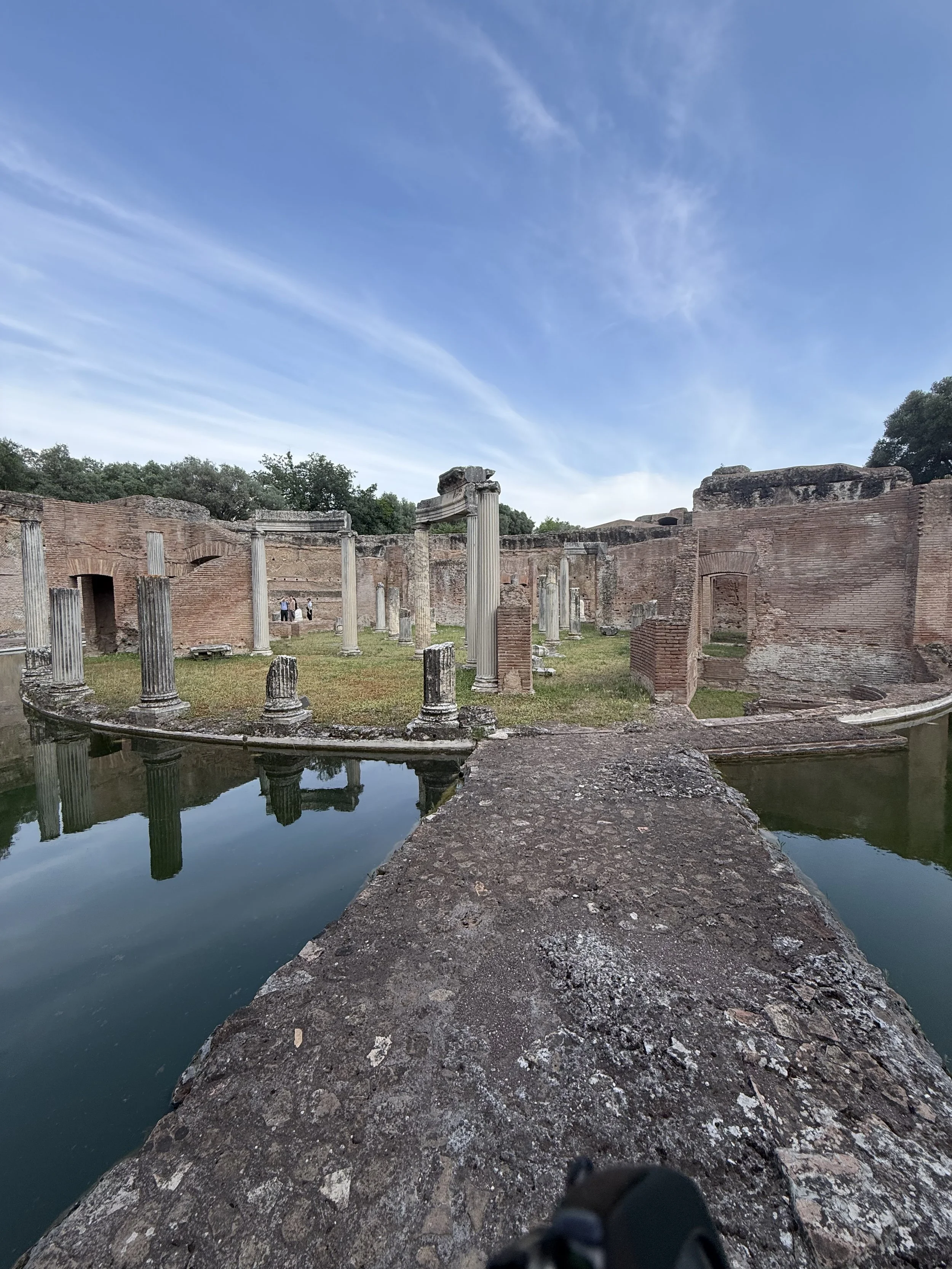
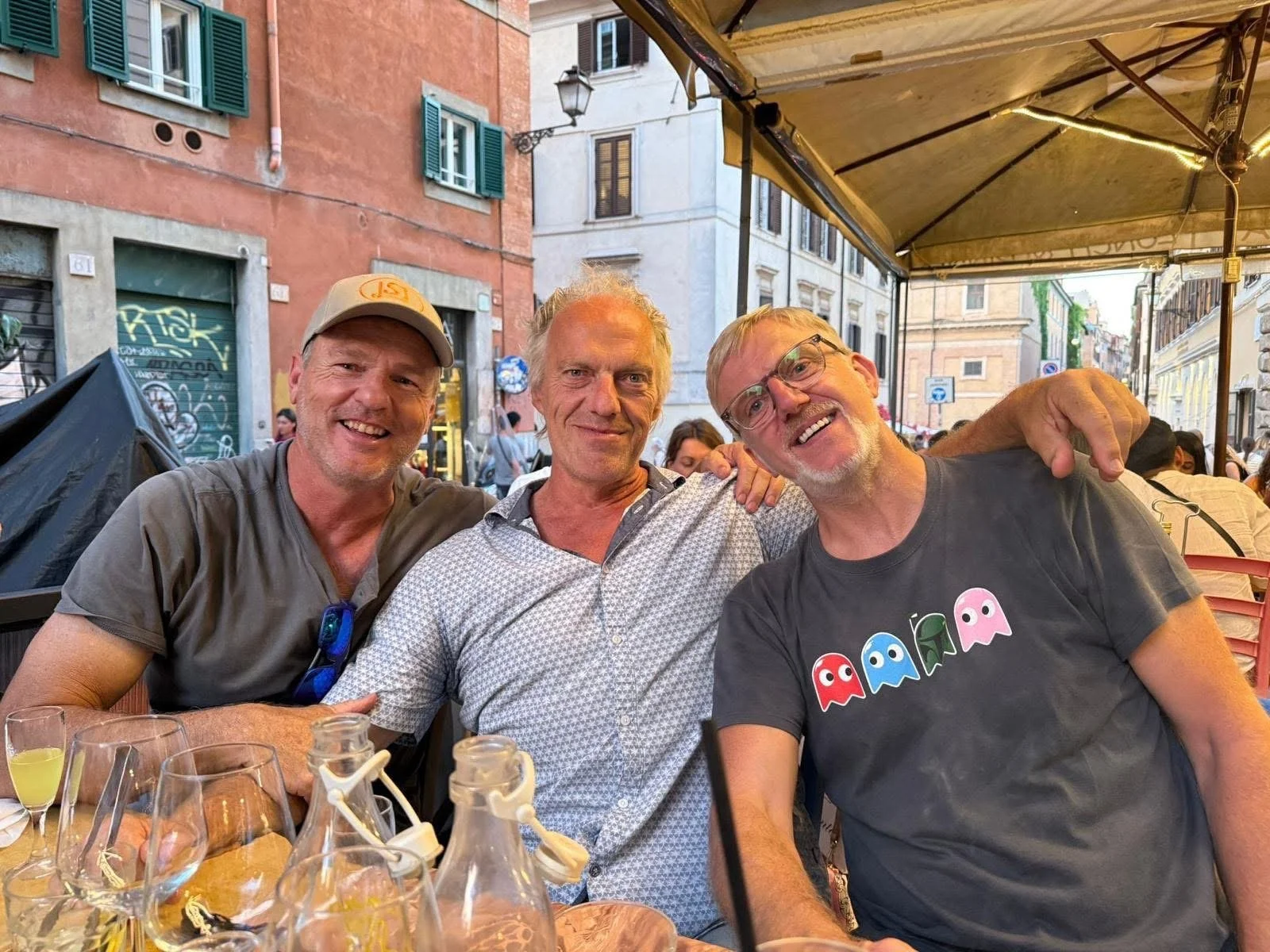
Tuesday we boarded buses for Tivoli, where we visited two of Italy's greatest treasures: Villa d'Este and Hadrian's Villa. Villa d'Este completely captivated us with its spectacular gardens, cascading fountains, and richly decorated interiors. We became so absorbed exploring every terrace and fountain that we completely missed our bus to lunch! Fortunately, after a bit of pleading, we convinced a taxi driver to transport all eight of us to the restaurant where everyone else was waiting. Crisis averted and another story to laugh about.
Just one more day
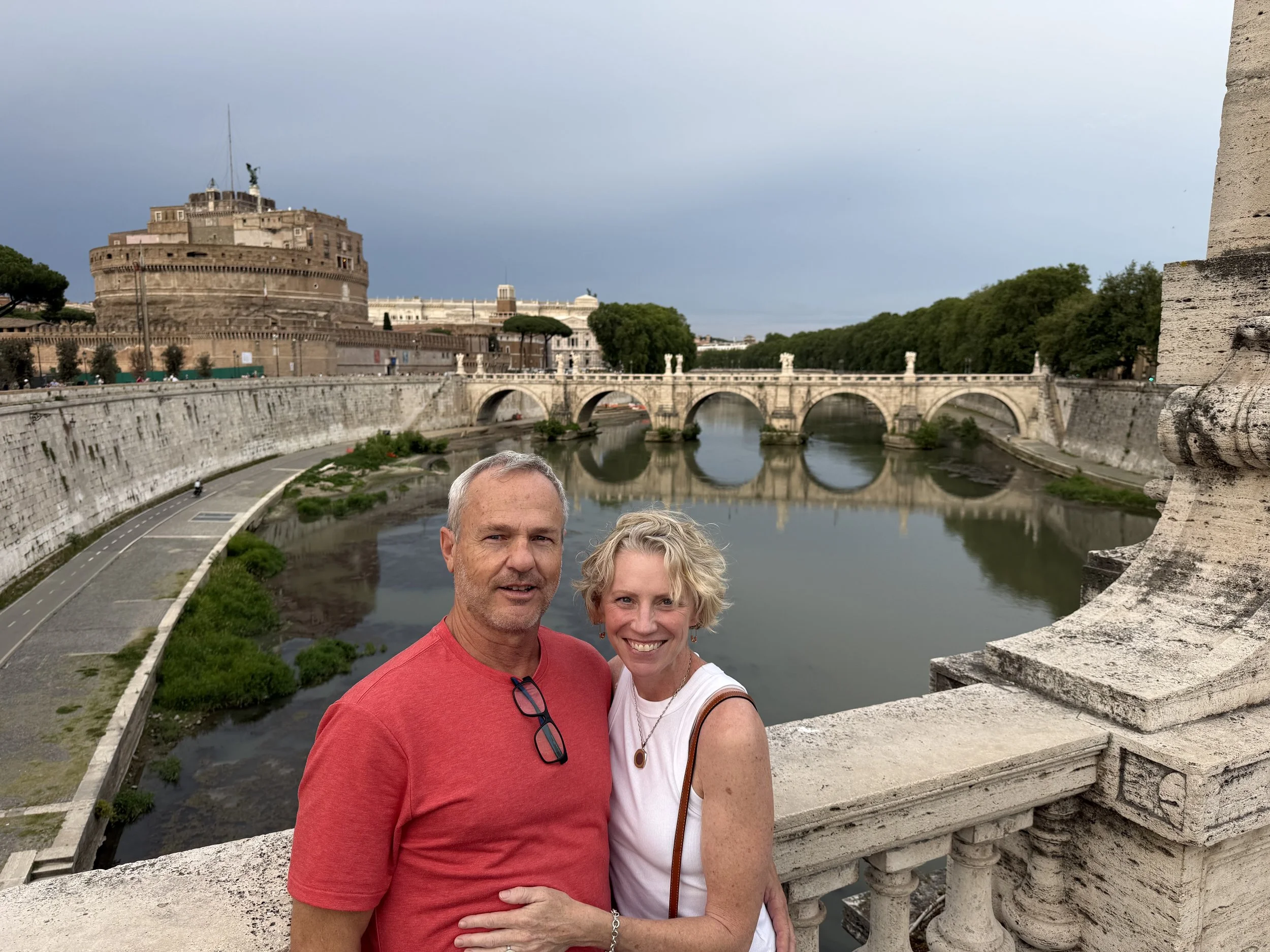
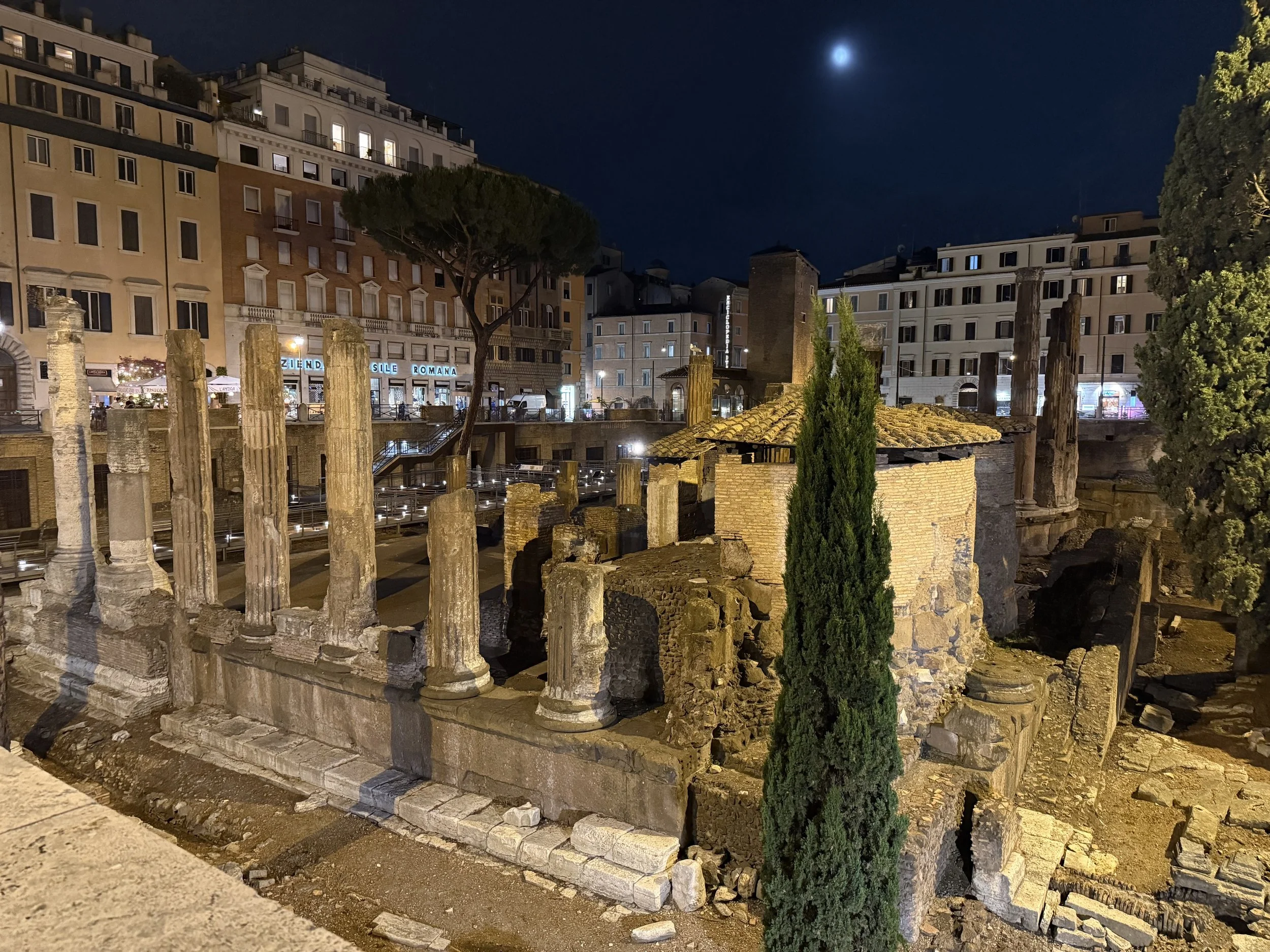
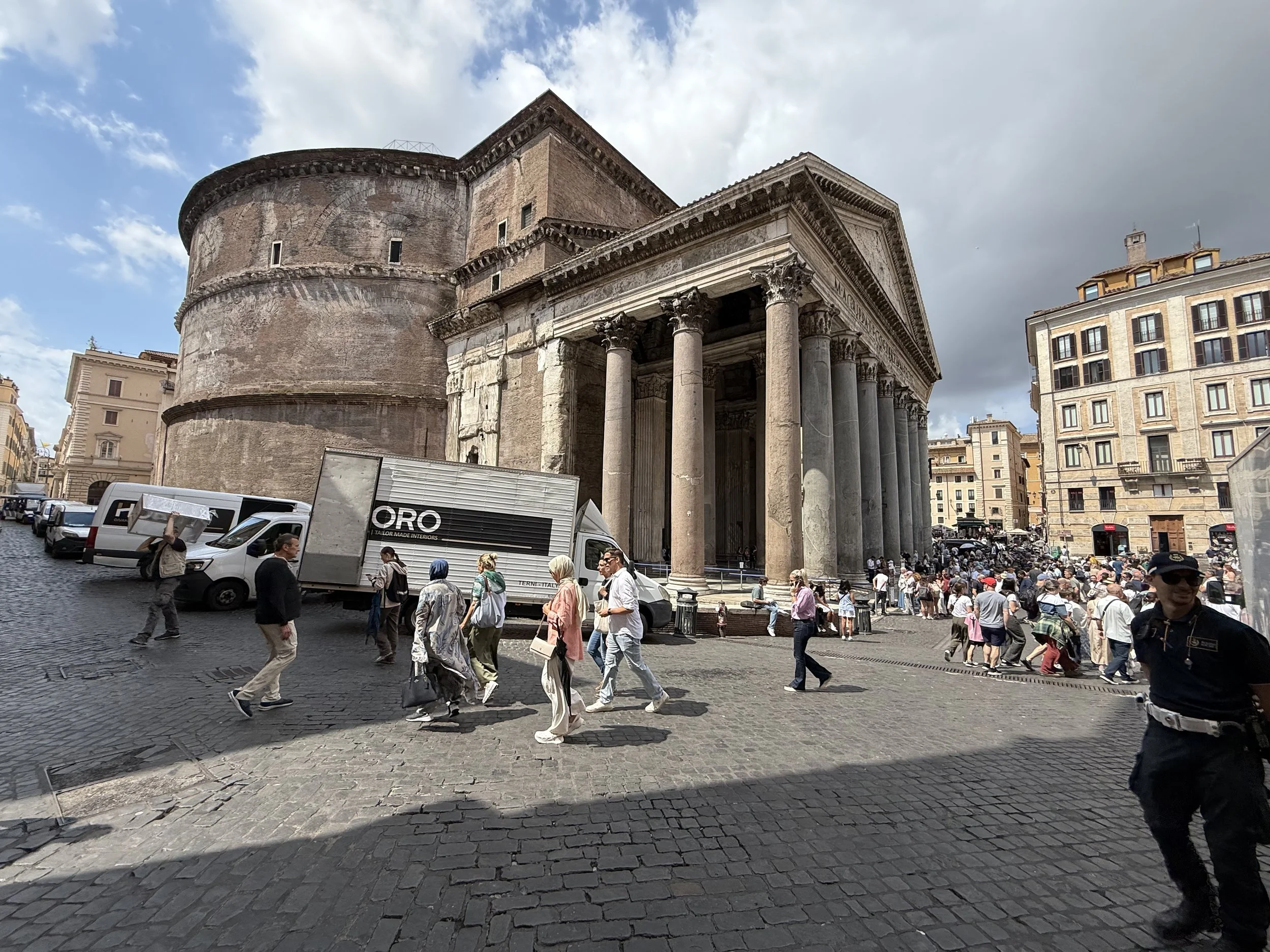
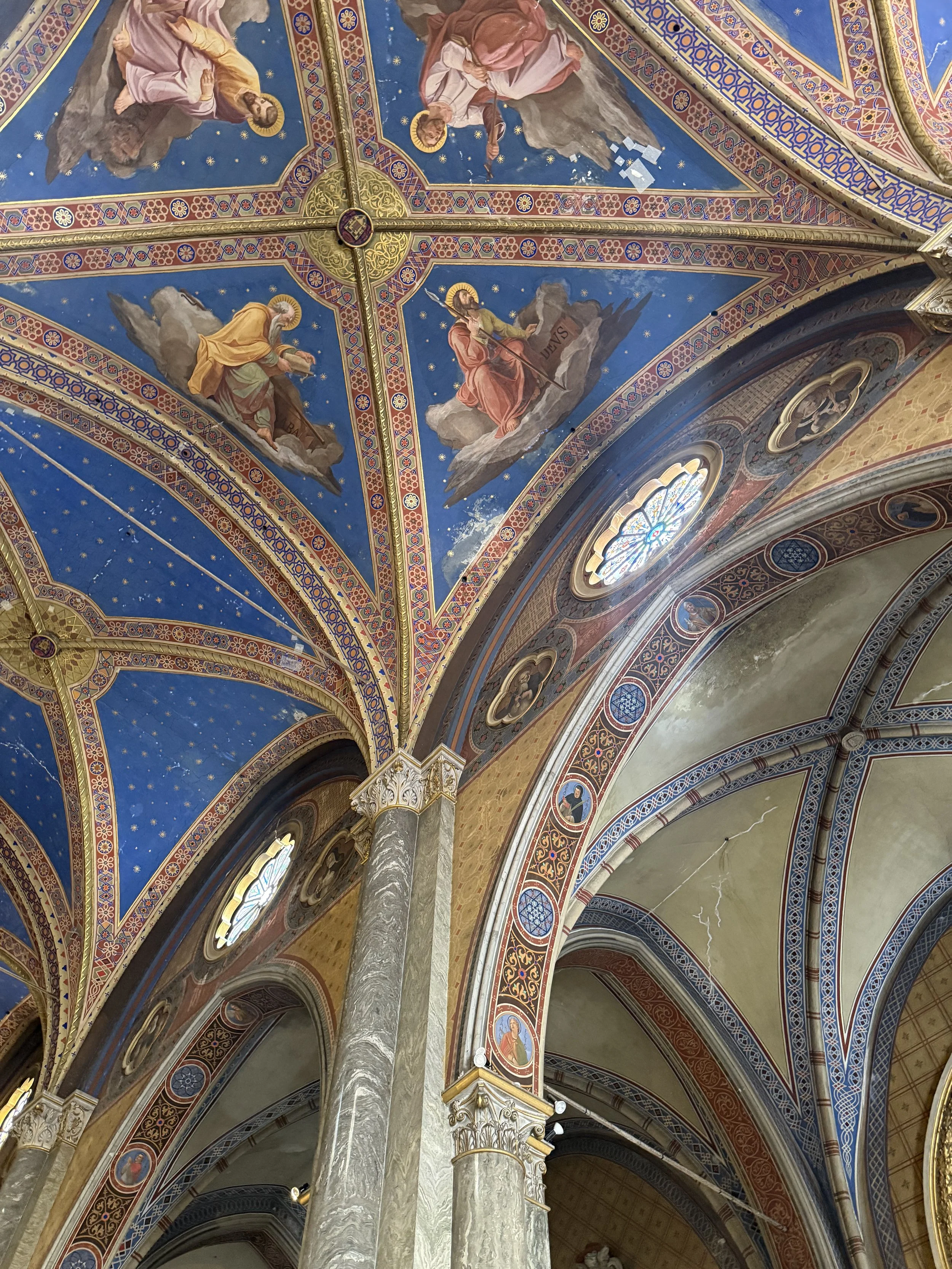
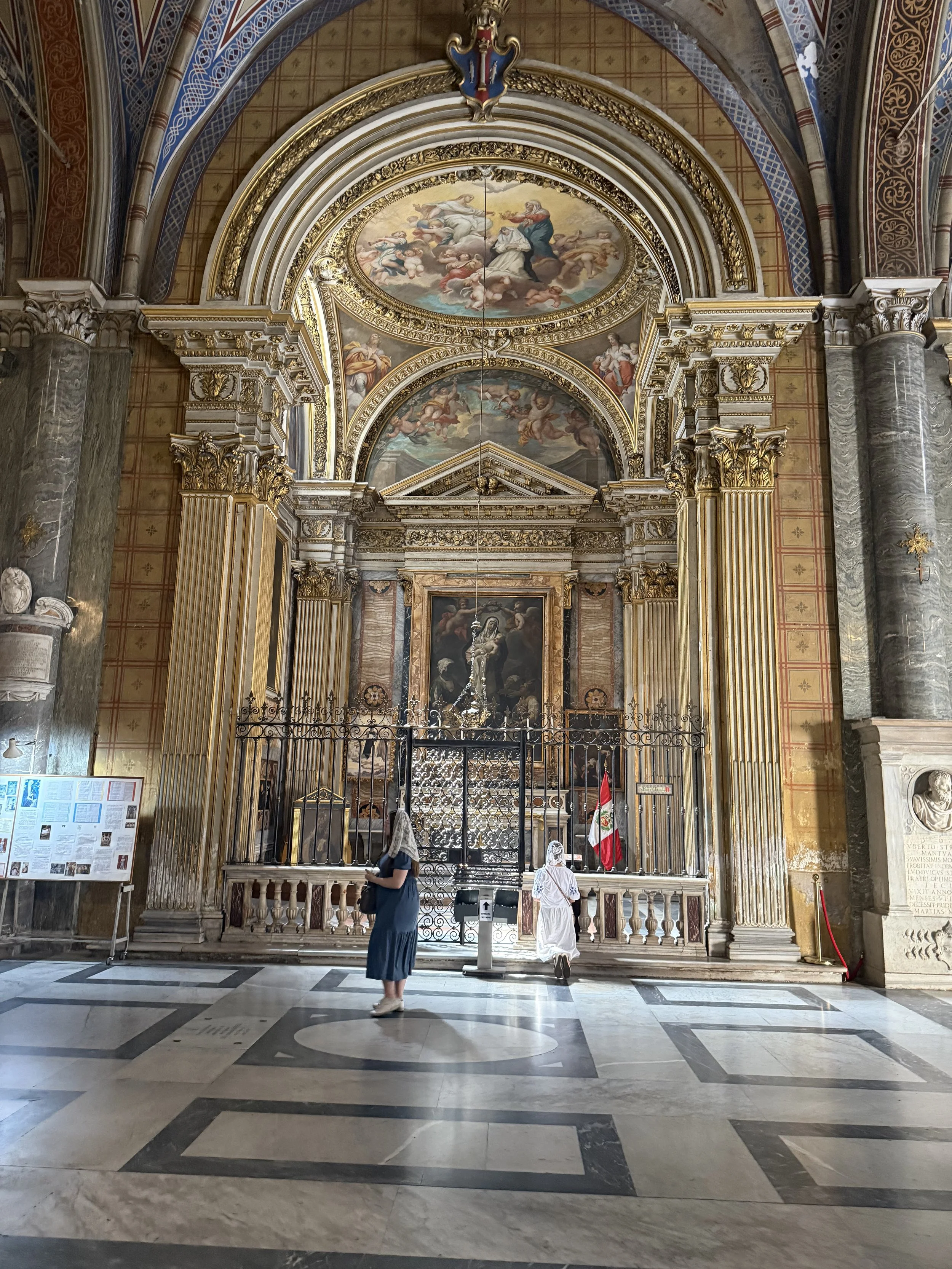
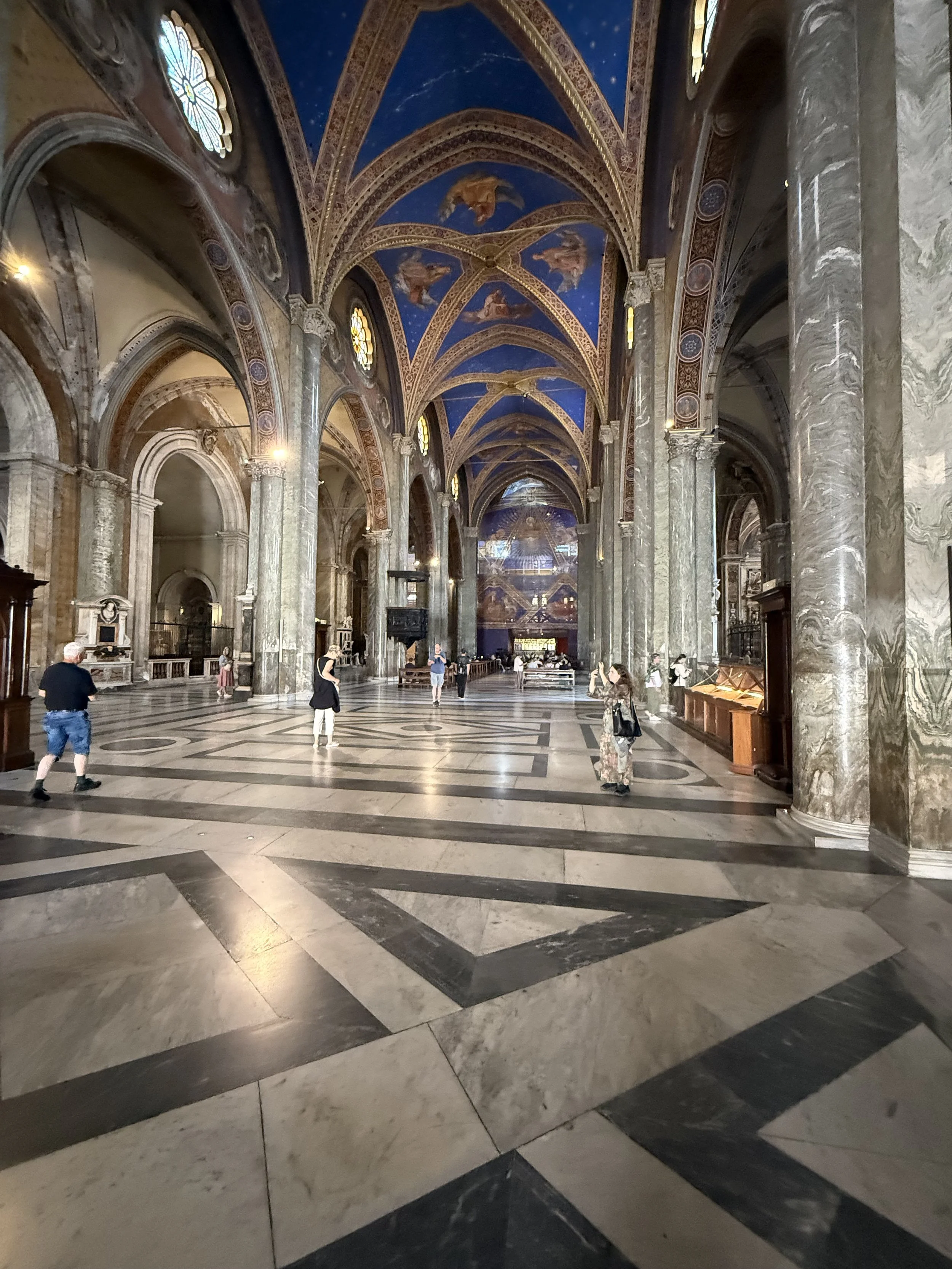
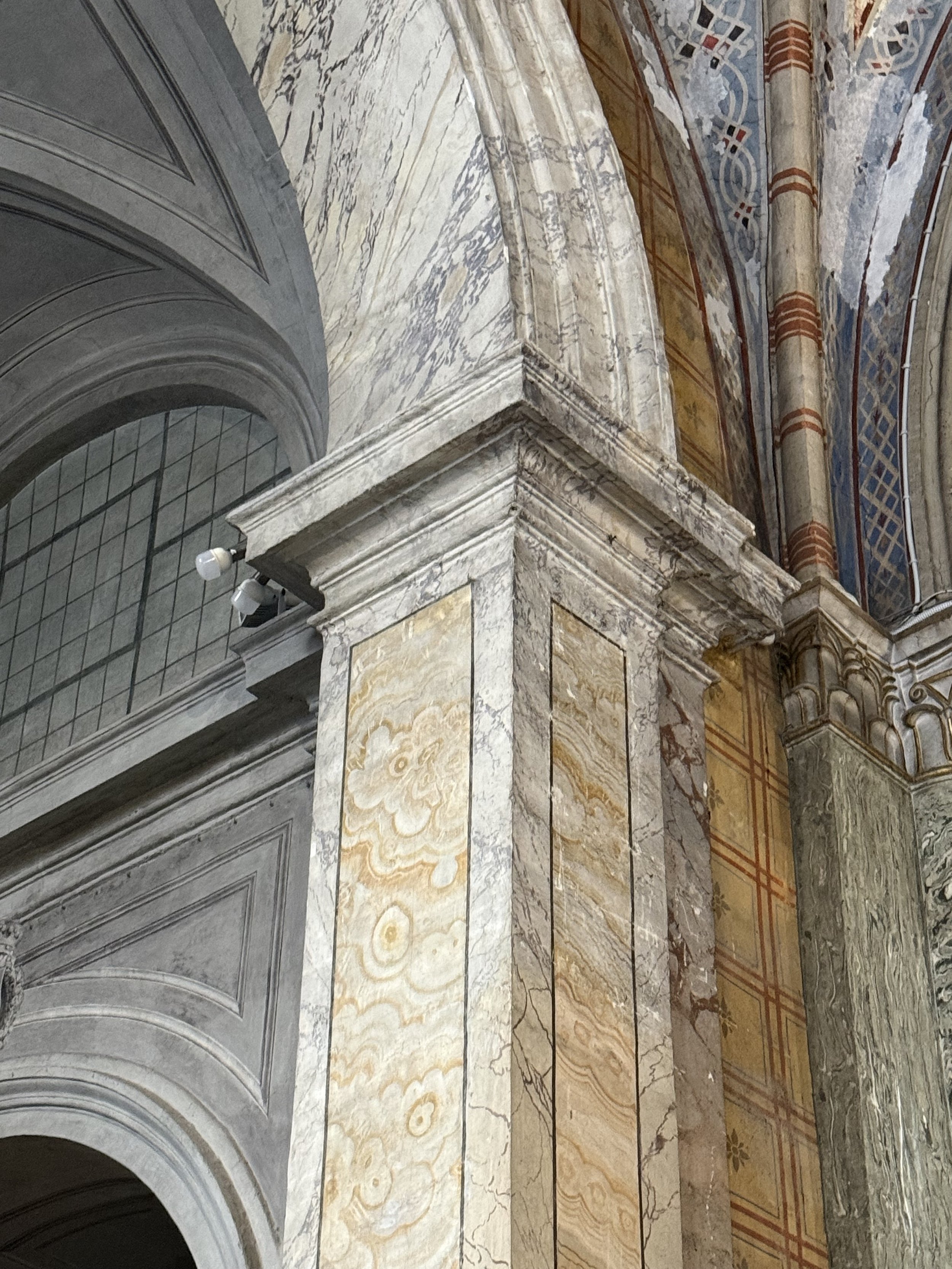
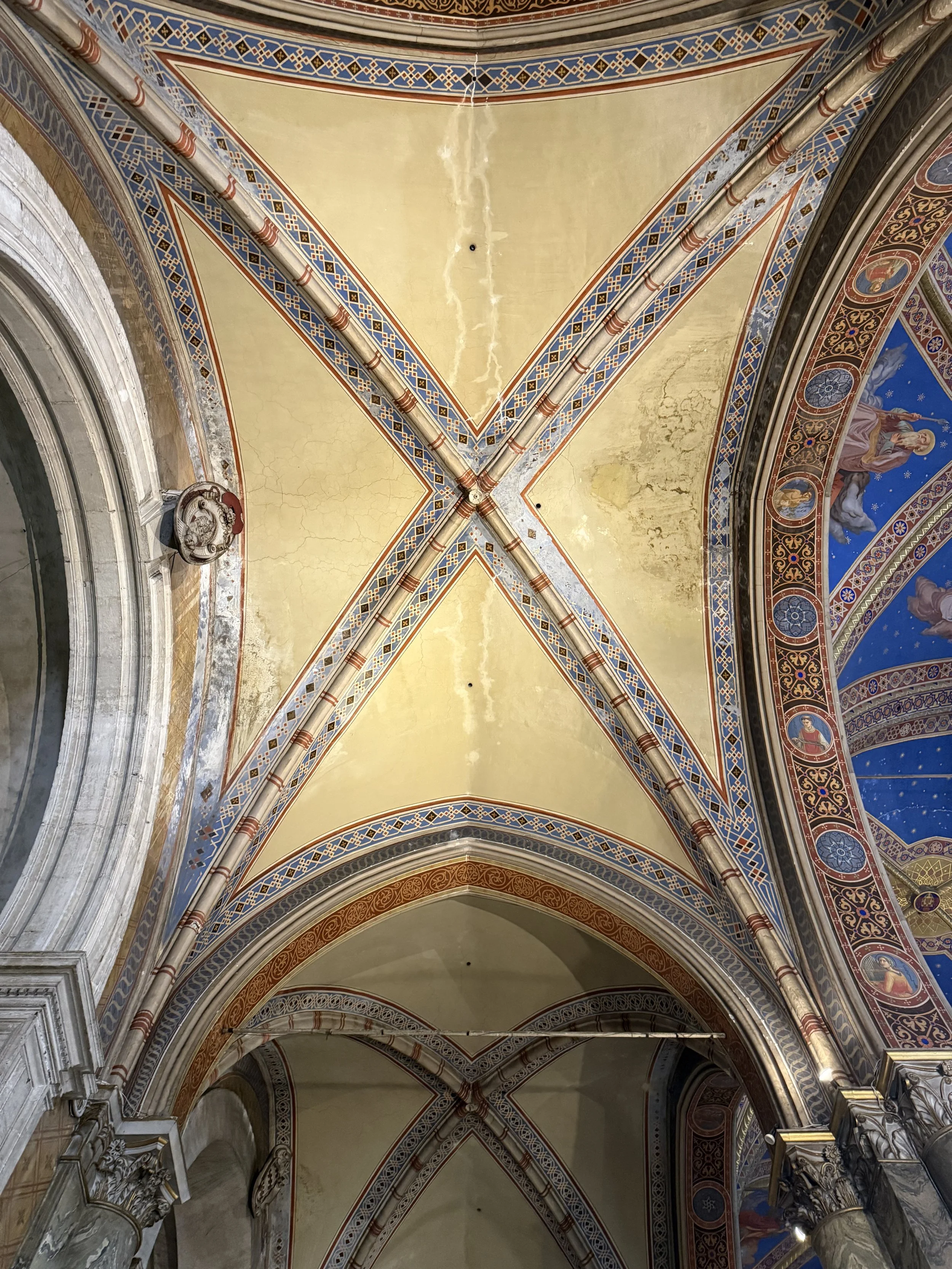
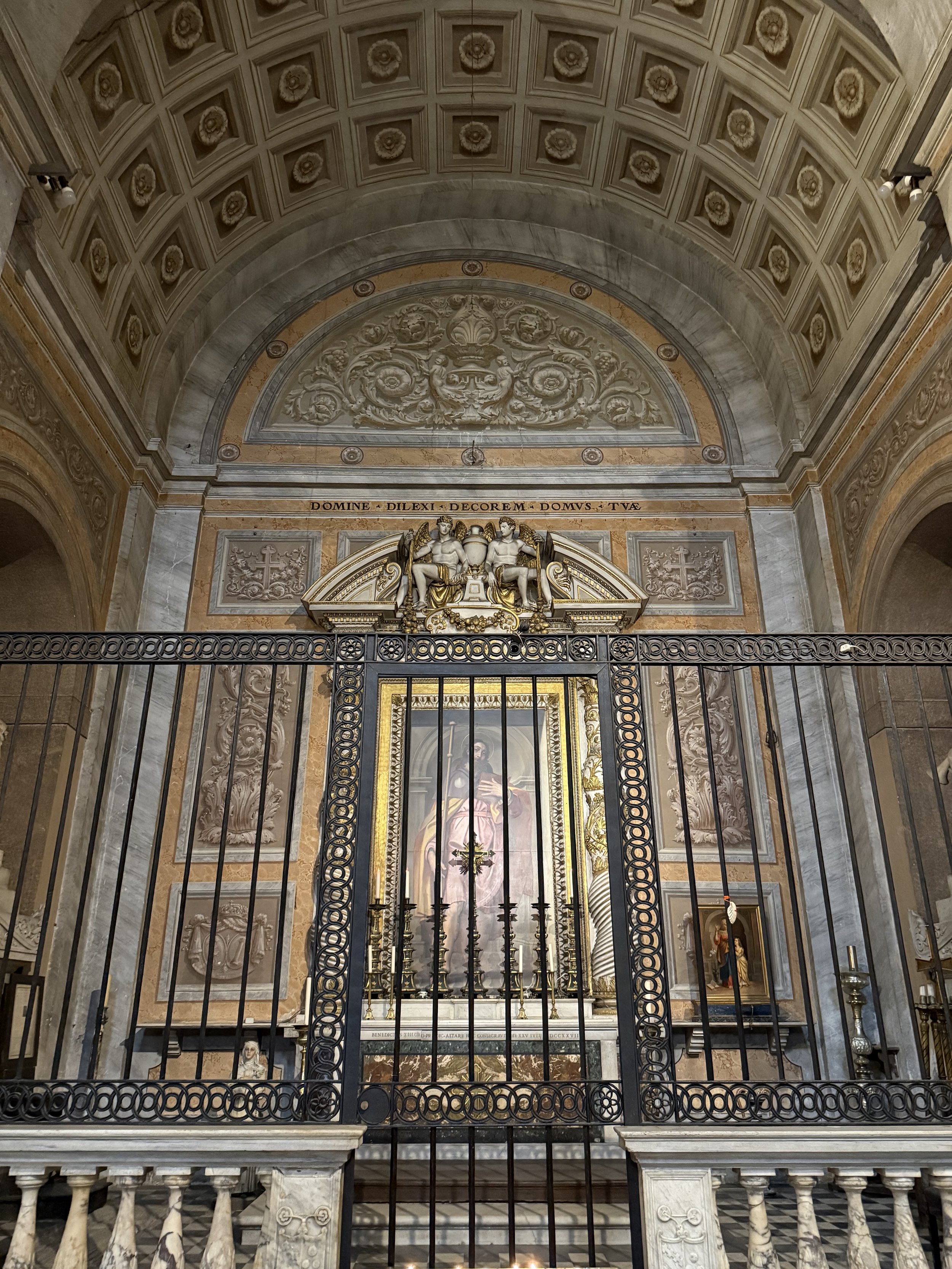
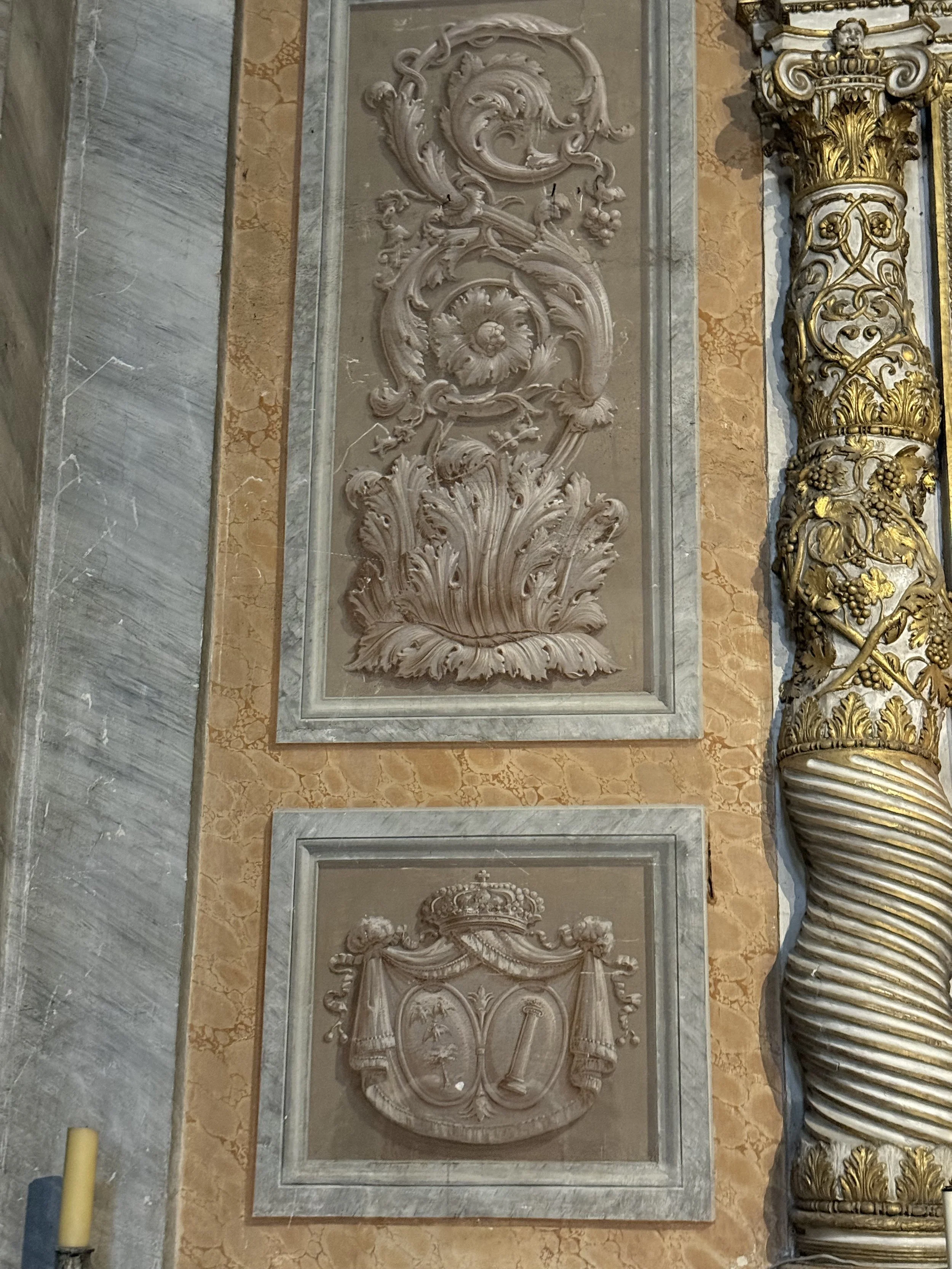
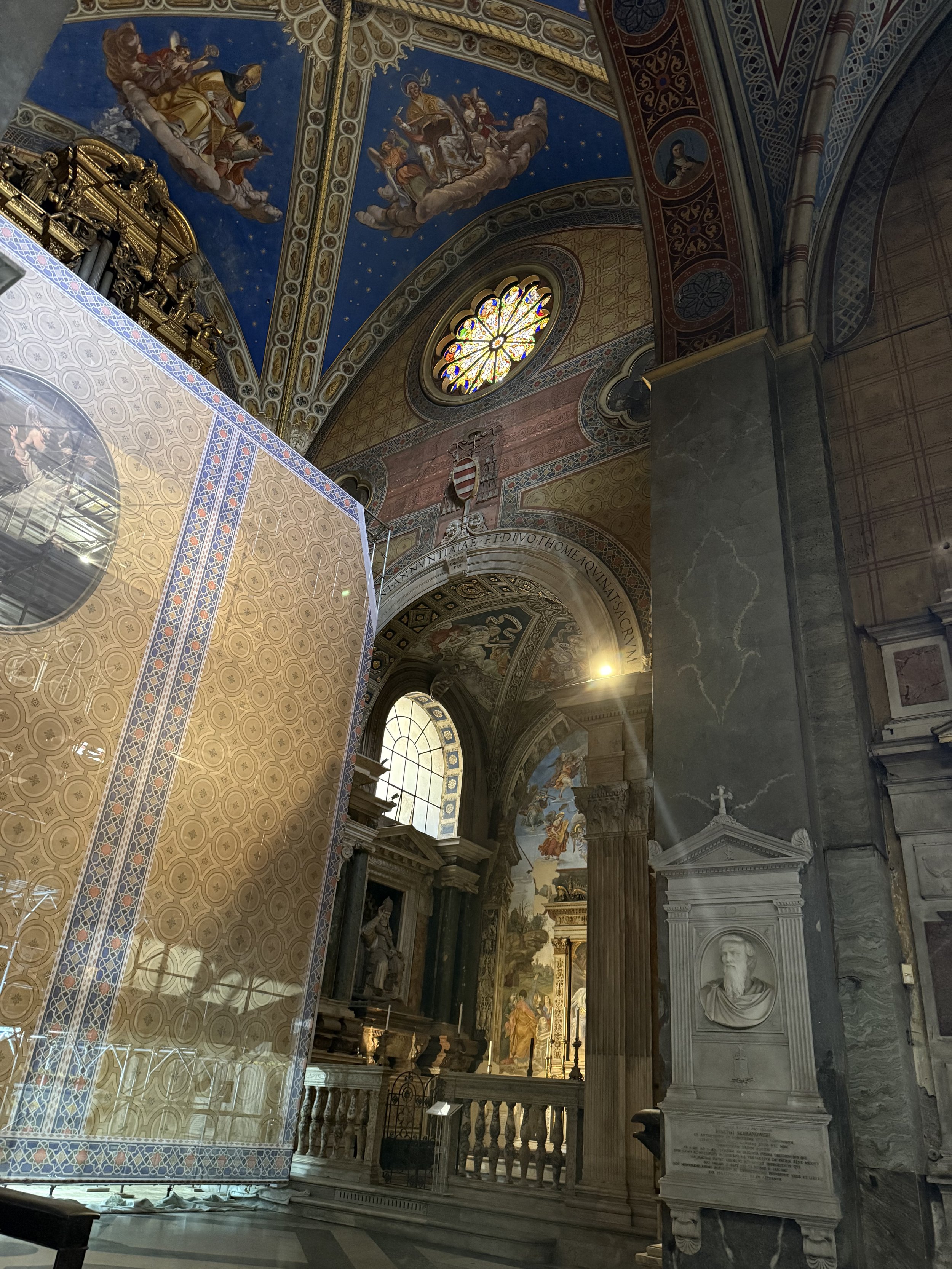
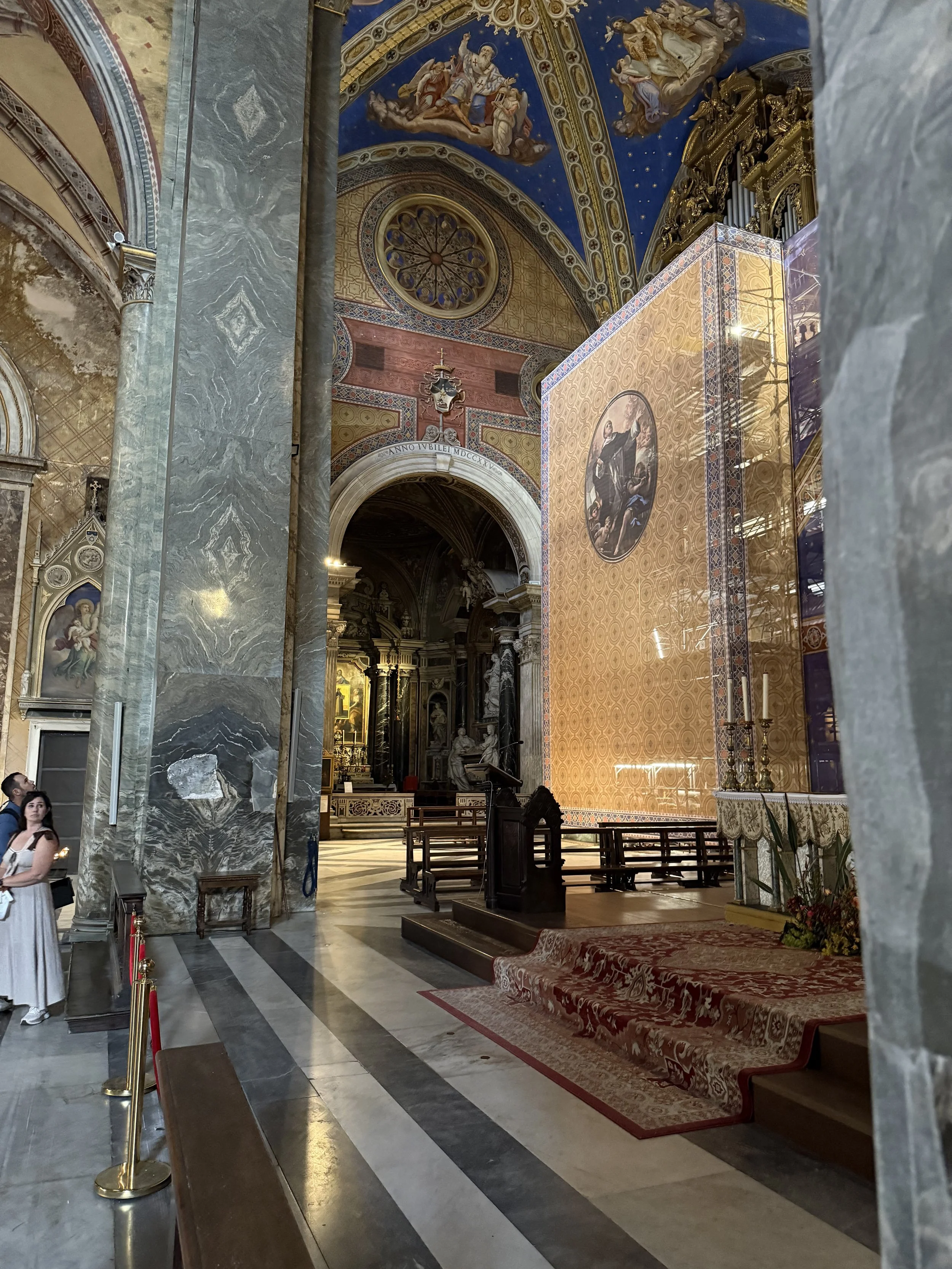
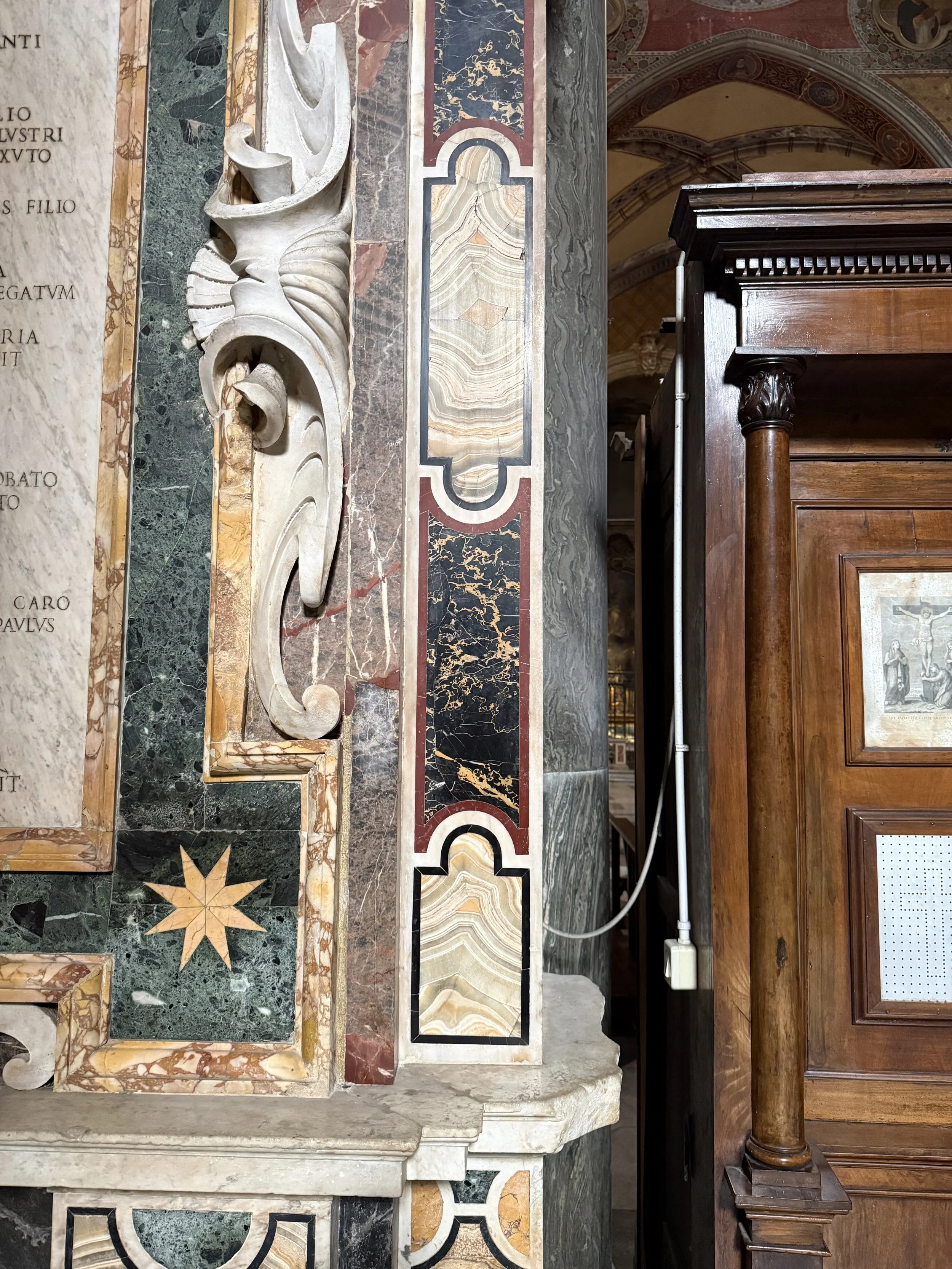
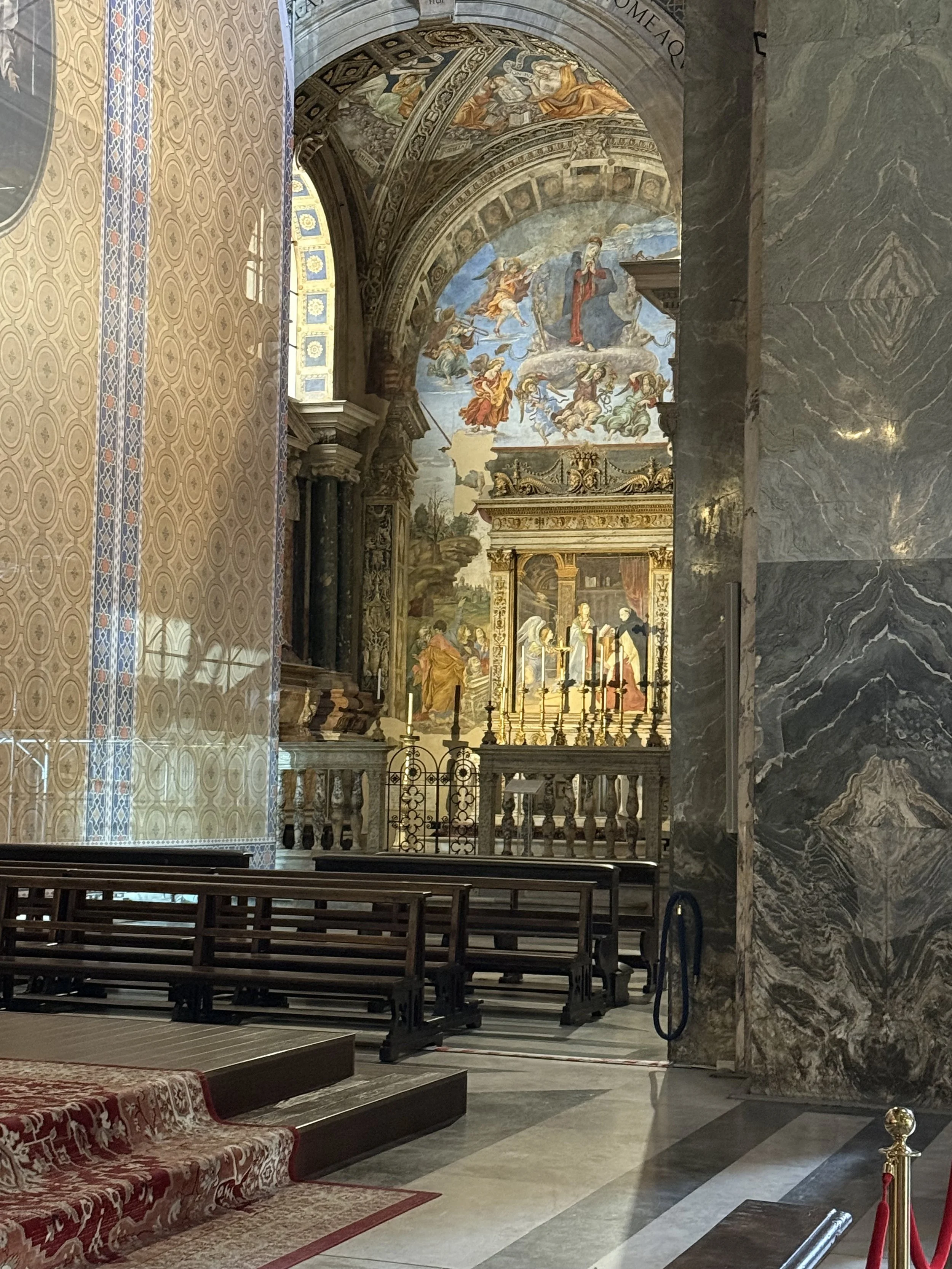
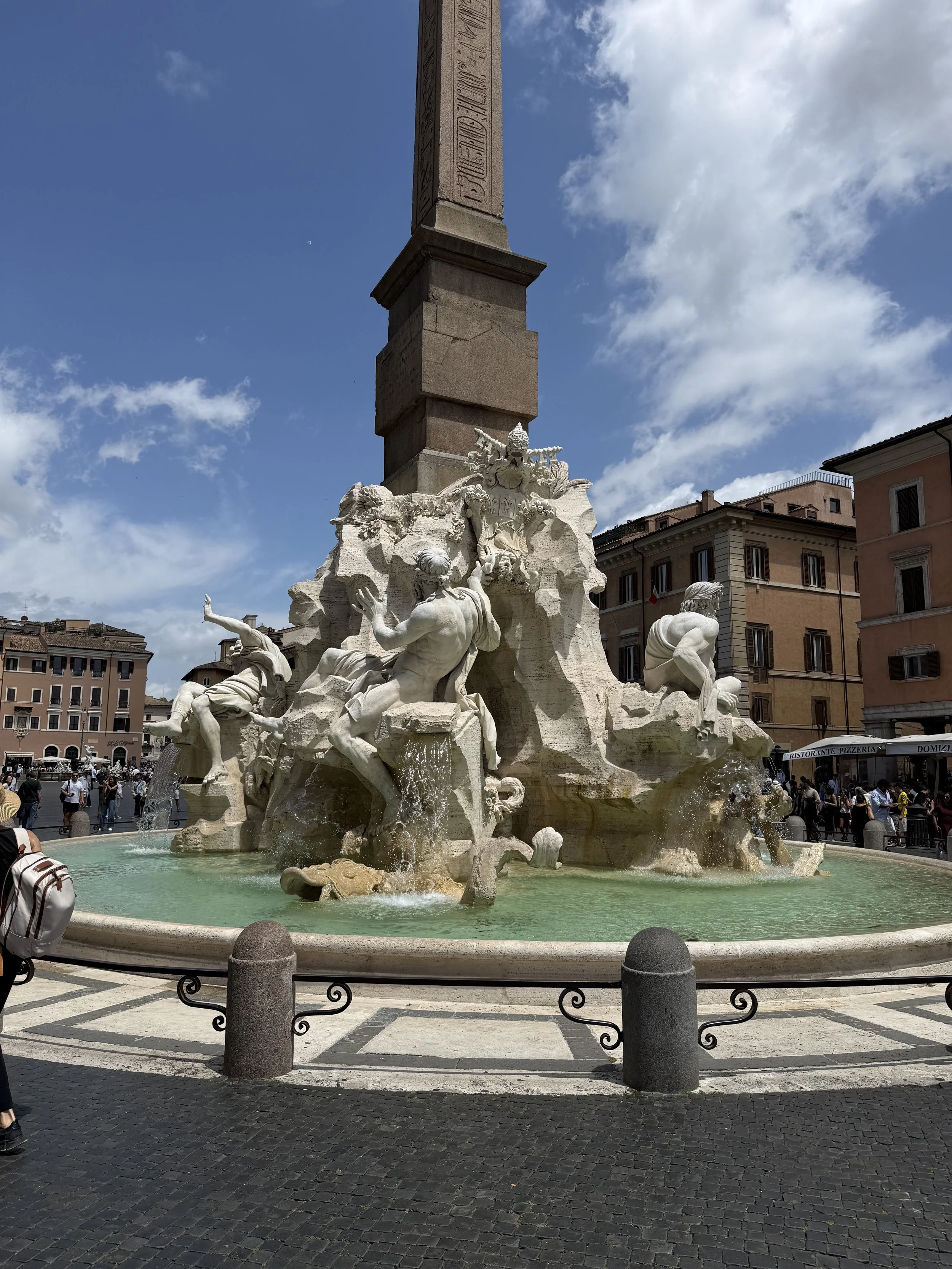
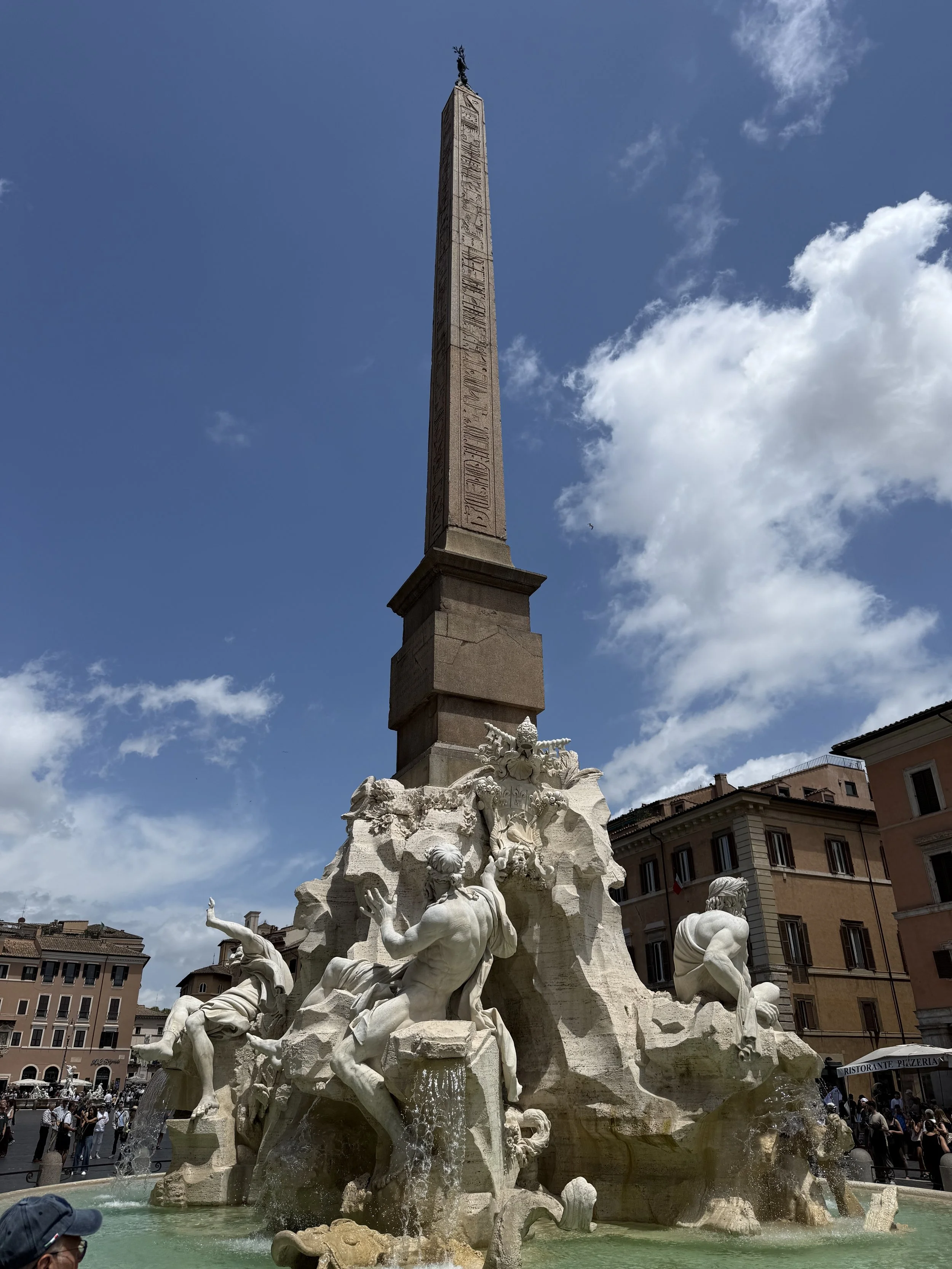
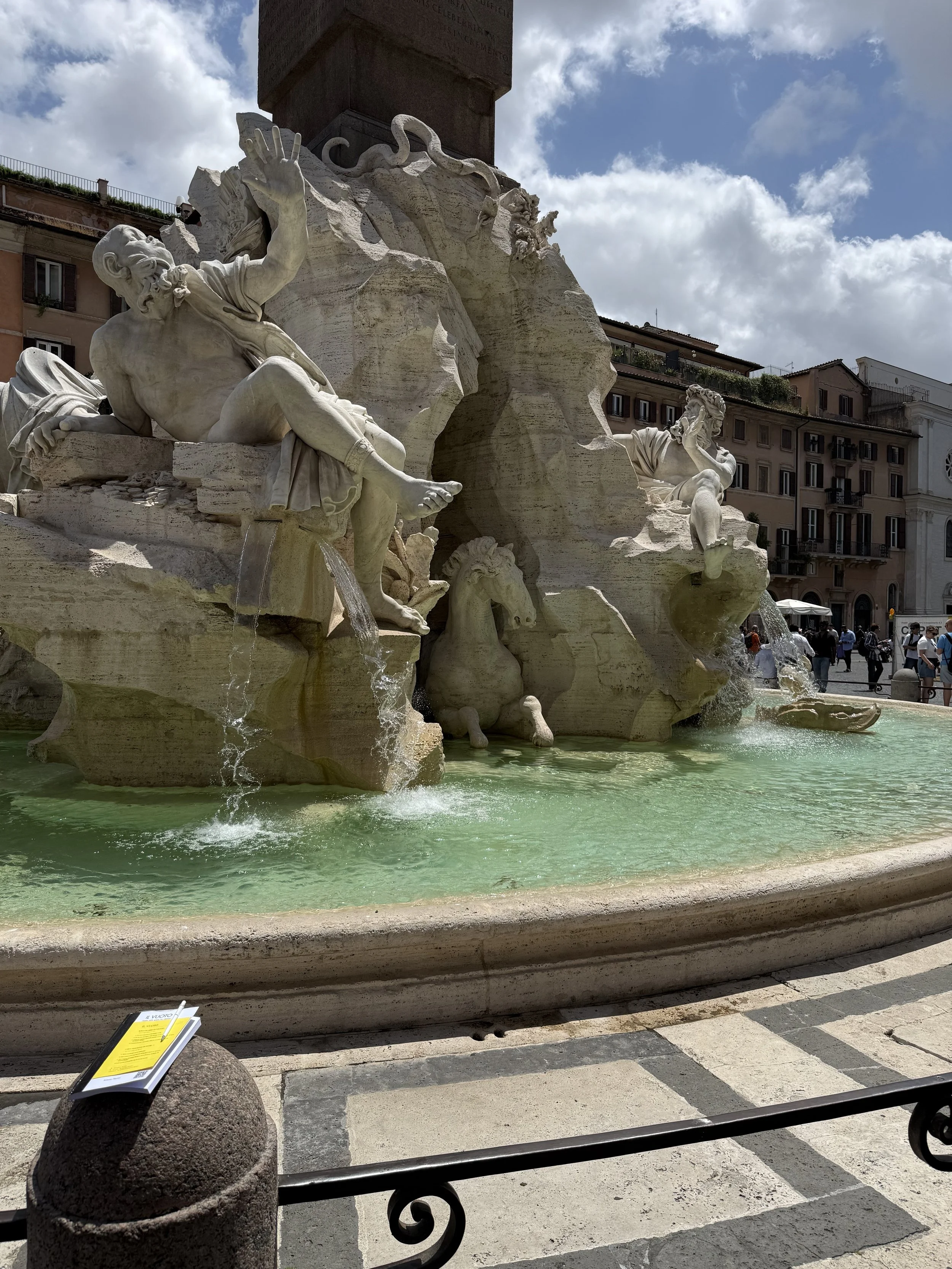
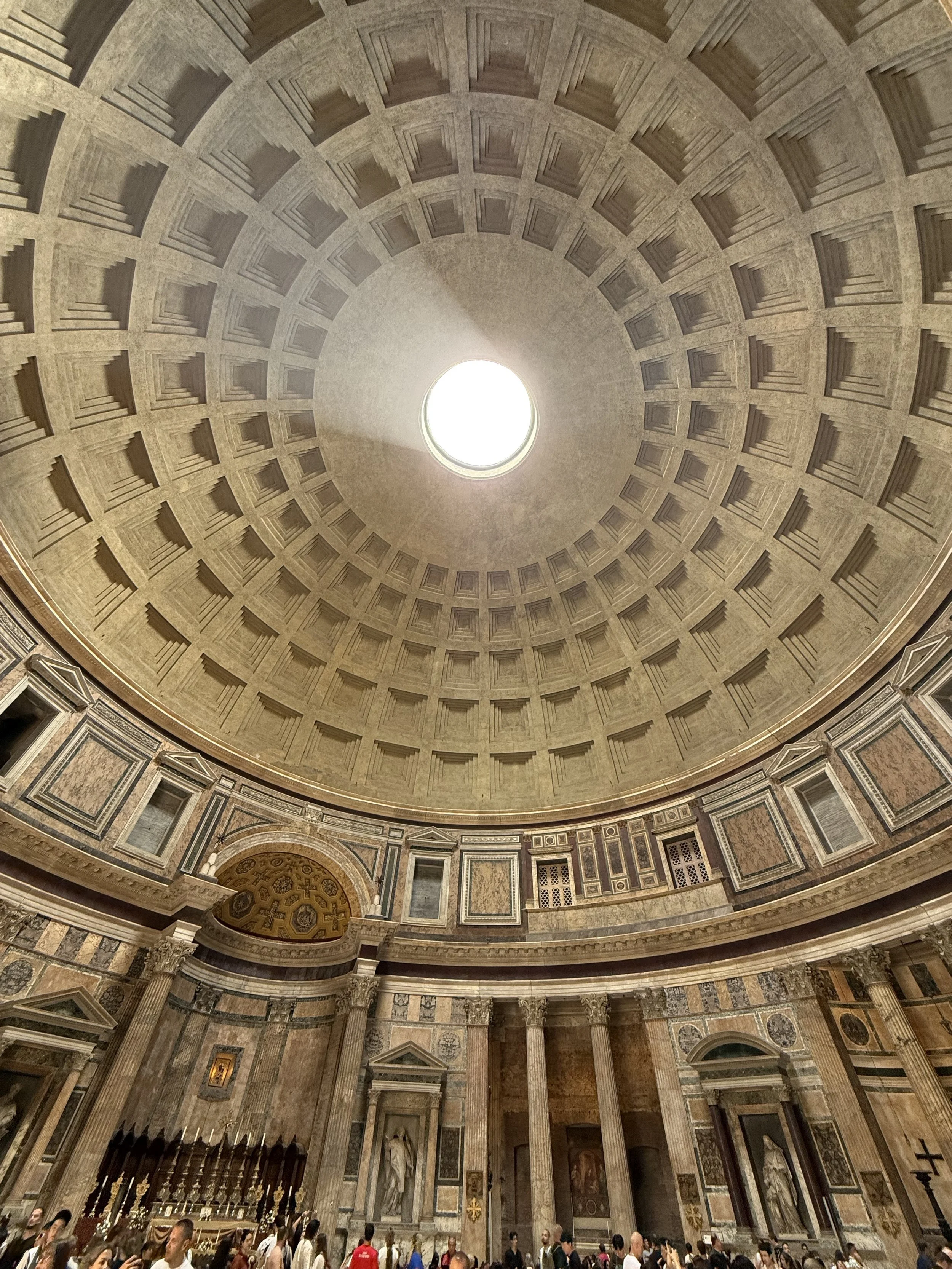
Because our flight home had been rescheduled, Evan and I unexpectedly gained one final day in Rome. We wandered through Santa Maria sopra Minerva, visited Piazza Navona, and made our way to the Pantheon. As if on cue, rain began falling through the famous oculus, creating one of the most magical scenes I've ever experienced.
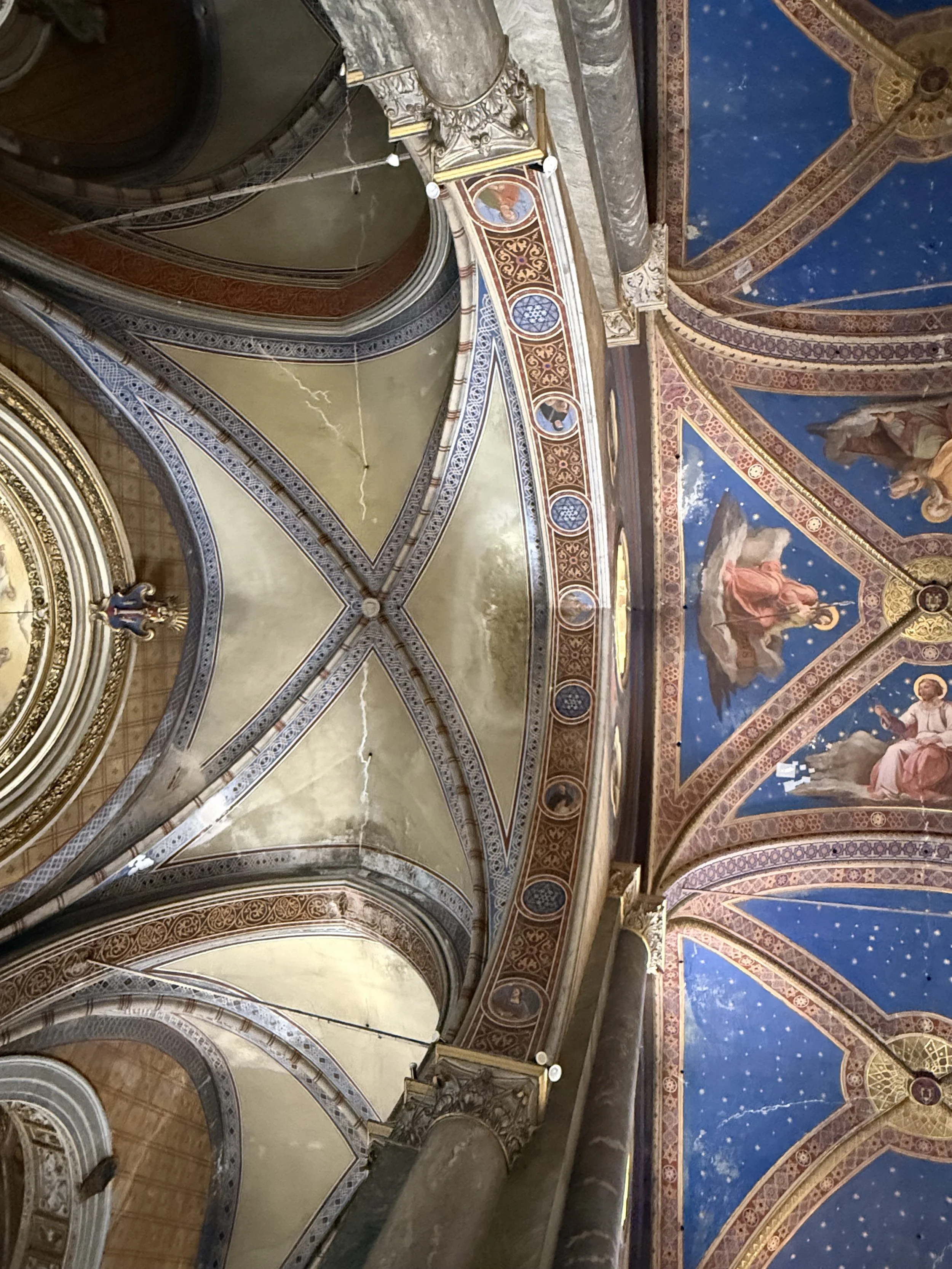
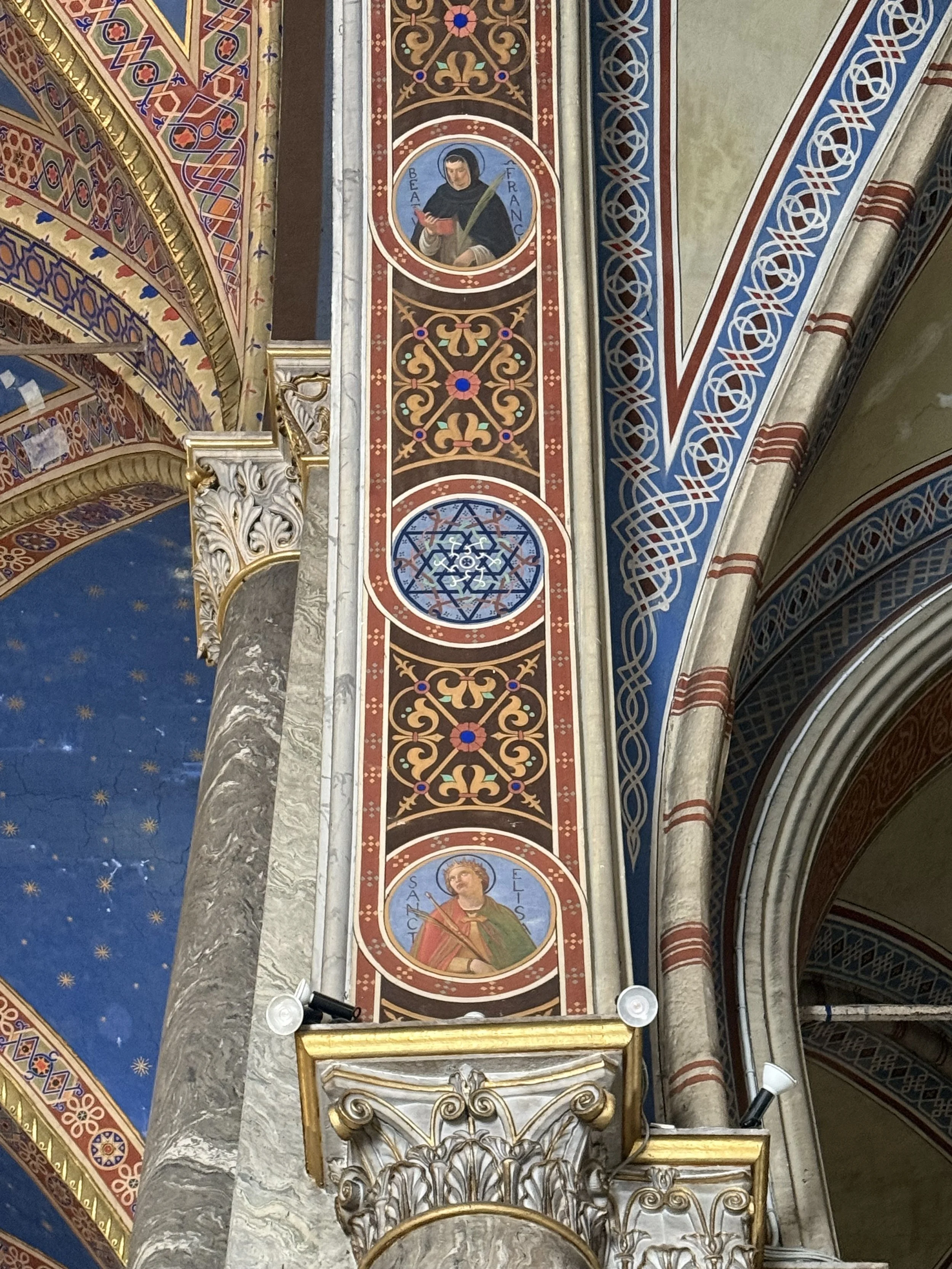
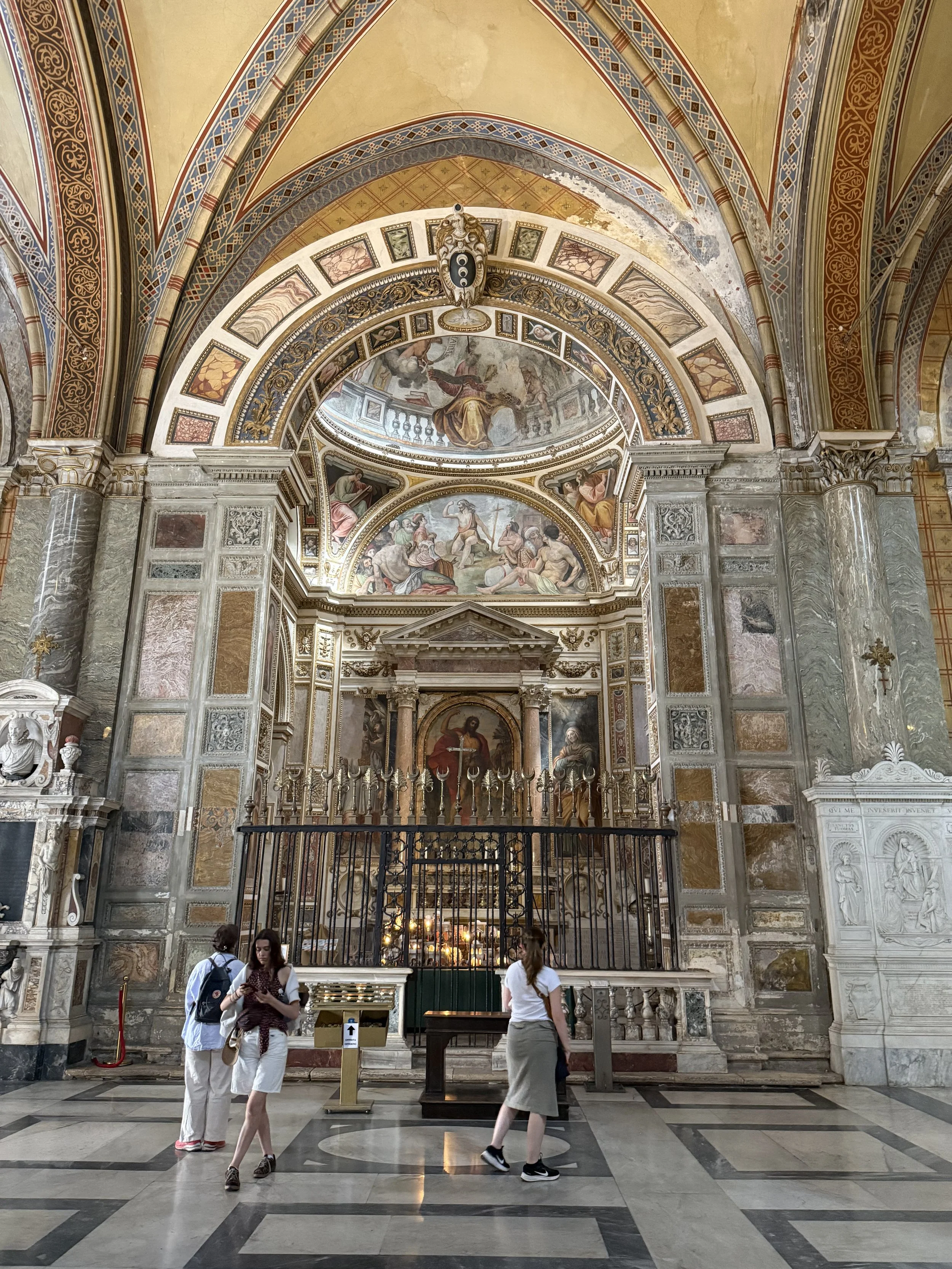
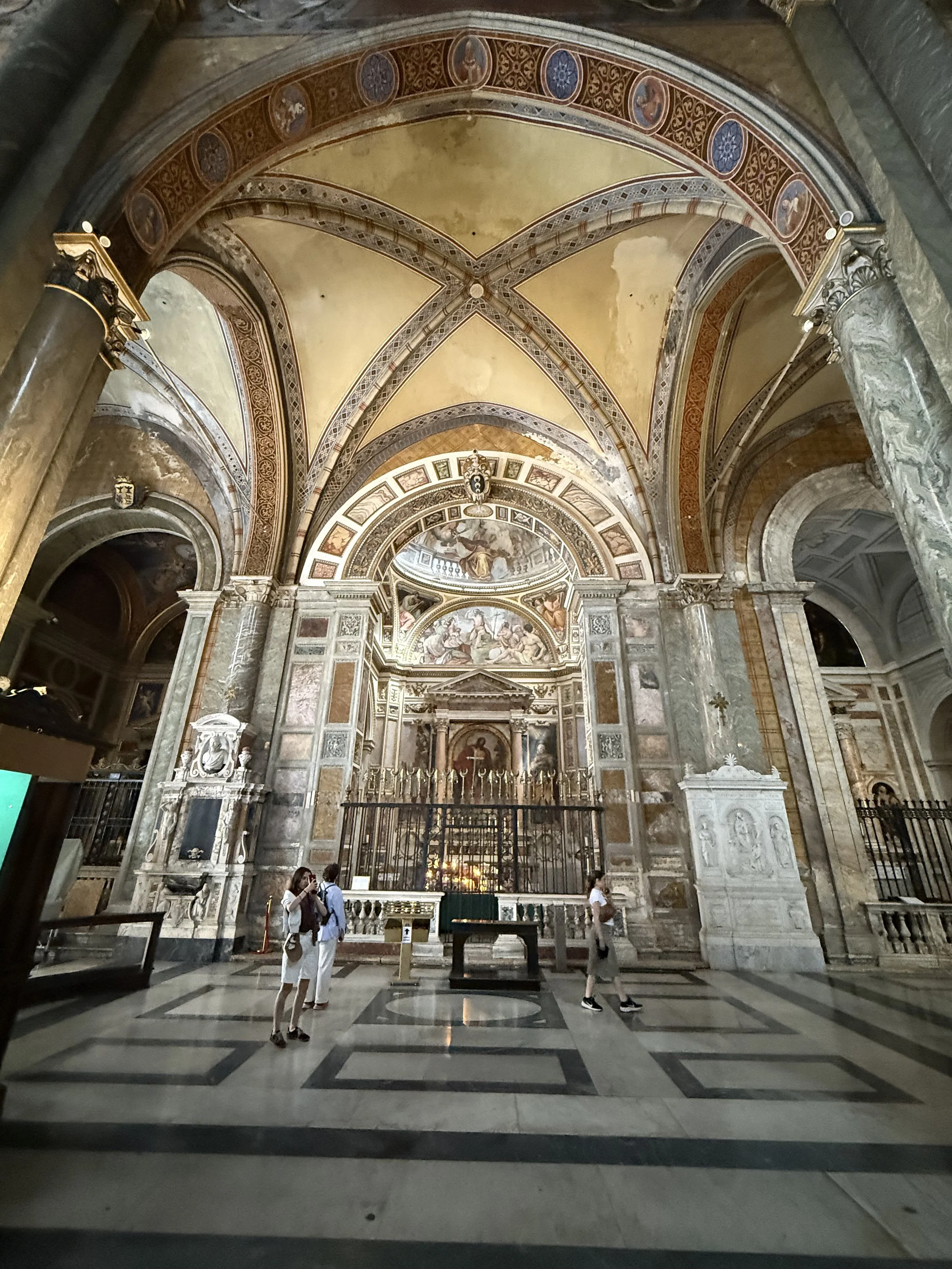
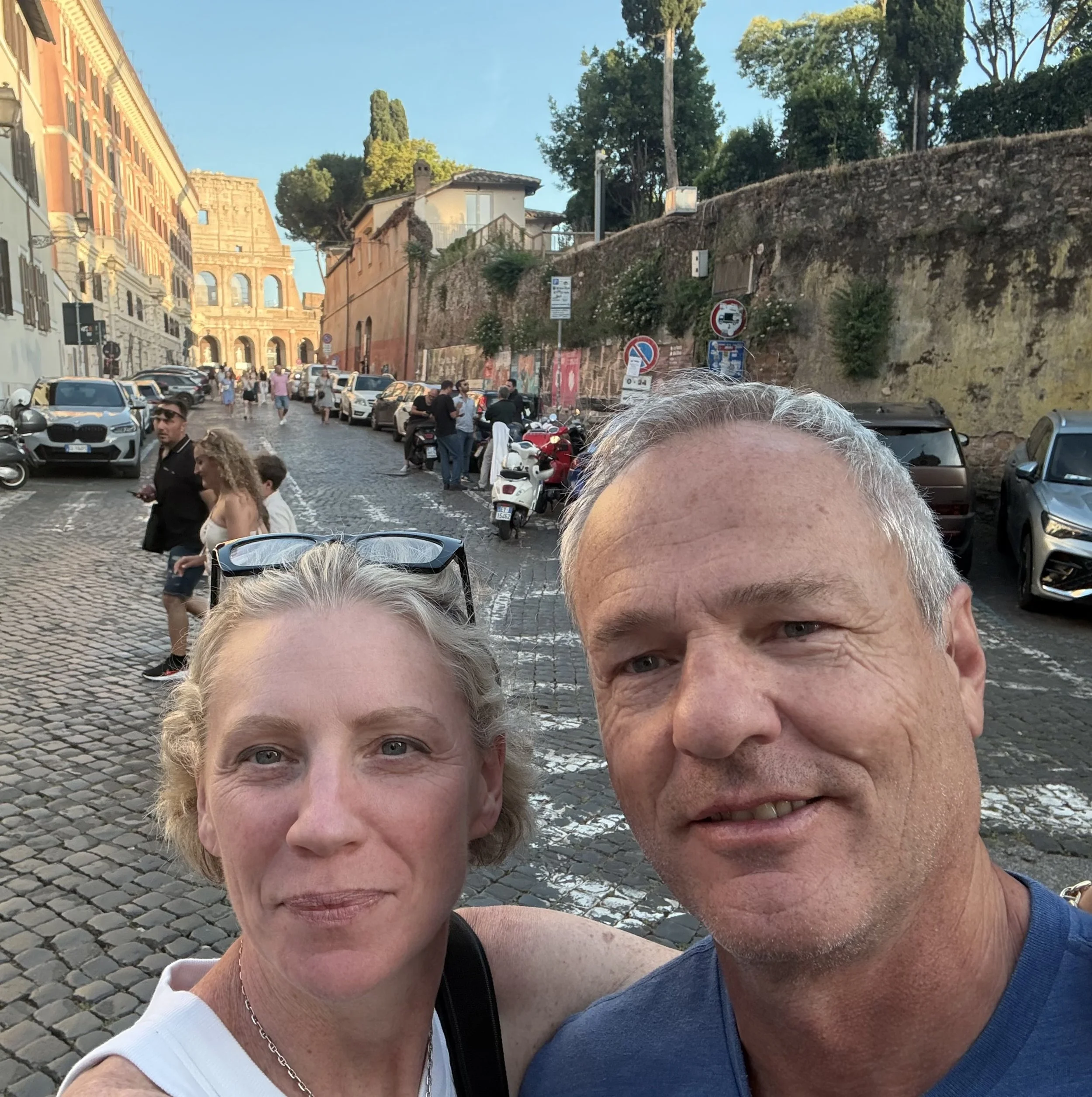
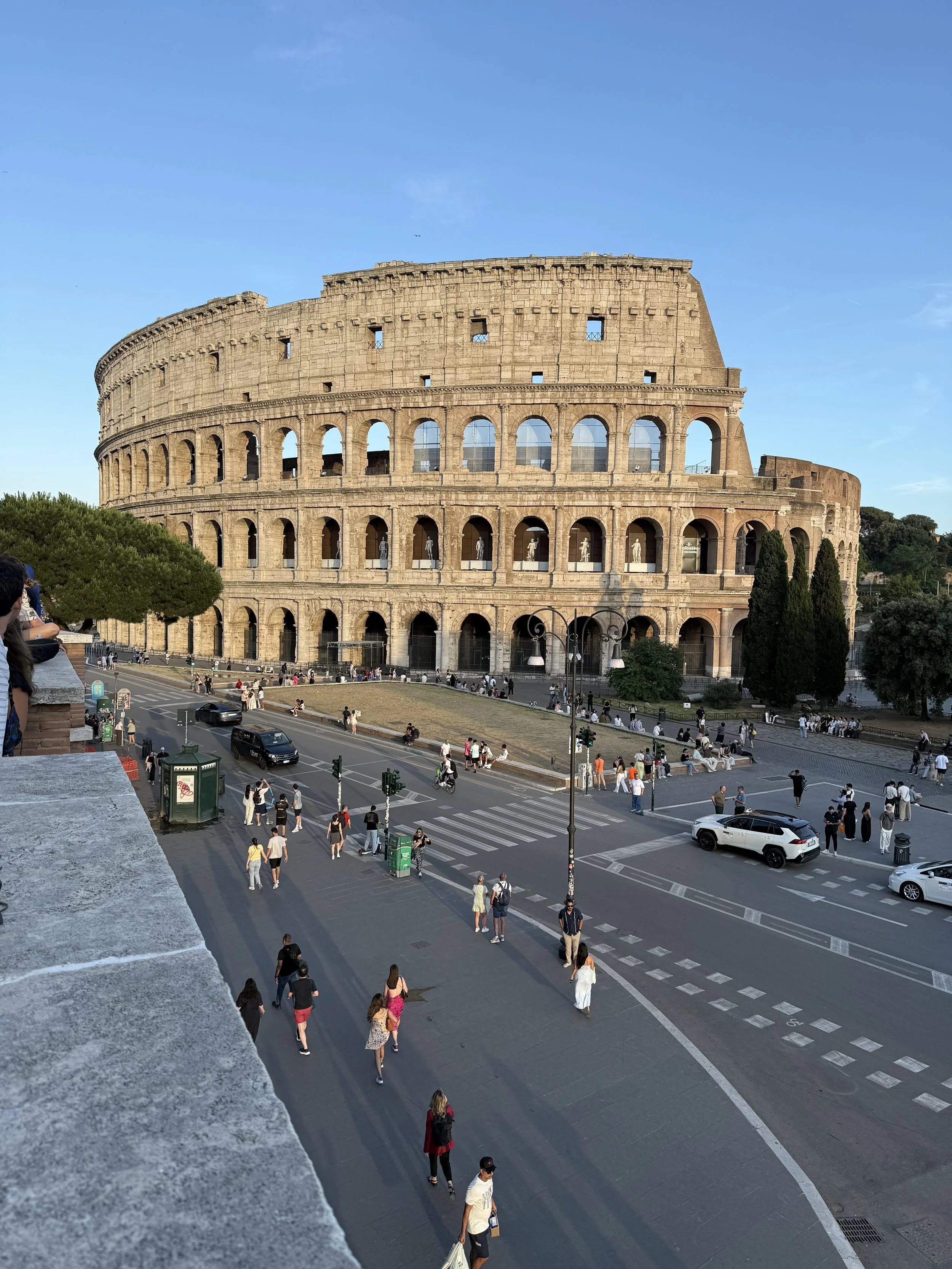
As wonderful as it was to return home, and to two very happy cats, I left Rome feeling renewed, inspired, and grateful. Salon is far more than a decorative painting conference. It is a celebration of craftsmanship, friendship, generosity, and the preservation of traditional art. My heartfelt thanks go to our incredible hosts, Caterina Manisco and Stefano Luca, whose hospitality made this anniversary gathering so special.
Until next time...
Ciao, Roma.